
Are you planning a trip to Indonesia in August? If yes, it can be a very interesting time to visit, as August is the month of Indonesia’s Independence Day. Many people start celebrating independence from the beginning of the month. Streets and small alleys are decorated in red and white (the colors of the Indonesian flag), along with colorful flags everywhere.
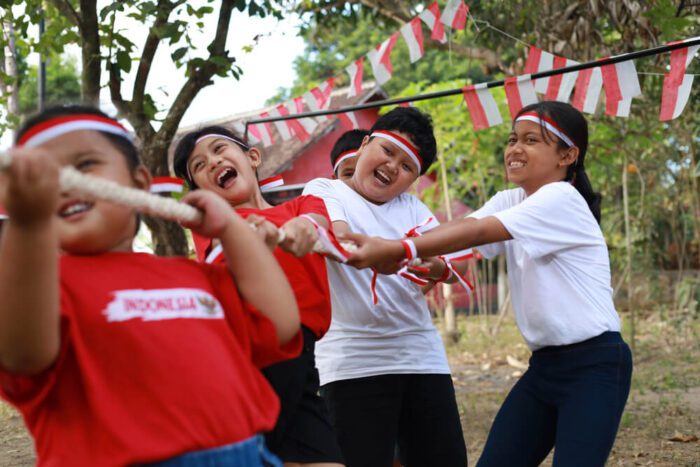
This is the month when Indonesian creativity really shows. You’ll see bamboo gates built at neighborhood entrances, decorations and crafts made from recycled plastic bottles, and murals painted on walls or even on the streets.
During this time, it’s often more rewarding to skip crowded tourist centers and head toward more authentic rural areas, where you can experience local festivals and community events. So, in this guide, I’ll invite you to enjoy traveling in August in a way that feels more meaningful and authentic.
Weather in Indonesia August
August is still part of the dry season, when the sun shines brightly throughout the day and nights can feel cooler. This is common during the peak of the dry season. Surprisingly, August has the coolest nights of the year. If you visit highland areas like Dieng, temperatures can drop to around 0°C or even below, causing morning dew to turn into a thin layer of ice.
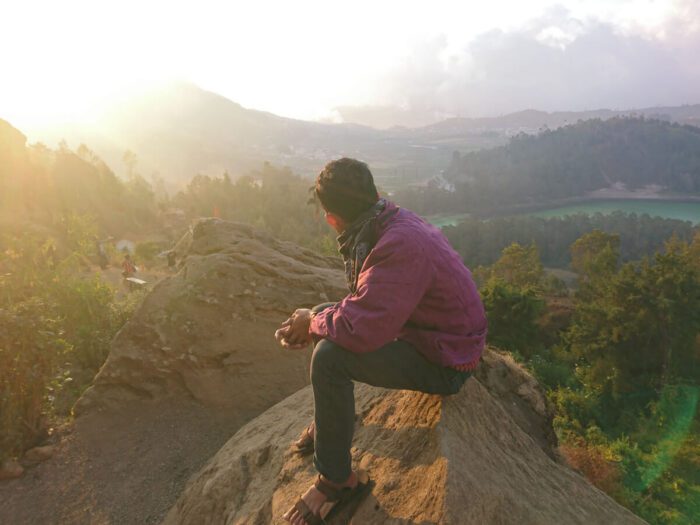
Because daytime temperatures can still be hot and the air tends to be dry, it’s a good idea to use lotion regularly to prevent your skin from becoming dry.
August Festivals in Indonesia
August can be considered a special month for people in Indonesia. This is the time when we celebrate Independence Day, marking the country’s freedom from colonial rule, which was declared on August 17, 1945. Independence celebrations in Indonesia are usually very lively and don’t last for just one day—they often start weeks in advance. These celebrations include festivals, traditional games and competitions, neighborhood decorations, and various performances. Of course, the official flag-raising ceremony on August 17 is also held across the country.

If you visit villages and spend time closer to local communities, you’ll often find ‘lomba’ (traditional competitions). The most popular ones include lomba makan krupuk (cracker-eating contests), marble races, putting a nail into a bottle, and panjat pinang (climbing a greased pole). Unfortunately, panjat pinang is becoming less common because it requires higher costs, such as buying a tall tree trunk and preparing prizes to hang at the top.
For a full guide, read the following article: Independence Day in Indonesia: All You Need to Know.
In several regions, from Sumatra to Nusa Tenggara, cultural festivals are also held. In Riau, for example, there is the ‘Pacu Jalur’ boat race, which recently went viral with an ‘aura farming’ dance. In Padang, you can see ‘Pacu Jawi’, a traditional bull race similar to ‘Karapan Sapi’ in Madura.

On the island of Java, many cultural festivals take place as well. In Dieng, the Dieng Culture Festival (DCF) is usually held, featuring jazz music in the highlands, lantern releases, and the main ritual of cutting the dreadlocked hair of Dieng children.
In Solo, there is often a kirab pusaka (royal heirloom procession), where participants wear traditional clothing and carry sacred weapons such as keris and swords to be ritually purified. In Yogyakarta, you can enjoy various art performances, including traditional dances, and the Yogyakarta Arts Festival (FKY), which is held regularly every August.
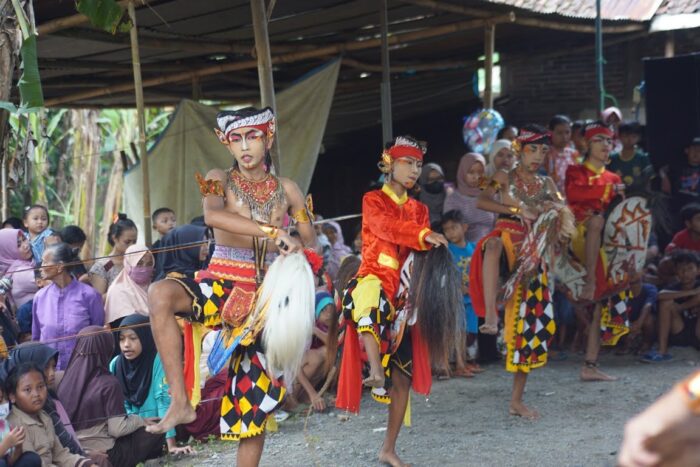
There are many more festivals you can experience across Java, such as Ebeg, a traditional performance from the Purwokerto area, the Gandrung dance in Banyuwangi, and many other local events.
Where to Go in August
In August, you can travel almost anywhere in Indonesia. If you’re planning to surf, this season is a great choice, with more stable waves and clearer weather. Destinations like Mentawai, Bali, and West Sumba are popular options during this time.
Also read: Where to Surf in Java: 11 Best Spots.

If hiking is more your thing, many hikers plan climbs around Independence Day, and ceremonies are even held on some mountains, such as Mount Prau. I once joined an Independence Day ceremony on Krakatau, and it was a truly unique experience.
Read more: Hiking in Java: Best Mountains for Trekking.
Some destinations like Yogyakarta, Bali, Bandung, and Lombok are generally less crowded with local tourists in August because it’s not school holiday season. This means they’re usually quieter than in June–July or January, which are considered peak holiday seasons in Indonesia.
Waterfalls are also at their best, and August is a good time for jungle trekking in Sumatra to see orangutans, or visiting Tanjung Puting National Park in Kalimantan. You can explore traditional villages such as Baduy, Kampung Naga, or villages in Sumba. Visiting a hidden island like Moyo Island can also be a memorable experience.
Also read: 12 Best Waterfalls to Visit in Java.
But if you’re looking for something truly authentic, try spending time in rural areas and joining traditional competitions together with local communities.
Tips for Travelling in August
To make your trip in Indonesia smoother in August, here are a few useful tips:
- If you’re visiting mountainous areas, bring a warm jacket, as August is the peak of the dry season and temperatures in the highlands can be quite cold.
- Always carry a lightweight poncho. Even though it’s the dry season, rain can still happen occasionally, so it’s good to be prepared.
- Wear comfortable, non-slip footwear, especially if you plan to do a lot of walking or outdoor activities.
- Consider renting a car with a driver for a more comfortable and hassle-free journey, especially when traveling between destinations.
Final Thoughts
Visiting Indonesia in August is a great choice. The weather is generally favorable, with many regions enjoying clear days, and there are plenty of cultural festivals taking place to celebrate Indonesia’s Independence Day. If you’re curious about local traditions, visiting during this month can give you deeper insight into the rich and diverse cultures across the country.
Nature is also at its best during this time. You can enjoy jungle trekking, hiking, and surfing comfortably throughout the day.
How about Other Months?
We summarized it all in our other articles: