
While traveling around Indonesia, have you ever seen a food stall called “Sate Madura” or noticed shops with the word “Madura” at the end of their names? It’s not just a name—it shows that the owner comes from Madura Island. This island lies just east of Surabaya and is part of East Java, but its culture and people are quite different from the rest of Java.
Madura is home to many people, but it’s still not so touristy. There are lots of beautiful places that haven’t been explored much, even though the island is easy to reach and full of natural charm. If you’re looking for something more local and authentic in Indonesia, Madura is definitely worth visiting.
In this guide, I’ll share everything you need to know about Madura—how to get there, what to see, and all the interesting things you can do while exploring the island.
Where Is Madura?
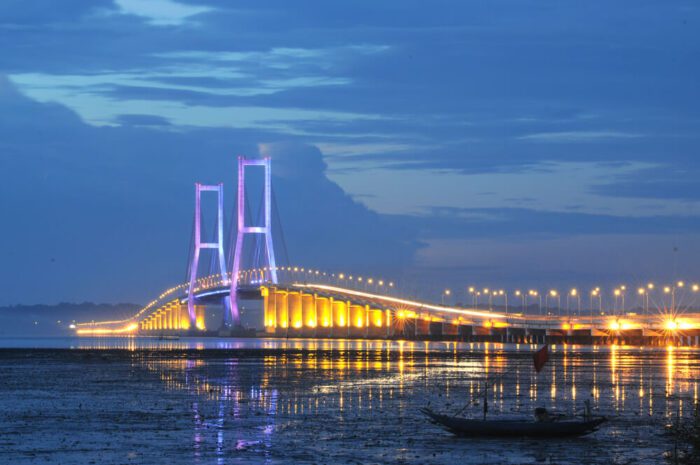
Madura is an island in East Java, located just east of Surabaya. It is separated from Java by the Madura Strait and connected to Surabaya by the Suramadu Bridge.
The main towns on the island include Bangkalan in the west, followed by Sampang, Pamekasan and Sumenep further east.

Why Visit Madura?
Madura is worth visiting if you want to see a side of East Java that feels very different from Surabaya, even though it is only a short drive away across the Suramadu Bridge.
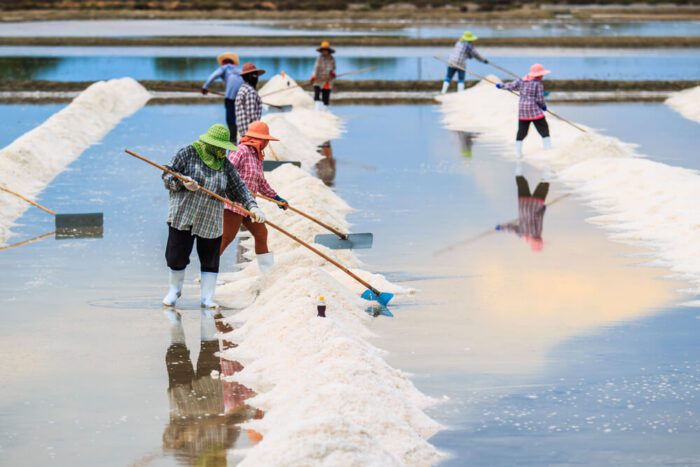
The island is hot, dry and often overlooked by foreign travelers, but that is part of what makes it interesting. Madura is known as Indonesia’s Salt Island, and in some coastal areas you can still see traditional salt fields shaped by the island’s dry climate. This gives the landscape and local economy a character you will not find in the same way in many other parts of Java.
Madura is also one of the best places to experience local culture that is still strongly rooted in everyday life. The language sounds different from Javanese, traditions are still important, and events like Karapan Sapi, the famous bull race, show how proud local people are of their identity. You’ll also find Islamic pilgrimage sites, old royal heritage in Sumenep, and coastal rituals such as Petik Laut, which are connected to fishing communities and the sea.
For travelers, Madura offers a mix of quiet beaches, limestone hills, fishing villages, salt fields, old towns and small islands. It is not as polished or easy to travel around as Bali or Yogyakarta, and some places still have limited tourist infrastructure. But if you enjoy slower travel, local food, coastal scenery and places that are still mostly visited by domestic travelers, Madura can be a rewarding addition to an East Java itinerary.
Best Things to Do and See in Madura
Madura is not packed with polished tourist attractions, but it has several places worth adding if you have more time around Surabaya or want to continue toward Sumenep. The main highlights include limestone hills, coastal stops, old royal heritage, salt fields and small islands.
Arosbaya Limestone Hill (Bukit Kapur Arosbaya)
If you only have half a day to explore Madura, Arosbaya Limestone Hill is a great place to visit. It’s located in Arosbaya District, Bangkalan—about 45 minutes from Bangkalan city center, or around one hour from Surabaya.
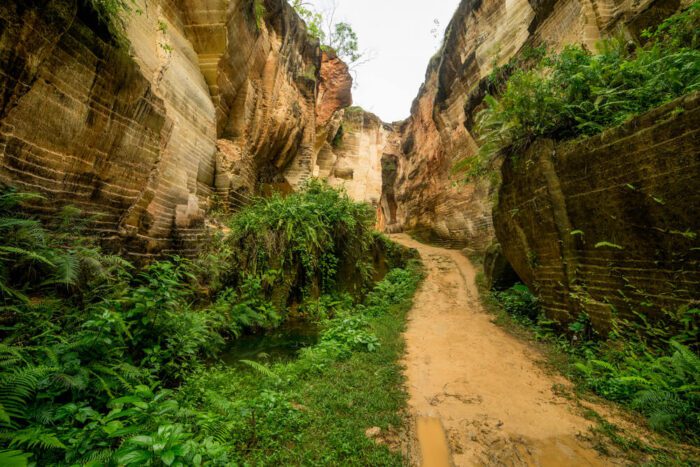
This hill used to be an active limestone quarry. The mining process left behind tall cliffs with naturally carved patterns, creating a canyon-like landscape. What makes it stand out is the color—unlike most limestone hills that are white, the rocks here have a warm golden-brown tone. Because of its unique texture and color, many people compare it to Antelope Canyon in Arizona, USA.
The symmetrical rock formations make it a favorite backdrop for prewedding photos, selfies, or social media content. Entrance is very affordable—around IDR 5,000 (prices may change).
Getting there is relatively easy. Local public transport passes near the area, and you can also stop by the religious site Makam Aermata Ebhu, which is just about 450 meters from the hill. If you’re taking public transport, you can get off near the site and walk the rest of the way.
Jaddih Hill
Jaddih Hill is a limestone hill area in Bangkalan, often compared to Arosbaya Limestone Hill. The landscape is shaped by white limestone cliffs, carved rock walls and a clear water pool, which made it a popular photo spot in Madura, especially for travelers coming from Surabaya.
However, it’s worth setting realistic expectations before visiting. Jaddih Hill has become less well maintained in recent years, and some visitors mention unclear extra charges or unofficial fees, where you may be asked to pay more than once in different parts of the area. If you still want to go, bring small cash, ask clearly what each payment is for, and consider visiting only if you’re already exploring Bangkalan. For a smoother experience, Arosbaya may feel like the better option.
Keraton Sumenep (Sumenep Palace)
Heading to the eastern part of Madura, you’ll arrive in Sumenep Regency—the largest region on the island and one of the richest in historical heritage. Here, you can visit Keraton Sumenep, a royal palace that still stands strong today.
Much like the palaces in Yogyakarta or Surakarta, this one carries deep historical value and features a unique architectural mix of Chinese, European, and Javanese influences. Built in 1762, the palace is still in use today.
The complex includes several palace buildings, a small museum collection, and Taman Sare, the former royal bathing pool. Inside, you can see portraits of Sumenep rulers, traditional weapons, cooking tools, porcelain gifts, a royal carriage, and a handwritten Qur’an connected to local legend. Hiring a local guide is worth considering, as they can explain the stories behind the objects and the palace layout.
Entrance to the palace is around IDR 20,000 per person. Tour guide fees are not fixed, but a tip of IDR 50,000 or more is generally appreciated based on your experience.
Jamik Mosque of Sumenep
After exploring the Sumenep Palace, don’t miss a visit to the nearby Jamik Mosque, located just around the town square (Alun-Alun). Built in 1787, it’s one of the oldest mosques in Indonesia and is still actively used for worship today.
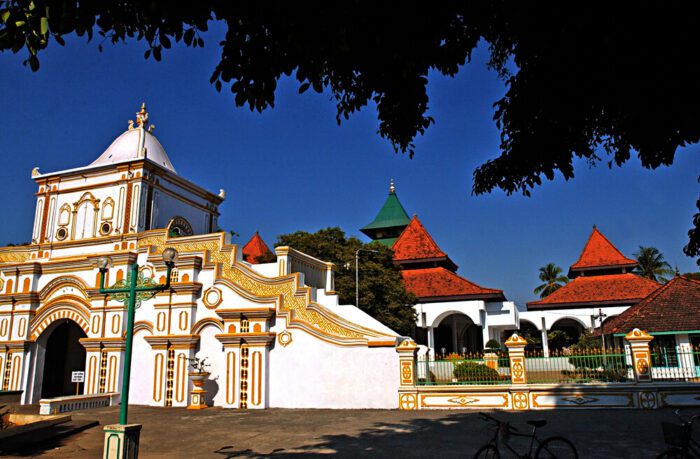
What makes this mosque stand out is its unique architecture. The main gate is painted in bright yellow and combines Chinese, European, and Javanese design elements—creating a striking yet elegant appearance that reflects the cultural richness of the region.
Backindo Tip: There’s no entrance fee to visit the mosque, but be sure to dress modestly, as it’s still an active place of worship.
Toroan Waterfall
Toroan Waterfall is one of the most unusual waterfalls in Madura. Located in Ketapang, Sampang, on the north coast of Madura, it is not in a mountain or forest area like many waterfalls in Indonesia. Instead, the water flows near the coast and continues directly toward the sea.
It can be a nice stop if you’re traveling through Sampang or following the northern route of Madura. The waterfall is around 80 km from Surabaya, with an entrance fee of about IDR 6,000. It is usually open from 8:00 AM to 6:00 PM, but the experience can depend on the tide, weather and water flow.
Looking for more waterfalls to explore? Read also about 12 Best Waterfalls to Visit in Java.
Gili Iyang – The Oxygen Island
About 30 km east of downtown Sumenep, you’ll find Gili Iyang—a small island often called the “Oxygen Island.” It’s known for having the highest oxygen levels in Indonesia and is said to rank second in the world, just after Jordan. According to a 2006 study by Indonesia’s National Institute of Aeronautics and Space (LAPAN), the oxygen level here reaches 20.9 percent.
This high oxygen concentration comes from the surrounding sea, which contains natural salt aerosols like magnesium sulfate and Epsom salt—minerals believed to be beneficial for skin health.
But Gili Iyang isn’t just healthy—it’s also beautiful. You can visit Batu Cangga, a natural sea cliff corridor with a unique rock “support” structure. There’s also Gua Mahakarya, an exotic cave known as a natural oxygen chamber, and of course, peaceful white-sand beaches perfect for relaxing or snorkeling.
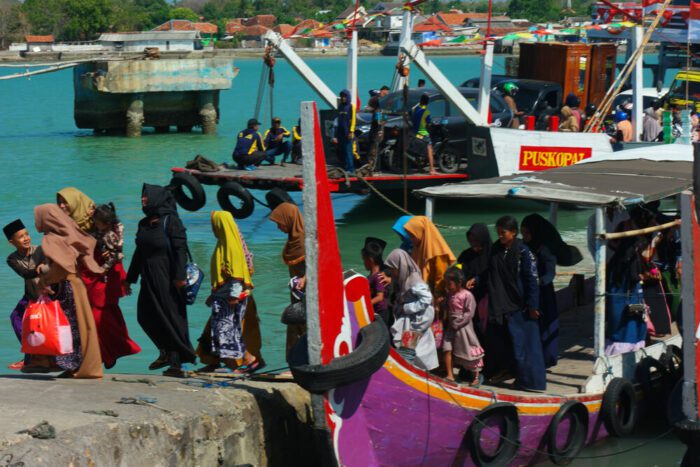
To get there, take a land vehicle from Sumenep to Dungkek Port, then hop on a sea taxi—a small motorboat that fits around 20 people. The crossing takes about 30 to 40 minutes. Tickets cost around IDR 10,000 per person, depending on how many passengers are on board. You can also rent a private boat for a few hundred thousand rupiah if you prefer more flexibility.
Gili Labak
Located south of Sumenep, Gili Labak is a small island surrounded by white sand. It has become a popular place for snorkeling and enjoying a tropical atmosphere away from the crowds.
The island is still fairly clean, with clear seawater, healthy coral reefs, and relatively calm waves. However, getting there takes some effort. You need to take a boat from Kalianget port in Sumenep, and the journey usually takes around 2 hours. Boats typically leave in the morning and return in the evening.
If you want to stay overnight, you can rent a local house or set up a tent near the beach. There are no paved roads on the island, only coconut trees around the local houses, which gives the place a simple and quiet island feel.
Visiting Gili Labak is usually quite affordable. You can also find open trip services, some of which include pick-up from Surabaya.
Beaches and North-Coast Stops
Madura’s north coast is full of hidden gems that are worth exploring. One of them is Nepa Beach in Sampang Regency, a peaceful and unspoiled beach that’s perfect if you’re looking to enjoy the sea without the crowds. Nearby, you’ll find Nepa Monkey Forest, home to hundreds of long-tailed monkeys that roam freely without bothering visitors.
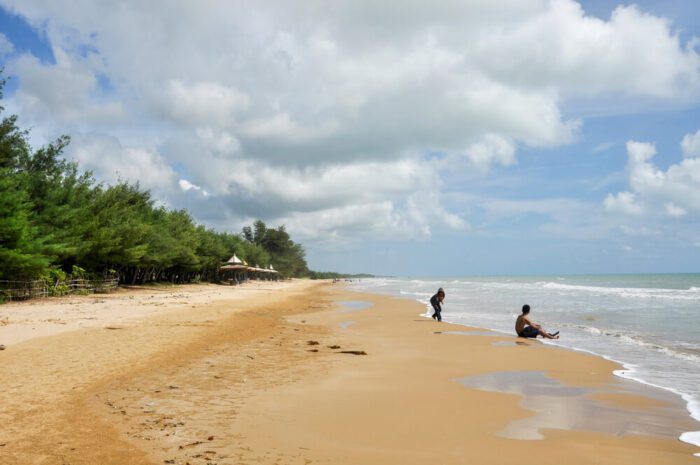
In Bangkalan, you can visit Rongkang Beach, known for its rocky shoreline and distant views of the Suramadu Bridge. For a more local and authentic experience, take time to stop by traditional fishing villages along the coast. You’ll see daily life in action—Lete (traditional wooden boats), friendly locals, and fresh seafood straight from the sea.
Seeing Traditional Salt Production in Southern Sumenep
As the “Salt Island,” Madura is home to many salt fields that are still managed using traditional methods. If you’re curious about how salt is made, head to the southern part of Sumenep, to villages like Nambakor, Marengan Laok, or Pinggir Papas. Here, you can watch the salt farmers harvest salt from seawater—using techniques that haven’t changed much for generations.
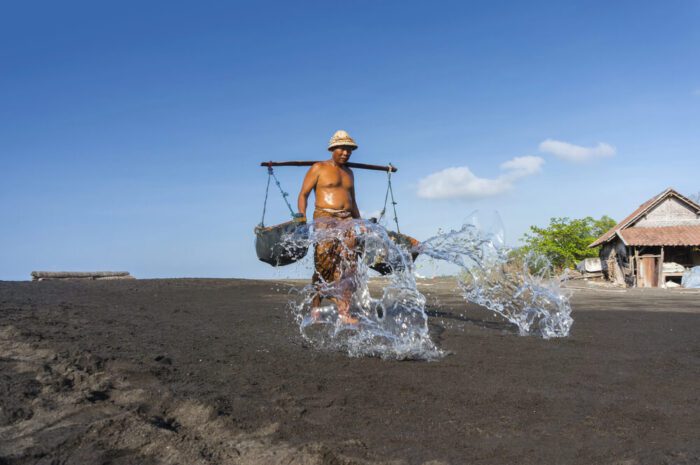
You’ll see how seawater is poured and dried under the sun until it crystallizes into salt. Some farmers even carry the seawater manually, just like in the old days. The wide salt fields also serve as a natural habitat for various water birds, like herons.
Traditional Events in Madura
Beyond its natural beauty, Madura is rich in culture and traditions that are still very much alive today.
Petik Laut
One of the most well-preserved customs is Petik Laut, a sea-offering ceremony held by coastal communities in northern Madura.
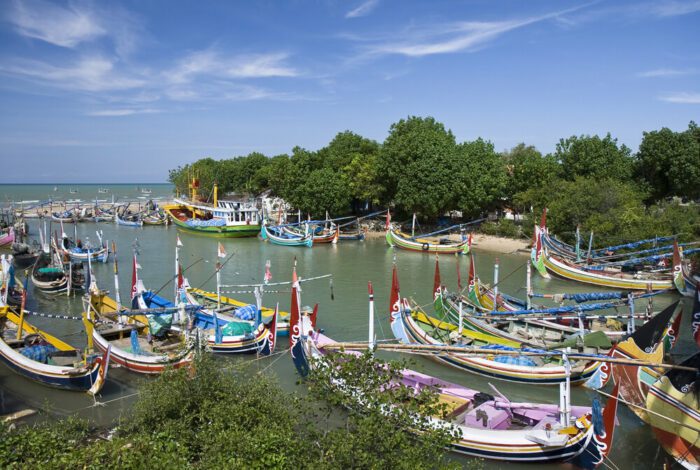
During this event, locals prepare colorful offerings and place them on decorated boats, which are then set adrift into the sea as a symbol of gratitude for the year’s fishing harvest. Petik Laut is usually held during the Islamic month of Suro (around late June to July), with Ambunten in Sumenep being one of the places that still actively practices it.
Karapan Sapi
Another iconic tradition you can witness is Karapan Sapi, Madura’s famous bull race. Originally, this was a way to find the strongest bulls for plowing the island’s dry, hard soil. In the race, two bulls pull a wooden sled while a jockey rides behind them, balancing with skill and speed. Over time, it has evolved into a lively cultural event and public spectacle.
Karapan Sapi takes place in many parts of the island, including Bangkalan, Sampang, Pamekasan, and Sumenep. The races are usually held in rice fields that are temporarily turned into racing tracks. The most festive time to watch is around Indonesia’s Independence Day in August.
What to expect when traveling around Indonesia in August? Read Independence Day in Indonesia: All You Need to Know.
Customs and Etiquette
Madura is also a strongly Muslim island, and you’ll notice this in everyday life and local clothing. Many men wear a sarong and peci, especially around mosques, religious gatherings or in more traditional settings, while many women wear a hijab.
As a traveler, you don’t need to dress like locals, but modest clothing is recommended. Covering your shoulders and knees is a respectful choice, especially when visiting mosques, villages or local events.
What to Eat in Madura (and Where)
Madura is one of the best-known food regions in East Java, especially for sate and duck dishes. Some Madurese food is popular across Indonesia, but it’s still worth trying it directly on the island, especially in Bangkalan or Sumenep.
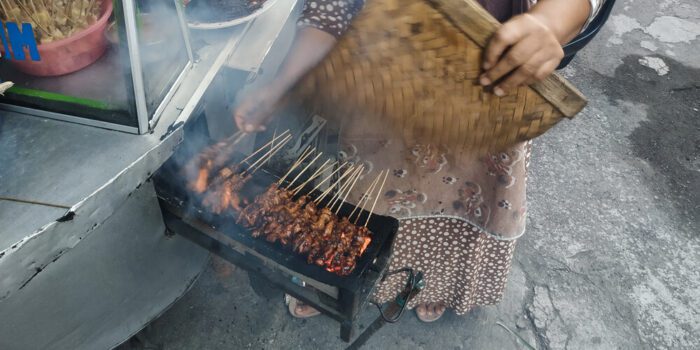
Sate Ayam Madura
Who hasn’t heard of Sate Madura? This grilled chicken skewer dish is popular all over Indonesia. The chicken is skewered with bamboo sticks, grilled over hot charcoal, and served with rice cakes (lontong) and rich, savory peanut sauce.
Bebek Sinjay
One of Madura’s most iconic dishes is Bebek Sinjay—crispy fried duck served with spicy mango sambal. The mix of sour and spicy flavors makes it super refreshing. The famous Bebek Sinjay restaurant is located in Bangkalan, just about an hour from Surabaya, and it’s almost always busy with hungry visitors.
Nasi Bebek Bumbu Hitam
If you love duck dishes, Nasi Bebek Bumbu Hitam is a must-try. This dish is all about the bold, black-colored sauce made from a blend of shallots, garlic, ginger, coriander, tamarind, and toasted grated coconut. Served with warm rice and spicy sambal, it’s packed with flavor and definitely satisfying.
Soto Madura
Soto Madura is a legendary local soup. It has a cloudy yellow broth with a rich flavor from ground candlenuts. It usually comes with glass noodles, shredded cabbage, boiled egg, and chicken or beef.
Lorjuk
For something unique from the sea, try lorjuk—a type of long, thin clam that’s native to Madura. Preparing it is a bit of a process, involving boiling and sun-drying before it can be stir-fried or made into crunchy peyek (crispy crackers). The result is a tasty, salty snack or side dish.
How to Get to Madura Island
Getting to Madura Island usually starts from Surabaya, and the easiest way is by road—crossing the famous Suramadu Bridge that connects the two islands. The drive across takes only about 10 to 30 minutes, depending on traffic. You can go by private vehicle, rental car, or other types of transport.
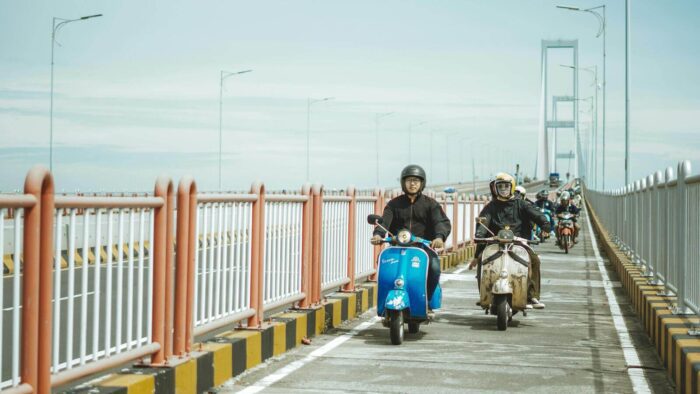
Once you’re on the island, there are two main route options. The southern route follows the main road through the larger towns and is the most practical choice if you want to continue toward Sampang, Pamekasan or Sumenep. The northern route is quieter and more scenic, with coastal views and small beaches along the way, but it makes more sense if you have your own transport and don’t need to rush.
What to do and see in Surabaya? Learn more in our guide Surabaya Travel Guide: Your Gateway to East Java’s Wonders.
Private Car with Driver
For most foreign travelers, hiring a car with a driver from Surabaya is the easiest way to explore Madura. It gives you flexibility, especially if you want to stop at places like Bukit Jaddih, Arosbaya, local food spots or viewpoints along the northern coast.
This option makes the most sense if you want to see more than Bangkalan or avoid dealing with public transport and local transfers.
Backindo Tip: Renting a car without a driver in Surabaya can be tricky for foreign travelers, as many local rentals prefer to include a driver. If you want an easier option, you can book a private car with a driver in Surabaya and use it for city transport or day trips nearby.
Organized Tours from Surabaya
If you only have one day or prefer not to arrange transport yourself, an organized tour from Surabaya can be a practical alternative. This works best for a short visit to western Madura, especially places like Bukit Jaddih, Arosbaya and batik workshops. The downside is less flexibility, so if you want to explore the quieter northern coast or continue toward Sumenep, a private driver is usually a better fit.
Backindo Tip: You can check Madura tours from Surabaya on GetYourGuide if you want a no-planning option.
Renting a Motorbike from Surabaya
Renting a motorbike can be a budget-friendly option if you’re an experienced rider. Motorbikes are allowed on the Suramadu Bridge and have their own separated lane.
However, the wind over the Madura Strait can be strong, and the lane is not very wide. Only choose this option if you’re confident riding in Indonesian traffic and have the correct license and insurance.
Public Transportation
Public transport is most useful for Bangkalan or the main southern route.
Since late 2024, the Trans Jatim Cakraningrat bus has connected Purabaya Terminal in Surabaya with Cakraningrat Terminal in Bangkalan. The fare is around IDR 5,000, and buses operate daily from morning until evening.

From Cakraningrat Terminal, you can walk to the Cakraningrat Museum, about 800 meters away, or continue by local transport. Bangkalan is also a good place to try Bebek Sinjay or Sate Madura.
For Sampang, Pamekasan or Sumenep, take an intercity bus from Purabaya Terminal. One option is the Akas N1 bus, with fares usually around IDR 55,000. You can normally pay in cash at the terminal, but travel time can be longer if the bus waits for more passengers.
Taxi or Online Transport
For a quick trip from Surabaya to Bangkalan, you can try a taxi, Grab or Gojek. This can work if you only want to cross to Madura for lunch or a short visit.
It’s more expensive than public transport, and not every driver will accept a cross-island trip, so you may need to try more than once.
How to Get Around Madura
Getting around Madura is fairly manageable in the main towns, but transport becomes more limited once you head toward beaches, limestone hills or smaller villages.
In Bangkalan, you’ll find some local public transport, including the Trans Madura bus, which connects Kamal Terminal near the ferry port with Cakraningrat Terminal via the IKM center. In other towns, angkot and small local buses may be available, but they are not always practical for travelers who want to visit specific sights.
For short distances, online motorbike taxis are available in some areas, especially around Bangkalan and Sumenep. They can be useful for getting around town, but don’t rely on them for remote coastal spots.
If you want to explore Madura more freely, renting a motorbike is usually the easiest option once you’re on the island. Prices often start from around IDR 70,000 per day. This works best if you’re comfortable riding in Indonesia and want to stop at places that are difficult to reach by public transport.
Where to Stay in Madura
Not done exploring Madura? No worries—you can definitely stay overnight on the island. Areas like Pamekasan and Sumenep offer several accommodation options for travelers. Here are a few recommended places to stay in Madura:
Backindo Tip: Since Madura is still under the radar for most international travelers, you won’t find many accommodations on Booking.com or Agoda. For a wider selection, try browsing options on Traveloka.
de BAGHRAF by Amithya – Sumenep
This 3-star hotel is located in a strategic spot, just a short walk from Sumenep’s main square (alun-alun). The hotel also features a cozy restaurant and swimming pool, making it a great choice for a relaxing stay.
El Malik Hotel – Sumenep
If you’re looking for a more budget-friendly option, El Malik Hotel is a solid alternative on Booking.com. It’s located close to the city center, and rooms even come with a small terrace outside each room.
Odaita Hotel – Pamekasan
Located in Pademawu, Odaita Hotel is a 3-star property with a garden, shared lounge, and outdoor terrace. You’ll also find a restaurant and swimming pool on-site.
Best Time to Visit Madura
Madura can be visited all year round, but the best time depends on what you want to experience. If you’re interested in cultural events, try to visit around July to August, when traditions like Petik Laut and Karapan Sapi are often held. Karapan Sapi events are also commonly organized around Indonesia’s Independence Day celebrations in August, although the exact schedule can vary by region.
For beaches and island hopping, the dry season from May to October is usually the better time to visit. The weather is generally more stable, and the sea is often calmer, which makes boat trips to small islands around Sumenep and other coastal areas easier to plan.
Safety in Madura
You might hear some Javanese people say Madura isn’t safe—this impression comes from the island’s rougher reputation in the past. Things have changed a lot in recent years, and today Madura is generally safe for travelers, especially if you stick to well-known areas and act respectfully.
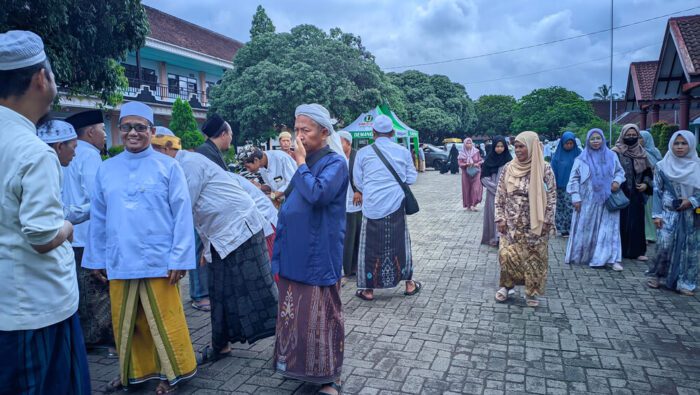
That said, it’s still a deeply religious and conservative island. Women should dress modestly—covering shoulders and knees is a good rule of thumb. Public displays of affection between couples are also frowned upon, so keep things low-key.
While violent crime is rare, it’s wise to avoid walking around alone at night, especially female solo travelers. Not because it’s dangerous per se, but because you’ll stand out, and it may cause unnecessary attention or discomfort.
Is Madura Worth Visiting?
Madura is worth visiting if you have extra time in Surabaya or want to see a part of East Java that feels culturally different from the usual Java route. It works especially well for travelers interested in local food, coastal roads, salt fields, Islamic heritage, limestone landscapes and places that are still mostly visited by Indonesian travelers.
It is not the easiest island to explore without your own transport, and some sights are quite spread out. If you only have half a day, focus on Bangkalan and the western part of Madura. If you want to reach Sumenep, Gili Iyang or Gili Labak, plan at least one or two nights on the island.
Continue reading:
- Surabaya Travel Guide: Your Gateway to East Java’s Wonders
- Mount Bromo Without a Tour: Guide for Independent Travelers
- Tumpak Sewu Waterfall: Complete Guide, Hike, Entrance Fees & Tips
- Madakaripura Waterfall: Guide to Java’s Highest Waterfall
- Malang Travel Guide: The Paradise of Tourism in East Java