
Waikabubak is the main inland town of West Sumba and one of the most practical bases for exploring traditional villages, nearby waterfalls, and the southern coast. It is not Sumba’s most polished destination, but that is also part of why it feels real.
If you are searching for what to do in Waikabubak, the short answer is this: stay here for access, local atmosphere, and day trips rather than for a long list of big-ticket attractions inside town itself.
Why Visit Waikabubak
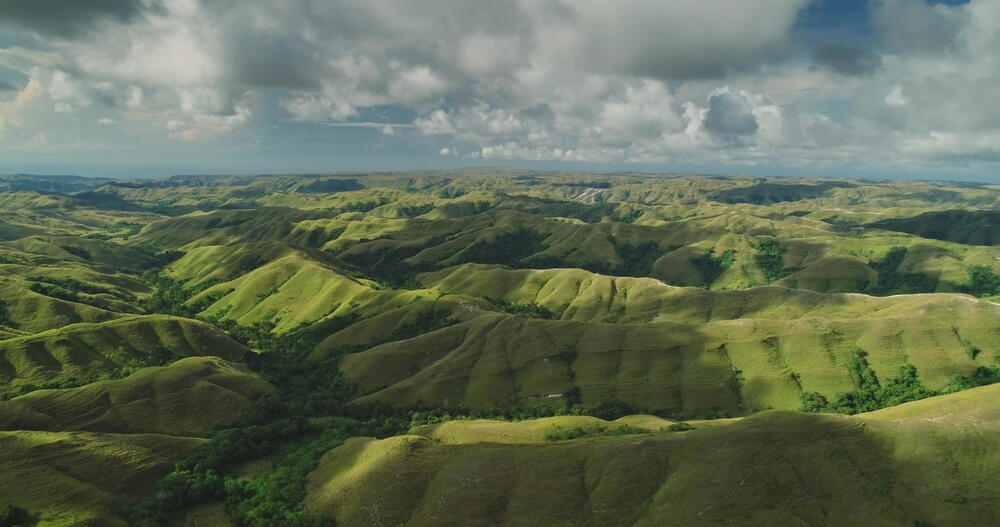
Waikabubak sits in the hills of West Sumba and feels very different from beach-focused parts of the island. You will see traditional villages, megalithic tombs, roadside markets, betel-chewing locals, and a pace of life that still feels distinctly local.
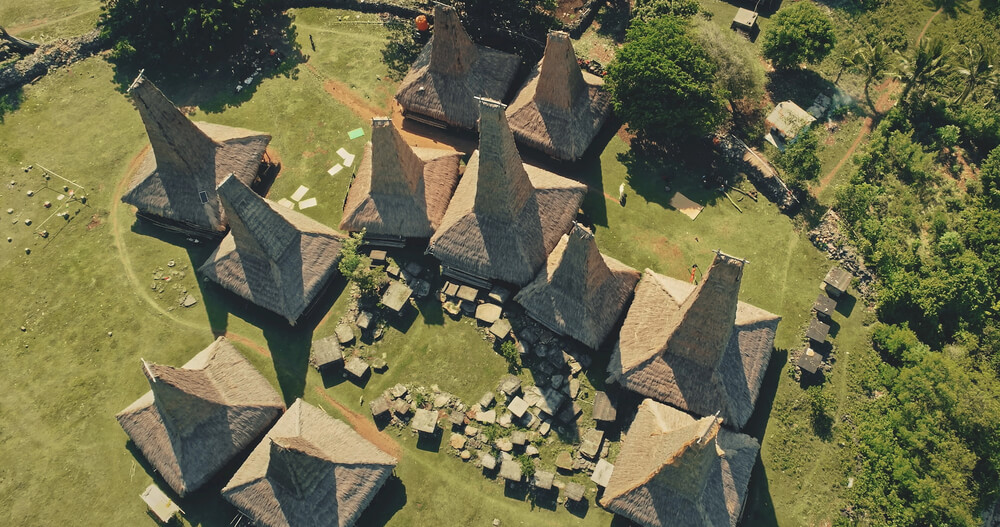
From a practical perspective, Waikabubak is also useful because it gives you access to traditional villages, Pasola areas, hill landscapes, and the south coast, while still offering basic accommodation, transport options, and everyday services.
What to See in Waikabubak and Nearby
Tarung-Waitabar and Bodo Ede Villages
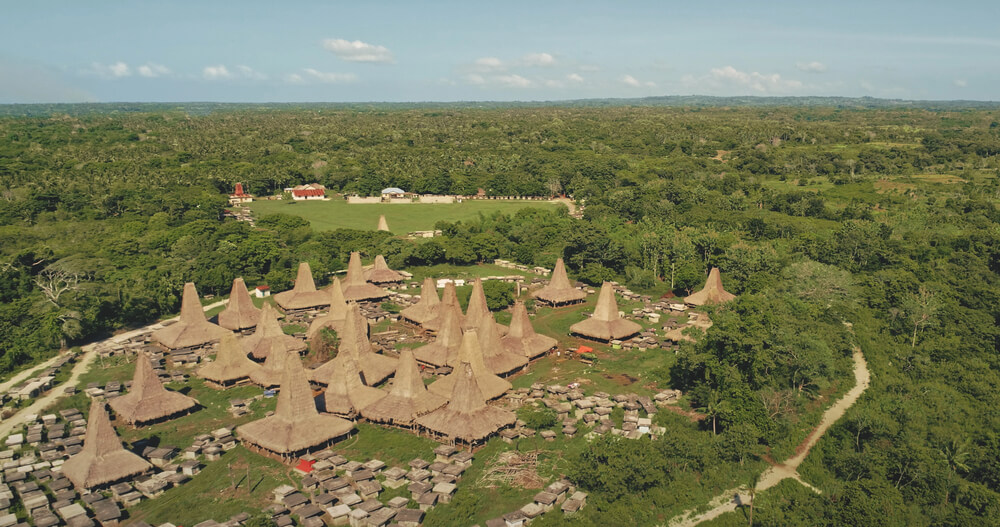
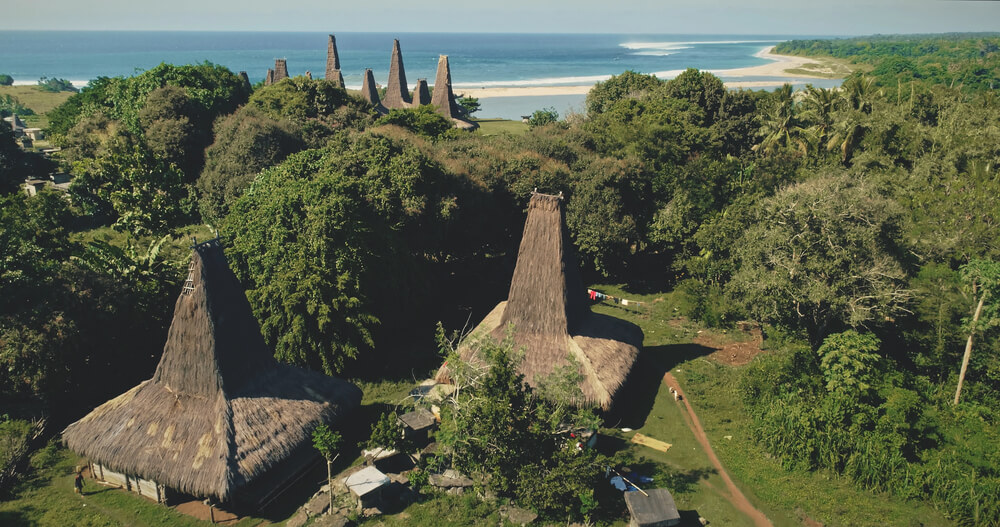
One of the easiest reasons to stay in Waikabubak is the access to traditional villages close to town. Tarung-Waitabar and Bodo Ede can be reached with little effort and offer a first look at tall traditional houses, megalithic tombs, and everyday village life.
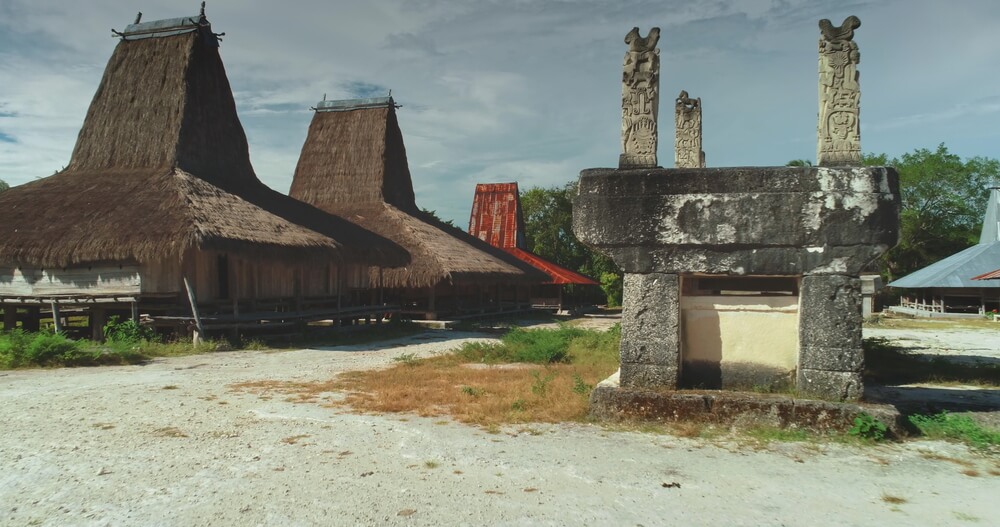
These are not museum-style attractions. People still live here, and visitors are expected to behave respectfully. Usually you sign a guestbook and leave a small voluntary donation. If you want a broader overview of similar places, read Traditional Villages in Sumba.
Prai Ijing
Prai Ijing is one of the best-known villages near Waikabubak and is somewhat more used to visitors than smaller villages in the hills. You may see woven textiles, traditional houses, and panoramic views over the surrounding area.
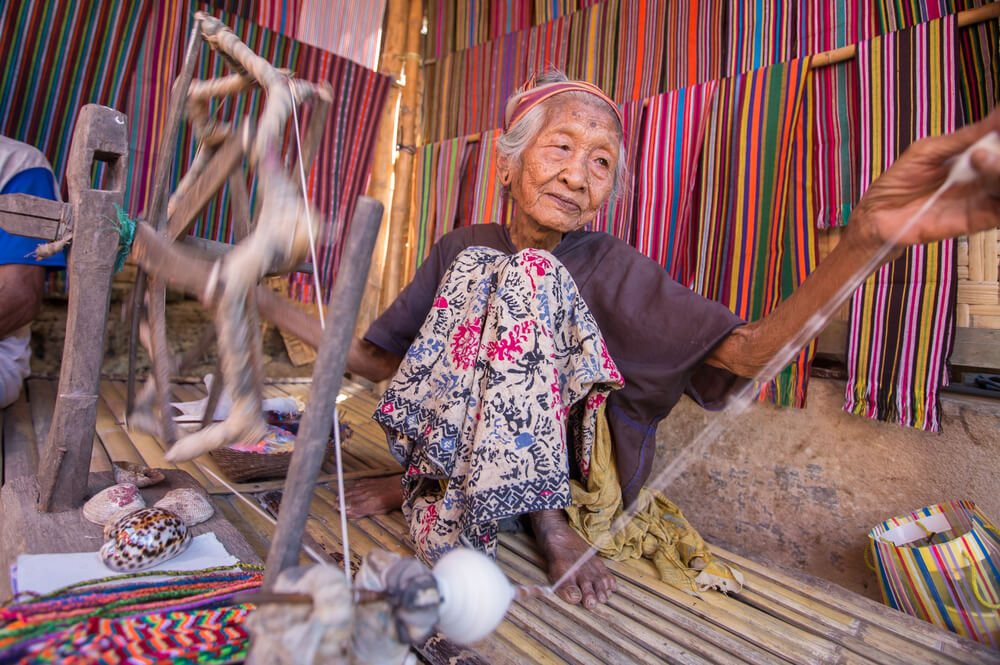
It is a convenient stop if you want an easier introduction to village life in West Sumba. If you are especially interested in textiles, continue with Traditional Ikat Weaving in Sumba.
Pasar Baru Market
Pasar Baru is worth visiting in the morning if you want to see everyday town life. You will find produce, dried fish, live chickens, betel nut, household supplies, and sometimes local textiles. It is not a polished market for tourists, but that is exactly why it feels useful and real.
Backindo Tip: Betel nut is still part of local hospitality in many parts of Sumba. Bringing some when visiting villages can be a simple and appreciated gesture.
Lapopu Waterfall
Lapopu Waterfall is one of the better-known nature trips from Waikabubak and sits inside Manupeu Tanah Daru National Park. It is a good option if you want a straightforward waterfall visit without going too far from town.
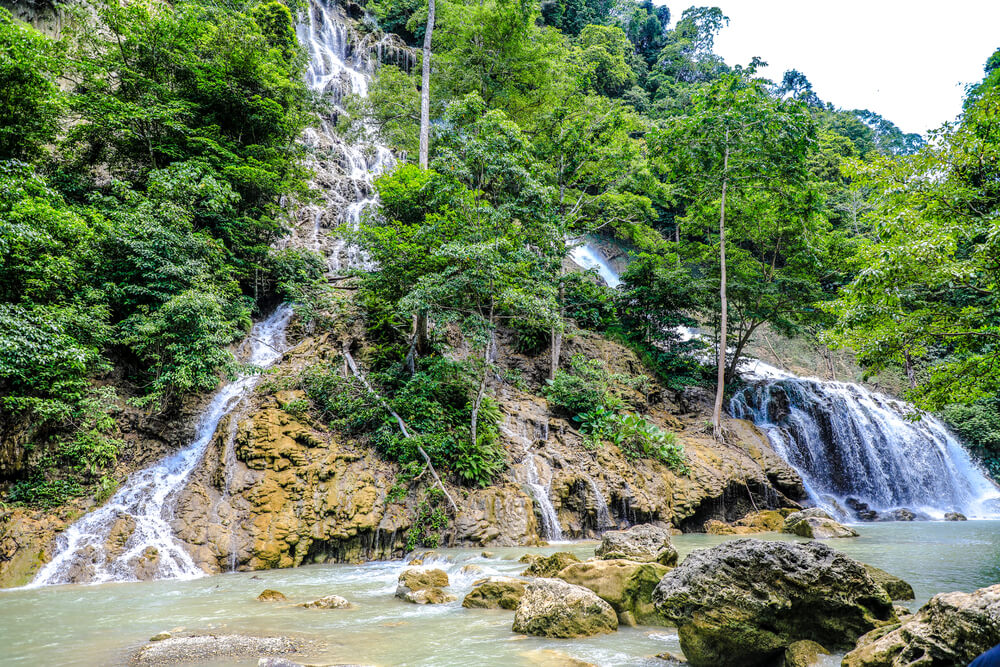
The main downside is cost: entrance and guide fees can add up, so budget travelers may want to compare it with smaller nearby spots first.
Matayangu Waterfall
Matayangu Waterfall is a more effort-heavy trip inside the same national park. The setting is beautiful, but the trail can be steep and uneven, so this is better for travelers who do not mind a more active outing.
Bring good shoes, enough water, and mosquito repellent. For general health planning, see Dengue Fever in Indonesia: Essential Tips for Safe Travel.
South Coast Beaches
Even though Waikabubak is inland, several beaches on the south coast of West Sumba can be reached in under an hour or a bit more depending on the road and your transport.
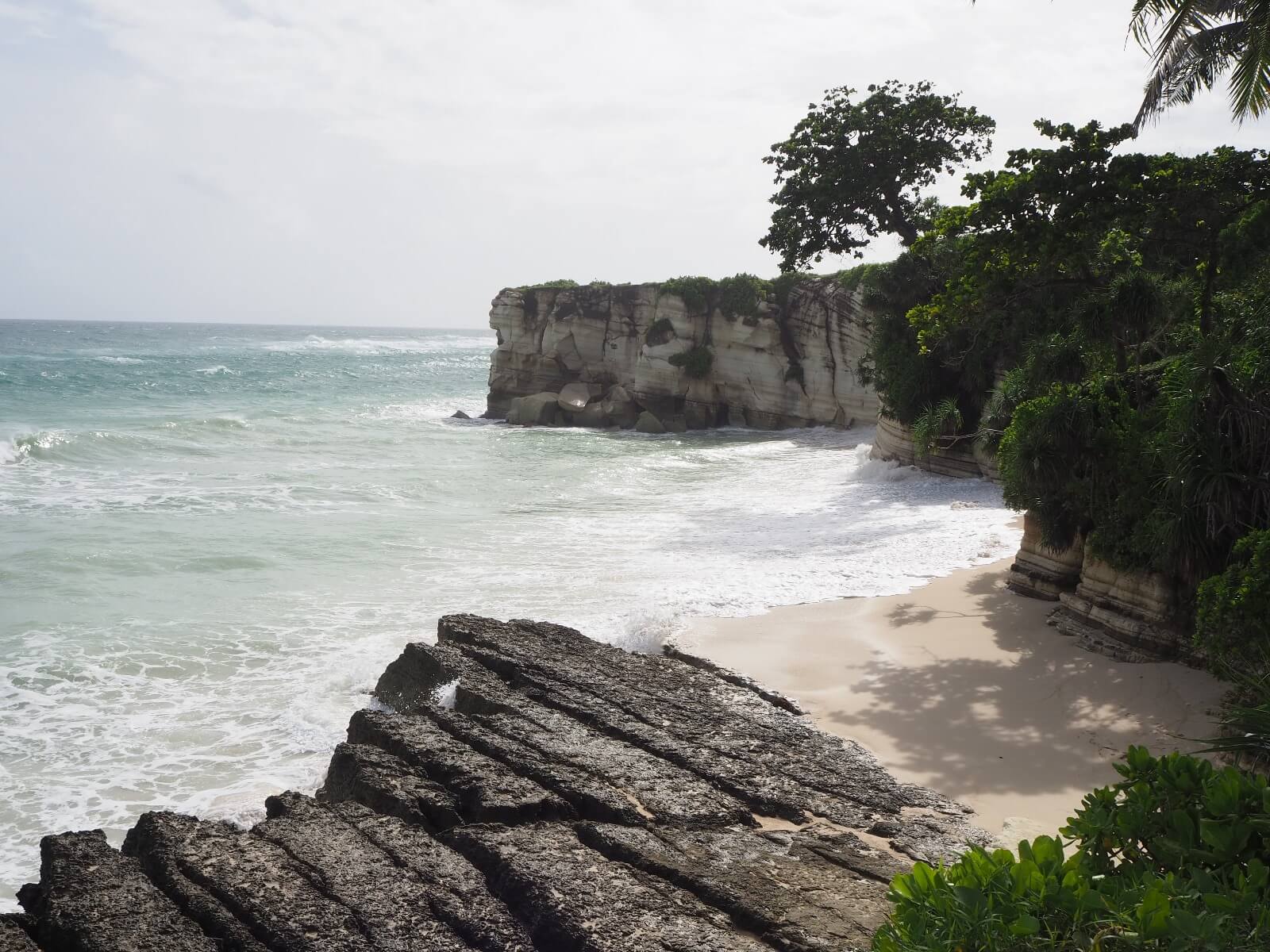
- Watu Bella is dramatic, wild, and best known for cliffs and surf rather than easy swimming.
- Kerewei is a surf-oriented beach with a few places to stay and relax.
- Marosi is known for its long beach and free-roaming horses.
- Marangaba feels quieter and more local.
- Wanokaka is best known in connection with Pasola.
If beaches are your main focus, you may also want to compare this area with Southwest Sumba.
More Traditional Villages Around Waikabubak
Villages such as Prai Goli, Wee Lewo, and Wei Galli can offer a quieter and often more rewarding experience than the best-known stops, especially if you go with someone local who can make introductions.
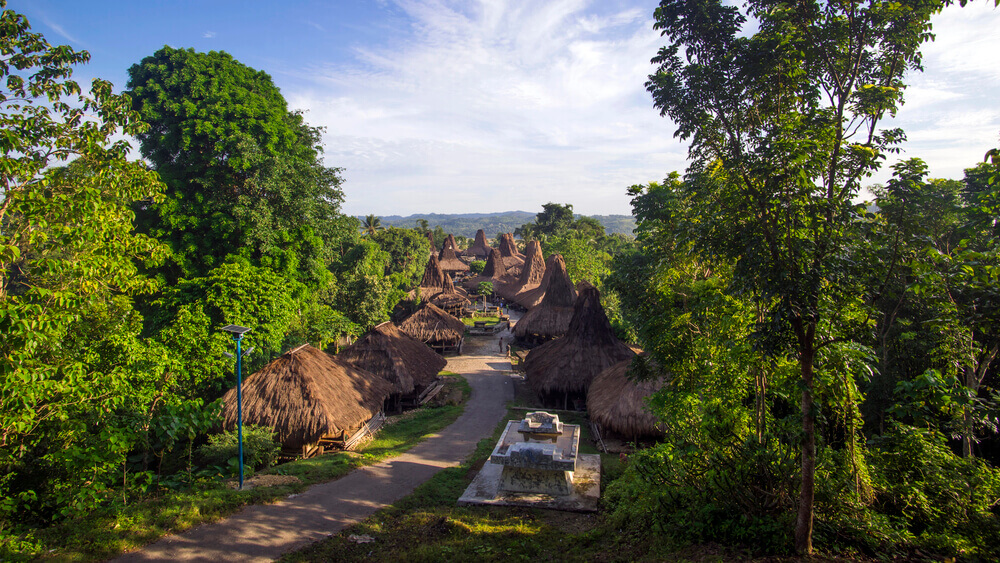
These are living communities, not open-air museums. Dress modestly, do not assume photo permission, and expect limited English. A local guide can make a major difference here.
Looking for a reliable guide in Sumba? Write to hello@backindo.com and we can connect you with trusted local contacts.
Waikelo Sawah and Wee Kacura Waterfall
Waikelo Sawah and Wee Kacura Waterfall make a good combined day trip if you want a softer nature day with rice fields, water, and a less hectic atmosphere than some of the more talked-about stops.
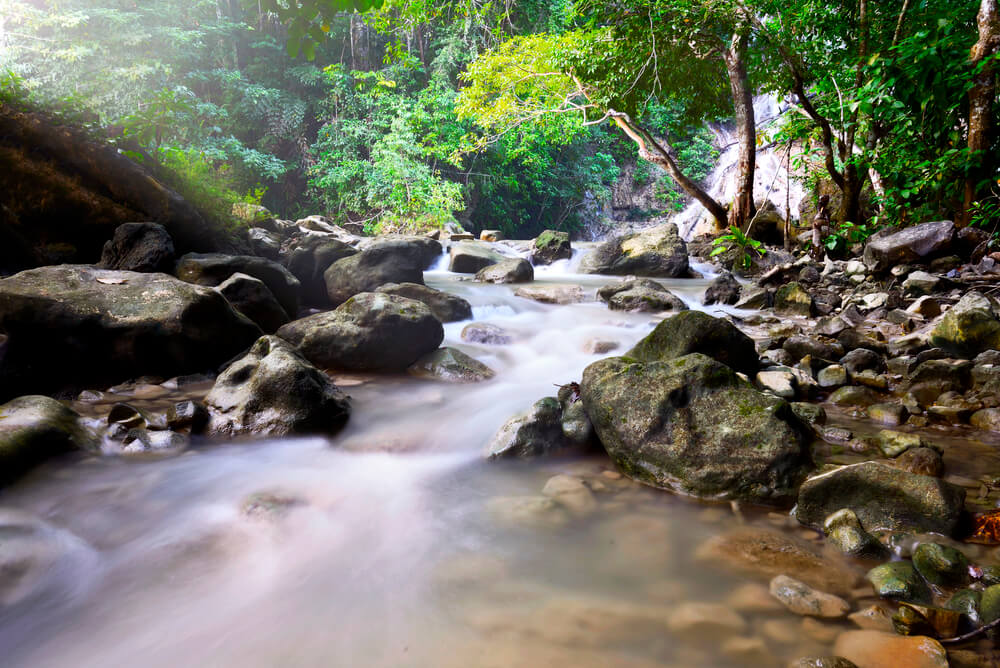
Swimming conditions can vary, so it is worth checking current local advice rather than assuming a place is safe just because it looks calm in photos.
Gollu Potto
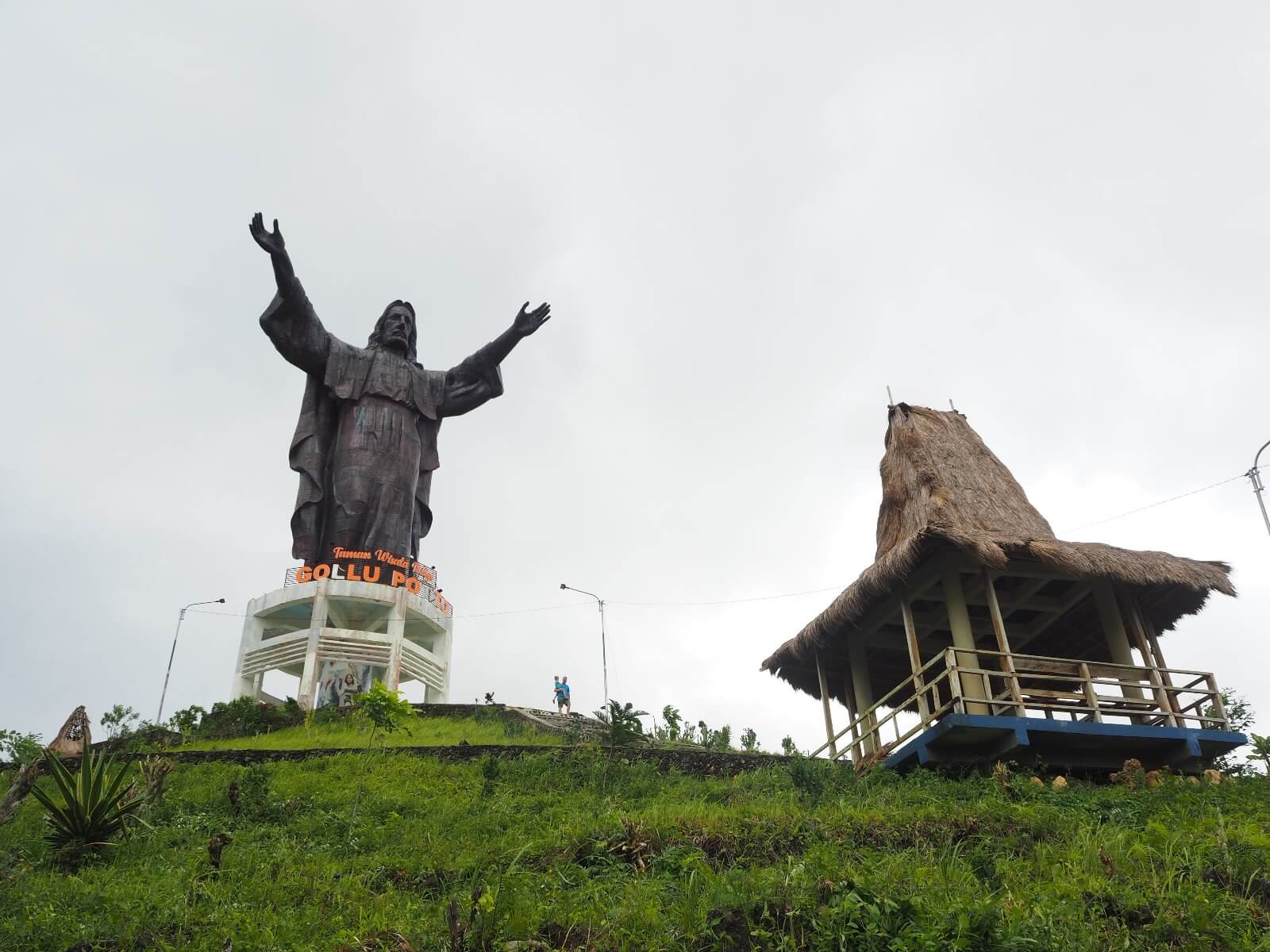
Gollu Potto is an easy short outing overlooking town. Besides the view, it is interesting because it reflects the layered religious life of Sumba, where Christianity and older local traditions often exist side by side.
Pasola Season
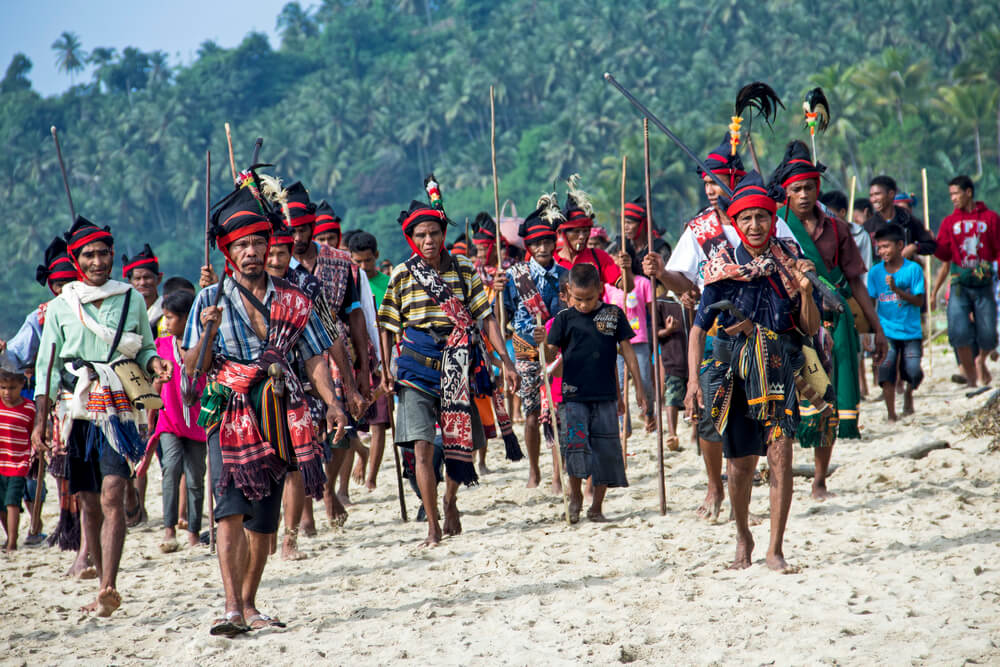
If you visit in February or March, Waikabubak can also work as a base for reaching Pasola locations such as Wanokaka or Lamboya. Timing is never something you should plan too rigidly around from abroad. Even when dates are announced, local confirmation still matters.
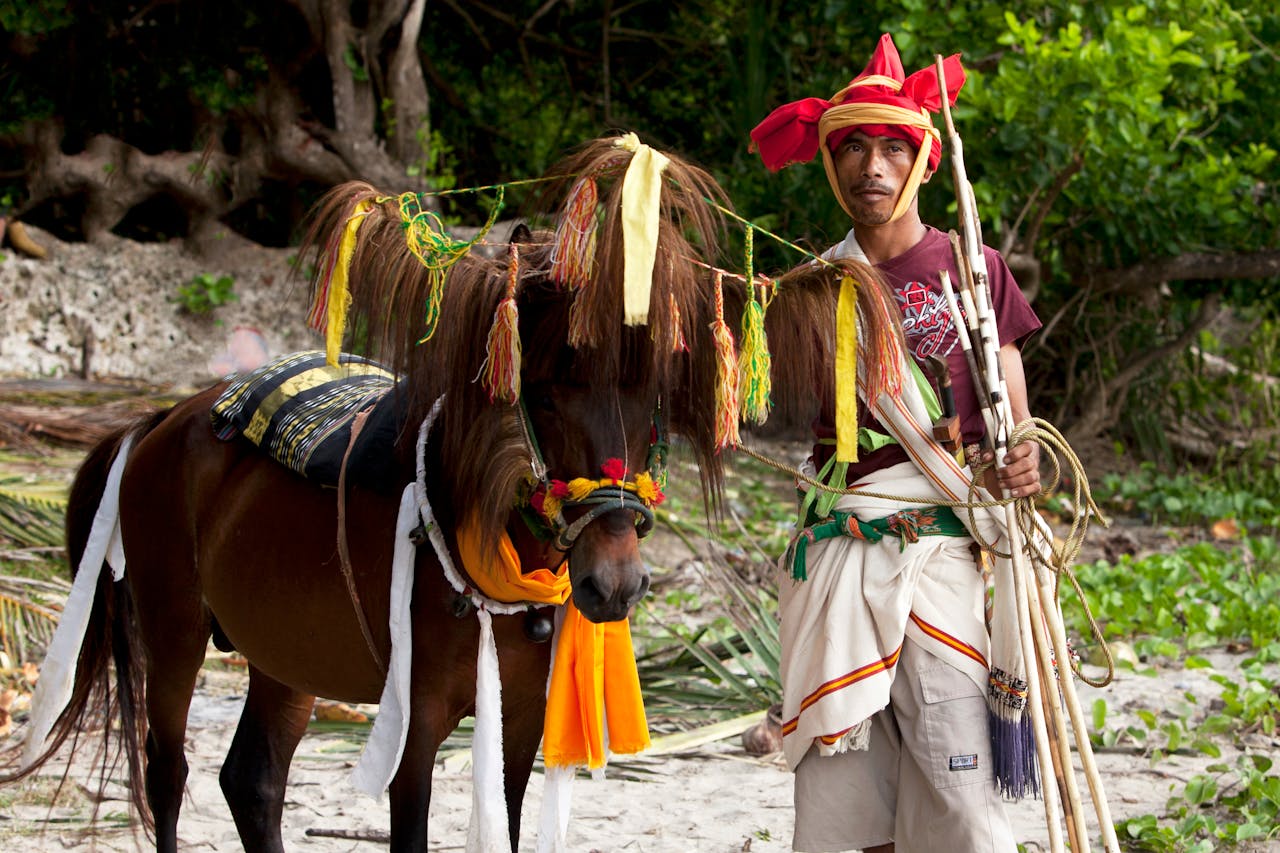
For the full context, dates, and visitor advice, continue with Pasola Festival in Sumba.
How to Get to Waikabubak
The easiest route is usually through Tambolaka Airport. From there, you continue overland to Waikabubak. You can use a taxi, local transport, or your own scooter depending on your comfort level and schedule.
You can also come from Waingapu in East Sumba. Shared cars and buses run between the two areas, and the journey usually takes around three to four hours.
Planning wider logistics first? Read How to Get to Sumba: Flights and Ferries and How to Get From Bali to Sumba.
Best Time to Visit Waikabubak
For most travelers, the dry season from June to September is the easiest time to explore Waikabubak and the surrounding area. Roads are more predictable, and day trips are simpler to organize.
If Pasola is your priority, then February or March may be more relevant, but that comes with more uncertainty and a stronger need for flexibility.
Getting Around
Inside town, Waikabubak is easy enough to explore on foot. For villages, waterfalls, or the south coast, you will usually want either a scooter or a car with driver.
Road conditions vary, and animals on the road are normal in rural Sumba. If you are not used to that kind of driving, a driver may be the less stressful option.
For driving realities, read Renting a Motorbike in Sumba: All You Need to Know.
Where to Stay in Waikabubak
Most accommodations in town are simple homestays—basic but cozy, and perfect for travelers on a budget or those looking for a more local experience. Two good options are Morika Inn and Shekinah Homestay.
If you want more comfort, head south toward the coast, where you will find several higher-end resorts and hotels with sea views. Popular choices include Rua Beach Resort, Sumba Nautil Resort, and Bobocabin Umarato. For luxury stays, look into Lelewatu Resort, Umarato Villa Sumba, or The Sanubari. This area is also home to NIHI Sumba.
What to Eat
Food in Waikabubak is usually straightforward rather than destination-worthy, but local meals can still be satisfying. Grilled fish, sambal, cassava, corn-based dishes, and strong sweet coffee are common things to look for.
For simple local meals, start with warungs near the center rather than expecting a big restaurant scene.
Where to Go Next
Waikabubak works well as a bridge between West and Southwest Sumba. From here, you can continue toward Southwest Sumba, move east toward Waingapu, or dive deeper into the island’s cultural side through Sumba Cultural Events.
Final Thoughts
Waikabubak is not the kind of place travelers usually fall in love with because of polished cafes or famous landmarks. It is more useful than glamorous. But if you want a realistic base for exploring West Sumba, especially traditional villages and nearby cultural landscapes, it does the job well.
Continue reading: