
Waingapu is the main town and transport hub of East Sumba. For many travelers, it is the first stop on the island and one of the easiest bases for exploring savannah landscapes, beaches, traditional villages, and waterfalls in the east.
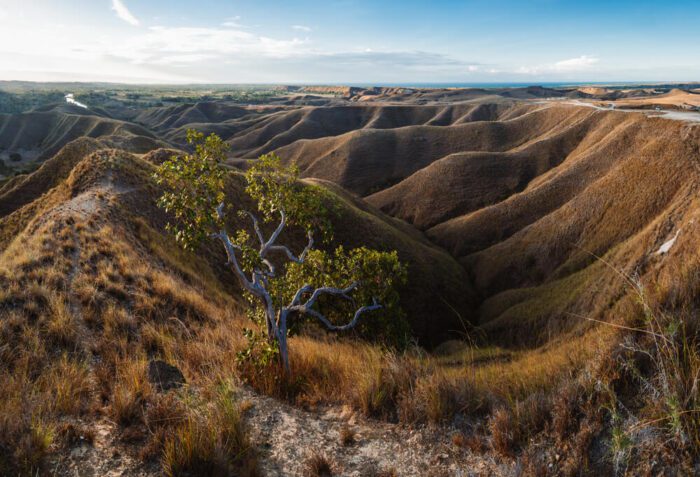
If you are searching for what to do in Waingapu, the answer is partly in town and mostly around it. Waingapu itself is useful, busy, and practical. The bigger highlights are usually the day trips: hills, beaches, villages, and waterfalls in the surrounding part of East Sumba.
Why Visit Waingapu
Waingapu works well as a base because it combines airport access, accommodation, food, transport, and everyday services with quick access to some of East Sumba’s best-known places. It is easier to organize things here than in many smaller parts of the island.
It also gives you a good feel for the difference between East and West Sumba. Compared with the greener and hillier west, East Sumba feels more open, drier, and broader, with long savannah views, grazing animals, and more distance between places.

What to Do in Waingapu and Nearby
Pasar Inpres Market
Pasar Inpres is a useful morning stop if you want to see everyday town life rather than only tourist-facing places. You will find produce, herbs, fish, spices, betel nut, and sometimes woven textiles or ceremonial items.

If you are heading to villages later, this can also be a practical place to buy small gifts such as betel nut or snacks. For a deeper look at local weaving, continue with Traditional Ikat Weaving in Sumba.
Kambaniru Dam
Kambaniru Dam is an easy outing near town if you want a short ride and a quiet landscape break. The nearby hills and valley views make it more about atmosphere than about a major landmark.

If you want to combine the area with a break or overnight stay, Morinda Villa and Resto is one option nearby.
Puru Kambera Savannah and Beach
Puru Kambera is one of the classic East Sumba combinations: open savannah and a long quiet beach in the same outing. It is especially photogenic in the dry season, when the grasses turn golden and animals move freely through the landscape.
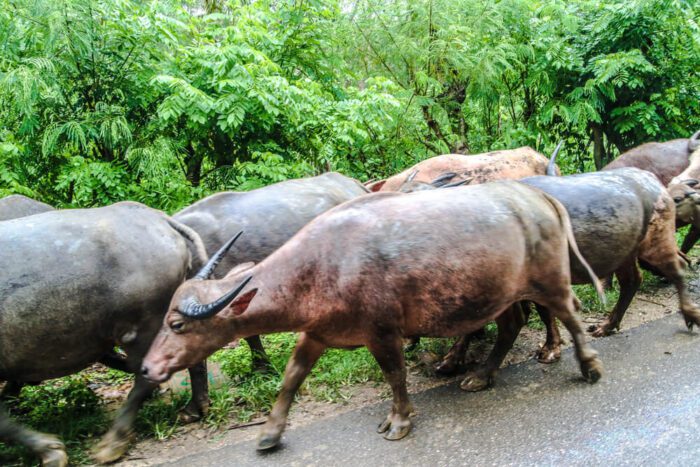
Puru Kambera Beach itself is simple and undeveloped. That is part of the appeal, but it also means you should bring your own water and snacks.
Tanggedu Waterfall
Tanggedu Waterfall is one of the best-known nature trips from Waingapu. It is often described as a small “Sumba Grand Canyon” because of its narrow rocky setting and emerald water.
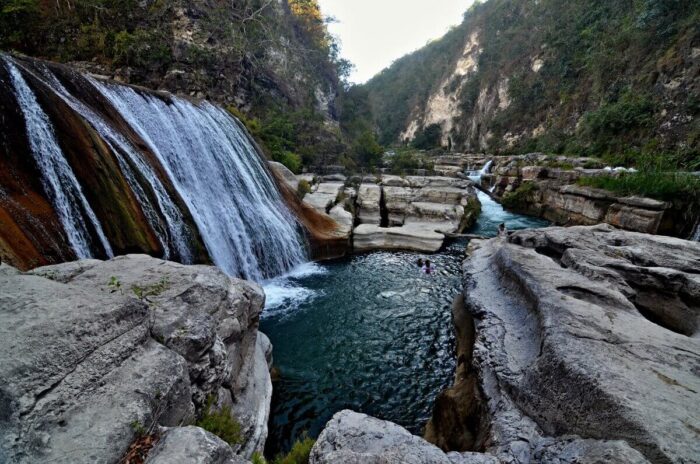
The drive is long enough that this works better as a planned day trip than as a casual stop. Road conditions can also vary, so current local advice is worth checking before you go.
Wairinding Hills
Wairinding Hills are one of the most photographed landscapes in East Sumba. In the rainy season they are green, while in the dry season they turn golden. Sunrise and late afternoon are usually the best times to visit.
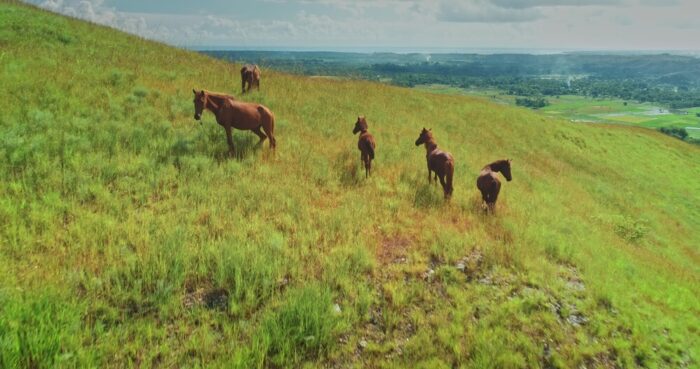
If you want a full guide just for this stop, see Wairinding Hills in East Sumba.
Persaudaraan Hill
Persaudaraan Hill is a quick and easy viewpoint near the airport. It is not a major destination, but it works well if you want a short detour without committing to a long outing.
Walakiri Beach
Walakiri Beach is one of the easiest beaches to reach from Waingapu and one of the better-known ones in East Sumba. It is especially popular for the mangrove silhouettes at low tide and around sunset.

Unlike many remote Sumba beaches, Walakiri usually has at least basic visitor facilities. For more detail, read Walakiri Beach.
Traditional Villages
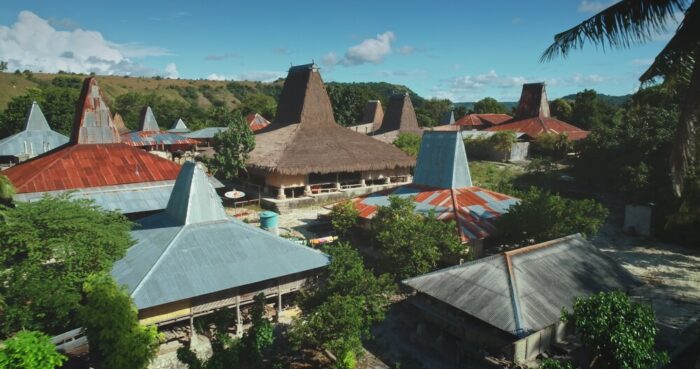
East Sumba also has several traditional villages where you can see megalithic tombs, local architecture, and living community space. Around Waingapu, the most commonly mentioned examples include Raja Prailiu, Praiyawang, and Wunga.
Some are easier to visit than others, and the experience can vary a lot depending on whether you go alone or with someone who can explain the local context. If your focus is tradition rather than just sightseeing, it also helps to read Marapu in Sumba and Traditional Villages in Sumba.
Traditional Horse Racing
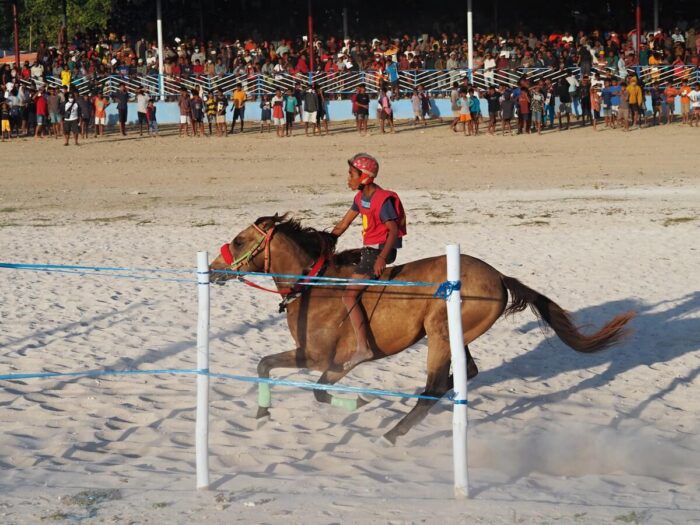
Traditional horse racing is one of the cultural events you may be lucky enough to catch in East Sumba, usually around the start or end of the dry season. In Waingapu, there is even a dedicated race track, which makes this easier to access than in some other parts of the island.
If local culture is your focus, also see Sumba Cultural Events.
Off-the-Map Waterfalls
East Sumba has several lesser-known waterfalls that are more about adventure and local logistics than easy sightseeing. Names travelers often hear include Waimarang, Lakolat, Tandula Jangga, and Hirumanu.
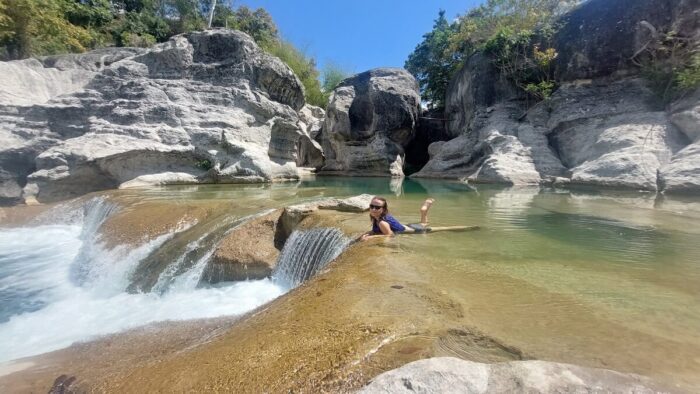
These are best for travelers who have time, flexibility, and either a stronger motorbike or a local driver. They can be rewarding, but they are not the easiest first-day outings from town.
How to Get to Waingapu
Waingapu is served by Umbu Mehang Kunda Airport (WGP), which is the main airport in East Sumba. Most travelers arrive by domestic flight, often from Bali.
For airport logistics, read How to Get from Waingapu Airport, East Sumba.
Waingapu also has a seaport and overland connections to other parts of Sumba. If you are comparing routes, start with How to Get to Sumba: Flights and Ferries and How to Get From Bali to Sumba.

Overland, Waingapu is connected with Waikabubak and the western side of the island by shared cars and buses. The trip usually takes around three to four hours.
Best Time to Visit Waingapu
The dry season from May to mid-October is usually the easiest time to travel in East Sumba. Roads are easier, day trips are more predictable, and this is also the season when the landscape often turns golden.
If you prefer greener scenery, the end of the rainy season can be more visually rewarding, but travel can also be less predictable.

Getting Around
Waingapu is walkable enough in the center, but you will usually need a scooter or driver for beaches, hills, waterfalls, and villages outside town.
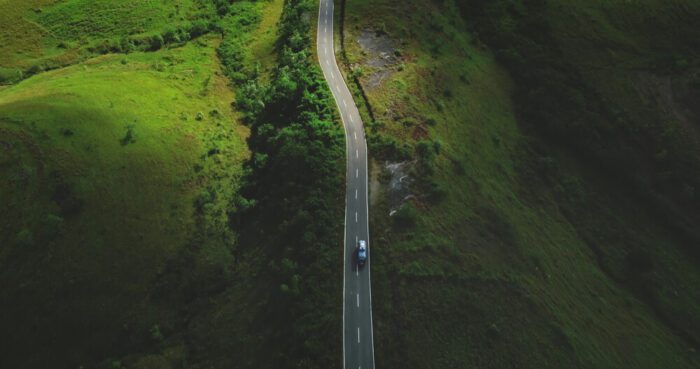
Fuel stations are not everywhere once you leave town, and signal can disappear quickly. Fill up early and download offline maps. If you want a clearer idea of road realities, read Renting a Motorbike in Sumba: All You Need to Know.
Looking for a reliable guide in Sumba? Reach out at hello@backindo.com and we can connect you with trusted local contacts.
Where to Stay in Waingapu
Waingapu has one of the widest accommodation ranges on the island, from simple stays to more comfortable hotels. That is one reason why it works well as a base, especially for first-time visitors.
If you want town convenience, look first at Casa Kandara or Tanto Hotel. For a quieter stay outside the center, compare Morinda Villa, Kambaniru Resort, and Hars Garden Sumba.
What to Eat
Because Waingapu is a port town, grilled fish is one of the easiest local meals to look for, especially around the old harbor. You will also find plenty of simple Indonesian meals in everyday warungs.
Local ginger coffee (kopi jahe) is also worth trying.
Where to Go Next
From Waingapu, you can continue deeper into East Sumba, head toward the beaches and villages in the southeast, or cross the island westward toward Waikabubak and Southwest Sumba.
Final Thoughts
Waingapu is not the island’s most atmospheric place in the romantic sense, but it is one of the most useful. If you want a practical base for exploring East Sumba, with a better range of services and access to strong day trips, it is a solid choice.
What else: