
February in Indonesia falls within the rainy season, but that doesn’t mean it’s a bad time to travel. In fact, the rain often brings a refreshing calm: cooler air, lush green landscapes, fewer tourists, and more affordable prices. It’s a month where the rhythm of life slows down a little. But it’s good to be prepared.

In 2026, February also marks the beginning of the fasting month (Ramadan) for Muslims — a significant time across Indonesia. It’s also a time for celebration in many Chinese-Indonesian communities, with Chinese New Year (Imlek). Alongside these, several cultural events take place across the archipelago, making February not just a scenic month, but a culturally rich one too.
In this guide, we’ll help you explore the best places to visit — and a few you might want to avoid — so you can make the most of your February adventure in Indonesia.
Weather in Indonesia in February
February falls right in the peak of Indonesia’s rainy season. Expect frequent showers in many regions, though the intensity and timing can vary. While some areas — especially in western and central Indonesia — may experience heavy rains, others like parts of eastern Indonesia often enjoy more moderate conditions. The overall temperature remains pleasantly warm but not scorching, with cooler evenings.
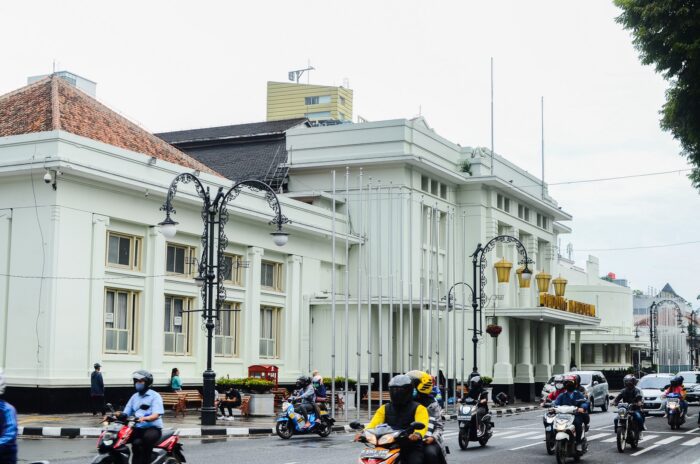
Rain in February usually comes in the afternoon or evening, while mornings tend to be clear and sunny. If you’re planning outdoor activities, it’s definitely worth waking up early to enjoy the best weather of the day before the clouds roll in.
This weather, combined with the slower daytime rhythm of Ramadan, creates a unique atmosphere. During the fasting month, outdoor activity tends to quiet down during the day, with streets and attractions often feeling calmer.
Just keep in mind: as the end of Ramadan approaches, it can become harder to find public transportation, as many people travel home to celebrate with family. Planning ahead will help you avoid any disruptions — and enjoy the beauty of February at your own pace.
Where to Go in February
In February, most cities and islands across Indonesia are open for travel — but since it’s still the rainy season, it’s wise to choose your destinations carefully. Some regions, like parts of Sumatra (especially West and North Sumatra), tend to experience heavier rainfall, so it might be best to skip them this month. Instead, focus your journey on Java, Bali, and the Nusa Tenggara islands, where the weather is often more manageable and the experiences just as rich. As a bonus, February also brings several festive events and cultural celebrations, adding even more color to your trip.

Best Places to Visit in February
February is typically part of the low travel season in Indonesia, it’s a great time to explore urban areas or historical landmarks, especially across Java. Cities like Jakarta, Bandung, Pangandaran, Yogyakarta, Central Java, and East Java offer plenty to see and do without the rush. Whether you’re visiting temples like Borobudur and Prambanan or diving into local arts, museums, and culinary scenes, February can be a wonderful time to experience them more intimately.
Want to discover other temples in Indonesia? Check out our article Best Temples to Visit in Java.

If you’re drawn to nature, you might consider a trip to Baluran National Park in Banyuwangi, East Java. Often called the “Little Africa in Java,” this wildlife conservation area is home to green peacocks, Javan bantengs, and wild deer, all set against a dramatic savanna backdrop. Beach lovers still have good options too — the southern coast of Yogyakarta, the shores of Banyuwangi, and the islands of Bali, Lombok, and Sumba can offer beautiful coastal escapes, especially when timed between the rains.
Backindo Tip: Plan your activities for the morning—February days usually start clear, but rain often rolls in by afternoon. Early starts mean better weather and higher chances to avoid the rain.
Cultural Events to Catch in February
February in Indonesia isn’t just about the scenery — it’s also a month rich in culture and tradition. From vibrant festivals to spiritual ceremonies, the country comes alive in unexpected ways. Here are some standout events you might want to experience:
- Chinese New Year (Imlek) – Celebrated with red lanterns, temple ceremonies, and street festivities. Visit Glodok (Jakarta), Pasar Gede (Surakarta), or Singkawang (West Kalimantan) for the most lively scenes.
- Ramadan Begins – A spiritual time marked by daily fasting for Muslims. Expect quieter days and bustling late afternoons with food stalls selling “takjil” for iftar. Yogyakarta’s traditional Kirab Gunungan parade is a unique local welcome to the holy month.
Wondering how Ramadan affects your trip? Read Guide to Traveling to Java (Indonesia) in Ramadan.
- Pasola Festival (Sumba) – A thrilling ritual war game on horseback, symbolizing fertility and the rice-planting season. Held in various villages in West Sumba and steeped in ancestral tradition.
- Grebeg Sudiro (Surakarta) – A cultural fusion festival that blends Javanese and Chinese heritage. Highlights include a procession featuring a giant “kue keranjang” (sticky rice cake) mountain.
- Hindu Ceremonies (Bali) – February is rich with religious observances in Bali, including temple anniversaries (odalan) and purification rituals. It’s a great time to witness Balinese spirituality in everyday life.
Places to Avoid in February
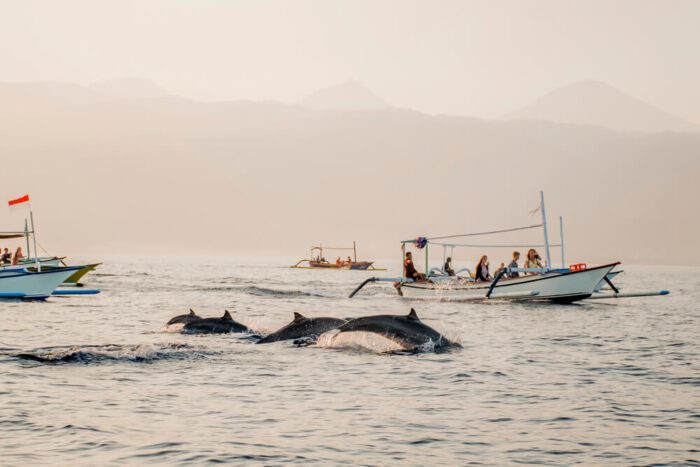
While February has its charms, there are a few destinations and activities you might want to avoid during this month. Island hopping by boat — such as trips to Karimunjawa, the Thousand Islands near Jakarta, or Lovina Beach in North Bali — can be risky, as the seas are often rough due to high waves brought on by the rainy season. Boat schedules may be disrupted, and conditions can change quickly, making crossings less safe and far less enjoyable.
Backindo Tip: Expect rough seas and possible delays on ferry and speedboat routes between Bali, Lombok, and nearby islands.
Hiking in the mountains, especially on more advanced trails like Ijen Crater, is also not ideal during this time. Rain makes the paths slippery, and dense fog can cover the views. If you’re still eager for a highland escape, consider more accessible peaks like Mount Bromo or Mount Telomoyo, which can be reached by vehicle. However, do keep in mind that even these may not offer the clearest panoramas in February, as mist and overcast skies are common.

It’s also wise to avoid river and waterfall destinations during the rainy season. Water currents tend to be stronger, and flash floods can be unpredictable. If you do plan to visit a waterfall, opt for safer viewing platforms, such as the scenic deck overlooking Tumpak Sewu, and always check the weather conditions in advance. If it has been raining heavily, it’s best to postpone the visit.
Lastly, February marks the start of the sacred Kawalu month in the Baduy community in Banten, during which their villages are closed to outsiders until May. If you’re interested in traditional village life, Kampung Naga in West Java offers a wonderful alternative — it’s open to visitors year-round and rich in cultural authenticity.
Is February Worth Visiting Indonesia?
Is February a good time to visit Indonesia? It depends. In 2026, the combination of rainy season and major holidays like Ramadan means it’s not the easiest time to travel. Sure, you can still have a great trip—especially if you’re flexible and focus on cultural experiences or indoor activities—but keep in mind that heavy rain can seriously disrupt plans, particularly if you’re aiming for nature, trekking, or island-hopping.
If you don’t mind adjusting your itinerary and rolling with the weather, February can still offer calm moments, unique cultural experiences, and fewer tourists. But if you’re hoping for more stable conditions, March and beyond generally offer better weather and smoother travel logistics. Either way, pack patience—and a rain jacket.
How about Other Months?
We summarized it all in our other articles: