
If you’re coming to Java to explore temples, Borobudur and Prambanan are probably at the top of your bucket list. But did you know that Java is home to many other temples and each of them is a bit different?
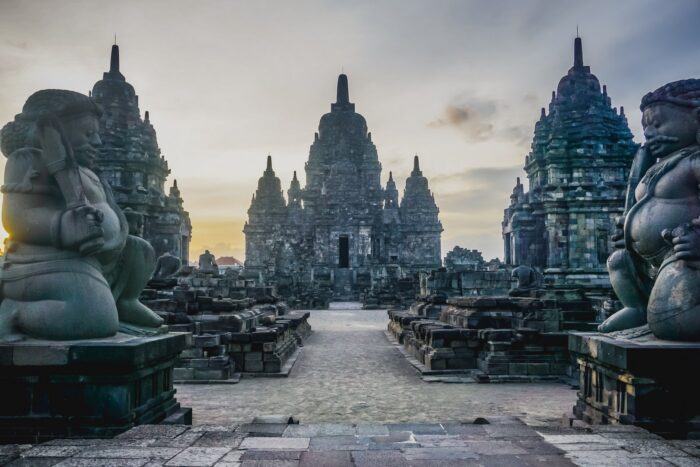
This guide will take you through some of the best temples to visit in Java — and why they deserve a spot on your travel itinerary. So let’s dive in!
Why should you visit temples in Java?
Temples in Java are traces of Indonesia’s rich spiritual and cultural heritage. Built from volcanic stone centuries ago, these temples were once sacred places of worship, especially during the rise of Hinduism and Buddhism across Java and Sumatra in the 4th century. While Hinduism first entered Indonesia through Kutai in Kalimantan, most surviving temples are found in Java, where the religions flourished.

Many temples were buried underground for centuries, hidden by volcanic eruptions, and only rediscovered through archaeological efforts.
Some are still used for rituals today, while others welcome visitors as cultural landmarks. Look closely, and you’ll see intricate carvings that depict ancient life, mythology, and spiritual beliefs.
Best Temples to Visit in Java
Java is home to hundreds of ancient temples, but if you’re wondering which ones truly stand out — we’ve got you covered.
Borobudur Temple – Magelang
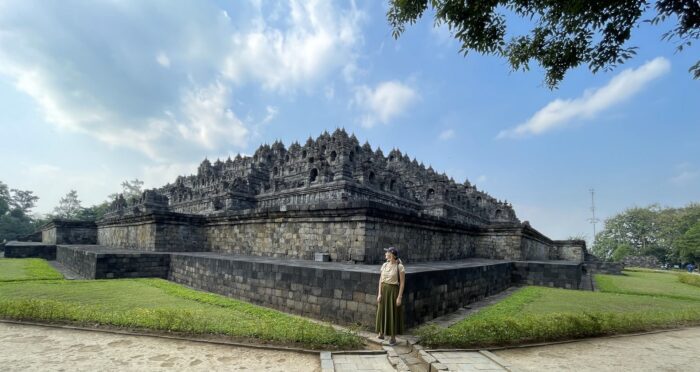
Borobudur is the largest Buddhist temple in the world, located in Magelang, Central Java. Built in the 8th century, it’s famous for its massive stone structure and detailed reliefs that depict Buddhist teachings and daily life in ancient Java. The temple is still used for worship, especially during the annual Waisak celebration, when thousands of lanterns are released into the sky.
If you want to visit Borobudur temple, read our full guide: Borobudur Temple Guide: A Wonder of the World from Indonesia.
Borobudur is located about an hour from Yogyakarta, and there is a bus service that allows you to visit it on your own. Unfortunately, it’s not very flexible, and getting back to Yogyakarta can be a bit tricky.
Another option is to join a tour through platforms like Klook or GetYourGuide, or organize a private driver, which gives you the flexibility to visit other nearby spots, such as Mendut Temple or the Chicken Church.
Backindo Tip: Looking for trustworthy drivers around Java? Just drop us a message at hello@backindo.com — we’ll be happy to share our recommendations!
Prambanan Temple – Yogyakarta
Prambanan is the largest Hindu temple complex in Indonesia, located on the border of Yogyakarta and Central Java. Built in honor of the god Shiva, it features three main temples and is surrounded by many smaller shrines — earning it the nickname “thousand temples.”

Prambanan is also tied to the legendary tale of Roro Jonggrang, a famous Javanese epic. One of its highlights is the Ramayana Ballet performance held regularly in the open-air theatre, making it a unique blend of culture, history, and art.
Read full in our guide: Prambanan Temple Guide: A Majestic Hindu Temple Complex
Ratu Boko Temple – Yogyakarta
Located south of Prambanan, Ratu Boko sits on a hilltop in Yogyakarta and is often surrounded by myths — one of the most famous being that it connects the southern sea (Parangtritis) to Mount Merapi in the north.
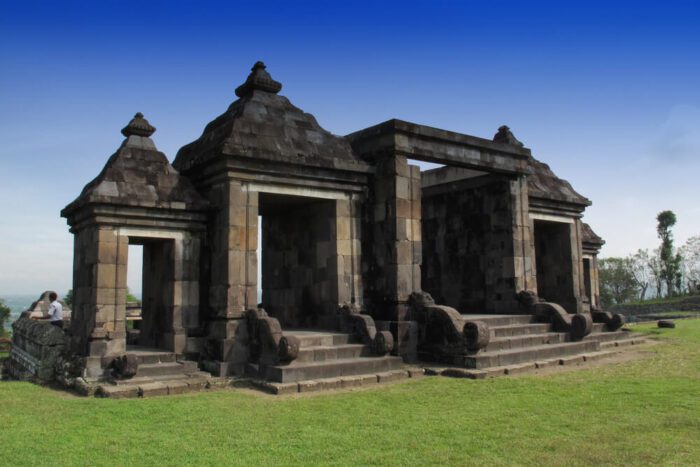
While the legends remain just that, the temple offers one undeniable draw: its stunning sunset views. With open spaces and a panoramic setting, Ratu Boko is often considered one of the best spots in Java to catch the golden hour.
Ijo Temple – Yogyakarta
Not far from Ratu Boko, Ijo Temple is the highest temple in Yogyakarta, sitting at around 400 meters above sea level. Its location on a green hill offers wide open spaces and panoramic views overlooking the city and Mount Merapi. The temple’s peaceful setting, with grassy terraces and clear skies, makes it a great spot to relax and enjoy the scenery from above.
Plaosan Temple – Klaten
Tucked away just north of Prambanan, Plaosan Temple is a quieter gem that’s often missed by the crowds. Its peaceful atmosphere and spacious grounds make it ideal for a relaxed visit. The temple complex is quite large, so if you’re coming during the day, be sure to bring a hat or umbrella — there isn’t much shade around the site.
Selogriyo Temple – Magelang
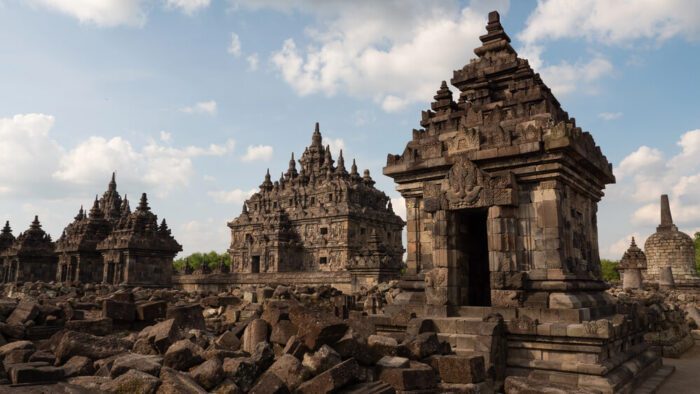
Hidden in the foothills of Mount Sumbing, north of Borobudur in Magelang, Selogriyo Temple is a quiet Hindu temple surrounded by rice fields and mountain views. Its peaceful setting makes it one of Java’s lesser-known gems, perfect for those seeking solitude and nature. If you visit Selogriyo, consider stopping by Nepal van Java — a charming hillside village nearby that resembles the mountain villages of Nepal.
Planning to visit Nepal van Java? Read full in our guide : Nepal van Java: Guide to the Volcano Village.
Gedong Songo Temple
Perched on the slopes of Mount Ungaran in Central Java, Gedong Songo is a Hindu temple complex located about 1,200 meters above sea level — making it one of the highest temple sites in Java. The complex features seven temples open to the public, with rumors of more hidden in the surrounding forest.

Reaching all of them requires a bit of a hike, but the effort pays off, especially in the early morning when the views are at their best. From the top, you can see several majestic peaks like Mount Sindoro, Sumbing, Merapi, and Merbabu, along with Rawa Pening Lake far below.
Curious about Gedong Songo Temple? read our guide Gedong Songo Temple: A Hidden Gem in the Highlands of Semarang.
Arjuna Temple Complex – Dieng
Located in the cool highlands of Dieng, Central Java, the Arjuna Temple Complex is a group of Hindu temples still used today for worship. The site also plays a central role in the annual Dieng Culture Festival, where traditions and local arts come to life.
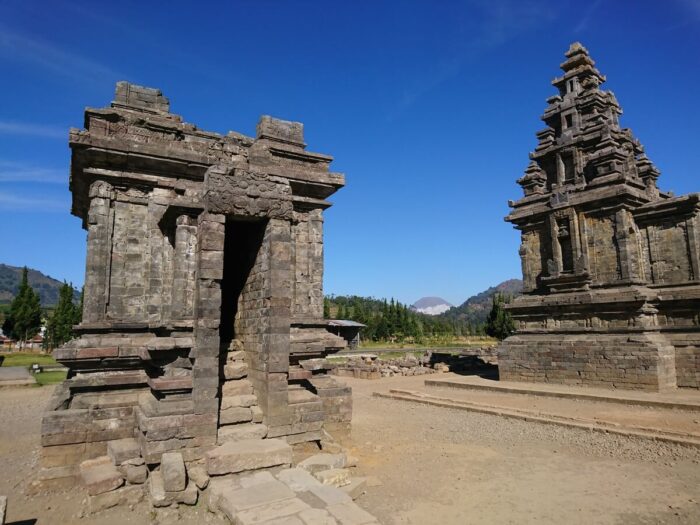
Just in front of the complex is the Kailasa Museum, home to historical carvings and artifacts that offer deeper insight into the region’s ancient heritage.
Read our full guide Dieng Plateau: Top Attractions and Travel Tips
Sukuh Temple – Solo
Perched on the misty slopes of Mount Lawu, Sukuh Temple is unlike any other temple in Java. Its architecture is striking — shaped like a stepped pyramid, more reminiscent of Mayan or Incan structures than traditional Javanese design.

What truly sets Sukuh apart, however, are its bold and unapologetic reliefs depicting scenes from ancient sexual teachings, including elements of the Kama Sutra.
Learn more in Candi Sukuh: An Erotic Temple Near Solo, Central Java
Cetho Temple – Solo
Not far from Sukuh, and even higher up the mountain, you’ll find Cetho Temple — a beautifully terraced Hindu sanctuary that’s still active today, used by local communities for worship. With its dramatic stone gates and quiet atmosphere, Cetho feels like a temple in the clouds.
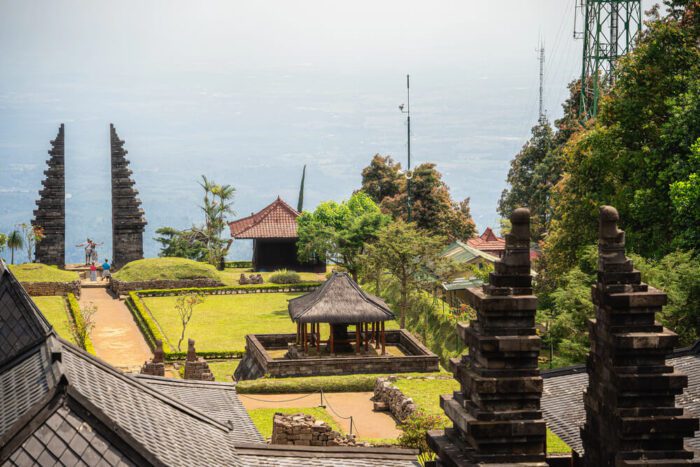
While it also features some symbolic reliefs related to purification and fertility, Cetho is a more refined and ceremonial space compared to Sukuh.
Find out more in Cetho Temple: A Hindu Temple in Solo, Central Java
Temples Around Malang – East Java
Malang, better known for its natural attractions, also has a number of historical temples worth exploring. These temples, such as Jago Temple, Kidal Temple, and Singosari Temple, were built during the time of the Singhasari Kingdom in the 13th century.
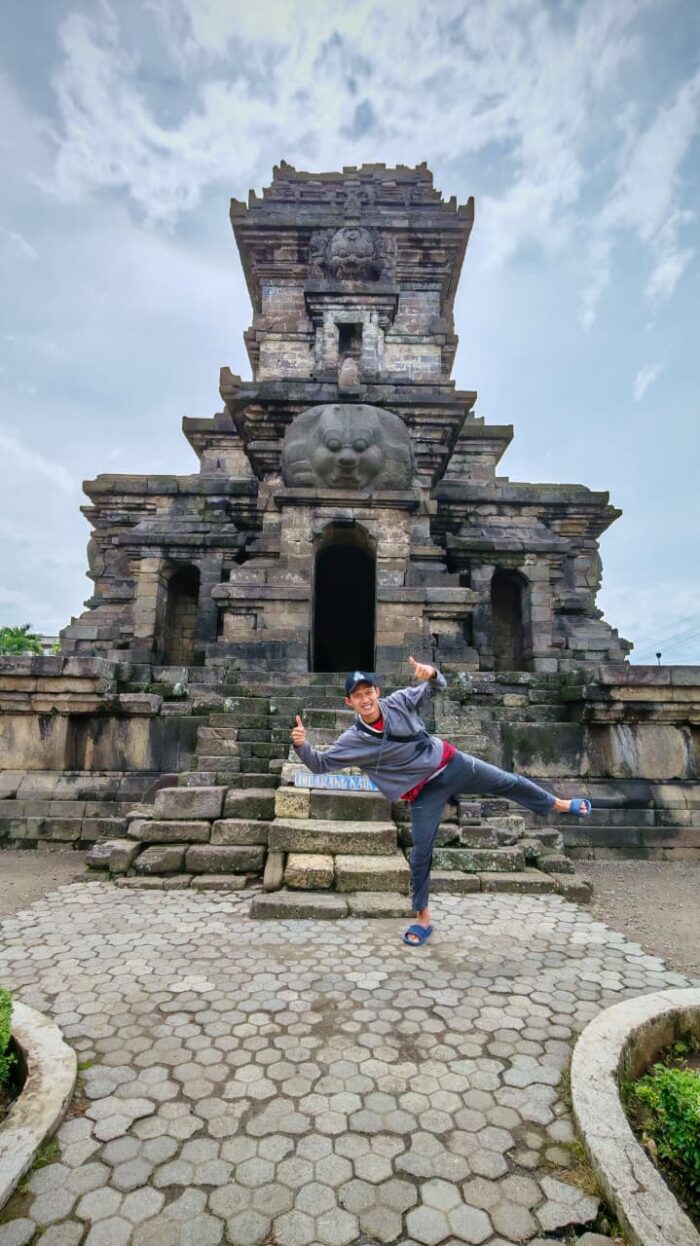
While they’re not as crowded or grand as the temples in Central Java, they offer a quieter and more off-the-beaten-path experience. If you’re already in East Java, visiting these temples adds a meaningful cultural touch to your trip.
Learn more in our guide Malang Travel Guide: The Paradise of Tourism in East Java
Tips for Visiting Temples in Indonesia
Start with the big names, but don’t stop there. Ask locals about hidden temples near where you stay — you might stumble upon a peaceful sanctuary with no crowds, just birdsong and ancient stones.
And remember: when visiting, dress respectfully: cover your shoulders and knees, and wear modest clothing. Some temples — especially active Hindu sites — may have additional rules, such as restricting entry during menstruation, so it’s always best to ask or observe local signs. Showing respect for these sacred places allows us to experience them more deeply — not just as tourists, but as guests.
For tours and custom private trips, check Klook or GetYourGuide — or contact us at hello@backindo.com for trusted driver recommendations across Java.