
High up on the slopes of Mount Lawu, Cetho Temple offers a peaceful escape with cool air, quiet paths, and views that stretch across tea plantations and forested hillsides. Located at nearly 1,500 meters above sea level, it’s one of the highest temple sites in Central Java—and you can feel it in the fresh mountain breeze.
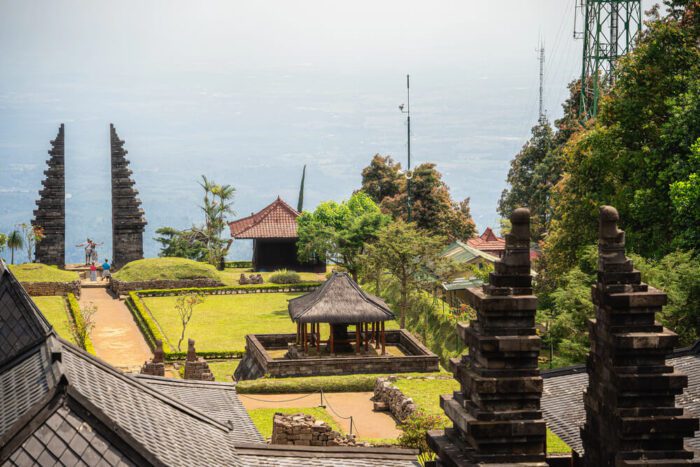
Candi Cetho is a Hindu temple that dates back to the final years of the Majapahit era. It’s built in a series of stone terraces (punden berundak), leading you step by step through courtyards filled with statues, shrines, and sacred symbols. Unlike more famous temples in Java, Cetho still has an active spiritual life—local people come here to pray, especially during important ceremonies.
If you’re the kind of traveler who enjoys places with atmosphere and meaning, Cetho Temple is a rewarding stop. It’s quiet, deeply rooted in Javanese tradition, and offers both natural beauty and cultural depth.
A Brief Story of Candi Cetho
Candi Cetho was built in the 15th century, during the final years of the Majapahit Kingdom—around the same time as nearby Candi Sukuh. It was a period when Hindu influence in Java was slowly fading, but sacred sites were still being built in remote mountain areas like this one.
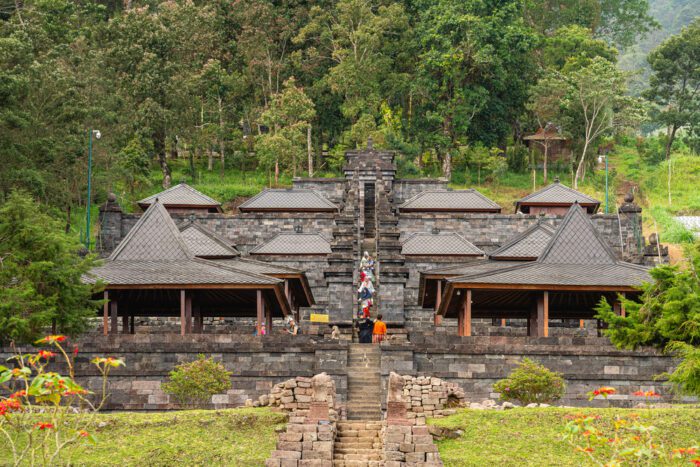
Unlike towering temples like Prambanan, Cetho was built using a stepped terrace layout called punden berundak—a design rooted in Indonesia’s older, pre-Hindu traditions. Walking through the temple feels like climbing through layers of history, with stone gates, shrines, and statues guiding you up the slope.
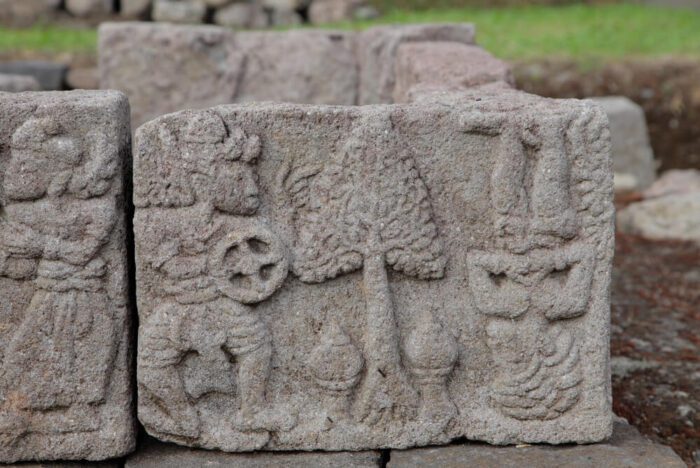
You’ll notice carvings and symbols along the way—some connected to fertility, purification, and spirituality. A few of them might raise an eyebrow, but they all reflect the local beliefs of the time. The atmosphere here is peaceful, a bit mysterious, and full of quiet meaning.
The temple was forgotten for centuries and only restored in the 20th century. Today, it’s not just a cultural site but an active place of worship, especially during Balinese-Hindu ceremonies like Galungan and Kuningan, when local devotees come to pray.
What to Do or See
Once you arrive at the Candi Cetho complex, you’ll walk through a series of stepped terraces stretching from west to east—originally there were 14, but now nine have been restored. As you make your way toward the main area, you’ll feel the cool mountain air, the gentle breeze, and occasionally a soft mist wrapping around you.

Along the path, you’ll see unique stone carvings, statues, and architecture—different from flatter temple sites, as this one follows the traditional stepped terrace style. On clear days, you can even look out over the surrounding towns and valleys—some say you can see quite far from the top of the temple.
If you're already visiting Cetho Temple, it’s worth making a short stop at Sukuh Temple, just a 20-minute drive away. It's smaller and no longer used for ceremonies, but its pyramid-like shape and bold stone carvings make it one of the most unusual temples in Java.
Practical Info
The entrance fee is around 50,000 IDR (about $3 USD) for foreign visitors. Plan to spend 2 to 3 hours here—more if you enjoy slow walks, photography, or just want to take in the peaceful mountain views.
The best time to visit is in the morning, when the air is still cool and clear. Later in the day, mist often starts to roll in, which can make the views moody but also limit visibility.
The road up to Cetho Temple is steep, narrow, and winding—beautiful but a bit challenging. If you’re planning to go by motorbike and you’re not used to mountain roads, it might be safer to go by car or hire a local driver. If you do ride, make sure your motorbike is in good shape (manual bikes are better for the climb), and take it slow, especially in wet weather.
Traveling to Solo? Make sure to check our guide Surakarta (Solo) Travel Guide: Best Things to Do, See, and Eat.
How to Prepare for Your Visit: Dress Code, Customs, and Essentials
Wear comfortable shoes with good grip—the path is uphill and can get slippery, especially after rain. A light jacket or sweater is also a good idea; the mountain air can be surprisingly chilly. Bring drinking water and maybe a small snack, especially if you plan to spend time relaxing at the temple.
Since Cetho is an active Hindu temple, it’s important to dress modestly—ideally with shoulders and knees covered.
Backindo Tip: Out of respect for local customs, women are traditionally asked not to enter the temple during menstruation, as some areas are considered ritually pure and are still used for prayer and ceremonies.
Also, be mindful of sacred zones—some spaces are off-limits to non-worshippers, especially during religious events.
Want to discover other temples in Indonesia? Check out our Best Temples to Visit in Java.
How to Get to Cetho Temple
Candi Cetho is located in Gumeng Village, Karanganyar, on the western slopes of Mount Lawu in Central Java. From Solo (Surakarta), the trip takes about 1 to 1.5 hours by car, depending on traffic and weather. The total distance is around 30–35 kilometers.
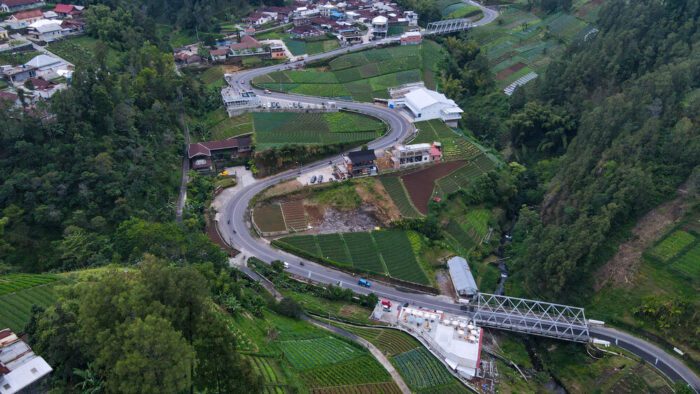
The most comfortable way to get there is by private car or motorbike, especially if you want more flexibility to explore nearby spots like the Kemuning Tea Plantation. The road after Karangpandan winds uphill through scenic farmland and tea hills, but it gets steep and narrow the closer you get to the temple—so take it slow and drive carefully, especially if it’s rainy or foggy.
If you’re using public transport, you can take a bus from Solo to Karangpandan. From there, continue toward Kemuning, then catch a local ojek (motorbike taxi) for the final stretch up to Cetho Temple. Just like with Sukuh, it’s usually easy to get an ojek going up, but finding one for the ride back can be tricky. It’s smart to arrange a return ride in advance or ask your ojek driver to wait.
Looking for a reliable driver in Java? Send us a message at hello@backindo.com—we’ll be happy to connect you with local drivers we know and trust.
Where to Stay around Cetho Temple
If you’re planning to stay near Candi Cetho, De Villa Cetho is a great local option. It’s located in Dusun Ceto, just minutes from the temple entrance. The rooms are basic but clean, and the quiet surroundings make it a peaceful place to rest after a day of exploring. You’ll be staying right in the mountains, with fresh air and views of tea plantations nearby.
For more comfort and facilities, head down to the Tawangmangu area, about 30 minutes from the temple. One good option here is Nava Hotel, a three-star property with spacious rooms, a restaurant, and even a pool. It’s also close to Grojogan Sewu Waterfall and several local eateries, making it a convenient base for exploring the highlands.
If you’re staying in Solo (Surakarta) and doing a day trip to Cetho, there are plenty of choices too. Backpackers often go for simple guesthouses or hostels in the city center, while couples and comfort-seekers might prefer boutique hotels or mid-range stays near Jalan Slamet Riyadi.
Looking for more waterfalls to explore? Read also about 12 Best Waterfalls to Visit in Java.
Is Cetho Temple Worth a Visit?
If you’re traveling through Java on a tight schedule, Cetho Temple probably won’t be the first stop on your list. It’s a bit of a detour from the main tourist trail, and the road up is steep and winding. But if you have a bit more time and want to see a side of Java that’s more spiritual, local, and peaceful, Cetho is absolutely worth the trip.
The temple is still used by the local Hindu community, and walking through its terraced courtyards with mountain views all around feels calm and authentic. You won’t find crowds or big tour groups here—just quiet paths, mountain air, and a temple that still holds meaning for the people who live nearby.
Continue reading: