
March in Indonesia can be a bit of a challenge for travelers. It’s still part of the rainy season, which means some areas may be wet and less ideal for outdoor adventures. On top of that, in 2026, March also marks two major religious holidays: Eid al-Fitri, celebrated by the Muslim majority, and Nyepi, the Day of Silence observed by Hindus in Bali. These overlapping holidays bring a surge in domestic travel, crowded tourist spots, highest transport and accommodation prices.
Planning a trip during this time requires a bit of strategy, but that doesn’t mean you should rule out visiting Indonesia in March. Not every place gets caught up in the holiday rush. In this guide, I’ll show you where to go if you want to avoid the crowds, and places to avoid during March.
Weather in Indonesia in March
March falls toward the tail end of Indonesia’s rainy season. While some parts of the country may start to see clearer skies, many regions still experience regular downpours—especially in the afternoons or evenings. It’s not the kind of rain that lasts all day, but it can be unpredictable and sometimes heavy, particularly in areas like Java, Sumatra, and Bali.
Traveling during this time means you’ll need to stay flexible. A sunny morning can quickly turn into a wet afternoon, so it’s smart to plan indoor activities as a backup.

If you’re heading to eastern Indonesia—places like Flores, Maluku, or Papua—you might actually get more stable weather, especially toward the end of the month. These regions tend to dry out a bit earlier than the western islands, offering better conditions for trekking, diving, or island hopping.
Planning to explore Eastern Indonesia? Learn more in our Sumba guides.
Crowds and Costs: Traveling Around Eid Season
March 2026 isn’t just another rainy month in Indonesia—it also coincides with Eid al-Fitr, one of the busiest travel seasons of the year. As the country prepares to celebrate, millions of people head back to their hometowns in a nationwide tradition known as ‘mudik’. This mass movement creates a surge in domestic travel unlike any other time.
Java and Sumatra, where the majority of the population lives, are hit the hardest. Roads become jammed with cars and buses, train stations are packed, and airports feel more like festivals than terminals. The days leading up to Eid—and the week after—are the peak of this travel frenzy. Tourist attractions, especially in major cities or well-known spots, are likely to be overcrowded with local visitors enjoying their holiday break.
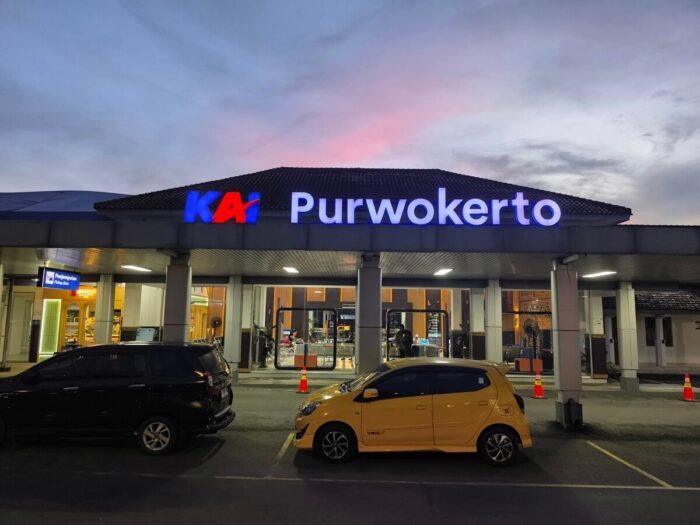
Naturally, prices go up across the board. Flights, trains, and even intercity buses sell out fast and cost significantly more. Hotels in popular areas raise their rates, and finding a good deal becomes difficult unless you book well in advance. If you’re traveling during this period, it’s best to plan your route carefully, secure your bookings early, and prepare for the hustle.
Learn more about traveling during Guide to Traveling to Java (Indonesia) in Ramadan.
Where to Go in March
If you’re planning to visit Indonesia in March and want to avoid the busy crowds during the Eid holiday, the eastern part of the country is a great option. Places like Nusa Tenggara (Flores, Sumba, Sumbawa), Maluku, Papua, and North Sulawesi are much quieter during this time. These areas aren’t major destinations for holiday travel, so you’ll find fewer tourists and a more peaceful atmosphere—perfect if you’re looking for a more relaxed and authentic experience.
Unlike Java or Sumatra, these areas have more religious diversity and aren’t typical destinations for Eid-related travel. You’ll find fewer crowds, more available accommodations, and a slower, more peaceful pace. Think quiet beaches, untouched highlands, and traditional villages.

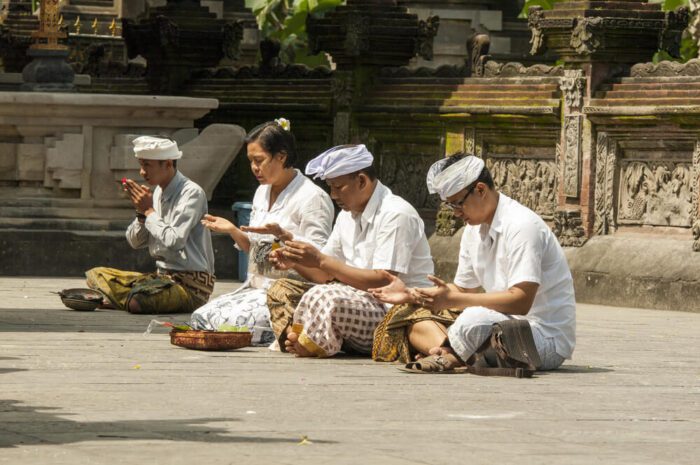
And what about Bali? If you’re arriving in early March, you might still catch a relatively calm window before the island fills up. However, things get tricky around March 19–20, when Nyepi—the Balinese Hindu Day of Silence—takes place. This unique cultural holiday shuts down the entire island for 24 hours (from 6 AM – 6 PM): no traffic, no shops, no flights, and even no lights at night.
In 2026, Nyepi coincides with Eid, which may intensify the travel surge. If Bali is on your list, plan your visit before this period, or consider hopping to another island before the restrictions begin.
Read our full guide When to Visit Indonesia 2026: Avoid Rain, Crowds & Closures.
Also, don’t forget—it’s still the rainy season. While the eastern islands often get slightly better weather in March, the sea can still be rough. If you’re planning water-based activities, it’s best to stay flexible and prioritize safety. Focus on inland adventures, cultural visits, or nature treks, and save the big beach days for later in the year when conditions are calmer.
Places to Avoid in March
During the Eid season, it’s best to avoid traveling to Java and Sumatra—especially by land. These two islands are the main hubs for the annual homecoming rush, and traffic jams can get seriously intense. Trains and flights are often fully booked weeks in advance, and prices soar as the holiday approaches. The busiest travel days usually begin four to five days before Eid and continue up to a week after.
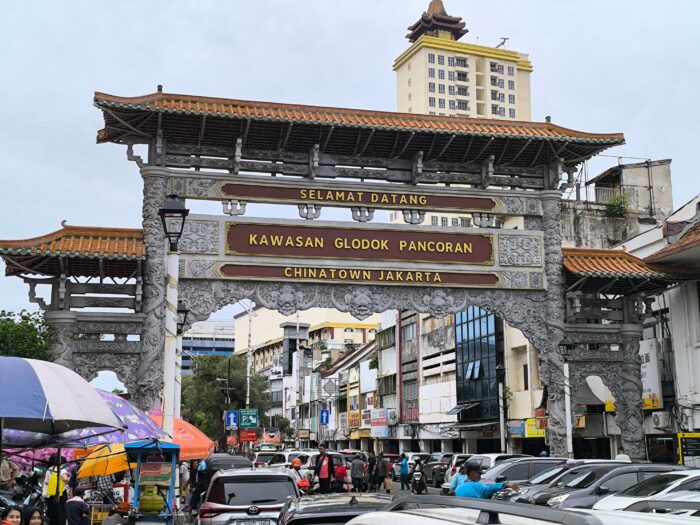
However, there’s an exception worth noting: Jakarta. While most people leave the capital to return to their hometowns, Jakarta becomes unusually quiet during Eid. If you’ve ever wanted to explore the city without the crowds, this might be your chance. Just keep in mind that many restaurants and small shops will be closed during the holiday. A good place to stay is around Glodok, the city’s Chinatown, where many Chinese-Indonesian businesses stay open since they don’t celebrate Eid.
Learn more about Glodok: Traveler’s Guide to Jakarta’s Chinatown.
Is March Worth Visiting Indonesia?
March isn’t the easiest month to travel around Indonesia. With two major religious holidays—Eid al-Fitr and Nyepi—happening around the same time, the country gets very busy, especially in the western regions. Ticket prices go up, accommodation can be expensive, and it becomes harder to find transportation, especially if you need a local Muslim guide or driver. Many of them take time off to celebrate with their families.
If March is the only time you can visit, your best option is to focus on eastern Indonesia. Regions like Nusa Tenggara, Maluku, North Sulawesi, and Papua are less affected by the holiday rush. These areas are quieter, not overly touristy, and rich in cultural experiences—perfect for travelers looking for something different.
That said, if you have the flexibility, consider coming in April or May instead. By then, the holiday rush has passed, the weather begins to stabilize, and traveling becomes much more enjoyable and it’s not the travel peak yet.
How about Other Months?
We summarized it all in our other articles: