
Central Sumba is the least visited part of the island, which is exactly why some travelers end up liking it so much. It is not a place for polished resorts or an easy checklist of famous stops. It is better for people who want a quieter, less developed side of Sumba.
If you are looking for a Central Sumba guide, the main thing to know is that this area works best as a slower stop between East and West Sumba, especially if you enjoy empty beaches, smaller waterfalls, rural roads, and traditional villages with very little tourism pressure.
Why Visit Central Sumba
Most travelers focus on the better-known parts of the island, so Central Sumba often gets skipped. But if you want a more complete sense of Sumba, this region adds something different: less traffic, fewer visitors, and a more in-between landscape connecting the east and west.
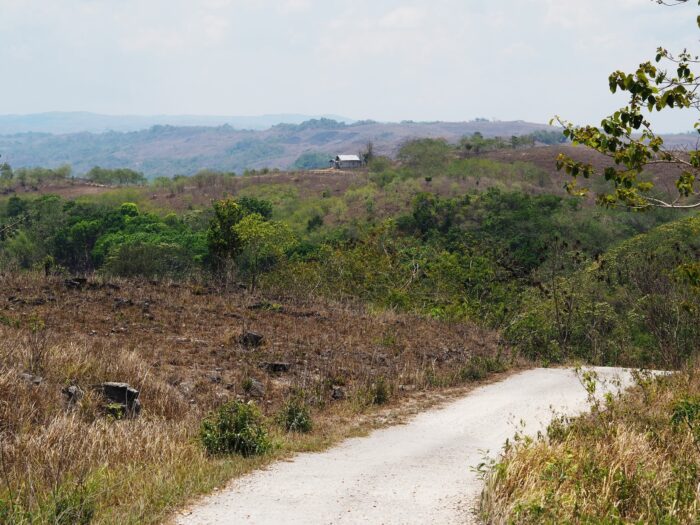
It is not the strongest base if you want comfort or easy logistics. It is more interesting if you want space, simplicity, and places that still feel under the radar.
What to See in Central Sumba
Waterfalls
Air Terjun Kolam Jodoh
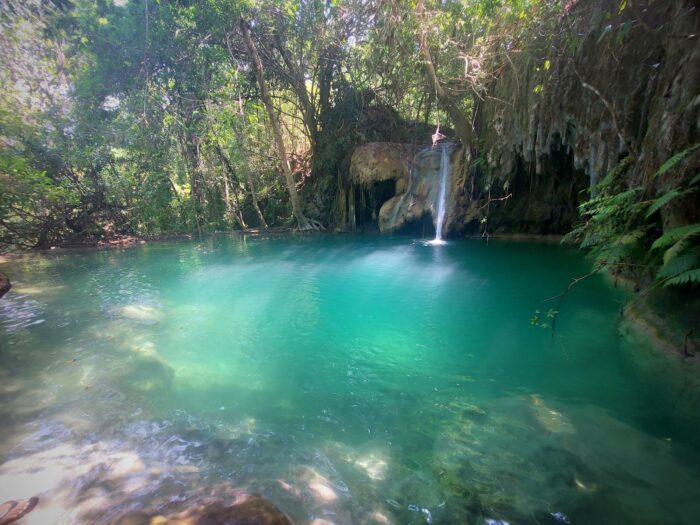
Air Terjun Kolam Jodoh is one of the easier waterfall stops in Central Sumba. It is not a huge dramatic cascade, but it is accessible, peaceful, and has a natural pool that makes it a good short break on the road.
Air Terjun Harunda
Air Terjun Harunda, near Soru village, feels a bit wilder and more hidden. It is one of those places that work well for travelers who like smaller detours with very few other visitors around.
Road and access conditions can change, so this is the kind of stop where checking locally still matters.
Quiet Beaches
Mondulambi Beach
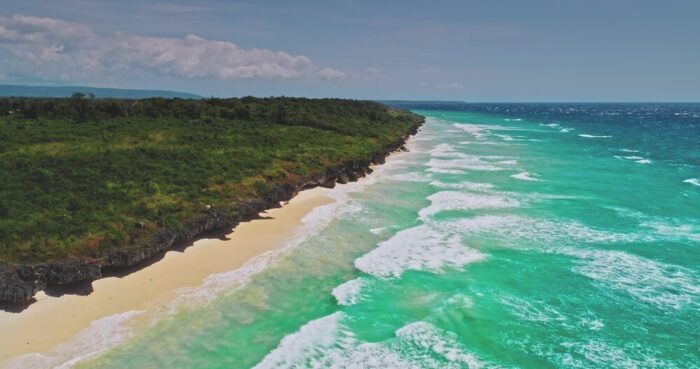
Mondulambi Beach is one of the places that shows what Central Sumba does best: isolation. The beach can feel almost empty, and the view of the rock formations near the river mouth is one of the reasons people make the effort to come here.
Access is not always completely straightforward, and swimming conditions should never be assumed safe just because the beach looks calm.
Maloba, Aili, and Lisi Beaches
Maloba, Aili, and Lisi are among the more inviting beach stops in Central Sumba if you want soft sand and relatively easy access. Even here, though, wave conditions can change quickly, so it helps to ask locally before getting into the water.
Manupeu Tanah Daru National Park
A large part of Central Sumba is shaped by Manupeu Tanah Daru National Park, one of the island’s most important nature areas. It protects lowland rainforest habitat that has become rare on Sumba.
This matters especially for birdwatchers. The park is one of the best places on the island to look for endemic species such as the Sumba hornbill.
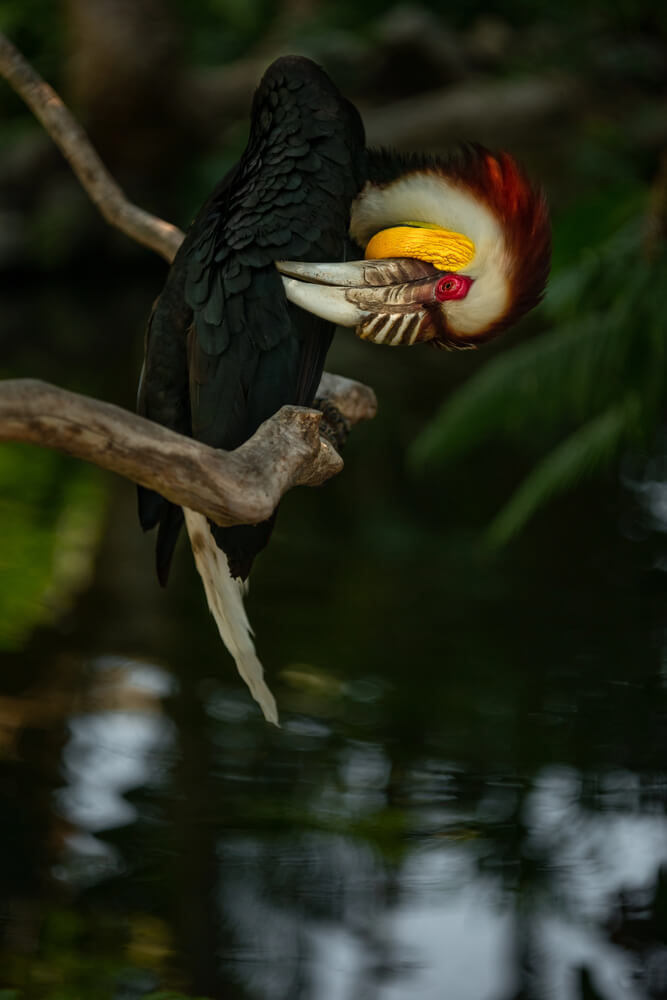
If nature is one of your main reasons for coming to Sumba, Central Sumba adds something that beaches and villages alone do not.
Traditional Villages
Pasunga Village
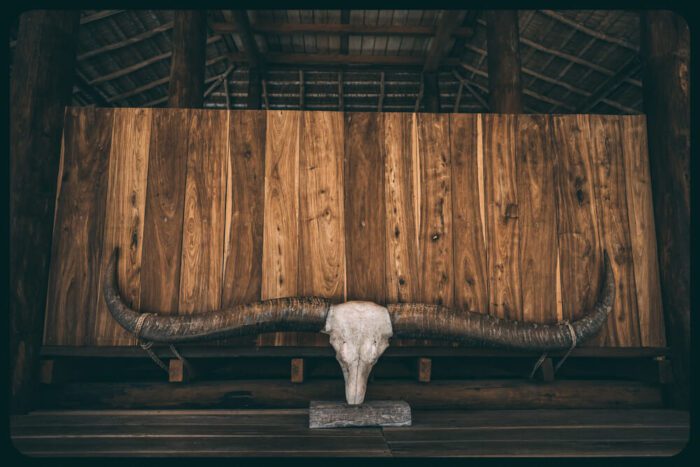
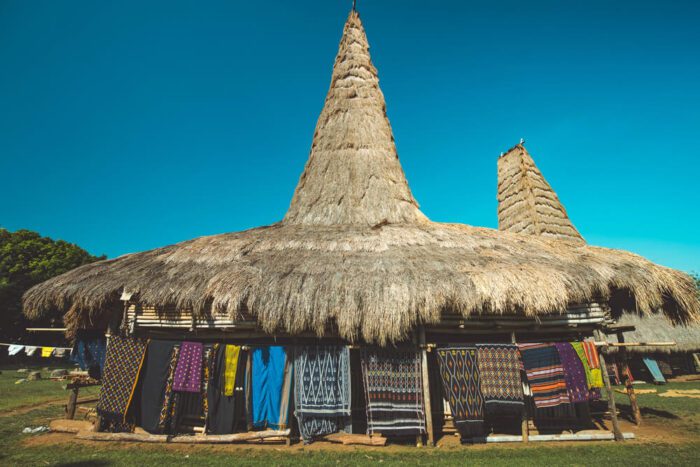
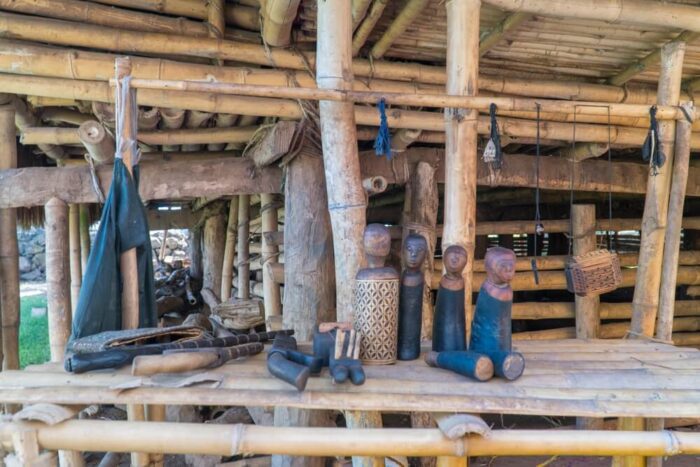
Pasunga Village is one of the better-known traditional stops in Central Sumba, with megalithic tombs, local architecture, and a stronger sense of continuity with older village structure.
Kampung Deri
Kampung Deri is more remote and less adjusted to tourism. That can make it more rewarding, but also more dependent on local introductions and respectful timing.
If village visits are a major part of your trip, also read Traditional Villages in Sumba and Marapu in Sumba.
How to Get to Central Sumba
There is no airport in Central Sumba, so you usually enter via Waingapu in the east or Tambolaka in the southwest, then continue overland.
For island-wide transport planning, start with How to Get to Sumba: Flights and Ferries.
You can continue by shared car, local bus, private driver, or scooter depending on your comfort level. If you are building a cross-island route, Central Sumba usually makes the most sense as a stop between Waingapu and Waikabubak.
If you want more transport detail first, also see How to Get From Bali to Sumba and Renting a Motorbike in Sumba: All You Need to Know.
Getting Around Central Sumba
Once you are in Central Sumba, a motorbike or car with driver is usually the most realistic way to move around. Public transport exists only in a limited and irregular way, so it is not ideal if you are trying to see several places efficiently.
Road conditions can be rough, especially after rain, and some of the best spots are simply easier with local help. If you are not comfortable riding in remote conditions, hiring a driver is often the less stressful option.
Backindo Tip: Looking for a reliable guide in Sumba? Write to hello@backindo.com and we can connect you with trusted local contacts.
Best Time to Visit Central Sumba
For many travelers, April to June is one of the better windows for Central Sumba. Roads are generally easier than in peak rainy months, but there is still enough water left in the landscape for waterfalls to feel more alive.
The wetter months can still be interesting, but access becomes less predictable. If your route includes more remote beaches or smaller roads, local advice becomes more important.
Where to Stay
Accommodation in Central Sumba is limited compared with East or West Sumba, so this is not the place to expect a wide choice of stays. In practice, most travelers use simple guesthouses or modest local hotels.
For a practical stop, you can check Hotel Bintang. Around Lewa, Homestay Made Rahayu is another simple option if you want to break up a cross-island route without pushing all the way east or west in one day.
What to Eat
Food in Central Sumba is simple and practical rather than something people usually travel here for. Expect rice, noodles, chili, and everyday Indonesian meals in small warungs, plus market snacks and strong ginger coffee when available.
Where to Go Next
Central Sumba works best as a connector between the two stronger regional bases: Waingapu in the east and Waikabubak in the west. If you want a broader overview first, go back to the Sumba Travel Guide.
Final Thoughts
Central Sumba is not the most famous part of the island, and that is exactly its appeal. If you want quieter roads, fewer travelers, and a more understated side of Sumba, it can become one of the most rewarding parts of a longer route.
Continue reading: