
Planning a trip to Indonesia in 2026? Great choice! With its volcanoes, beaches, and cultural gems, Indonesia is unforgettable—but choosing when to go can be tricky.
Most travelers still ask the classic question: “Should I visit in the dry season or rainy season?” While that’s a helpful start, the truth is more complex. Weather patterns are shifting, national holidays can reshape travel flow, and some of Indonesia’s most magical festivals can either enrich your experience—or make things unexpectedly complicated.
That’s why I’ve put together this insider-friendly guide. You’ll find out the best times to visit Indonesia in 2026, the key holidays and festivals to know about, and the periods you might want to avoid for a smoother, more memorable trip.
Seasons and Weather: Dry vs. Rainy (and Why It’s Not So Simple)
Traditionally, Indonesia has two seasons:
- Dry season (May–October): Clear skies, easier volcano treks, perfect beach weather.
- Rainy season (November–April): Heavier showers, more humidity, lush green landscapes.
But here’s the catch: the difference is blurring. Rain doesn’t always respect the calendar anymore. You might see sunny days in November or sudden downpours in June.

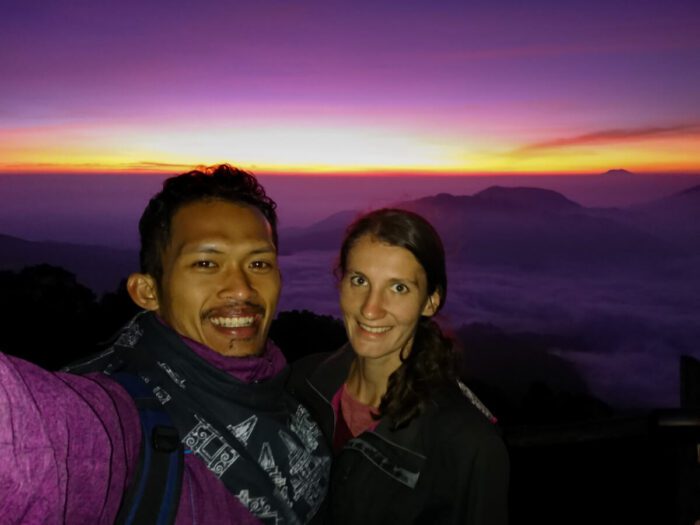
In general, August is the coldest month (nights get pretty chilly especially in hilly areas) but also a month that will give you the odds for those epic sunrise views. Also, dry months are usually the safest for ocean or sea crossing and island hopping but crossing from Bali to Lombok gets very bumpy in September.
Backindo Tip: Don’t plan island crossings at the end of your trip—boats get cancelled, seas get rough, and you could miss your flight. Always keep a buffer day or two.
Public Holidays in Indonesia 2026
Indonesia is home to six officially recognized religions, which means the country celebrates a surprisingly large number of public holidays each year. On top of that, the government sometimes declares “cuti bersama” (joint leave days)—extra holidays added around big events like Eid or Christmas. These effectively turn a one- or two-day holiday into a full week off, and millions of Indonesians take the chance to travel.
For travelers, this has real consequences:
- Transport sells out weeks in advance.
- Prices for flights and hotels spike.
- In Java, popular natural spots like Mount Telomoyo, Dieng Plateau, Bogor, and Mount Bromo get seriously crowded with local tourists.
If you prefer peace and space, it might be better to avoid visiting these areas during long holiday periods. Instead, use those days to explore quieter regions or stay put in one place and enjoy the local holiday atmosphere.
Here are the 2026 national holidays to keep in mind:
- 1 January – New Year’s Day
- 16 January – Isra Mi’raj (Prophet’s Ascension)
- 17 February – Chinese New Year (Imlek)
- 19 March – Nyepi (Bali Hindu New Year) → Bali shuts down completely for 24 hours.
- 20–21 March – Eid al-Fitr (Lebaran) → the biggest holiday of the year, with mudik mass migration.
- 3 April – Good Friday
- 1 May – Labour Day
- 14 May – Ascension of Jesus Christ
- 27 May – Eid al-Adha
- 31 May – Vesak Day (Buddhist Day of Enlightenment)
- 1 June – Pancasila Day
- 17 June – Islamic New Year
- 17 August – Independence Day (parades, traffic, and national pride everywhere)
- 25 August – Prophet Muhammad’s Birthday
- 25 December – Christmas Day
Not every holiday is celebrated the same way across Indonesia. With so many islands and religions, the atmosphere really depends on where you are. For example, Easter is a major celebration in predominantly Christian regions like Flores, where processions and church services fill the streets. In Java, the holiday passes much more quietly.
Similarly, Nyepi (the Balinese Hindu New Year) is unique to Bali—the entire island shuts down for 24 hours, while on neighboring Lombok or Java, life goes on as usual.
This means your travel experience during public holidays will vary greatly depending on your destination.
School Holidays: Local Travel Peaks
It’s not just public holidays you need to watch out for—school breaks in Indonesia also have a huge impact on travel. Families hit the road in big numbers
For 2026, expect:
- Late March–Early April – Term break around Easter.
- Late June–Mid July – The long mid-year break (libur kenaikan kelas), when students move up a grade. This is one of the busiest travel windows of the year.
- Mid-December–Early January – Christmas & New Year holidays.
Ramadan, Mudik & Cuti Bersama: The Great Holiday Exodus
Before Eid al-Fitr comes Ramadan—a month of fasting, prayer, and reflection for Muslims. As a traveler, you’ll notice a few small changes: many warungs (local eateries) stay closed during the day, and government offices or banks often finish earlier than usual. But beyond that, daily life goes on and it usually doesn’t disrupt travel in a big way.
The real shift happens at the end of Ramadan with Eid al-Fitr (Idul Fitri). This is when mudik begins—millions of Indonesians travel back to their hometowns. It’s one of the largest human migrations in the world. Cities like Jakarta become unusually quiet, while train stations, airports, and highways are packed to the brim.
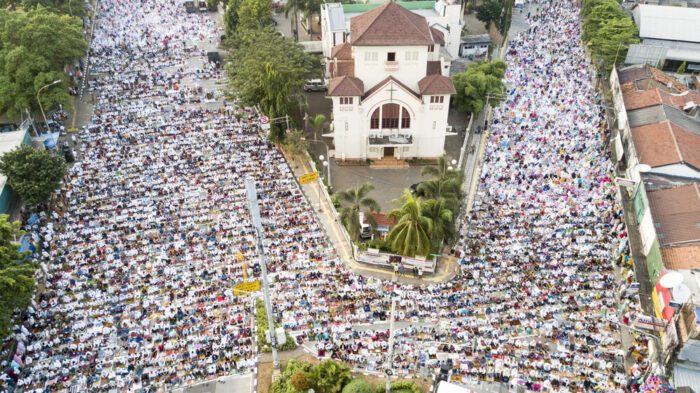
Adding to this, the government often declares cuti bersama (“joint leave days”), turning short holidays into long weekends. For travelers, this means:
- Banks, immigration offices, and some shops close.
- Transport tickets and hotels sell out quickly.
- Prices rise significantly.
Learn more about Ramadan in our article Guide to Traveling to Java (Indonesia) in Ramadan.
Festivals Worth Knowing
Indonesia’s festivals are colorful, noisy, and unforgettable. They can make your trip magical—or unexpectedly crowded—so it pays to know what’s on. Here is a list of the biggest ones:
- Sumba — Pasola Festival (Feb–March): Fierce horseback battles with spears, tied to harvest and lunar cycles.
- Central Java — Vesak at Borobudur (May 31, 2026): Candlelit Buddhist processions at the world’s largest stupa. Beautiful, but very busy—book early.
- Madura — Karapan Sapi (July–October): High-energy bull races with decorated cattle. Finals in Pamekasan are especially packed.
- West Sumatra — Pacu Jawi (after harvest): Muddy, thrilling cow races across rice fields—equal parts sport and spectacle.
Riau (Sumatra) — Pacu Jalur (August): Longboat races on the Kuantan River, with colorful teams and village celebrations. - Nationwide — Independence Day (August 17): Parades, street games (look for the hilarious panjat pinang greasy-pole climb), and local closures.
- South Sulawesi — Toraja Rambu Solo’ Funerals (Jun–Oct): Deeply cultural ceremonies with processions and buffalo sacrifices. Dates vary, but the dry season is busiest.

Volcano Closures: Bromo & Ijen
If volcanoes are on your bucket list, timing matters.
- Mount Bromo (East Java):
- Closed during Yadnya Kasada festival (June/July).
- Sometimes also for Megeng Day rituals (Dec/Jan).
- Mount Ijen (East Java):
- Closed on the first Friday of every month for environmental recovery.
- Occasionally restricted if sulfur gas levels get too high.
- Mount Agung (Bali):
- Sacred to Balinese Hindus. Treks are often restricted during major ceremonies at Pura Besakih and around Nyepi (Balinese New Year).
- Mount Rinjani (Lombok):
- Officially closed every year from January to March due to the rainy season (slippery trails and safety concerns).
Backindo Tip: Always check the latest updates from PVMBG (Magma Indonesia) or local guides before planning a volcano trek. Closures are sometimes announced only days in advance.
Overall Best Times to Visit Indonesia in 2026
So, when should you go?
- Mid-April to Early June → After the chaos of Eid, before school holidays. Usually great weather, fewer crowds.
- September to November → Post-peak season, cultural festivals, pleasant conditions.
- January to Early March → Fewer tourists, cheaper flight tickets, though rain is possible and expected.
Try to avoid:
- Late March (Nyepi, Eid, mudik)
- Late June–July (school holidays)
- Late December–Early January (Christmas/New Year rush)
Wrapping It Up
Indonesia is a country of endless wonders—towering volcanoes, sacred temples, hidden waterfalls, and festivals that will stay with you forever. But as you’ve seen, timing is everything. It’s not just about dry vs. rainy season anymore. National holidays, school breaks, mudik, and even local festivals can completely change the rhythm of travel.
But with a bit of planning, you can avoid the chaos and enjoy Indonesia at its very best. Aim for the shoulder months like April, May, September, or October, keep an eye on holiday calendars, and always leave a buffer when crossing islands.
Okay, so you know when to go. But what about staying healthy, connected, and prepared once you’re there? Here are some must-know guides: