
If you’re looking to step off the beaten path and see what truly makes Bali special, the key is to slow down and take part in its traditions. Whether it’s joining a village ceremony, learning how to craft an offering, or just observing the rituals that shape daily life, these cultural experiences offer a deeper, more memorable connection to Bali.
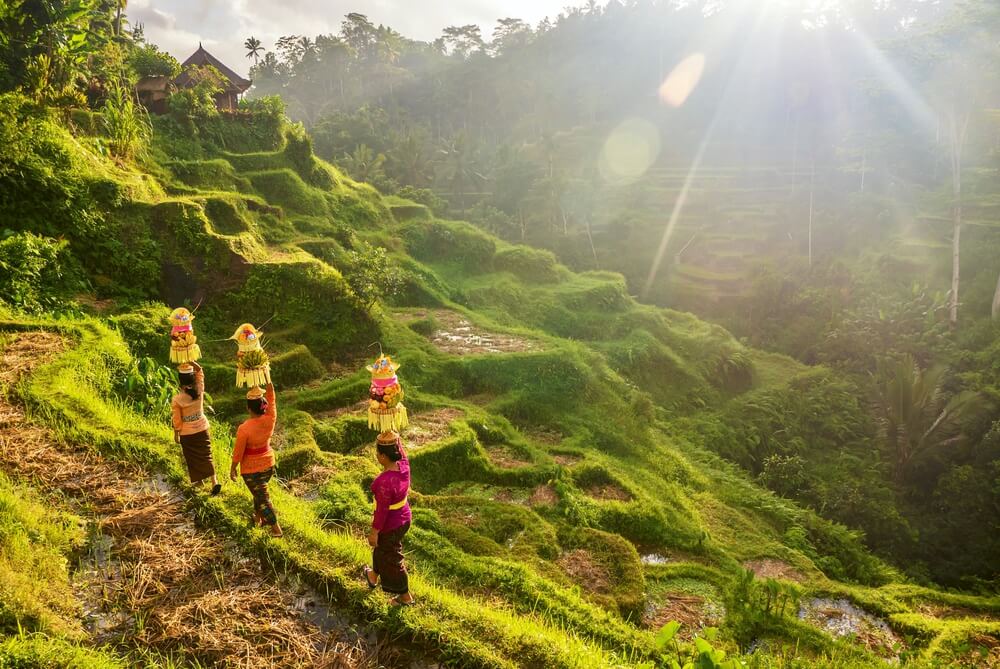
In this guide, you’ll find tips on traditional activities that go beyond sightseeing—real ways to connect with the island’s heart and soul. Now, let’s be honest: some of these experiences have been popularized, and in certain places, they might feel a bit staged or overly commercial. It would be lovely to say that every encounter is untouched and tourist-free—but that’s not the reality, especially in the more crowded areas.
Still, there are ways to experience Bali differently. More authentically. Ways that support local communities without contributing to the island’s overtourism or the slow shift away from what makes Bali so unique. This guide is here to help you do just that—seek out the places and moments where tradition still runs deep, and where your presence can be part of something meaningful.
So how can you experience Bali like a local?
Rice Planting
Bali’s rice terraces are iconic—but beyond the famous views in Tabanan, Gianyar, or Ubud, rice is grown all over the island. In less touristy areas, you’ll often spot farmers knee-deep in the paddies. And here’s the thing—you don’t need a tour. Just ask politely if you can lend a hand. If your offer is genuine (not just for the gram), many locals are more than happy to show you how it’s done. A local guide can also help you find spots where planting or harvesting is happening.
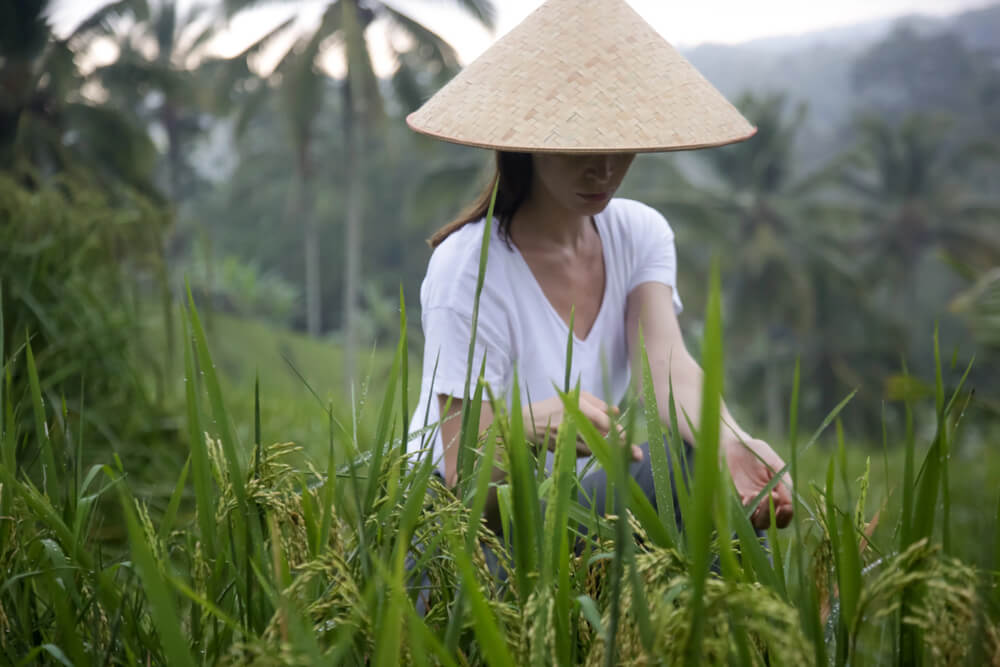
Of course, Jatiluwih, with its sweeping green terraces, is a UNESCO World Heritage site—and undeniably stunning. But just to be honest: while it’s beautiful, it’s also become quite commercial. For some travelers, the charm has been dulled by ticket booths and selfie crowds. If you’re looking for something more raw and real, smaller villages often offer a much more intimate glimpse into Bali’s farming life.
And beyond the experience itself, you can also learn about Subak—Bali’s traditional irrigation system based on community and harmony with nature. It’s a living practice that’s been around since the 11th century, and a great reminder that agriculture here is about more than just food.
Learn Balinese Traditional Dance
You’ve probably seen Balinese dance on stage or at a temple ceremony—graceful hand movements, intense eye expressions, and every motion perfectly timed to the rhythm of a gamelan orchestra. But you don’t have to be a spectator. Joining a local dance class is a great way to understand the culture from the inside.
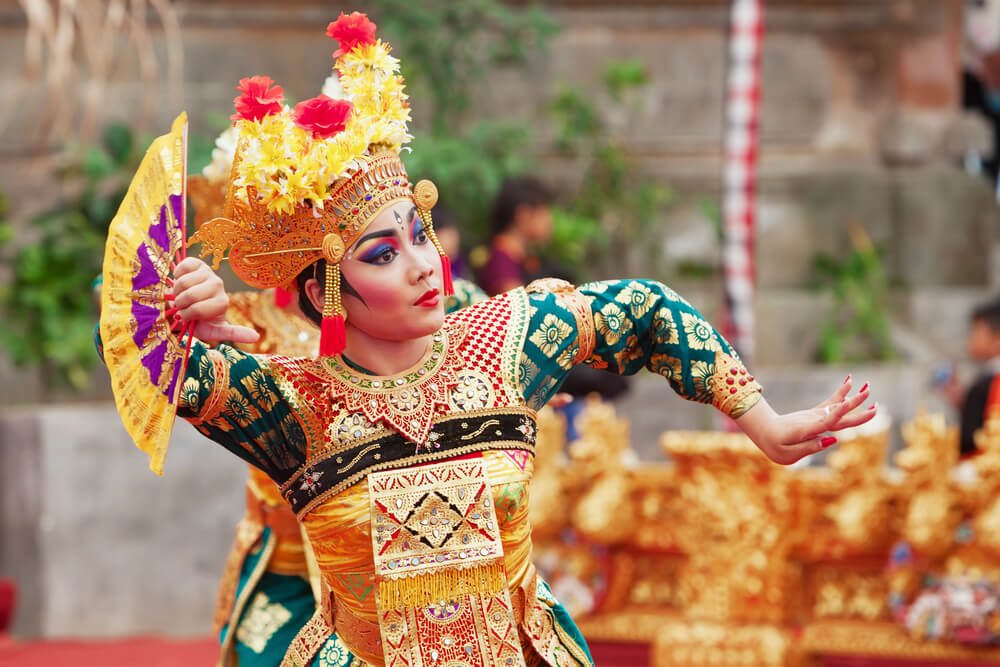
The most common styles taught to beginners are Legong (precise and elegant), Barong (a dramatic story of good versus evil), and Kecak (known for its chanting rather than instruments). Even if you’ve never danced before, the teachers usually break it down step by step, and you’ll quickly see that it’s as much about storytelling and tradition as it is about movement.
Classes often take place in sanggar—small local studios—especially around Ubud, Tabanan, and Denpasar. Some include extras like trying on the traditional costume or learning basic makeup techniques. To make it easier, you can also search for classes on travel activity platforms like GetYourGuide.
Balinese Gamelan Lesson
If you’re into music, taking a gamelan lesson in Bali is a great way to explore the island’s artistic side. While Balinese and Javanese gamelan share the same roots, the experience is very different. Balinese gamelan is energetic and intense, full of fast rhythms and dramatic shifts. Javanese gamelan, on the other hand, is slower and more meditative.
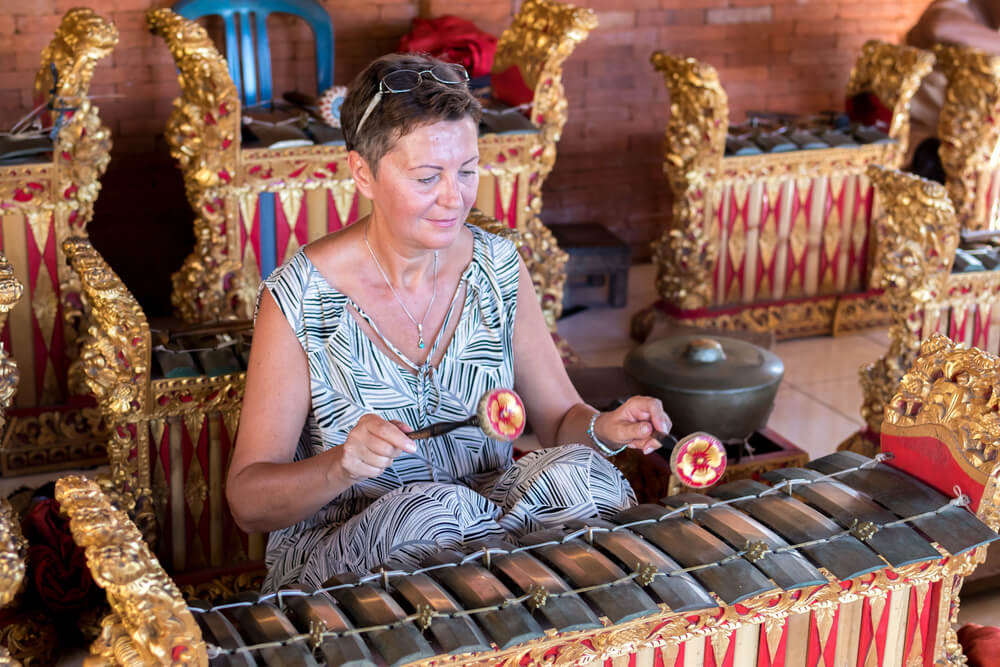
In a typical lesson, you’ll get hands-on with traditional instruments like metallophones, gongs, and drums. Each one has a specific role in creating the layered, shimmering sound of the ensemble. And if you’re into more modern styles, you’ll see how gamelan can also be mixed with contemporary music to create something unique.
Melukat (A Sacred Purification Ritual)
Melukat is a sacred Balinese Hindu water purification ritual that’s become increasingly popular among travelers. Performed at holy springs, the ritual is meant to cleanse the mind, body, and spirit—and yes, you don’t have to be Hindu to take part. As long as you approach it with respect and sincere intention, you’re welcome.
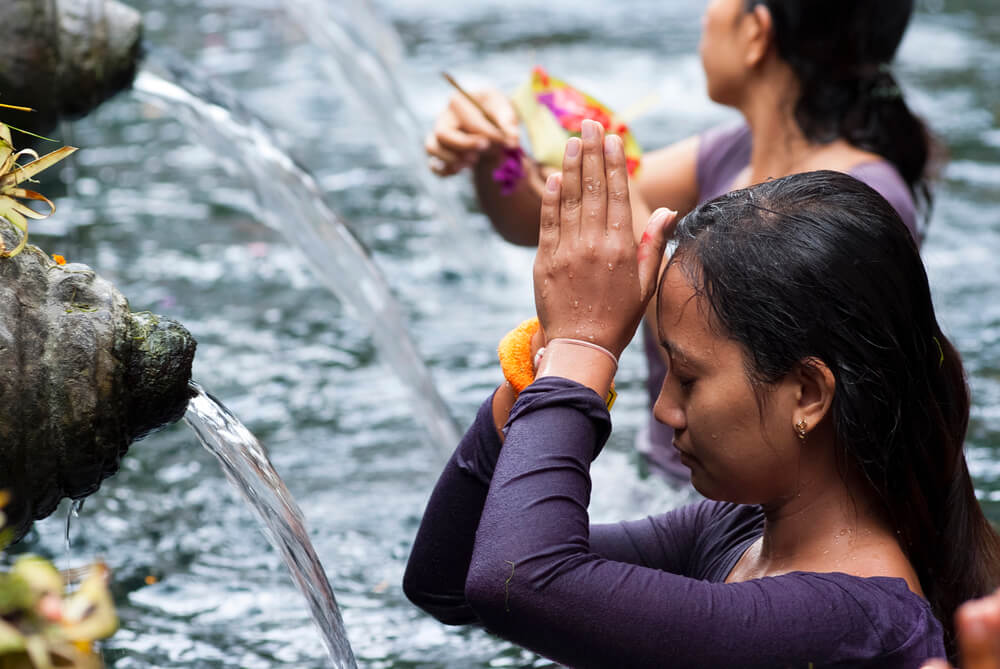
There are two main ways to take part. One is by joining a guided Melukat, where everything is prepared for you: offerings, traditional attire, and a local guide who explains the meaning and steps of the ritual. This is ideal if it’s your first time or if you want to focus on the experience without worrying about doing something wrong. The other option is going independently, which is more suitable for those who already understand the process and know what to do.
The most popular place for Melukat is Tirta Empul, near Ubud. It’s a stunning temple with clear spring water and a long history. That said, it’s also the most touristy—so expect queues of people waiting their turn at each spout. Entrance costs IDR 75,000, and that doesn’t include the Melukat ritual itself, so expect to pay more for offerings and attire.
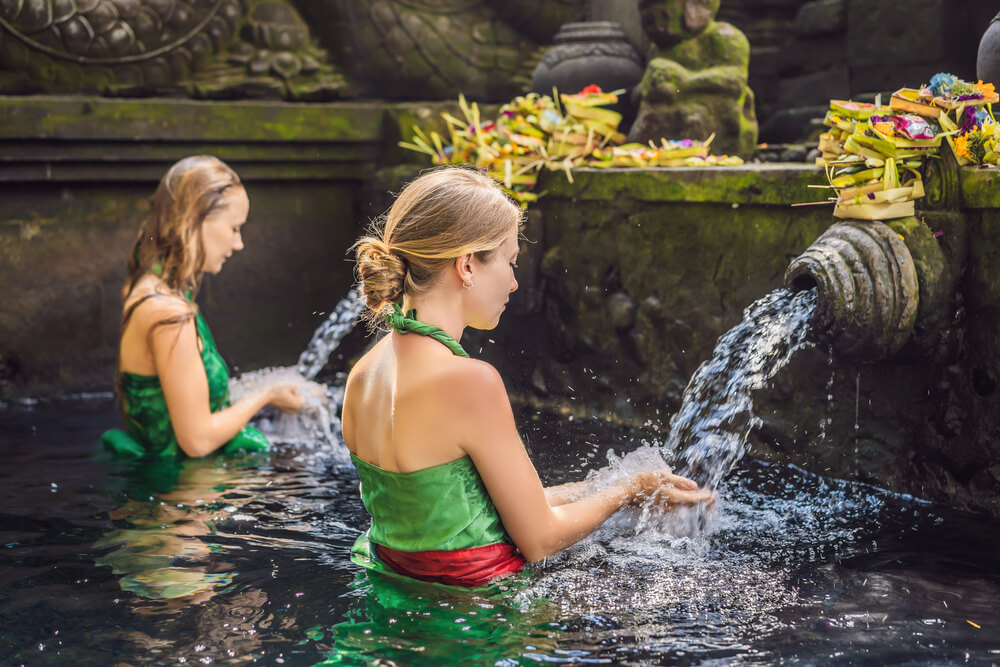
If you’re looking for a quieter, more local atmosphere, there are other sacred spots worth visiting. Tirtha Sudamala or Pura Mengening are beautiful alternatives. They offer a more intimate feel, but may not provide attire rentals or on-site guidance—so it’s a good idea to do some research beforehand.
If you prefer a fully guided experience, Taman Beji Griya Waterfall in North Badung offers complete Melukat packages. These typically include a guide, offerings, traditional dress, coconut water, towels, and even extra sessions like palm reading or aura cleansing. One part of the ritual involves emotional release at the waterfall, where participants are encouraged to let go—whether that means crying, laughing, or shouting.
Wood and Stone Carving
In Bali, carving is more than decoration—it’s part of everyday life. In villages around Ubud and Gianyar, you’ll see artisans shaping wood and stone into temple gates, guardian statues, ceremonial masks, or even furniture. Many of these pieces are used in religious ceremonies or placed in family shrines, so the work is done with purpose and care.
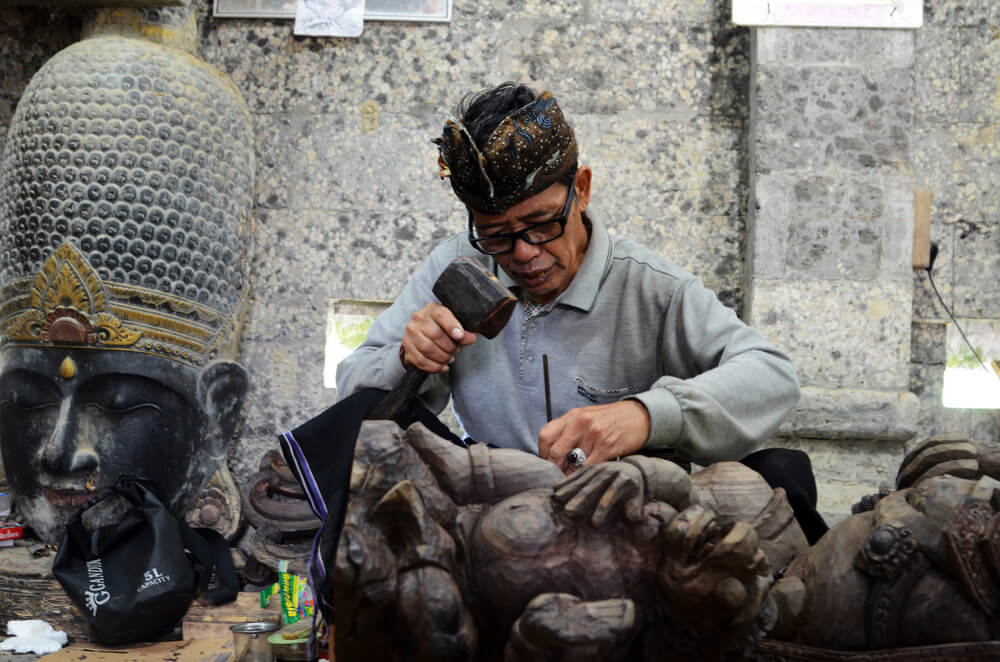
If you want to try it yourself, you’ll find plenty of local workshops that welcome visitors. No experience needed—just come ready to focus and follow the rhythm of the tools. You’ll learn how to hold the chisel, how to carve basic patterns, and maybe even create your own small piece to take home. The pace is slow and steady, and the artists often explain the significance behind what you’re carving
Traditional Balinese Cooking Class
Learning to cook traditional Balinese dishes is a fun and flavorful activity to try. Balinese cuisine is known for its rich spices, bold flavors, and complex seasoning.
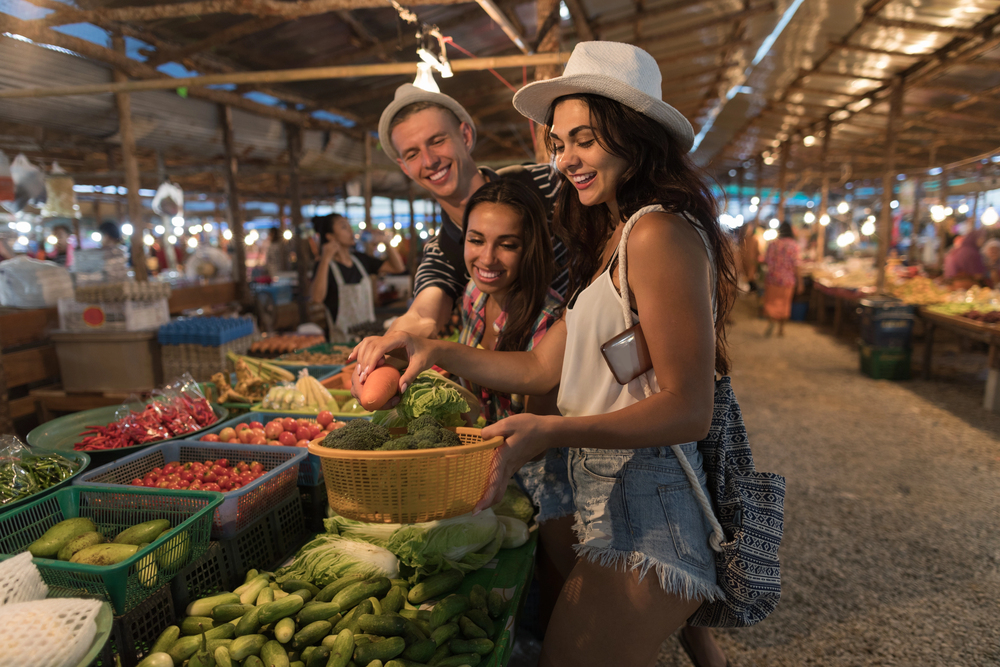
In cooking classes offered in places like Ubud or Karangasem, you’ll learn how to prepare traditional dishes such as lawar, sate lilit, and ayam betutu. The experience usually begins with a visit to a local market—where you’ll get to know fresh, local ingredients. After that, you’ll head back to a village kitchen—often semi-outdoor and surrounded by greenery—where the real fun begins.
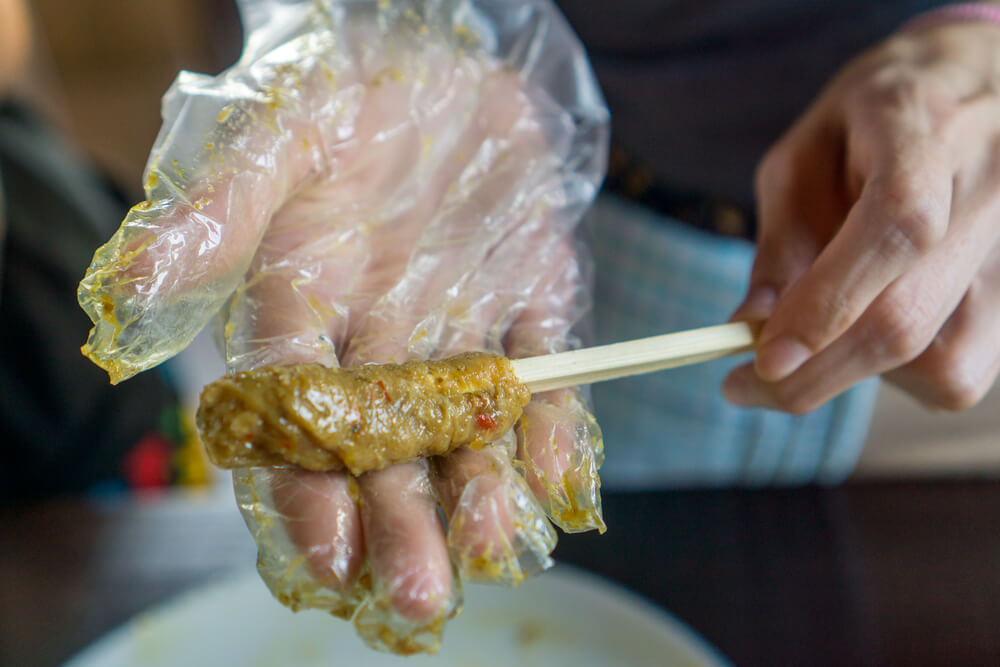
And for those who prefer plant-based meals, Ubud has several workshops that are fully vegetarian or vegan, using the same traditional techniques but with a modern twist.
Making Canang Sari Offerings
Canang Sari is the name for the small daily offerings used by Balinese Hindus during prayer and worship. You’ll see them almost everywhere in Bali—placed at temples, on sidewalks, in front of homes and shops—filled with colorful flowers, rice, and incense.
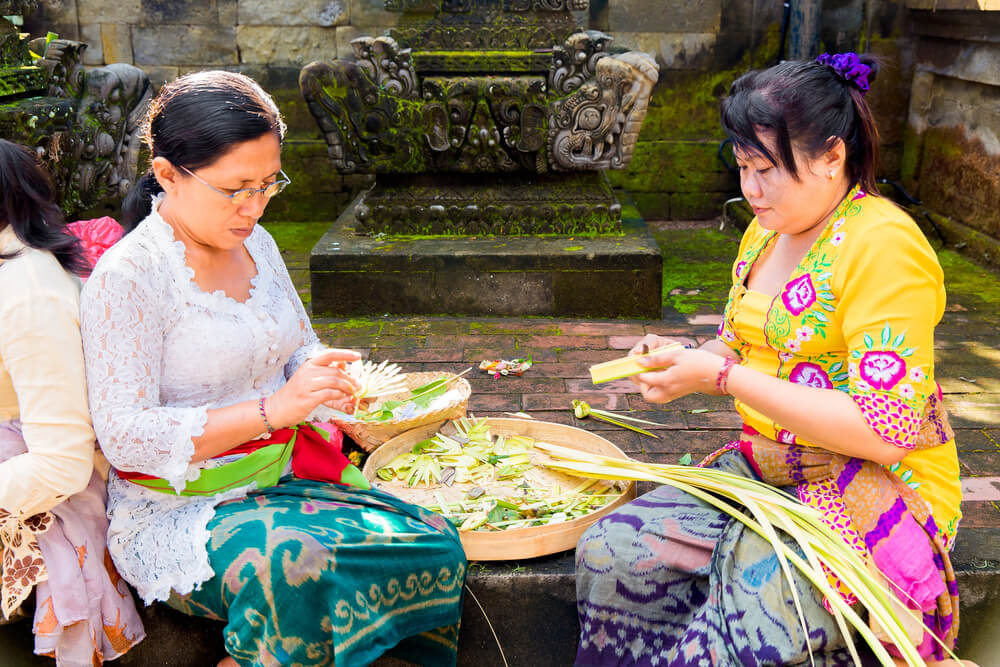
In many villages, travelers can join local women to learn how to make these beautiful offerings. You’ll be guided through the meaning of each element and experience the calming, mindful process of arranging the tiny flowers with care.

Silver Jewelry Making
Bali is not only known for its art and dance—it’s also home to beautiful silver jewelry craftsmanship, similar to what you might find in Yogyakarta. Scattered across the island, especially in places like Celuk Village near Ubud, you’ll find numerous silver workshops and boutiques offering both handcrafted pieces and hands-on classes.
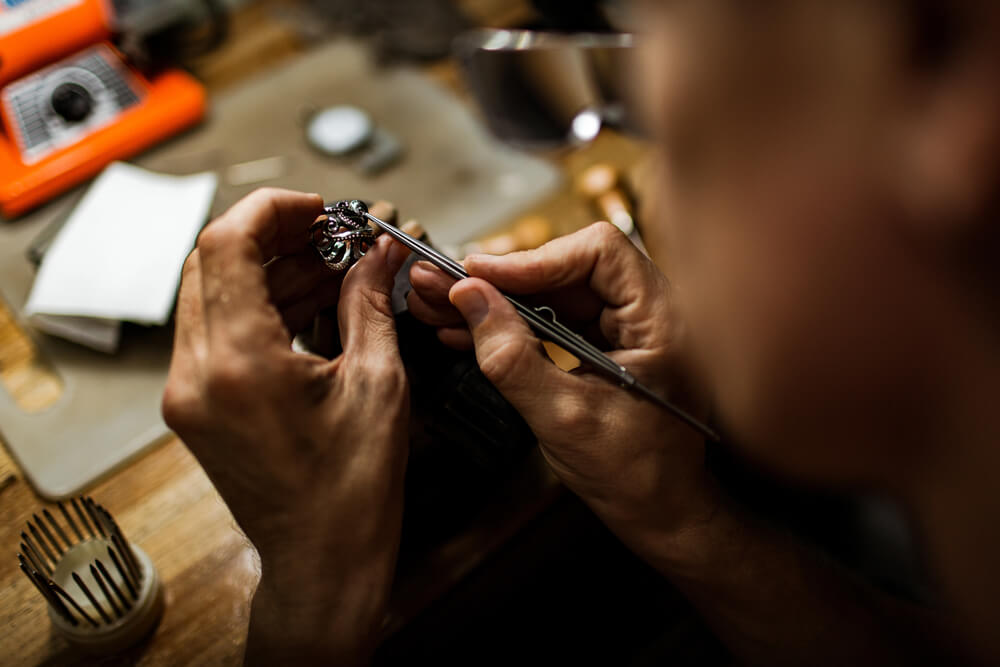
In a silver-making workshop, you’ll design and create your own piece of jewelry—from simple rings to detailed pendants—guided by skilled local artisans. The process is hands-on, creative, and surprisingly satisfying. Best of all, you’ll leave with a handmade souvenir that carries a bit of Balinese soul.
Mepantingan (Mud Wrestling)
Mepantingan is a traditional Balinese martial art, also known as mud wrestling because it’s performed in muddy rice fields. This activity usually involves two participants wearing shorts wrapped with traditional Balinese cloth and a headscarf called udeng, for man. Actually, women can also try this traditionalsport.
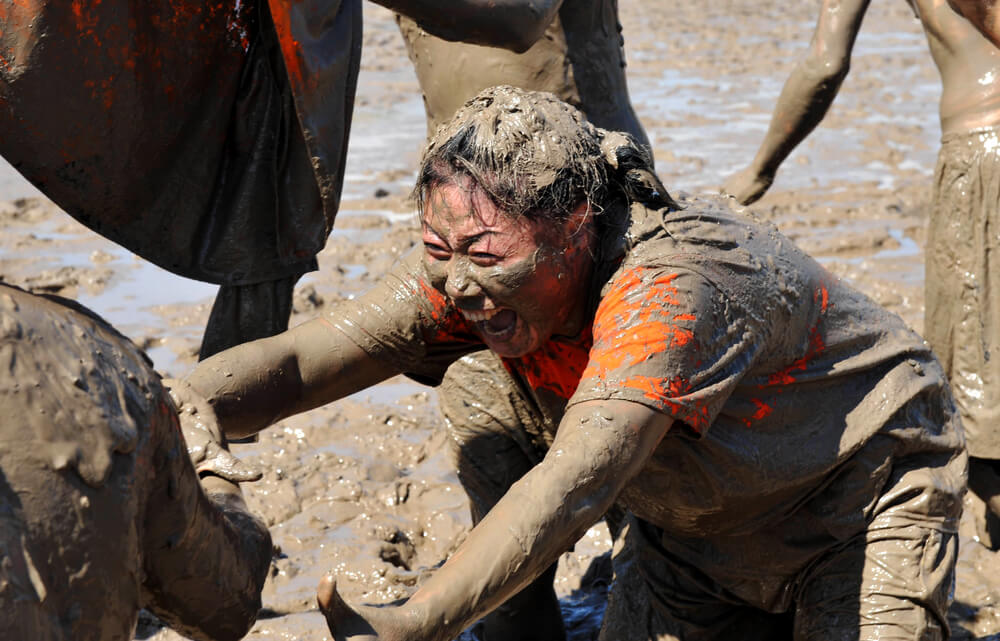
The match is timed using a unique bamboo water timer—like a natural hourglass—where water drips slowly through a small hole. To boost the energy of the wrestlers, matches are accompanied by the lively sounds of gamelan music. Before the competition begins, participants take part in a prayer ritual dedicated to Dewi Sri, the goddess of fertility.
You can try this unique and fun activity in muddy rice field areas around Gianyar or Ubud.
Spiritual Activities
If you’re looking to reset your mind or just take a proper pause, meditation in Bali is one of the most grounding things you can do. The island offers all kinds of sessions—sound healing, breathwork, even more unusual ones like animal-assisted meditation or nature-based mindfulness.
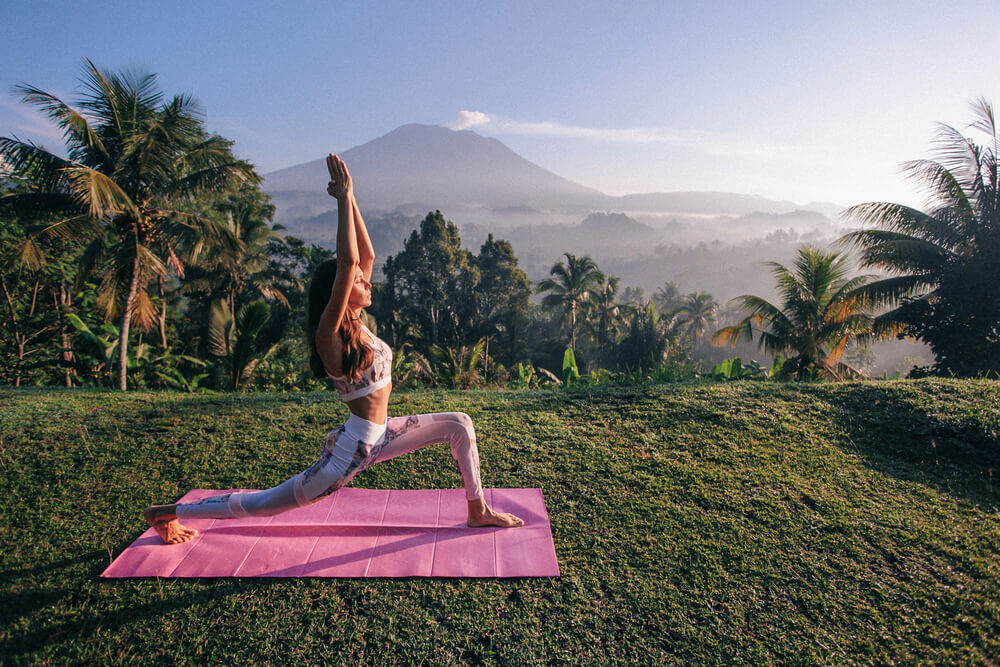
You’ll find classes everywhere—from wellness studios in Ubud, to open-air decks overlooking rice fields, or quiet corners by the sea. Many are held in peaceful, natural settings that make it easier to slow down, focus, and breathe.
Bonus Tip
If you’re looking for a more meaningful way to explore Bali, check out Astungkara Way. This community-led project offers walking experiences through rice fields, forests, and villages—while supporting regenerative farming and local livelihoods.
You’ll meet farmers restoring traditional practices, learn about sustainable food systems, and see a side of Bali that most tourists miss. Whether it’s a short walk or a multi-day trek, Astungkara Way is a great way to connect with the island—slowly, respectfully, and with purpose.
Experience Bali like a Local
These are just a few traditional activities that offer a different kind of Bali experience—one that goes beyond the surface. Taking part in these cultural practices helps you connect with the island in a more thoughtful, respectful way. You’ll see how daily life, community, and spirituality are woven together here—and why that matters.
It’s the kind of travel that leaves more than memories. It leaves perspective, appreciation, and a deeper connection to a place that’s so much more than just a destination.
What’s Next?