
At first glance, Malang doesn’t feel like a typical Indonesian city. Some streets are wider, the neighborhoods feel more organized, and you’ll notice buildings that look more European than local.
That’s not by accident. A lot of what you see today comes from the Dutch colonial period, which shaped how the city was designed and built. You don’t need to be into history to notice it—but once you do, it completely changes how you see Malang.
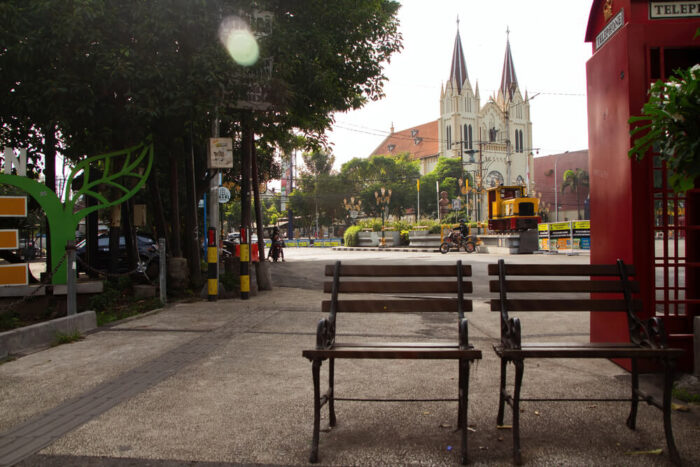
In this guide, you’ll get a clearer picture of that side of Malang—what to look for, where to go, and how those colonial traces still show up in the city today.
The Arrival of the Dutch in Malang
The Dutch first arrived in Malang in 1767, and by 1821, the Dutch East India Company (VOC) had officially taken control of the region.
Unlike many other areas in East Java, Malang offered a different kind of appeal. Surrounded by mountains and blessed with a cooler climate, it quickly became a favorite retreat for Europeans escaping the heat of coastal cities.
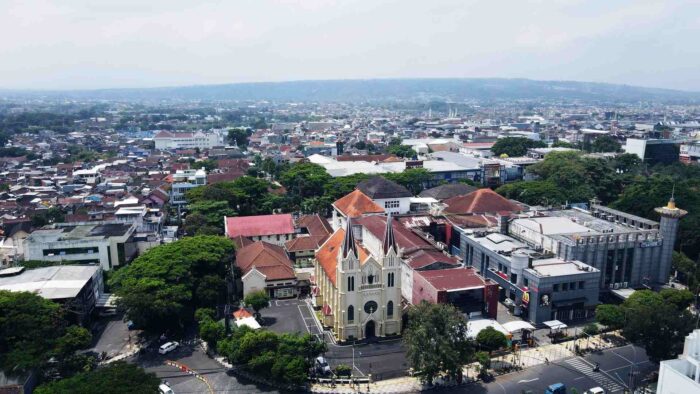
As their presence grew, the Dutch began to develop Malang into a more organized settlement. They expanded agricultural activities in the surrounding highlands and established markets in the city center, turning Malang into an important economic area.
They also built residential districts for Europeans, including what is now the Jalan Ijen (Ijen Street) area—still known today for its colonial-era houses and wide, tree-lined streets.
Planning your trip in Malang? Learn what to do and see in our detailed guide Malang Travel Guide: The Paradise of Tourism in East Java.
What the Dutch Built in Malang
During the colonial period, the Dutch transformed Malang into a well-planned city.
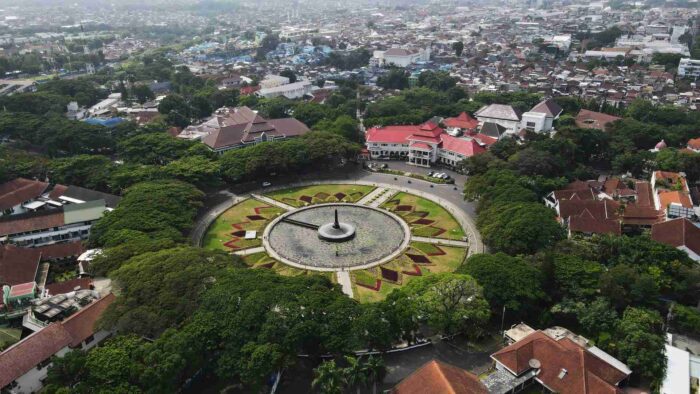
They introduced organized urban planning, with structured road systems, residential areas for Europeans, and public facilities such as schools, hospitals, and government buildings. The city was designed with wide streets, green spaces, and clear zoning—features that still shape Malang today.
They also developed plantations and agriculture in the surrounding highlands, making Malang an important economic region in East Java.
As part of this development, the Dutch later built railway connections in 1879, including the Malang train station. This improved access to the city connecting the city to major hubs like Surabaya. This made transportation of goods and people much easier, strengthening Malang’s role as both an economic center and a highland retreat.
With its cooler climate and improved infrastructure, Malang also became a popular retreat for Europeans looking to escape the heat of coastal cities.
This is why Malang later became known as one of the most well-planned colonial cities in East Java.
The “Malang Hangus” Tragedy
Not many people know that Malang has its own story from Indonesia’s independence struggle, known as Malang Hangus—the Burning of Malang. Something similar also happened in Bandung, a moment known as Bandung Lautan Api.
In 1947, during the struggle for independence, Dutch forces attempted to take control of the city once again. But instead of surrendering, the people of Malang made a drastic decision.
They chose to burn their own city.
Homes, buildings, and entire neighborhoods were set on fire—not out of defeat, but as an act of resistance. The flames that consumed Malang sent a clear message: the city would rather be reduced to ashes than fall back into colonial hands.
The fire destroyed parts of Malang, so some colonial buildings were lost—but not the entire city. You can still see that history today in areas that survived.
The main goal was to slow down Dutch forces, and while it didn’t fully stop them from taking control, it did make their advance more difficult.
Colonial Heritage and Landmarks
Klojen: The Colonial City Center
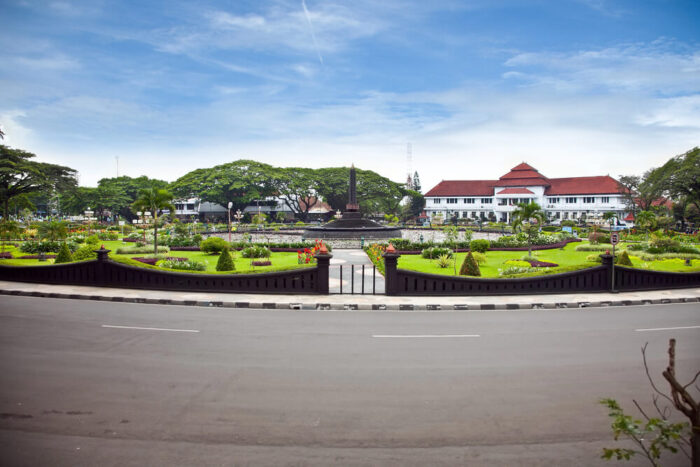
The Klojen area is considered the heart of colonial Malang, where many of the city’s early developments began.
One of the earliest Dutch structures in Malang was a defensive fort, built around what is now the area near RSUD Saiful Anwar. Its location was carefully chosen along the banks of the Brantas River, making it a strategic point for protection and control.
Over time, this area grew into the administrative center of the city. Today, Klojen still holds many remnants of the Dutch colonial era—some of which are still actively used.
You can find several historic buildings around this area, including:
- Malang City Hall (Balai Kota Malang) – still used as the city’s administrative office
- Wisma Tumapel – now used for official government events and ceremonies
- SMA Tugu (SMAN 1, 3, and 4 Malang) – former colonial school buildings that are still functioning as schools today
- Toko Oen – a historic café and restaurant that has been operating since the colonial era
- Alun-Alun Tugu – a city park located in front of the city hall, known for its central monument
- Sacred Heart Church (Gereja Hati Kudus / Kayutangan Church) – one of the oldest churches in Malang, still actively used for worship
Kayutangan Heritage Village
Kayutangan Heritage Village is located in the heart of Malang and is one of the best places to explore the city’s colonial past.
The area feels like a small, dense neighborhood filled with old houses that are still lived in today. Since 2018, it has been turned into a historical walking tour area, making it easier for visitors to explore.
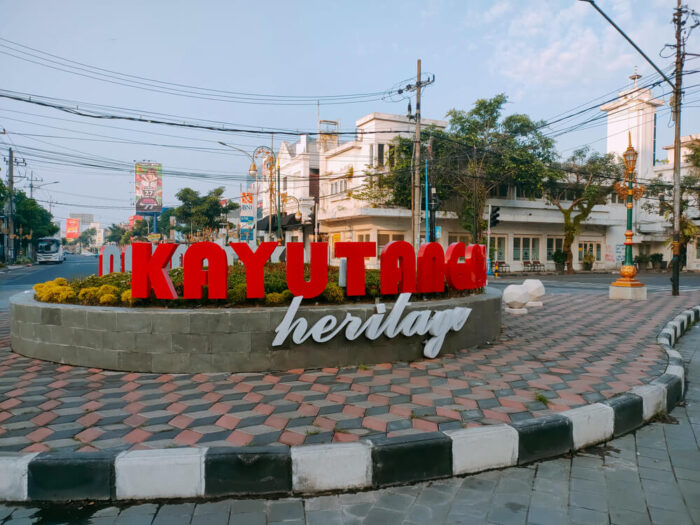
At the entrance, you’ll see a traditional gate with the sign “Kampoeng Heritage Kajoetangan.” Nearby, there are small food stalls, spice vendors, and a ticket counter. The entrance fee is very affordable—around IDR 5,000—and includes a postcard featuring the village.
As you walk inside, you’ll find old houses that have been turned into small shops and cafés. One popular stop is Kopi Hamur Mbah Ndut, a small coffee shop inside a traditional house, decorated with vintage items.
There are also a few simple photo spots, like the Bougenville area, as well as murals along the canal. You can also stop by small local stalls to enjoy a cup of coffee.
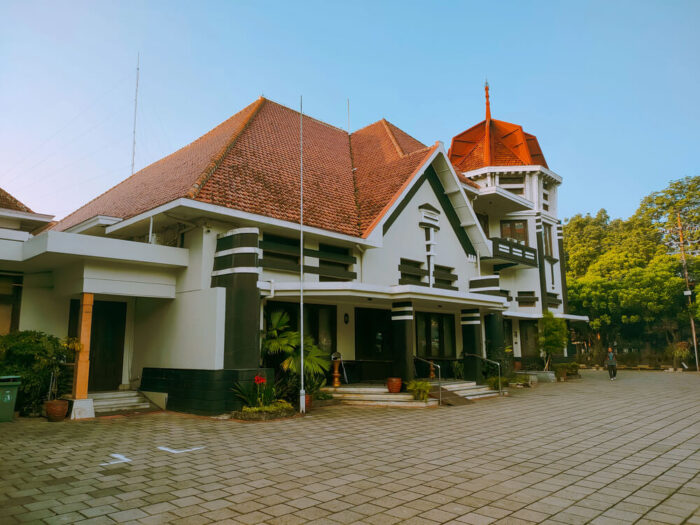
Take your time when exploring, as there are many small corners to discover. Outside the village, you’ll also find more colonial-era buildings around the area.
Backindo Tip: For a deeper experience, explore Malang with a local guide who can share more about its history and everyday life.
Ijen Boulevard: The Colonial Elite Neighborhood
Ijen Boulevard is one of the most iconic colonial areas in Malang, and you can immediately feel how different it is from the rest of the city.
Since the Dutch colonial period, this area was developed as an elite residential neighborhood for European settlers. The main road is designed like a boulevard, with a garden in the middle that separates the two lanes, and rows of palm trees lining both sides.
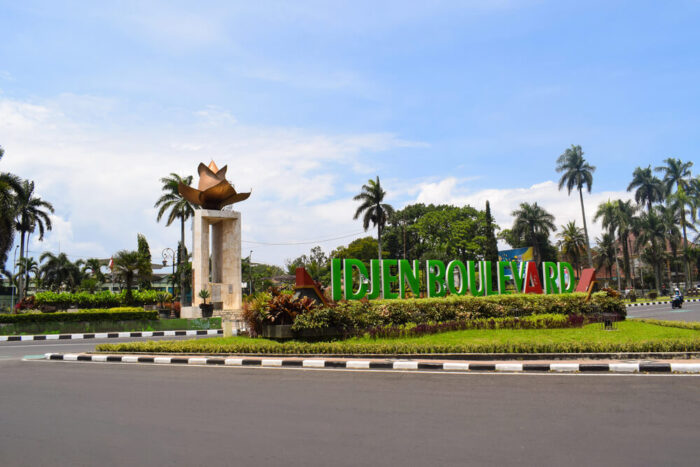
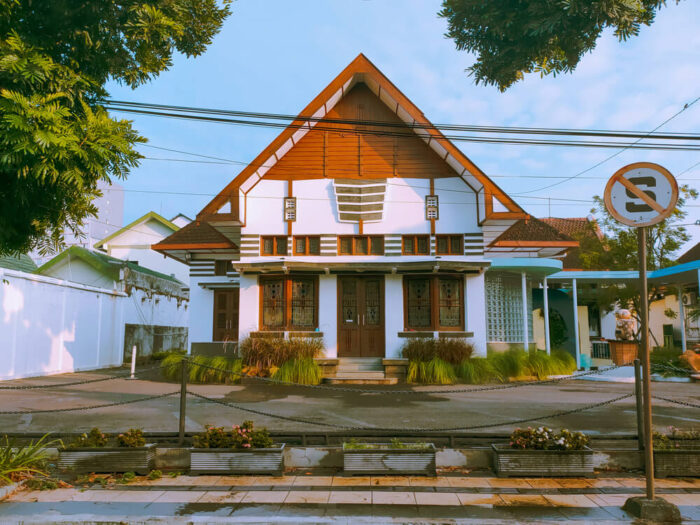
The houses here are mostly large and spacious, built in classic Dutch architectural style with high ceilings and wide front yards. Many of these houses are still original and have been designated as cultural heritage buildings. Because of this, any renovation or modification is strictly limited to preserve their historical value.
Today, some of these buildings are still used as private homes, while others have been converted into offices or institutions.
One notable landmark in this area is SMA Dempo, one of the oldest Catholic schools in Malang, established in 1936.
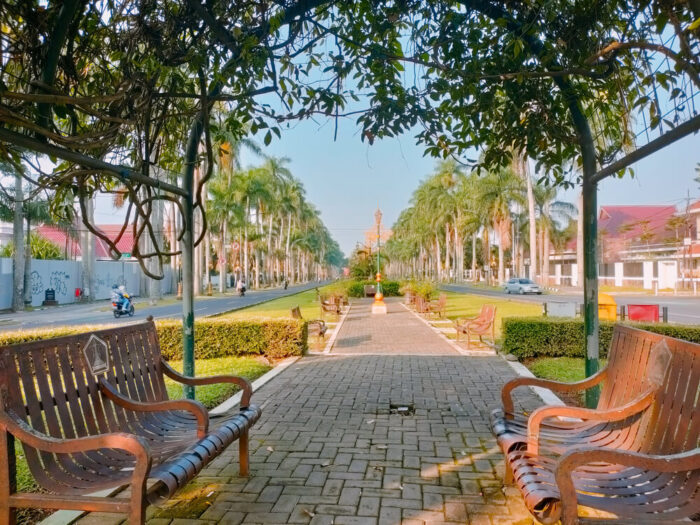
At the southern end of Jalan Ijen, you can also find Bunker Gedong Ijen, an underground structure believed to have been built during the 1920s–1930s. Today, it has been transformed into a café, but parts of the original underground corridor are still preserved and used as a dining area. Inside, you’ll also find old photographs of Malang, offering a glimpse into the city’s past.
Interestingly, many of the streets around this neighborhood are named after mountains in Indonesia, and the area itself sits at a slightly higher elevation—making it less prone to flooding.
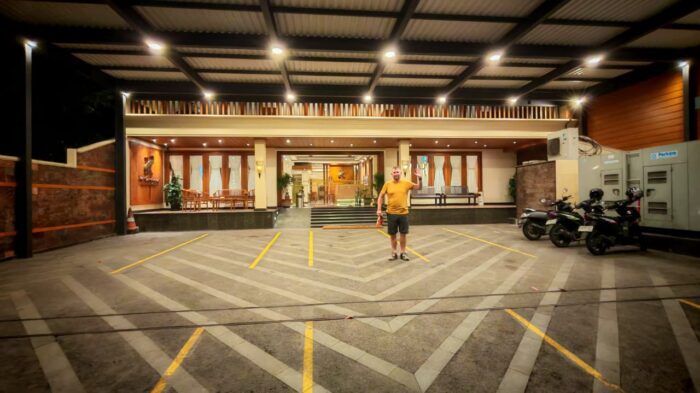
Backindo Tip: While not located directly on Jalan Ijen, Sweet Garden Guest House, Kertanegara Premium Guest House and The Shalimar Boutique Hotel still make a really convenient base for exploring the area—close enough to get around easily, but quieter.
Wonosari Tea Plantation
A bit further from Malang city, you’ll find one of the oldest tea plantations in the area—Wonosari Tea Plantation, also considered one of the best tea plantations in Java.
Located on the slopes of Mount Arjuno, this plantation dates back to 1910 and was originally developed by a Dutch company called NV Culture Maathapy.
Planning to explore Malang beyond the most popular spots? Send us a message at hello@backindo.com—we’ll be happy to share the contact of a reliable driver we trust in the area.
Covering an area of around 1,144 hectares, the plantation sits at an altitude of 950 to 1,250 meters above sea level. This gives it a cool and refreshing climate, often accompanied by morning mist that blankets the tea fields.
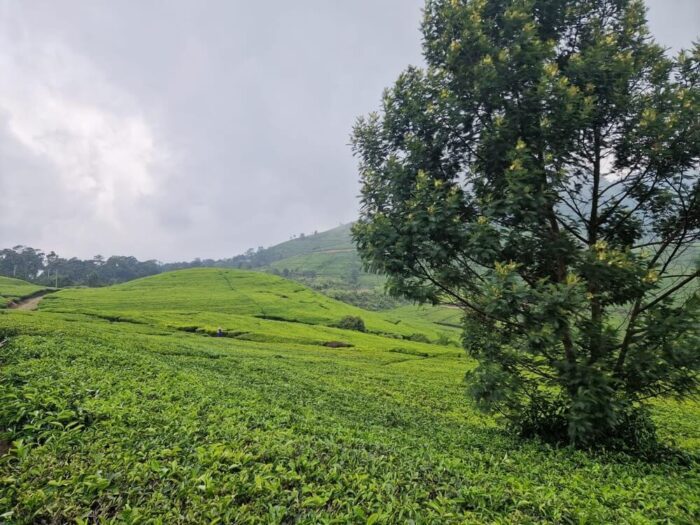
The scenery here is beautiful, with Mount Arjuno as the backdrop. Besides walking around the tea plantation, you can also visit a historic tea factory built in 1912, which is still operating today.
You can enjoy a cup of freshly brewed tea at the tea house or buy tea products as souvenirs. The plantation also offers several activities, such as horse riding, trail bike rides, and more.
To visit the plantation, there is an entrance fee of around IDR 20,000 per person.
Backindo Tip: Prefer coffee over tea? You can also visit the Wonosalam coffee plantation.
Malang’s Colonial Heritage: Explore Malang Differently
Many people know Malang simply as a gateway to Mount Bromo or for its colorful villages. And while those are definitely worth seeing, they’re only a small part of what the city actually offers.
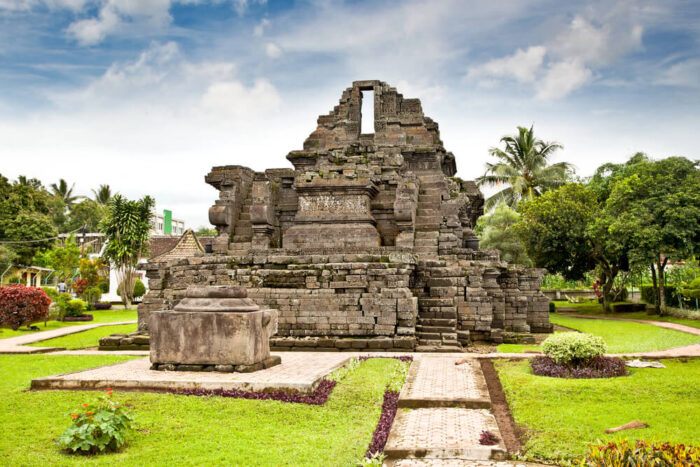
Malang has much more beneath the surface—from ancient temples connected to the Singhasari Kingdom, to beautiful beaches along the southern coast, and a strong layer of Dutch colonial history that still shapes the city today. You can see it in the architecture, the layout of neighborhoods, and the overall atmosphere that feels a bit different from other cities in Java.
At the same time, Malang also carries stories of resilience. Moments like “Malang Hangus” show how far people here were willing to go during the struggle for independence.
In the end, visiting Malang isn’t just about ticking off places—it’s about seeing a side of Indonesia that many travelers overlook.
Continue reading:
- Malang Travel Guide: The Paradise of Tourism in East Java
- Guide to Rainbow Villages in Malang: Jodipan, Tridi & Arema
- Best Beach in Malang, East Java: Clungup Mangrove Conservation (CMC)
- Tiga Warna Beach, Malang: A Hidden Gem Worth a Visit
- Tumpak Sewu Waterfall: Complete Guide, Hike, Entrance Fees & Tips
- Madakaripura Waterfall: Guide to Java’s Highest Waterfall