
Bandung isn’t just about delicious food or factory outlets for shopping. In the southern and northern parts of the city, there’s another side of Bandung that often gets overlooked—but it’s the one that truly brings peace of mind: the tea plantations.

From Ciwidey and Rancabali to Lembang, these tea gardens have been part of Bandung’s landscape since the colonial era, and to this day, they still serve as active tea production areas as well as peaceful tourist destinations.
So, if you’re curious and want to experience it for yourself, we’ve got a few tea plantation recommendations in Bandung you can visit. From relaxing spots perfect for family trips to more adventurous ones for trekking, camping, or even cycling. Ready to explore a calmer side of Bandung?
South Bandung
Rancabali Tea Plantation
Rancabali Tea Plantation is one of the most popular in South Bandung, located in the Ciwidey area. It’s also situated close to several well-known tourist spots like Kawah Putih and Situ Patenggang. So, if you’re planning an itinerary to Ciwidey, this place is definitely worth including—perfect for enjoying the fresh air and beautiful natural scenery along the way.
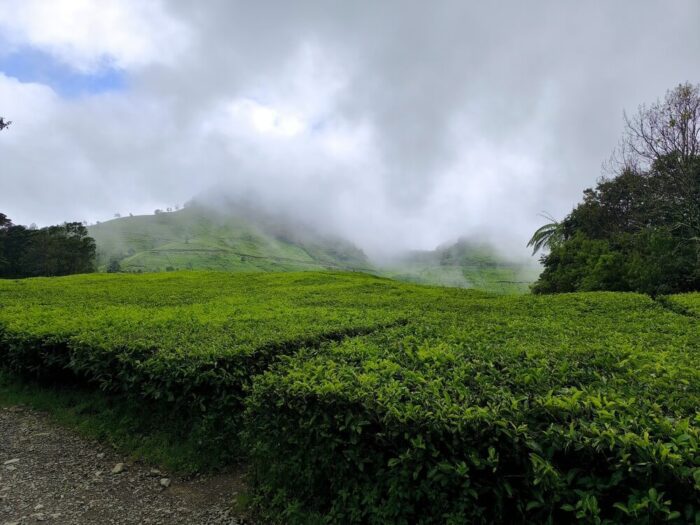
The scenery in Rancabali is also truly distinctive. Rows of green tea plants follow the smooth curves of the hills, creating a calming view that’s easy on the eyes. Here, you can take a relaxing tea walk through the plantation, snap photos at beautiful spots, or, if you’re curious, even visit the tea factory to see the process firsthand—from fresh leaves to ready-to-brew tea.
For those who enjoy outdoor activities, several spots in Rancabali also offer camping areas and fun attractions like flying fox. So, it’s a great place for a getaway with friends or family—whether you’re in the mood to relax or looking for something more active, both options are there.
Pangalengan Tea Plantation
Pangalengan is one of the regions in South Bandung known for its vast tea plantations, covering around 2,000 hectares of rolling green hills. It’s located about 45–55 km from central Bandung, which means roughly 1.5 to 2 hours by car. Because of the distance, it’s not really worth visiting just for the tea fields alone unless you truly enjoy scenic drives.
However, the area makes much more sense as part of a full-day trip. Nearby, you’ll find Situ Cileunca Lake for a relaxed lakeside stop, and several waterfalls hidden in the surrounding hills. Combined together, Pangalengan becomes a quiet countryside escape rather than just a photo stop in a tea plantation.
For those who want to stay overnight, there are options for camping or glamping, surrounded by lush tea plantations and crisp mountain air. While most of the area is clean and well maintained, you may still notice some plastic waste scattered around the plantation.
Aside from enjoying the natural surroundings, you can also try some local Pangalengan treats like bandrek, bajigur, or warm fried snacks from nearby warungs. These simple dishes taste especially good when enjoyed while relaxing in the cool mountain air.
Malabar Tea Plantation
Malabar Tea Plantation is one of the most well-known parts of the Pangalengan tea region — and it’s not just about the views. This place carries history.
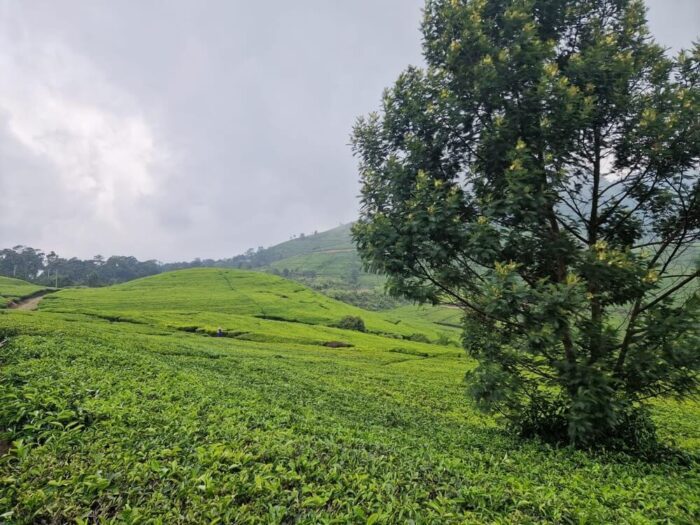
Dating back to the Dutch colonial era, the plantation was once managed by K.A.R. Bosscha, the same figure behind the famous Bosscha Observatory in Lembang. When you walk around the area, you can still see traces of that past — from Bosscha’s former residence to his grave site, both located within the plantation grounds. It adds a slightly different depth to your visit, beyond just green hills and photo spots.
At around 1,550 meters above sea level, the air here feels noticeably cooler — sometimes even chilly in the early morning or late afternoon. It’s the kind of place where you naturally slow down. You can take a quiet walk between the tea rows, enjoy wide open views of the surrounding hills, or visit the tea factory to see how the leaves are processed from field to cup.
There’s also plenty of open space, which makes it suitable for a relaxed picnic or a calm stop with friends or family.
Kertamanah Tea Plantation
Another well-known plantation in the Pangalengan area is Kertamanah. Unlike Malabar, which stands out for its historical background, Kertamanah feels more straightforward and production-focused. It’s an active tea estate, so the atmosphere is less about heritage buildings and more about the daily rhythm of plantation work.
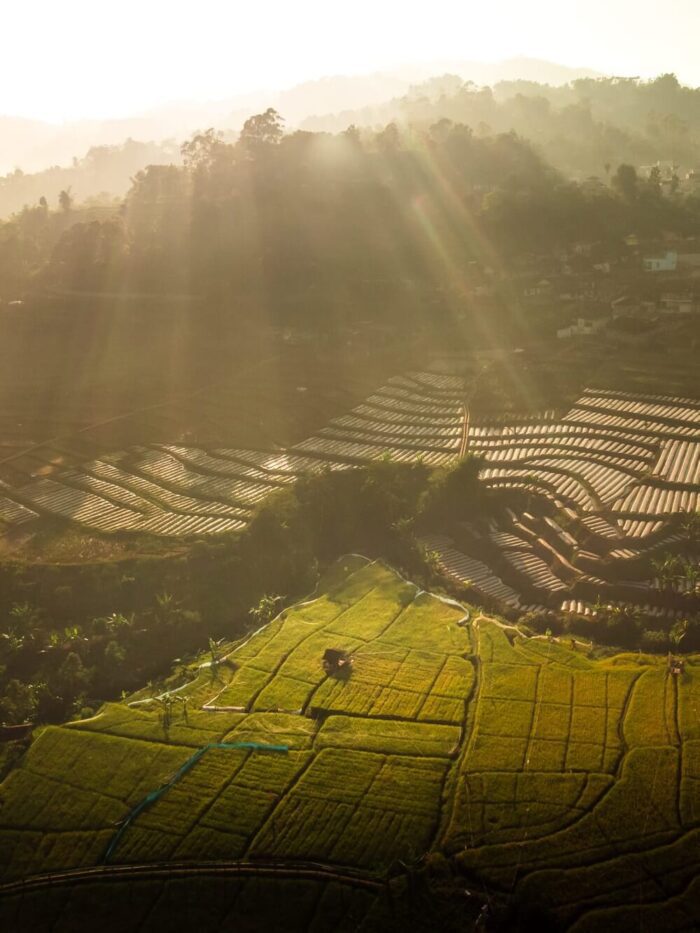
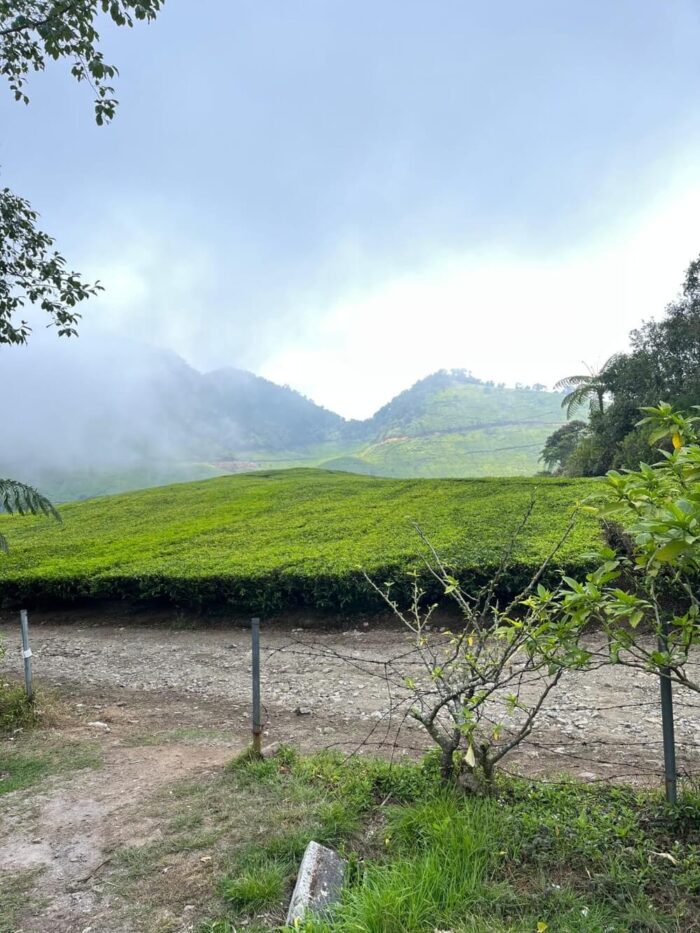
You won’t find many curated photo spots or historical landmarks here. Instead, what you get is wide-open tea landscapes and a more authentic look at how the plantation operates. If you happen to pass through the area, it can be a quiet scenic stop — but it works best as part of a broader Pangalengan route rather than as a main destination.
North Bandung
Sukawana Tea Plantation
Sukawana Tea Plantation is located in Lembang, West Bandung Regency, near Mount Tangkuban Parahu. Although it’s not very far from Bandung, the access road is rough and partly unpaved, with narrow and steep sections. A high-clearance vehicle (SUV, Jeep, or trail bike) is strongly recommended, especially during the rainy season.
For light activity, you can walk through the tea fields in the morning. If you’re up for more of a challenge, an early hike to Upas Hill offers a rewarding sunrise view, often with Mount Tangkuban Parahu visible in the distance. The route is manageable but requires decent fitness.
Sukawana is also known among mountain bikers for its downhill and enduro trails, particularly Trek 11, which features several technical sections popular with experienced riders. Small local warungs are available nearby, but amenities remain simple — this is more of a nature-and-adventure spot than a developed tourist attraction.
Less Famous Plantations
There are several lesser-known tea plantations scattered around the Ciwidey and Pangalengan area. During one of our visits to White Crater, our local guide took us to a smaller plantation that was completely empty — no crowds, no entrance gate, just endless green hills all to ourselves.
These hidden spots often don’t appear on Google Maps and are best reached with a local driver who knows the area well.
If you’re looking for a more private and authentic experience, feel free to message us at hello@backindo.com — we’re happy to share our personal recommendations for a quieter and more memorable trip.
Practical Info
The easiest and most comfortable way to visit the tea plantations around Ciwidey, Pangalengan, or Sukawana is with a private driver. Many access roads are narrow, uneven, or partly unpaved, and conditions can change depending on the weather. A local driver will know which roads are currently accessible, what type of vehicle is suitable, and which plantations are actually worth stopping at. It also gives you flexibility to adjust your route during the day.
Morning is still the best time to visit — ideally between 6 and 9 AM. The air is cooler, visibility is usually better, and you avoid midday heat. That said, “cool” in the highlands can mean genuinely cold, especially above 1,400–1,500 meters. Early mornings and evenings can feel chilly, so bring a proper jacket — not just a light layer.
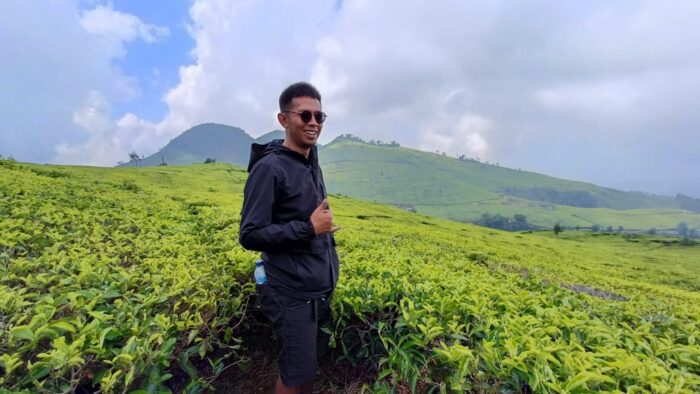
If you’re visiting during the dry season (May to October), walking paths are more comfortable and less slippery. During the rainy season, roads can become muddy and more challenging, especially for smaller vehicles.
Wear comfortable closed shoes, as some areas involve rocky or uphill terrain. If you plan to camp, bring a flashlight or headlamp — electricity is limited in certain locations. It’s also smart to carry water and light snacks, as facilities can be minimal once you leave the main road.
What to expect from the wet season in Java? Read Java in the Rainy Season: A Practical Guide for Travelers.
Where to Stay
If you’re planning a tea plantation getaway around Lembang, there are several lodging options you can choose based on your style of travel. If you enjoy peaceful, nature-filled surroundings, Shine River is a great pick—it’s cool, quiet, and surrounded by greenery. For something more comfortable with full amenities, Lembang Asri Resort is a solid choice. It’s not far from Sukawana Tea Plantation and other popular attractions in the Lembang area.
If you’re coming with family, try staying at Rumah Stroberi Organic Farm and Family Lodge. Besides spending the night, you can pick strawberries and relax in a cool countryside setting. Meanwhile, if you prefer staying in the city but still want to explore nature the next day, Aston Pasteur is a great option. It’s located in downtown Bandung, comfortable, and offers easy access to Lembang and nearby natural spots.
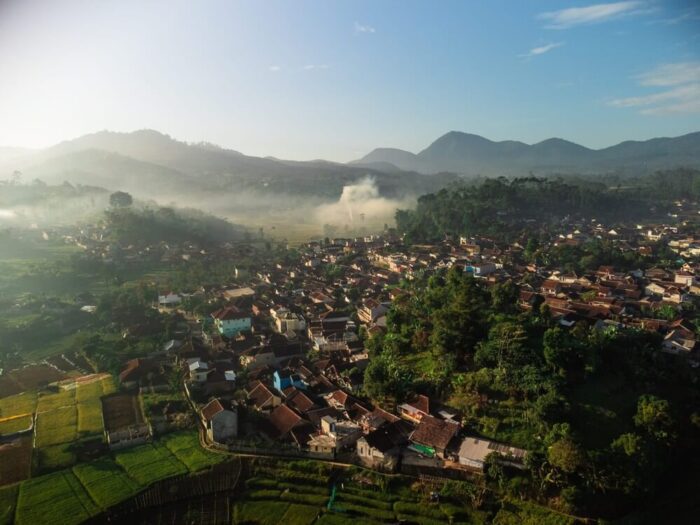
For a different experience, if you love the atmosphere of tea plantations and want to stay right in the heart of it, we have a few glamping recommendations with beautiful tea garden views, such as Bobocabin Pangalengan, Bobocabin Sukawana, S Tilu Heroy Hill Resort, and Nimo Tea Resort—perfect for a refreshing and scenic escape.
Tea Plantations in Bandung – Worth a Trip?
Tea plantations around Bandung offer more than just green scenery and cool air. The experience becomes truly interesting when you go beyond a quick photo stop and take time to understand the tea culture itself — from how the leaves are grown and harvested to how they’re processed and finally served in your cup.
A visit can include walking through the fields, observing local workers in action, joining a simple factory tour, and tasting freshly brewed tea on site. When you see the full process — from plantation to cup — the landscape suddenly feels more meaningful.
So yes, tea plantations in Bandung are worth visiting — especially if you approach them not just as a viewpoint, but as a chance to explore West Java’s tea heritage more deeply and at your own pace.
Continue reading: