
The rainy season in Java typically runs from November to April, with heavier rainfall between December and February. While climate patterns are shifting and weather can be unpredictable, it’s still possible—and often worthwhile—to travel during this time. But it’s not without challenges. This guide is here to help you understand what to expect, how to stay safe, and how to make the most of your trip.
Should You Travel to Java During the Rainy Season?
It depends on your plans and expectations. If your trip is focused on cultural exploration, urban sightseeing, or you’re on a flexible schedule, the rainy season can work just fine. Rain can come in short, intense bursts or settle in for a longer downpour. In most cases, it tends to arrive in the afternoons or evenings.
Now, let’s clear up a common myth: the rainy season in Java doesn’t mean it rains non-stop all day. But it’s also not always the case that it’s sunny all day with just a quick 30-minute shower. The reality lies somewhere in between.
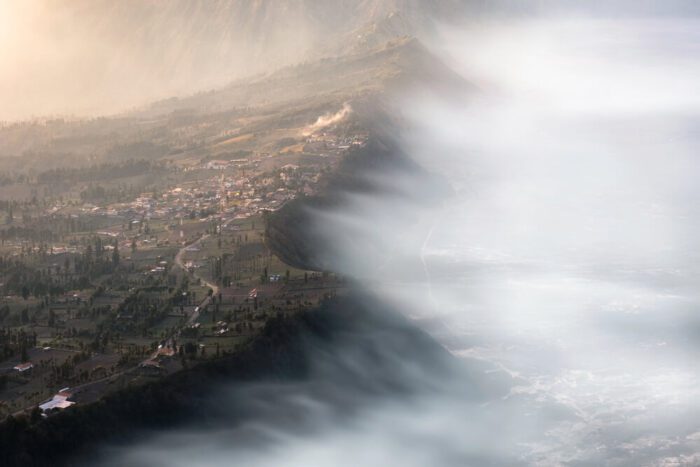
Mornings are often sunny or partly cloudy, offering a perfect window for sightseeing, hiking, or enjoying outdoor markets. The rain brings the landscape to life—lush, green, and vibrant, with a freshness in the air that’s hard to beat. And as a bonus, fewer tourists during this time means you can enjoy popular spots with a little more peace.
Afternoons, however, can be unpredictable. A sudden storm could change your plans, so flexibility is key.
Planning to visit Indonesia in 2026? Check your timing in When to Visit Indonesia 2026: Avoid Rain, Crowds & Closures.
What Works Well in the Rainy Season
Cultural activities are a safe bet. On rainy days, consider visiting museums, art galleries, traditional markets, or workshops. These places are mostly indoors and provide insight into local culture without being weather-dependent.

That said, avoiding nature completely would be a shame. Many outdoor activities can still be enjoyed—think tea plantations, short hikes, temple visits, hot springs, or even beaches. Just keep in mind that sunrises may be hidden in the mist, and sunsets are more likely to be washed out.
In areas like Yogyakarta, microclimates are common—rain may hit one area while another stays dry. So always carry a rain jacket or umbrella, and be ready to switch plans if needed.
Where to Be Cautious (and Why)
While Java is still accessible during the rainy season, some activities carry more risk:
- Mountain hikes and multi-day treks: Trails get muddy and slippery, and cold rain at high altitudes can lead to hypothermia. It’s safer to save volcano hikes for the dry season.
- Waterfalls: Even when skies are clear at the site, upstream rain can trigger sudden flash floods. At places like Tumpak Sewu, be prepared to exit early if clouds gather above Mount Semeru.
- Sea crossings and island trips: Boats to Karimunjawa, the Thousand Islands, or other remote spots are frequently delayed or cancelled due to rough seas. Never plan these trips right before a flight.
- Rip currents on the southern coast: If you see a red flag or no-swimming sign, take it seriously—currents here are strong and accidents are not uncommon.

Backindo Tip: Always check the latest weather alerts from BMKG (Indonesia’s official weather agency). Unlike the usual forecasts, their warnings about storms, high waves, or landslides are reliable and updated regularly. A quick look can save you from a cancelled plan—or a dangerous situation.
Rainy Season Travel Tips
Being prepared makes a big difference. Here’s how to stay comfortable and avoid trouble:
- Pack smart: Bring a light raincoat, quick-dry clothes, non-slip footwear, and a dry bag for electronics. An umbrella and extra socks can be lifesavers.
- Build buffer days into your itinerary, especially around boat transfers or outdoor trips.
- Check BMKG alerts: Indonesia’s official weather agency posts real-time updates on storms, floods, and high waves. Unlike general forecasts, their alerts are reliable.
- Talk to locals or guides: They often know more about incoming weather than any app.

Stay Flexible and Weather-Smart
Traveling in Java during the rainy season is not for everyone—but with the right mindset and preparation, it can be a rewarding experience. If you’re not on a strict schedule and you’re okay with adjusting plans as you go, you’ll still find plenty to enjoy.
Backindo Tip: If nature is a big part of your plan, consider staying longer in one region rather than moving constantly. This gives you a better chance to catch a good weather window without stress.