
At the eastern tip of Sumbawa Island, Bima is often used as a transit stop before continuing to Sape Port or Labuan Bajo. Many travelers only pass through, but if you already have time in the area, it can be worth slowing down for a day or two.
Bima sits between the sea, hills and dry landscapes typical of eastern Sumbawa. It is not as polished or easy to visit as Indonesia’s more popular destinations, but that is also why it can be interesting for travelers who like less touristy places.
In this guide, you’ll find the main things to see and do in Bima, plus practical notes on transport, beaches, nearby islands and where the logistics may need a bit more planning.
Why Visit Bima?
Bima is not a destination everyone will add to a first Indonesia itinerary. But if you’re traveling across Sumbawa, heading toward Labuan Bajo, or simply want to see a less visited part of Indonesia, it has enough history, local culture and nature to justify a short stop. The town was shaped by the Bima Sultanate, which played an important role in the region’s history.
Local culture is also very present in daily life. Most people in Bima are Muslim, and traditions are still important among the Mbojo people, the native ethnic group of the area. One thing you may notice is rimpu, a traditional way of wearing a sarong wrapped around the head and body, especially among women.
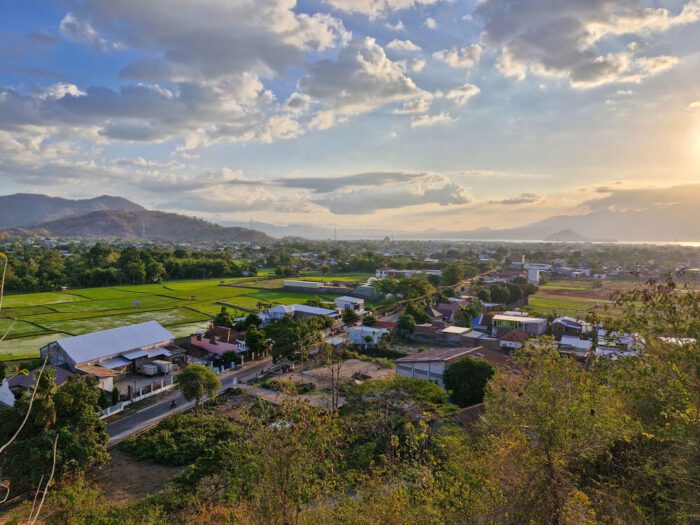
Outside the city, the main appeal is the landscape: beaches, hills, coastal roads and islands around Sape and Wera. Some places feel very local and simple, so come with flexible expectations rather than expecting a polished tourist destination.
Bima makes the most sense if you already travel through eastern Sumbawa or want to go beyond the usual Indonesia route. It is not the easiest place logistically, but with enough time it can become a useful and interesting stop.
What to Do and See in Bima
Bima has a mix of historical places, local culture, viewpoints, beaches and island trips. The places below are some of the most useful to know about when deciding whether to spend more time in the area.
Explore Bima City
Bima is a fairly large town, but it usually feels more local than touristy. The city itself is not packed with major attractions, but it can work as a practical base for a short look at Bima’s history, bay views and everyday life.
Here are some of the things you can explore around Bima City:
Asi Mbojo Museum
Located in the city center, Asi Mbojo Museum is one of the main places to learn about the former Bima Sultanate. The building was once the palace of the sultanate, with the current palace building dated to the early 20th century.
The sultanate itself no longer exists—it officially ended in 1951 after the passing of Sultan Muhammad Salahuddin. But inside the museum you can still see traces from that period. The collection includes royal heirlooms, traditional clothing, horse-riding equipment, weapons such as the legendary La Ngguntu Rante kris, and other historical artifacts connected to Bima’s past.
Entrance fees are quite low, around IDR 15,000 (about USD 1). Do not plan this as a long museum visit — for most travelers, 30–60 minutes is enough.
If you want to stay nearby, there are a few hotels around the museum area like Marina Hotel and Lambitu hotel, which makes it easy to explore the city on foot.
Amahami Floating Mosque
Amahami Floating Mosque is one of the city’s more recognizable landmarks. It sits by Amahami Beach and is built over the water, so from some angles it appears to float. You can reach it by a bridge from the shore.
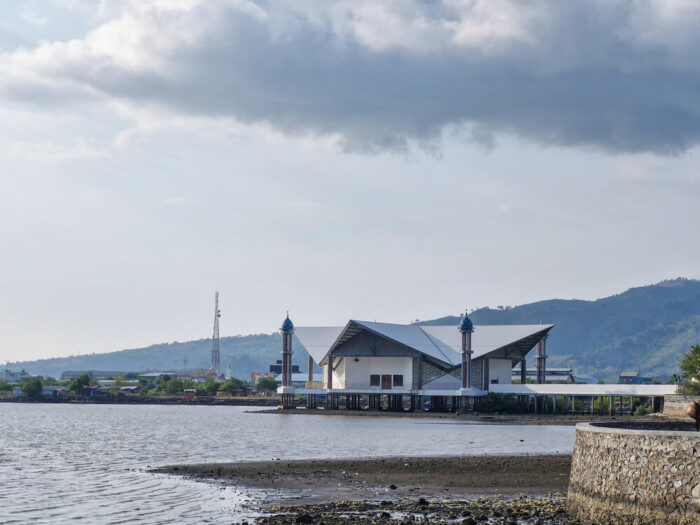
The mosque has a unique octagonal shape, known locally as ‘nggusu waru’, which symbolizes the eight qualities a leader should have.
Late afternoon is usually the nicest time to come, especially if you want to combine the mosque with a walk along Amahami Beach. Just remember that it is an active place of worship, so dress and behave respectfully.
Puncak Jatiwangi
If you want a simple viewpoint over Bima, Puncak Jatiwangi is one option. It’s only about 10–15 minutes from the city center, and the road is paved and easy to access. The best way to get there is by renting a scooter or car, since there’s no public transport going up.
On a clear day, you can see Bima surrounded by hills, with the bay and small islands in the distance. It’s just as nice in the evening too. Come around sunset, and as it gets darker, the city lights start to glow like stars.
You can stop along the roadside where it is safe, or go to Bukit Kita Jatiwangi, a hilltop café overlooking the city.
Lawata Beach
If you’re looking for something more laid-back and popular with locals, head to Lawata Beach. It’s one of the oldest tourist spots in Bima—around since the 1960s—and still a favorite for a casual day out.
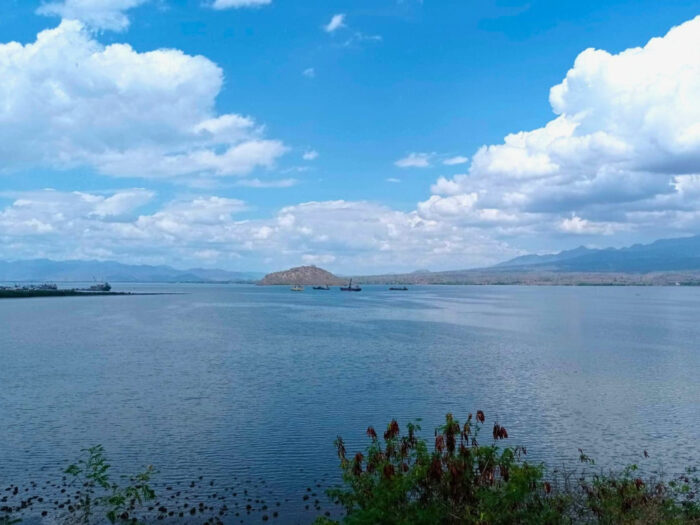
The area is fairly developed for Bima standards, with cafés, seafood places and simple attractions such as a swimming pool, banana boat rides and boat trips around the bay. One highlight here is the hilltop café, where you can enjoy a 360-degree view of Bima Bay with the surrounding hills in the background.
It can also be a good place for sunset. Entrance fees are usually low — around IDR 3,000 for adults and IDR 2,000 for children, plus a small parking.
Enjoying surfing in Sumbawa? Read our West Sumbawa guide West Sumbawa Guide: Beaches, Epic Surf & Hidden Gems.
Traditional Villages
Uma Lengge Wawo
If you want a more cultural stop outside the city, Uma Lengge Wawo is worth considering. It is about 40 minutes from Bima city, depending on traffic and transport.
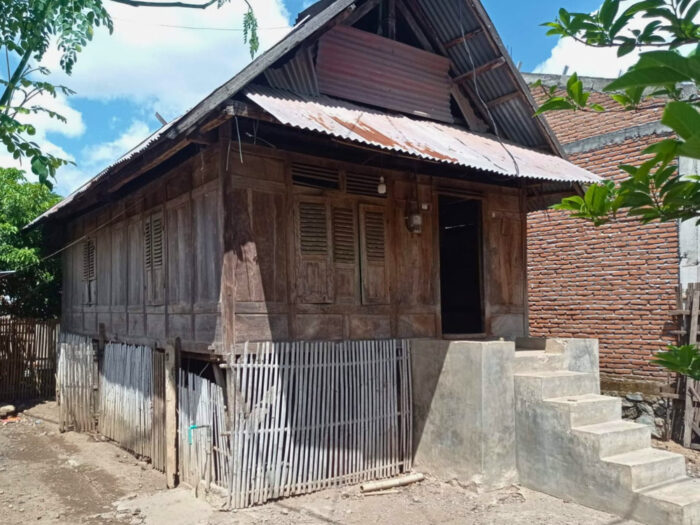
Backindo Tip: Uma Lengge are traditional rice barns connected to the Mbojo people. The interesting part here is not only one building, but the way several barns are grouped together in one area. These traditional barns are located in Wawo.
The structure itself is quite interesting. Each building is raised like a stilt house with multiple levels—the ground level is used for cooking, the second level for sleeping, the third for storing rice, and the top for keeping spices. Some of the roofs have been replaced with metal sheets, but a few still use traditional grass, while the wooden structure remains mostly intact.
Getting there by public transport may be possible, but it requires more patience. A local minibus can take you in the general direction, but timings and drop-off points may not be obvious for foreign travelers. With limited time, a scooter, driver or local guide is easier.
There is usually no formal entrance fee, but leaving a small donation is a good idea. If local children come with a guestbook, keep the interaction friendly but use your own judgment with donations and photos.
Sambori Village
If you’re looking for a cooler escape from Bima, Sambori Village is a great option. Located on the slopes of Mount Lambitu at around 700–1,100 meters above sea level, this highland village is often covered in mist—earning it the nickname “the land above the clouds.”
Sambori is home to the Donggo Ele community, part of the Mbojo ethnic group, who still preserve their language, traditions, and way of life. You’ll see women wearing rimpu in their daily activities, and traditional houses are still widely used. The uma lengge here are larger than those in Wawo and typically have three doors, while still functioning as both living spaces and storage.
Most locals work as farmers. During harvest season, they move to field huts and wear lupe—a traditional hat made from dried pandan leaves. At the peak of harvest, the village holds cultural celebrations as a form of gratitude.
Getting to Sambori takes about 1–1.5 hours from Bima. The road is paved in parts but narrow and winding through the hills, so it can feel challenging, especially for inexperienced scooter riders. Public transport is limited, so a scooter, car or local guide is more practical.
Backindo Tip: Transport in Bima is basic. If you’re planning to visit Sambori or other villages outside the city, arrange your transport in advance and avoid returning after dark.
Island Hopping & Beaches
Day Trip to Kelapa Island
If you have extra time in Bima and want to see more of the coast around Sape, Kelapa Island is one of the most interesting day trips you can add. This uninhabited island is often compared to a mini Raja Ampat — mostly because of its clear water, white sand beaches and rolling green hills.
To get the best view, you’ll need to hike up for about 20–30 minutes. From the top, near the lighthouse, you can see small islands scattered across the sea. On a clear day, some travelers and local operators say you may even spot Komodo Island in the distance, although visibility depends on the weather.
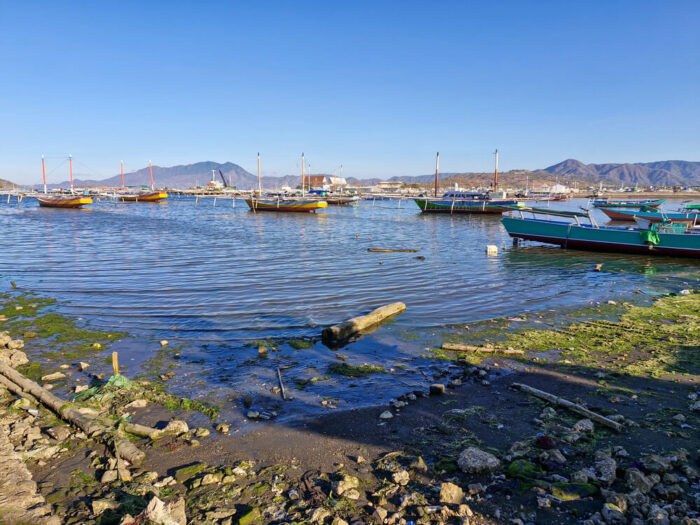
The trip usually starts from Sape Port and takes around 2–3 hours by boat, depending on the boat and sea conditions. You can go with a simple local fishing boat, which is usually more budget-friendly, or choose a phinisi-style boat if you want a more comfortable experience.
Most trips to Kelapa Island are combined with a few nearby stops:
- Tanjung Meriam Beach – Known for its unique hexagonal rock formations that look like rows of cannons.
- Pink Beach Lambu – A quiet beach with soft pink sand, surrounded by hills. It’s also a good spot for snorkeling.
You can join either an open trip or arrange a private trip. Open trips are usually more affordable, often around IDR 250,000 (around 15 USD) per person, and commonly run on Sundays. Private trips cost more, but give you more flexibility with timing, stops and boat type. Always check what is included before booking.
Most trips start early in the morning, so it’s a good idea to stay overnight in Sape. There are a few simple accommodations nearby, like Hotel Terapung Sape, which also has a café and seafood restaurant, and sometimes live music in the evening.
Lariti Beach
About 6 km from Sape Port, you’ll find Lariti Beach—known for its unique “split sea” phenomenon. At low tide, a natural sand path appears, connecting the mainland to Pualiman Island across the water.
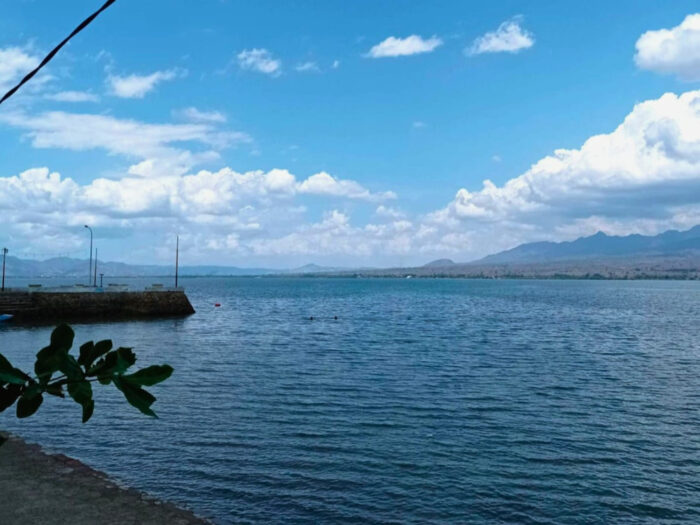
The best time to visit is during low tide, usually around 10 AM or later in the afternoon (around 4–5 PM), when you can walk across the sandbar.
Access is quite simple compared with many other places around Bima. You can drive there by road, or take a short boat ride from Sape Port
Snake Island Wera (Pulau Ular Wera)
On the eastern side of Bima, near Pai Village, you’ll find a small island known as Snake Island Wera. As the name suggests, the island is known for sea snakes, which are often seen around the rocks and shallow water.
The snakes are usually calm if left undisturbed, but they are still venomous sea snakes. This is a place to observe carefully, not to touch or handle wildlife for photos.
To get there, you can rent a local fishing boat from Pai Village or nearby beaches like Oi. The crossing only takes about 15 minutes.
Sangeang Island
North of Bima, you’ll find Sangeang Island, home to an active volcano rising straight from the sea. The volcano has two peaks: Doro Api at 1,949 meters and Doro Mantoi at 1,785 meters.
The island itself is not permanently inhabited, although local people sometimes cross over to tend their farmland. Most visitors don’t land on the island. Instead, they come for the view — either from the coast around Wera or by boat from a safe distance.
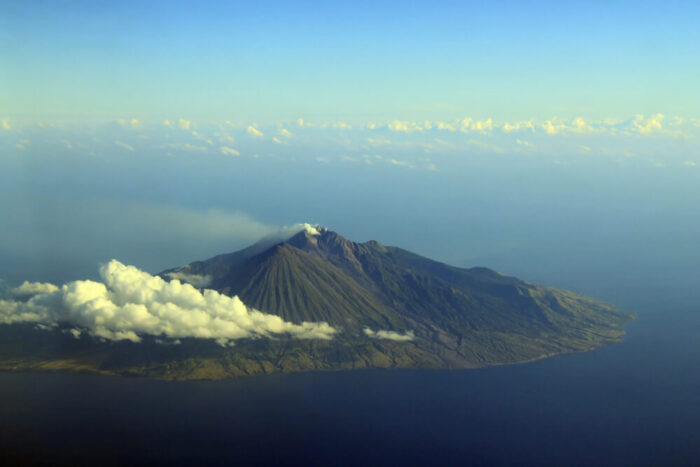
You can see Sangeang clearly from Sangiang Beach in Wera, or rent a local boat if you want to get closer and enjoy the volcanic scenery from the water. Climbing the volcano is not open to general visitors because of ongoing volcanic activity, so treat it more as a scenic island and boat trip than a hiking destination.
How to Get Around Bima
Getting around Bima is possible by private vehicle or public transport, but public transportation in Bima is still limited. Options like minibuses and local vans are available, but schedules are unreliable and the vehicles are often basic, with no air conditioning and older interiors.
The easiest way to explore Bima is by renting a car with a driver, especially if you’re planning to visit places outside the city.
You can also rent a scooter, but only if you are already confident riding in Indonesia and have the correct license and insurance. Roads outside the city can be hilly and winding so this option is better for experienced riders than for beginners.
Planning to ride a motorbike in Indonesia? Read our practical guide Riding a Motorbike in Indonesia as a Tourist.
How to Get to Bima
The easiest way to reach Bima is by flying. Bima has its own airport, Sultan Muhammad Salahuddin Airport (BMU), located about 15–20 minutes from the city center by car.
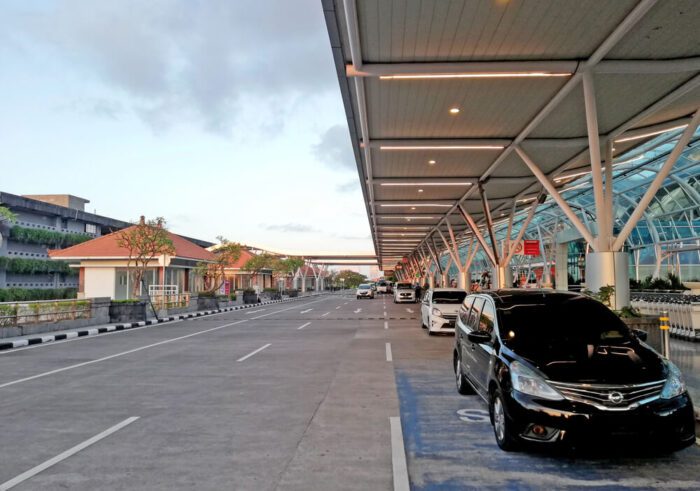
Direct flights usually connect Bima with Lombok, Bali, Makassar or Surabaya, depending on the current airline schedule. If you’re coming from Jakarta, you’ll usually need to transit in Bali or Lombok first.
Flights to Bima
- Bali to Bima – The flight takes about 1 hour. There is usually at least one direct flight per day.
- Lombok to Bima – Flights leave from Lombok International Airport near Praya and take about 1 hour.
Before booking a domestic flight in Indonesia, read our guide for practical tips Guide to Domestic Flights in Indonesia.
Ferry and overland routes to Bima
If you’re already traveling slowly through the islands, you can also reach Bima by ferry or overland.
- From Lombok – Take the ferry from Kayangan Port in East Lombok to Poto Tano Port in West Sumbawa (around 2 hours), then continue across Sumbawa by road.
- From Labuan Bajo – Take a ferry from Labuan Bajo to Sape Port, east of Bima. The journey usually takes around 6–8 hours, but schedules can change.
Where to Stay in Bima
Around Bima city, you’ll find a range of accommodations that are still quite affordable—perfect as a base before continuing your trip around the area.
- If you prefer staying in the city center, places like Marina Hotel Bima and Lambitu Hotel offer standard rooms with AC and decent amenities.
- For a more budget-friendly option, you can stay at Larangga Homestay.
- And if you’re after a beach view, Marina Inn is a good choice, located right by Amahami Beach.
Best Time to Visit
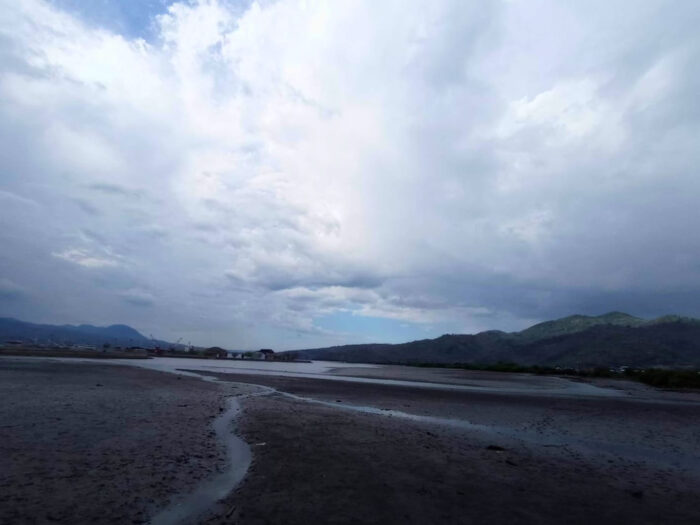
The most comfortable time to visit Bima is generally during the drier months, roughly from May to September. Just after the rainy season, the hills can still look greener, while later in the dry season the landscape becomes much drier. Sea conditions are usually better in the dry season, but always check locally for boat trips.
Safety in Bima
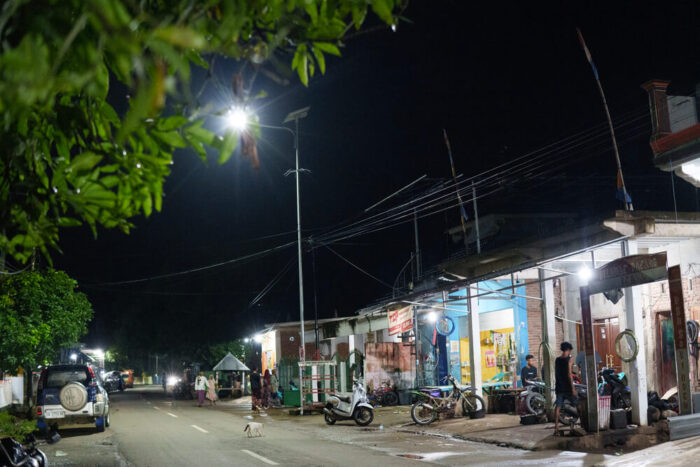
Bima city itself feels relatively safe, especially in more populated areas. But if you’re heading to more remote parts of the regency, it’s better not to travel alone after dark.
To stay safe, plan to return before evening, go with a local guide, or consider staying overnight—especially if you’re visiting areas far from the city.
How to Combine Bima in Your Itinerary
If you’re planning to visit Bima, it’s best to combine it with other destinations around Sumbawa. You can add places like Moyo Island, Kenawa Island, or even go whale shark spotting in Saleh Bay.

Bima also fits well into a longer trip to or from Labuan Bajo, making it a great stop along the way rather than just a transit point.
Planning on exploring Kenawa island and nearby spots? Read West Sumbawa Guide: Beaches, Epic Surf & Hidden Gems.
Is Bima Worth Visiting?
Bima is worth considering if you’re already crossing Sumbawa, heading toward Sape or Labuan Bajo, or interested in less visited parts of Indonesia. It offers local history, traditional villages, beaches and island trips, but requires more planning than places with stronger tourism infrastructure.
If you have limited time, Bima works better as a short stop than a main destination. But if you enjoy slower travel, local places and a bit of logistical adventure, a few days here can make your Sumbawa route more interesting.
Continue reading: