
If you’re looking for a remote island escape where life still moves slowly, the Togean Islands — also often spelled Togian Islands — are worth considering. This is not the easiest place to reach, and that is part of what keeps the islands quiet. Instead of large crowds, you are more likely to find fishing boats, small villages, coral reefs and long stretches of calm sea.
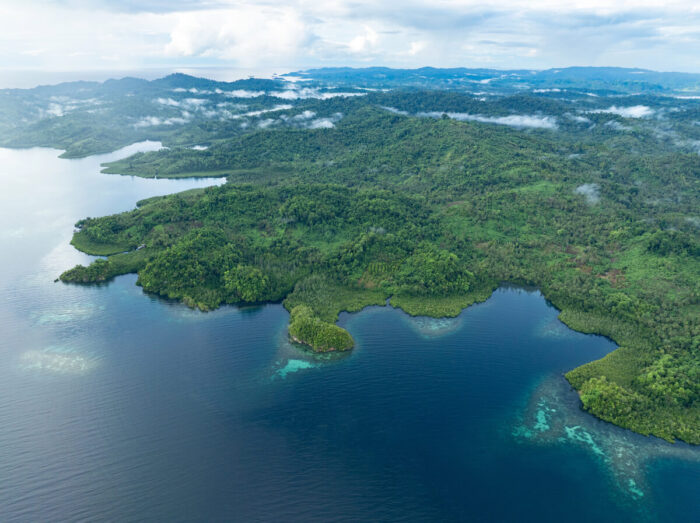
The Togean Islands are one of the most interesting parts of Sulawesi for travelers who enjoy beaches, snorkeling, diving and slower island life. You do need time and flexibility to get here, but if you don’t mind the effort, the islands can be one of the most rewarding stops in Indonesia.
Where Are the Togean Islands?
The Togean Islands are located in the Gulf of Tomini in Central Sulawesi, roughly between the southern and northern parts of the island. The main gateways are Ampana in Central Sulawesi and Gorontalo in the north.
On the map, the islands may look like a small detour, but in reality they require time, boat transfers and a flexible plan. This is why the Togeans work best as part of a longer Sulawesi route, not as a rushed two-day side trip.
Why Visit the Togean Islands
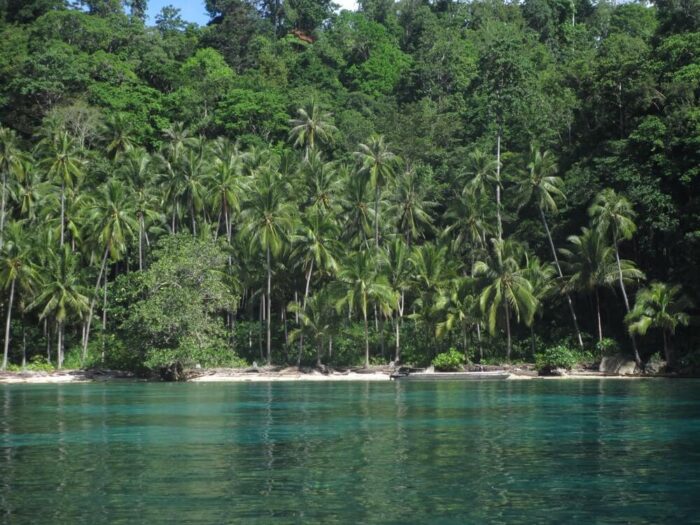
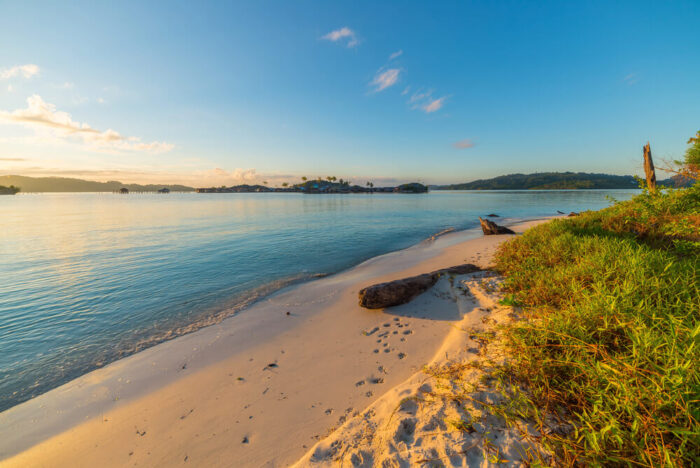
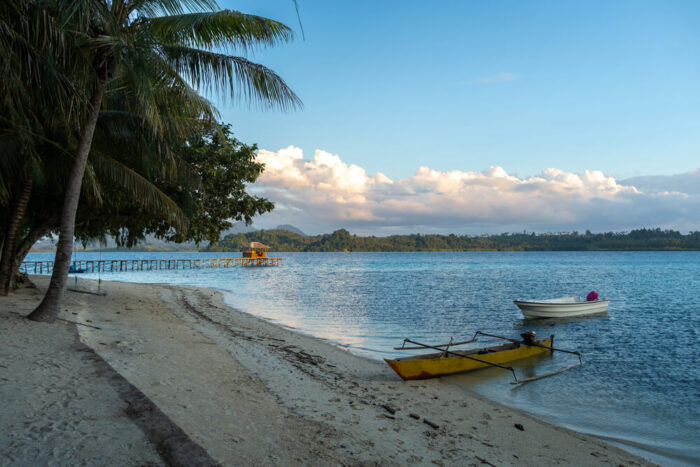
The Togean Islands are made up of dozens of tropical islands scattered across the Gulf of Tomini in Central Sulawesi. Their remoteness, natural setting and low level of mass tourism give the area a feeling that is becoming harder to find in many parts of Southeast Asia. Many islands are still very quiet, with beaches where you may see only a few other travelers.
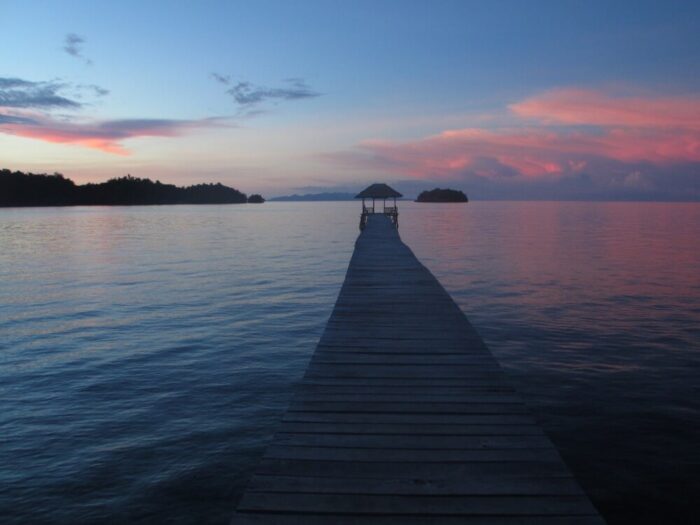
The underwater world is one of the main reasons to come here. The waters around the Togeans are known for coral reefs, good visibility and rich marine life, making the area popular for both snorkeling and diving. In many places, you can snorkel directly from the beach, which makes the experience feel very relaxed.
The islands are also culturally interesting. Several ethnic groups and communities live across the archipelago. The best-known are the Bajau, often described as sea nomads, who traditionally live in houses built on stilts above the water. Other communities include the Togean, Bobongko, Saluan and Bugis people.
The Togeans are also a good place for a digital detox. Internet is very limited across the islands, and in many places there is no phone signal at all. Charging your devices can also be part of the island routine, as many accommodations still use generators and only provide electricity for a few hours in the evening.
Backindo Tip: For remote islands like the Togeans, prepare before you arrive: download maps, save booking confirmations offline and do not rely on mobile data. You can also read our practical guide to internet in Indonesia before your trip.
Things to Do in the Togean Islands
Snorkeling and Diving
The Togean Islands are among the best-known diving areas in Sulawesi, and many travelers consider them one of the most rewarding underwater destinations in Indonesia. Around the islands, you’ll find coral reefs with rich marine life, good visibility and fewer divers than in some of Indonesia’s more famous diving regions.
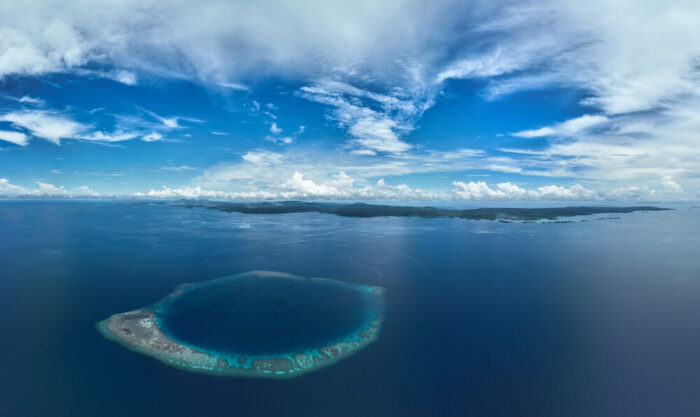
During dives, you may see sea turtles, moray eels, barracudas, lionfish, large schools of tropical fish and reef sharks. With more luck, dugongs or whale sharks may also appear in the wider area. The volcanic island of Una-Una is especially popular with divers and is often considered one of the best diving areas in the archipelago. Well-known dive sites include Greta’s Point, Black Forest, Pinnacle 1, Karang Lembut and Apollo.
Several local dive resorts and dive centers operate in the Togeans, especially around Kadidiri and Una-Una. They usually offer fun dives, snorkeling trips and beginner diving courses.
Backindo Tip: If you are comparing marine destinations in Indonesia, the Togeans feel much more remote and slower than places like Komodo National Park or Labuan Bajo. That can be the main reason to come here, but it also means fewer services and less predictable transport.
Mariona Lake
One of the most famous attractions in the Togean Islands is Mariona Lake, a jellyfish lake where the jellyfish have almost lost their ability to sting. Visitors can swim among them, which makes this one of the most unusual experiences in the area.
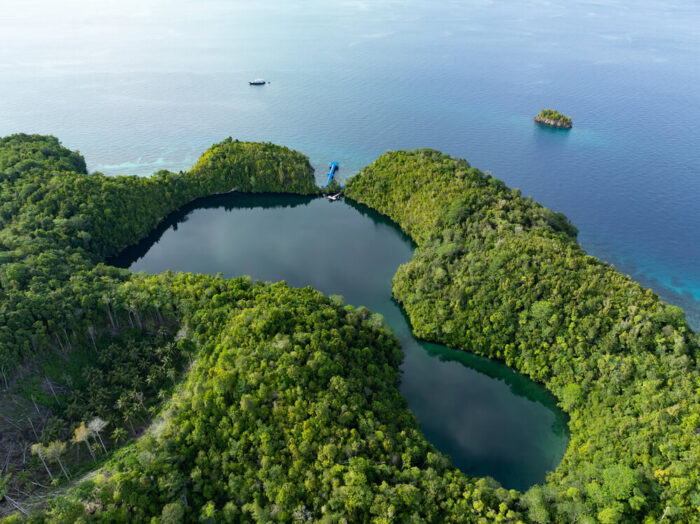
It’s worth keeping your expectations realistic. In photos, the lake often looks completely full of jellyfish, but the number can change a lot depending on the season and local conditions.
Waterfalls and Inland Treks
The Togean Islands are not only about the sea. On some of the larger islands, you can also visit small waterfalls hidden in the tropical forest or walk inland away from the coastal villages.
The largest settlement in the archipelago is Wakai, a fishing town and one of the main transport hubs for boats to nearby islands. A few kilometers from town, there is a small waterfall reached by a pleasant walk through the jungle. If you want to do something active away from the beach and snorkeling, it can be a nice afternoon trip.
There is also a waterfall on Waleakodi Island. Since these places are not developed as official tourist attractions, it is usually best to ask locally. People in the area can often show you the way or help arrange someone to take you there.
Visiting Bajau Sea Nomad Villages
On some islands, especially Batudaka and Togean, you can visit villages of the Bajau people, often known as sea nomads. For centuries, many Bajau communities lived closely connected to the sea, moving between islands by traditional boats. Today, many families still live in houses built on stilts above the water, and daily life remains strongly connected to fishing and the ocean.
The Bajau are also known for their remarkable diving abilities. Traditionally, they were able to dive to impressive depths for several minutes without modern equipment, often using only wooden goggles and a spear. Some studies suggest that their bodies may have partly adapted over generations to a life connected with deep diving.
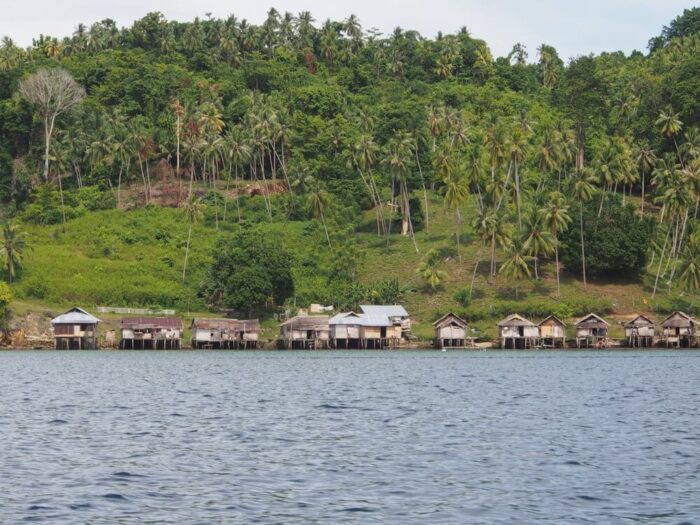
A visit to a Bajau village can be one of the most interesting cultural experiences in the Togean Islands. Just remember that these are real homes, not tourist attractions. Visit respectfully, ask before taking photos and avoid treating daily life as something staged for visitors.
Island Hopping
One of the best ways to experience the Togeans is by boat. Each island has a slightly different atmosphere. Some feel almost deserted, while others have small villages, basic resorts and sandy beaches. Island-hopping trips often include snorkeling stops or visits to sandbars.
How to Get to the Togean Islands
Getting to the Togean Islands is not difficult, but it is time-consuming and works best with a flexible plan. It helps to see the journey as part of the experience, not just as a transfer.
Backindo Tip: Planning more island travel in eastern Indonesia? Our guide to boat travel in NTT explains what to expect from ferries, local boats and changing schedules. The routes are different, but the planning mindset is very similar: stay flexible and do not build your itinerary around tight connections.
Most travelers reach the islands either from Ampana in Central Sulawesi or from Gorontalo in the north. To reach either town, you usually need to continue by bus, car or shared transport from larger cities on Sulawesi.
A good way to include the Togeans is as part of a longer Sulawesi route: arrive from the south through Ampana, spend a few days in the islands, then continue north to Gorontalo and Manado, where there is an international airport.
If you are not planning to travel across Sulawesi, coming from the south via Ampana is usually the easier option. The boat from Ampana to Wakai takes around 3-6 hours, depending on the type of boat and the number of stops. The large ferry between Wakai and Gorontalo is much longer and usually takes around 10-13 hours.
Boat transport depends on weather, sea conditions, port situations and public holidays. Schedules can change, and delays are common. When planning a trip to the Togean Islands, leave enough buffer time and avoid booking your next major transfer too tightly.
Backindo Tip: If you prefer to avoid organizing the route completely on your own, check the 7-day Togean Islands tour.
Best Time to Visit the Togean Islands
The best time to visit is usually during the dry season, from April to October, when the sea is generally calmer and the weather tends to be more stable.
You can still travel during the rainy season, but you need more flexibility. If the sea is rough, boats may be delayed or cancelled, and it can be difficult to move between islands on a fixed schedule.
Backindo Tip: For broader seasonal planning, read our guide on when to visit Indonesia. It helps explain why island routes need more buffer time during periods of rougher weather.
How Many Days Do You Need in the Togean Islands?
For most travelers, the Togean Islands are not worth visiting for only one or two nights. The journey takes time, boat schedules can change, and the islands are best enjoyed at a slower pace.
As a minimum, plan around 3-4 nights if you only want a short island break with some snorkeling and beach time. A more comfortable plan is 5-7 nights, especially if you want to visit more than one island, take a snorkeling trip, swim in Mariona Lake or do a few dives.
If you are coming mainly for diving or want a real digital detox, staying one week or more makes much more sense. This gives you enough time to deal with slower transport and still enjoy the islands without feeling rushed.
Getting Around the Togean Islands
Transport between islands is mainly by boat. Some resorts organize their own transfers, while in other places you can use public boats or arrange a private boat.
Public boats are usually cheaper, but they can be slow and unpredictable. On most islands, you get around on foot. Because many of the islands are small and quiet, this is usually not a problem.
Where to Stay in the Togean Islands
Accommodation in the Togean Islands is often quite basic, and this is part of the experience. There are a few more comfortable resorts, but many travelers stay in small bungalows built above the water or just a few steps from the beach.
Comfort is usually limited. On some islands, electricity is available only for a few hours in the evening, and hot water is more of a bonus than a standard facility. Before booking, check carefully what is included and what kind of comfort you can realistically expect.
Many accommodations include full board, because on several islands there are almost no restaurants, shops or other services. It is common for guests to eat at the same resort or guesthouse where they stay.
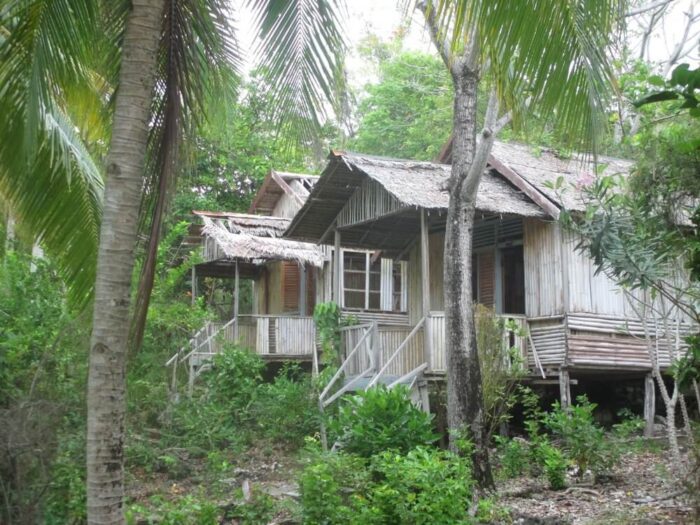
Popular areas to stay include Kadidiri, Malenge, Batudaka and Una-Una. Each part of the archipelago has a slightly different feel, from easier-to-reach islands with more traveler infrastructure to very remote places with almost no signs of tourism.
Fadhila Cottage Resort on Togean Island can work well as a strategic base. For divers, Sanctum Una Una Eco Dive Resort on Una-Una is a good option to consider. If you want quiet surroundings with a little more comfort, Bolilanga Island Resort on the small island of Bolilanga can be a good alternative. Kadidiri Paradise is a budget-friendly option, with the possibility of paying more for a nicer private villa while still staying within a reasonable price range.
Backindo Tip: Before booking, ask about electricity hours, transfer options, whether meals are included and whether snorkeling is possible from the beach.
What to Eat in the Togean Islands
Fish and seafood are the main foods you’ll find in the Togean Islands. Meals are often home-style: grilled fish, rice, sambal and some vegetables. On smaller islands, food choices can be limited, so it helps not to arrive expecting a restaurant scene.
Fresh coconuts are easy to find in many places and are a good way to rehydrate, replace minerals and keep you going between meals.
In some parts of the Togean Islands, you may also hear about the coconut crab, one of the largest land arthropods in the world. It is known for its strong claws, which can crack open coconuts. In the past, coconut crab was considered a local specialty in some areas, and you may still find old travel articles mentioning it as something to try.
Today, however, coconut crab populations are declining in many parts of Indonesia, and hunting is regulated or banned in some places. For this reason, we do not recommend supporting its consumption.
For more context on responsible wildlife experiences, read our guide to ethical animal attractions in Indonesia.
Where to Go Next
The Togean Islands work well as a slow island break during a longer Sulawesi trip. If you continue north, it is worth spending at least a short time in Gorontalo, which is one of the main gateways to the northern part of the island.
From Gorontalo, you can continue to Manado and then to Bunaken, one of Indonesia’s most famous diving areas. Bunaken is much easier to organize than the Togeans, with more day trips and snorkeling tours available from Manado.
If you still have time in North Sulawesi, Tangkoko Nature Reserve near Bitung is also worth considering, especially if you want to see wildlife such as tarsiers and black crested macaques. This is a very different experience from the Togeans and can be a good contrast after several quiet island days.
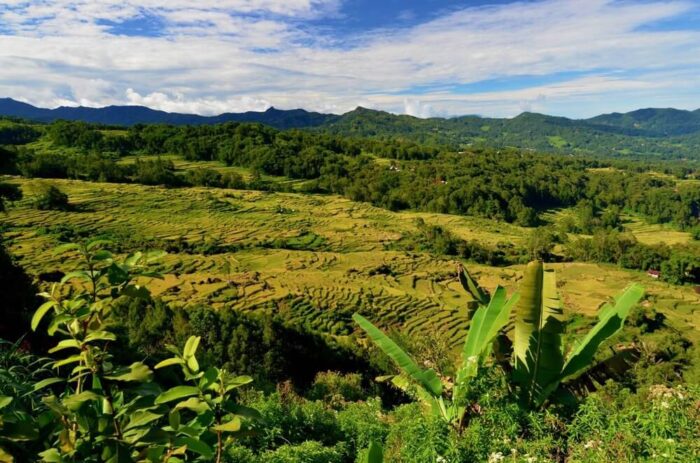
If your route goes south instead, Sulawesi starts to feel completely different. Tana Toraja is known for its distinctive culture, traditional architecture and funeral rituals, while South Sulawesi offers mountain landscapes, coastal areas and larger cities, including Makassar.
For travelers planning a longer Indonesia route, Backindo also has practical guides to Flores, Sumba, Labuan Bajo and Komodo National Park. These are not direct next stops from the Togeans, but they are useful if you are comparing remote islands, boat trips and marine destinations beyond Sulawesi.
Are the Togean Islands Worth Visiting?
The Togean Islands are not for every traveler. Moving around the archipelago is slow, infrastructure is basic and comfort can be limited. On some islands, internet and electricity are available only in a very limited way.
But if you are looking for remote islands, good snorkeling and diving, quiet beaches, slower travel and a place that still requires some effort to reach, the Togean Islands can be one of the most rewarding places to visit in Indonesia.
FAQ About the Togean Islands
Are the Togean Islands and Togian Islands the same place?
Yes. Togean Islands and Togian Islands are two common spellings for the same archipelago in the Gulf of Tomini, Central Sulawesi. You may see both versions used in travel blogs, maps and booking platforms.
Are the Togean Islands worth visiting?
Yes, if you enjoy remote islands, snorkeling, diving, quiet beaches and slow travel. They are less suitable if you want easy logistics, strong internet, nightlife or high comfort.
How do you get to the Togean Islands?
Most travelers reach the Togeans by boat from Ampana or Gorontalo. Ampana is usually easier if you are coming from the south, while Gorontalo works well if you are continuing toward North Sulawesi and Manado.
How many days do you need in the Togean Islands?
Plan at least 3-4 nights if you only want a short visit. For a more relaxed trip with snorkeling, Mariona Lake, island hopping or diving, 5-7 nights is a better choice.
Can you visit the Togean Islands without diving?
Yes. Diving is a major reason to come, but you can still enjoy the islands through snorkeling, beach time, boat trips, Mariona Lake, small waterfalls and visits to local villages.
Is there internet in the Togean Islands?
Internet is very limited in many parts of the Togeans, and some islands have little or no phone signal. Treat the trip as a digital detox and download important information before you arrive.
When is the best time to visit the Togean Islands?
The best time is usually the dry season from April to October, when the sea is generally calmer and the weather tends to be more stable. During the rainy season, boats may be delayed or cancelled if the sea is rough.
Should you start from Ampana or Gorontalo?
If you are not crossing Sulawesi from south to north, Ampana is usually the easier gateway. Gorontalo makes more sense if you are continuing toward Manado, Bunaken or other parts of North Sulawesi.
Continue reading: