
As the third-largest city in Java, Bandung is not only known for its modern side, busy streets, and lively urban scene. More than that, Bandung has a charming historical side that makes the city even more interesting to explore.
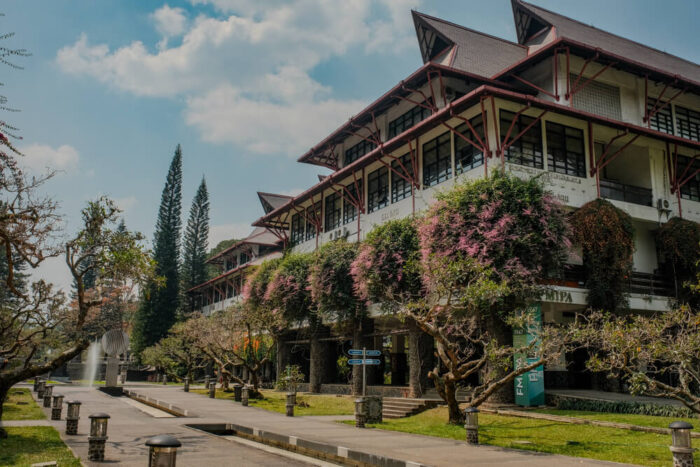
In some areas, you can still find old buildings with European-style architecture, from houses to heritage buildings that may remind you a little of Kota Tua in Jakarta. Bandung became a strategic area for the Dutch during the colonial era, especially around the 18th and 19th centuries, and many traces of that period can still be seen today.
So, let’s take a little flashback and explore the historical sites in Bandung, what you can see, and what you can do in this city once famously known as the Paris van Java.
If you’re planning a trip to Bandung, this article is part of our wider Bandung guide series. We’ve already covered:
- Complete Bandung Travel Guide
- Strawberry Picking in Bandung
- Best Tea Plantations in Bandung
- Whoosh High-Speed Train from Jakarta to Bandung
- Tangkuban Perahu
- White Crater (Kawah Putih)
Bandung During the Dutch Colonial Era
During the colonial era, Bandung grew because of its strategic location. The city sits in the highlands of Priangan, surrounded by mountains, with a much cooler climate compared to Batavia, now Jakarta. This natural setting made Bandung especially attractive to Europeans, including colonial officials, plantation owners, and the Dutch elite.
Bandung’s development became even faster after the area was included in the route of the Great Post Road mega project, built under Governor-General Herman Willem Daendels to connect different parts of the Dutch colonial administration.
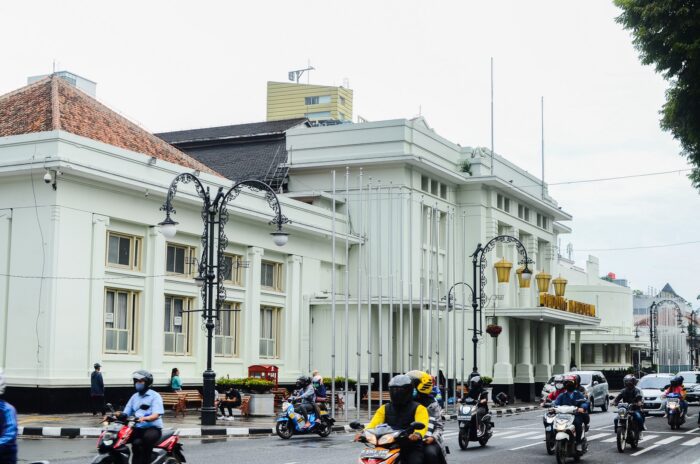
This historic route passed through what is now the Asia Afrika area. Over time, Bandung transformed from an agricultural region into an administrative and economic center, as well as a European-style residential city. In 1906, Bandung officially gained the status of gemeente, or municipality, and later grew into a popular retreat and activity hub for plantation owners.
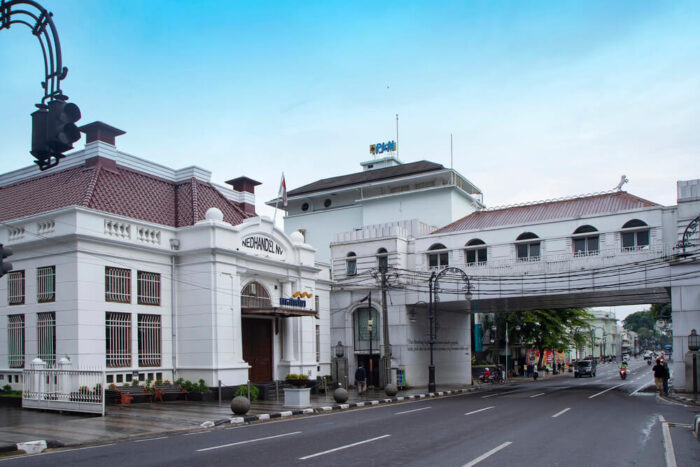
By the early 20th century, Bandung entered its golden era. Colonial and Art Deco-style buildings started to appear, luxury hotels were built, shopping districts expanded, and Braga became one of the city’s most fashionable lifestyle areas. This was where Bandung’s image as Paris van Java began to take shape: a tropical city with a strong European touch.
Bandung Was More Than Just Colonial Buildings
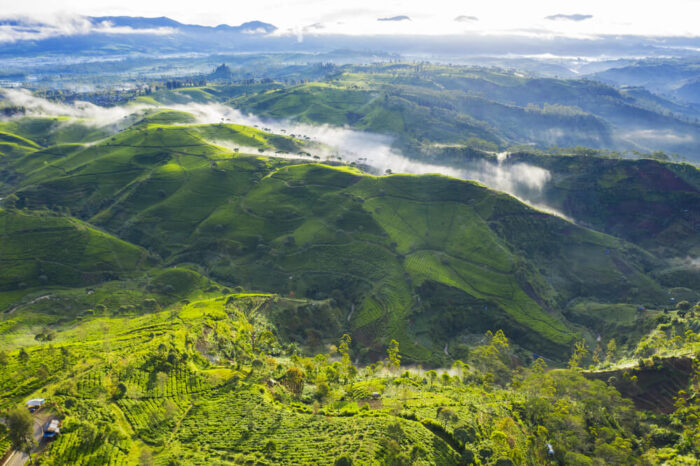
Bandung and the wider Priangan region were also important for the plantation sector. During the colonial era, the Dutch government and European entrepreneurs developed tea, coffee, and cinchona plantations around Bandung.
Cinchona was especially valuable because it was used to produce quinine, a medicine that played an important role in treating malaria at the time. These plantations made Bandung more than just a residential area for the Dutch elite. The city also became an economic hub connected to global trade.
You can still feel this legacy today. Areas like Ciwidey, Pangalengan, Lembang, and their surroundings are still known for their cool air and beautiful tea plantation landscapes. So, when travelers enjoy the green scenery around Bandung, they are also looking at a part of the city’s long history as a colonial agricultural region.
Key Historical Moments in Bandung
Bandung’s story did not end with the colonial era. The city also witnessed several important events, from Indonesia’s struggle for independence to moments that shaped international history.
Bandung Lautan Api
One of the most heroic events in Bandung’s history was Bandung Lautan Api, or the Bandung Sea of Fire, in March 1946. At that time, Indonesian fighters and the people of Bandung chose to burn parts of the city so the enemy could not use it.
This decision became a powerful symbol of sacrifice. For the people of Bandung, it was better to leave the city in flames than to surrender it to the colonizers.
The Asian-African Conference
Bandung also became the host city of the Asian-African Conference, also known as Konferensi Asia Afrika (KAA), which took place from April 18 to 24, 1955, at Gedung Merdeka.
The conference was attended by representatives from 29 Asian and African countries, many of which had recently gained independence or were still fighting for it. The meeting discussed various diplomatic issues, including peace, decolonization, economic cooperation, and the position of developing countries during the tensions of the Cold War.
Must-Visit Historical Sites in Bandung
Asia Afrika Street
Asia Afrika Street is one of the best areas to experience Bandung’s history in just one walking route. Along this street, you can find heritage buildings, museums, historic hotels, and plenty of popular photo spots.
It is also a great area for a walking tour because many of the main attractions are located close to each other. Late afternoon is usually one of the best times to visit, as the area feels more lively, the light is softer for photos, and many people come here to take a relaxing stroll.
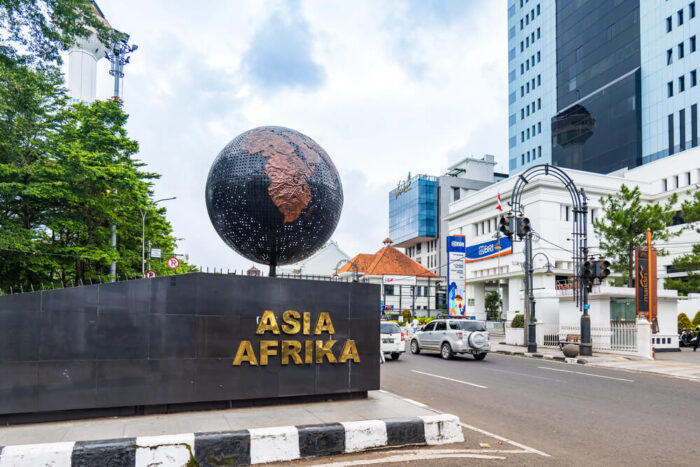
Here are some historical landmarks around Jalan Asia Afrika that you can visit:
- Gedung Merdeka and the Asian-African Conference Museum: Gedung Merdeka (Independence building) was once a gathering place for the colonial elite under the name Sociëteit Concordia. Ahead of the Asian-African Conference in 1955, the building was renamed Gedung Merdeka and became the main venue for this historic international conference.
- Hotel Savoy Homann: Not far from Gedung Merdeka stands Hotel Savoy Homann, one of the most famous heritage hotels in Bandung. The hotel is known for its beautiful Art Deco architecture and was once used as a place to stay by important figures during the Asian-African Conference.
- Bandung 0 Kilometer Monument: another historical landmark in the city. It marks the starting point of Bandung’s development during the construction of the Great Post Road in 1810. The monument is located to the east of Gedung Merdeka and is easy to recognize because it has a small steam car replica on top.
- Bandung City Square: Located to the west of Gedung Merdeka, Bandung City Square (Alun-Alun Bandung), used to be part of the city’s administrative center. Historically, this area was connected to the local regency government and became a symbolic space that separated local authority from the colonial government. Today, Alun-Alun Bandung is one of the favorite spots for locals and visitors who simply want to chill, sit on the grass, and enjoy the city atmosphere.
- Grand Mosque of Bandung: called Masjid Raya Bandung, was originally built in 1812. It is one of the historical religious sites in Bandung and is located right next to the regent’s pavilion and Bandung City Square.
Besides the landmarks above, the streets around Jalan Asia Afrika are filled with old buildings featuring European-style architecture. You can also find Sumur Bandung, located inside the PLN building area, and Gedung Pensil, a unique building on the eastern side of the street.
And here is a fun modern twist: the pedestrian area of Jalan Asia Afrika has become a local icon. One of the most unique things you might see here is people cosplaying as ghosts and fictional characters, making the street feel almost like an open-air haunted house. It adds a playful and unexpected side to this historical part of Bandung.
Braga Street
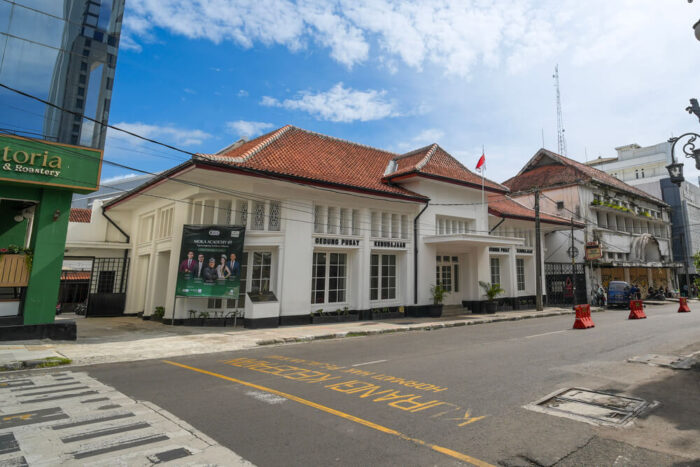
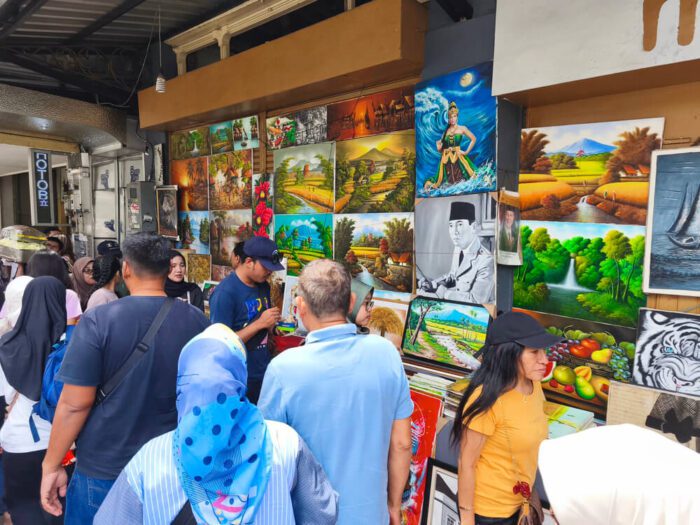
Braga Street is one of the most iconic areas in Bandung. During the colonial era, Braga was known as an elite district filled with shops, European-style entertainment venues, and restaurants, some of which have been around since the early 1900s.
Today, Braga still keeps its classic charm through rows of old buildings, art galleries, cafés, and its lively pedestrian atmosphere. At the northern end of Braga Street, you can also find Taman Sejarah, a small historical park located near Bandung City Hall.
Braga is a great place to visit after exploring Jalan Asia Afrika, as the two areas are located close to each other. In the late afternoon or evening, the street becomes even livelier with visitors strolling around, taking photos, and enjoying the old-city vibe. This area gives you a glimpse of how Bandung grew into a fashionable lifestyle city during the colonial era.
Gedung Sate
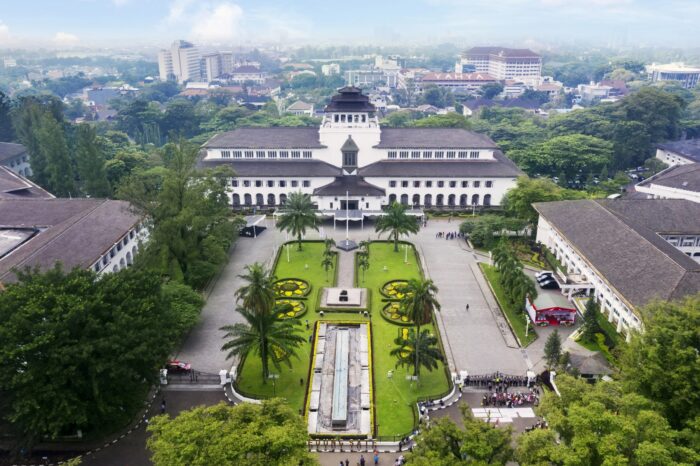
Gedung Sate is one of the most famous landmarks in Bandung. This Dutch colonial building was built in 1920 and is known for its unique architecture, which combines European design with local elements. Now, Gedung Sate serves as the office of the West Java provincial government and remains one of the city’s most recognizable icons.
Inside the complex, you can also find a museum and a spacious garden area that visitors can explore. Just keep in mind that Gedung Sate is still an active government office, so it is best to dress modestly when visiting. Make sure to wear clothes that cover your shoulders and knees.
Colonial Retreat Area in Dago
During the colonial era, Dago developed as an elite residential area and a popular retreat. Its cool weather, leafy roads, and higher location made it especially attractive to Europeans living in Bandung.
You can still find upscale residential areas here with old Dutch-style houses. The atmosphere feels a little similar to Ijen Boulevard in Malang, with its wide streets, classic houses, and calm neighborhood vibe.
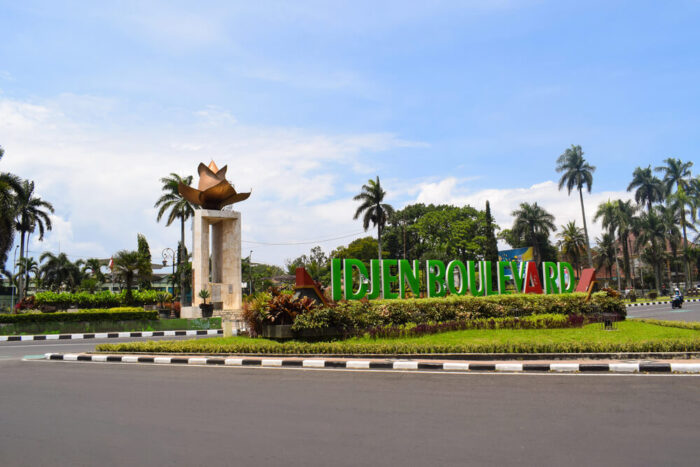
Besides old residential buildings, Dago also has several historical sites, such as the Japanese Cave and Dutch Cave. Another interesting colonial-era landmark is the Dago Hydroelectric Power Plant, which was built around the 1920s.
Today, Dago is better known as a tourism and culinary area. There are many scenic attractions around Dago, with cool air, beautiful views, and plenty of places where visitors can relax and enjoy Bandung’s highland atmosphere.
Malang is another Javanese city with rich colonial history. Learn more in Malang Dutch History: A Guide to Colonial Heritage and Landmarks.
Tea Plantations and Other Historical Sites Around Bandung
Bandung’s history does not only live in the city center. If you move to the southern side of Bandung, you will find the Pangalengan tea plantation, which has been around since 1896. Located at the foot of Mount Malabar, this plantation was developed by Karel Albert Rudolf Bosscha and became one of the best tea plantations in Java.
Here, you can visit the old tea factory, which was established in 1910, as well as Bosscha’s grave and Bosscha’s house. It is a great place to see another side of Bandung’s colonial history, surrounded by green hills and cool mountain air.

Besides Pangalengan, other old tea plantations can also be found in the Ciwidey area, such as Rancabali Tea Plantation and Gambung Tea Plantation. Gambung is especially interesting because it is known for having some of the oldest tea plants in the region and has also been connected to cinchona research, which still continues today.
On the northern side of Bandung, the cool highland area of Lembang was also once a favorite stop for the Dutch. Some historical places you can visit here include the Bosscha Observatory, an important astronomy research center, and the former Ursone family house, which has now been turned into a café while still preserving the original structure of the old family home. Around Lembang, you can also find tea plantations that add to the area’s calm and scenic atmosphere.
Heritage Walking Tour in Bandung
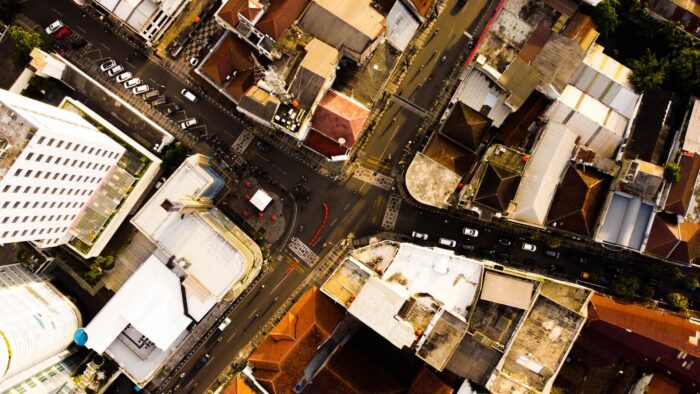
One of the best ways to enjoy Bandung’s history is by exploring the Asia Afrika and Braga areas on foot. Many historical landmarks are located close to each other, making this route perfect for a short and easy walking tour.
A simple route you can try is:
Gedung Merdeka – Asian-African Conference Museum – Hotel Savoy Homann – Braga Street – Bandung City Square
For a richer experience, you can also join a guided walking tour. With a local guide, you will not only see the buildings, but also hear the stories behind them, from Bandung’s colonial past to the important historical moments that shaped the city.
Bandung’s Colonial Heritage: Explore Bandung Differently
The Dutch history of Bandung is not just about old buildings left behind from the colonial era. It is a story shaped by colonial strategy, plantation economy, European architecture, Indonesia’s struggle for independence, and international diplomacy.
From the tea, coffee, and cinchona plantations of Priangan, Bandung grew into an important city during the colonial period. Through the flames of the 1946 Bandung Sea of Fire, the city showed the courage and sacrifice of its people. And through the Asian-African Conference in 1955, Bandung became a symbol of solidarity between Asian and African nations.
That is why exploring Bandung is more than just a regular city tour. It is a journey through a city that was once a colonial economic center, a witness to Indonesia’s fight for independence, and a stage for world history.
Continue reading: