
If you’re craving an adventure packed with surprises, Sumatra should be at the top of your travel list. This isn’t just any island—Sumatra is Indonesia’s third-largest island, and it’s nearly three times the size of Java! Stretching across the western edge of the country, Sumatra is home to breathtaking natural beauty, untouched rainforests, and incredible biodiversity that still thrives in the wild.
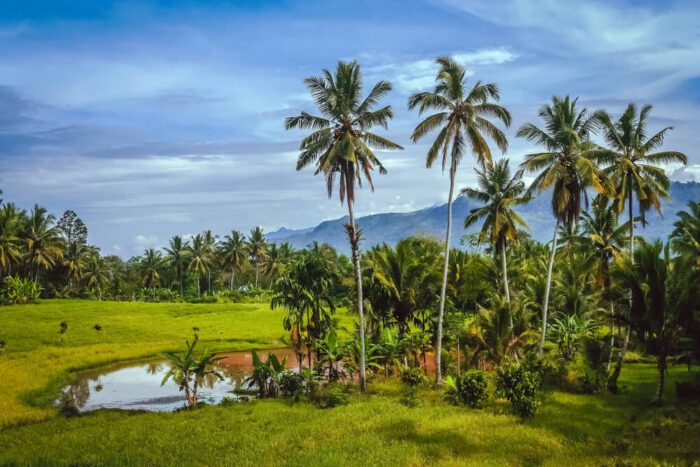
But Sumatra offers more than just nature. It’s a vibrant mix of arts, traditions, and multicultural life that will captivate your senses. Every region has its own story, flavors, and unique charm. And the best part? You’ll find all of it right here on this one remarkable island.
Why Should You Visit Sumatra?
Sumatra offers something truly special for those seeking a deeper kind of travel. Its landscapes are vast and wild—volcanoes wrapped in mist, ancient rainforests echoing with the calls of orangutans, and lakes so still they feel otherworldly. Nature here isn’t just a backdrop; it’s a living, breathing part of the journey. Whether you’re trekking through jungle trails or watching the sun rise over Lake Toba, the island constantly reminds you of just how beautiful untouched places can be.
But Sumatra’s magic doesn’t stop at its scenery. The island is a rich tapestry of cultures, from the deeply spiritual communities in Aceh to the vibrant traditions of the Minangkabau and Batak people. Everywhere you go, you’ll find warm smiles, hearty local dishes, and stories waiting to be shared. It’s a place where you can slow down, connect, and experience Indonesia in its most authentic form.
Must Visit Places in Sumatra
Sumatra is a land of contrasts—where each region tells a different story, shaped by its landscapes, people, and history. So if you’re planning a trip through this vast island, here are some must-visit spots that will give you a taste of Sumatra’s vibrant soul.
Aceh
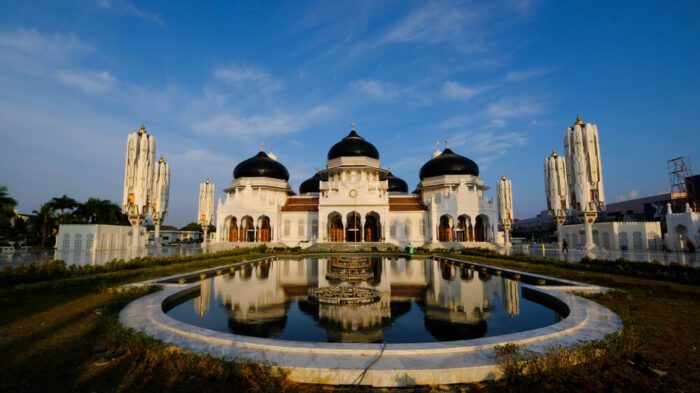
Aceh, often called the “Veranda of Mecca” (Serambi Mekkah), is a region rich in Islamic heritage, history, and natural beauty. In Banda Aceh, you can visit the iconic Baiturrahman Grand Mosque, a stunning symbol of faith and resilience, especially after it withstood the 2004 tsunami.
Nearby, the Tsunami Museum offers a moving glimpse into the disaster’s impact through powerful exhibits that honor the lives lost and the strength of the survivors.
Outside the city, Aceh hides tranquil escapes like Pulau Weh, a peaceful island perfect for snorkeling, diving, and beach hopping. As a province that follows Sharia-based customs, visitors are expected to dress modestly—women don’t have to wear a hijab, but covering shoulders and knees is recommended to respect local culture.
Backindo Tip: Unfortunately, Aceh was hit again in late 2025 by severe floods and landslides, following the devastating tsunami in 2004. In some areas, infrastructure is still damaged, roads remain in poor condition, and local communities are focusing on rebuilding their homes and livelihoods.
North Sumatra
Medan
Medan is the capital of North Sumatra, and a true melting pot of cultures. This multicultural city is home to Malay, Batak, Indian, and Chinese communities, each contributing to its rich, colorful identity. While in Medan, take time to explore its historical landmarks—like the yellow-hued Maimun Palace, the grand Great Mosque, the elegant Tjong A Fie Mansion, and Little India Medan, which houses the oldest and largest Hindu temple in the city.

Despite its history, Medan is also a lively urban hub filled with local eateries and cozy cafés serving excellent coffee. For a truly local experience, hop on a “bentor” (becak motor) and ride through the city streets—it’s a fun and authentic way to see Medan up close.
What else to do and see in Medan? Read Medan: What To Do and See in North Sumatra.
Lake Toba
Lake Toba isn’t just the largest lake in Indonesia—it’s also the largest volcanic lake in the world. Formed around 74,000 years ago after a massive supervolcanic eruption, the lake sits within an enormous caldera created by one of Earth’s most powerful eruptions in history. Today, this breathtaking landscape is a peaceful expanse of deep blue water, surrounded by cool highlands and lush pine forests.

At the heart of the lake lies Samosir Island, almost the size of Singapore, which rose from the caldera floor after the eruption. The island is the cultural heartland of the Batak Toba people. In villages like Tomok and Ambarita, traditional wooden houses with dramatic curved roofs still stand proudly, and ancient stone relics whisper stories of a rich and complex past. Life here moves at a slower pace—locals farm the land, weave Ulos cloth by hand, and carry on centuries-old traditions with quiet pride.
Don’t leave without tasting Ikan Mas Arsik, a spicy carp dish unique to the region, or shopping for handwoven Ulos as a meaningful souvenir. Just outside the lake area, the majestic Sipiso-piso Waterfall plunges from the highlands, offering yet another reason to fall in love with this extraordinary place.
Bukit Lawang
If you’ve ever dreamed of seeing orangutans in the wild, Bukit Lawang is the place to go. Nestled on the edge of Gunung Leuser National Park, this small riverside village is the gateway to one of the last remaining habitats of the critically endangered Sumatran orangutan. Here, you can join a guided jungle trek deep into the rainforest and experience nature like never before.
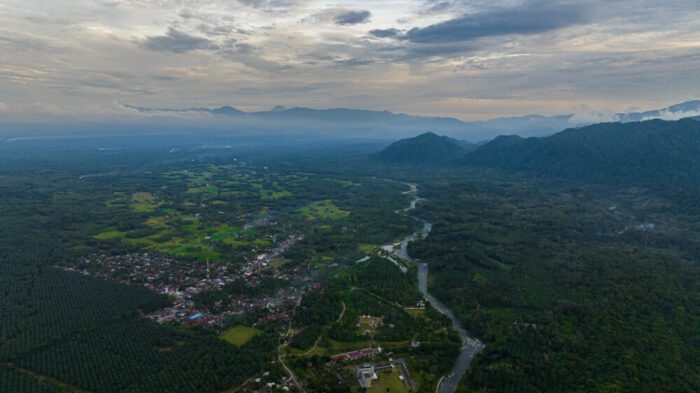
Most treks last around 6–7 hours, led by experienced local guides who know the forest like the back of their hand. For a true wilderness adventure, you can even book an overnight tour and camp inside the jungle. Along the way, you might also spot other wildlife—like Thomas leaf monkeys, forest turtles, and a colorful array of birds and insects.
After a long day of trekking, the perfect way to return is by tubing down the Bohorok River—a fun, relaxing float through lush scenery that’s as thrilling as it is refreshing.
Interested in exploring Bukit Lawang? Also read about: How to See Wild Orangutans in Bukit Lawang (Sumatra).
Berastagi
If you enjoy cool weather and highland views, Berastagi might be just the right place for you. This small town in North Sumatra sits between two volcanoes: Mount Sinabung and Mount Sibayak. With its chilly climate and mountain scenery, Berastagi is perfect for a relaxed getaway.
While you’re here, you can stop by the hot springs near Mount Sibayak, visit local vegetable farms, or explore traditional Karo villages like Dokan and Lingga, where you can still see original longhouses. If you enjoy hiking, Mount Sibayak is also a great option. The trail is beginner-friendly and can be completed in just a few hours.
Riau Islands
Bintan Island
Located just across from Singapore, the Riau Islands are a great destination for island hopping. If you’re in Singapore and looking for a short escape, Bintan Island is definitely worth checking out. Just like the industrial island of Batam, Bintan sits right next to Singapore, and it only takes about one hour by ferry to get there.
Bintan has a strong oriental influence, and you’ll see it clearly in its temples and cultural sites. One of the highlights is the Dharma Santi Temple, home to a large golden Buddha statue. You can also visit the Vihara Seribu Wajah (Thousand Faces Temple), known for its hundreds of unique Luohan statues that line the temple grounds—each one with a different expression.
For full guide, read this: Bintan Island: Things to Do on a Quick Getaway from Singapore.
Natuna Island
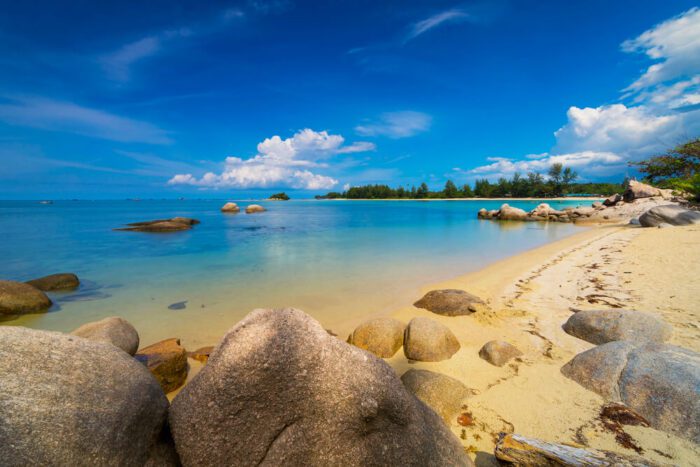
Natuna is one of Indonesia’s outermost islands, located right on the edge of the South China Sea. While it’s mostly known as a region rich in oil and gas, Natuna also hides some beautiful natural scenery. The island features soft white-sand beaches and giant granite boulders, quite similar to the landscapes you’ll find in Bintan.
To get there, you’ll need to take a local flight from Batam, which takes about two hours. Flights to Natuna are only available once a day, so it’s best to book your tickets early if you’re planning a visit.
West Sumatra
Padang
Padang is the capital city of West Sumatra, and beyond being just an administrative center, it’s also a great place to explore. You can visit Padang Old Town, which stretches along the Muaro Port, and not far from there, you’ll find Padang’s Chinatown and the Muhammadan Mosque, the oldest mosque in the city.

Padang has a strong Islamic influence, and this is reflected in its many unique mosques. Two worth noting are the floating Samudra Ilahi Mosque on the southern coast and the strikingly designed Masjid Raya Padang, known for its modern Minangkabau-inspired architecture.
If you’re more into nature, Padang also has several beaches like Padang Beach, Air Manis Beach, and the legendary Malin Kundang Rock. Plus, the city serves as the main gateway to the Mentawai Islands, making it a perfect starting point for your next adventure.
Learn more in Padang Travel Guide: Things to Do and See in West Sumatra.
Bukittinggi
Thanks to West Sumatra’s stunning landscape, Bukittinggi offers the charm of highland scenery combined with cultural heritage. One of its highlights is the breathtaking Sianok Canyon, set against the backdrop of Mount Singgalang. You can also visit the city’s famous landmark, Jam Gadang, explore the historic Japanese Tunnel that stretches 1,400 meters beneath the canyon, browse silver crafts in Koto Gadang, or even search for the rare Rafflesia Arnoldii flower in nearby forests.
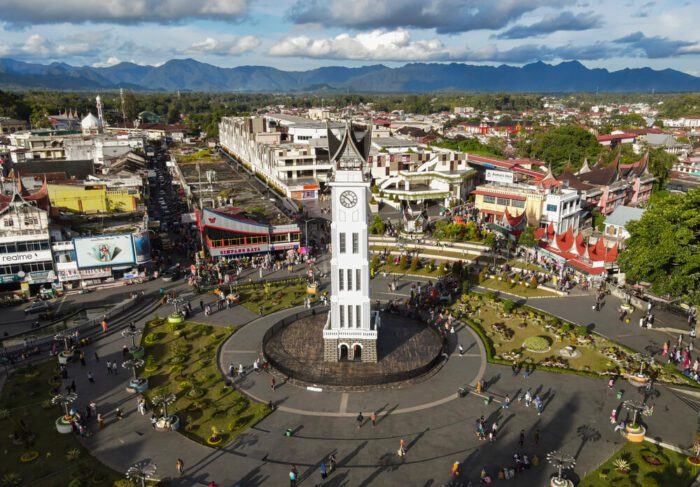
Don’t miss the local food scene while you’re here. A must-try is Nasi Kapau, which you can find at Los Lambuang, a food market near Jam Gadang. And for coffee lovers, civet coffee (kopi luwak) is a unique experience to try.
Other nearby destinations worth visiting include the scenic Harau Valley and the grand Istano Basa Pagaruyung in Tanah Datar. If you’re interested in traditional activities, head to Padang Panjang, just an hour away. There, you can watch Pacu Jawi (traditional bull races), visit cultural villages, and enjoy the refreshing Lembah Anai Waterfall.
Check out our full guide for more details: Bukittinggi, Sumatra: What to See, Do & Explore.
Mentawai Island
Looking for an exotic island escape? Mentawai can be your next destination in West Sumatra. This island chain is home to the Mentawai people, one of the oldest indigenous tribes in the region, who traditionally live deep in the forest and choose a way of life largely untouched by modern influences. Visitors can join a cultural stay for 5–7 days, living alongside the Mentawai community and learning about their daily life, survival skills, and traditional shaman rituals.

Find all you need to know about visiting Mentawai people in Mentawai Islands Guide: Where Surfing Meets Indigenous Tribe.
Mentawai isn’t just about culture—it’s also a world-class surfing destination, famous for its legendary waves that attract surfers from all over the globe. To get to Mentawai, you can take a speedboat from Padang, which takes around 4-6 hours, or fly on a local flight from Padang.
Learn more about surfing conditions in Mentawai Surf Guide: Best Spots, Seasons, Costs & Travel Tips.
South Sumatra
Palembang
Palembang is an industrial city in South Sumatra, best known for its iconic local dish—Pempek, a type of fish cake served with tangy-sweet cuko sauce. As a busy city built around waterways, Palembang is crossed by the Musi River, the longest river in Indonesia. One of the city’s most famous landmarks is the Ampera Bridge, which stretches across the river and is a symbol of Palembang.
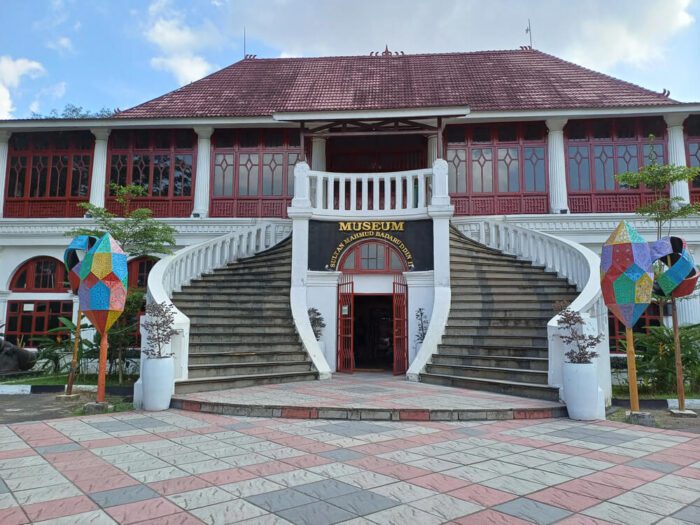
Along the riverbanks, you’ll find several historical sites like Benteng Kuto Besak, a fortress with a riverside port, the wooden Ong Boen Tjit House, the Ampera Monument, and the Sultan Mahmud Badaruddin II Museum. One unique feature of the Musi River is Kemaro Island, a small island in the middle of the river, home to a beautiful pagoda and a place of local legends.
Read our full guide: Palembang, South Sumatra: What to Do, See & Eat.
Lampung
Located just across from Java, Lampung is a perfect destination for island hopping and beach getaways. Many of its beaches have soft sand and calm waves, making them great for relaxing. Some popular spots like Mutun Beach and Sari Ringgung Beach are close to Bandar Lampung, and both offer access to Tegal Mas Island, a rising favorite among local travelers.
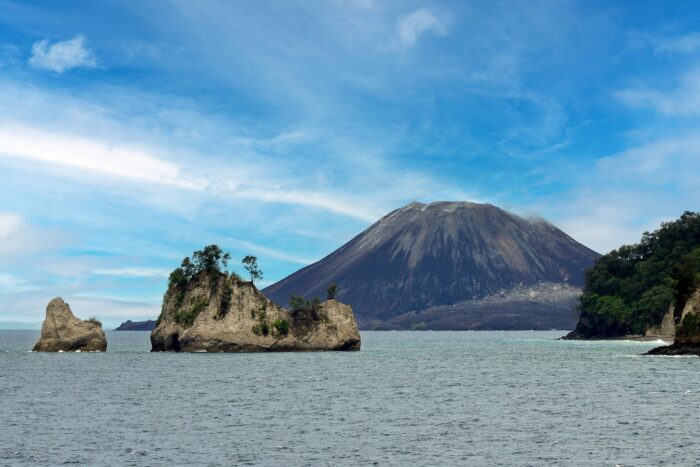
If you enjoy snorkeling, you can head to Krakatau Island or the clear waters of Pahawang Island. For something more unique, take a trip to Teluk Kiluan to see wild dolphins swimming freely, or explore the dramatic rocks at the hidden Gigi Hiu Beach. Lampung is also known for great surfing, especially in Krui, on the western coast of the province.
We summarized all the details in Bandar Lampung: Guide to What to Do and See.
Belitung Island
Welcome to one of Indonesia’s white-sand gems—Belitung Island. Once known as the country’s largest tin producer, Belitung is now recognized as a UNESCO Global Geopark. This island is famous for its exotic coastal landscapes, with giant granite boulders scattered across white sandy beaches and clear turquoise waters.
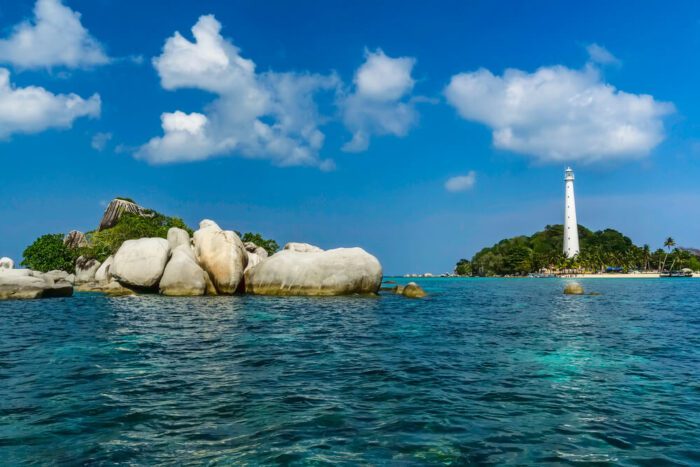
You can visit beautiful beaches like Laskar Pelangi Beach, and enjoy island hopping to nearby spots such as Kepayang Island, Lengkuas Island with its old lighthouse, Burung Island, and the unique Batu Berlayar Island, known for its iconic rock formations.
Other places worth exploring include the striking Kaolin Lake, with its bright blue water, and a mini sand dune area that looks like a Middle Eastern desert. For a bit of adventure, you can also hike up to the 208-year-old granite rock known as Batu Baginde.
Head to our detailed article Belitung Island: What to Do, Where to Go + Local Tips.
What To Do in Sumatra
Jungle Trekking
Sumatra is one of the best places in Indonesia for jungle trekking, thanks to its vast tropical rainforests that are rich in native flora and fauna. Here, you can find rare plants like the Rafflesia Arnoldii, pitcher plants, and the beautiful Hartinah orchid. These forests are also home to many wildlife species, including orangutans, monkeys, and the endangered Sumatran elephant.
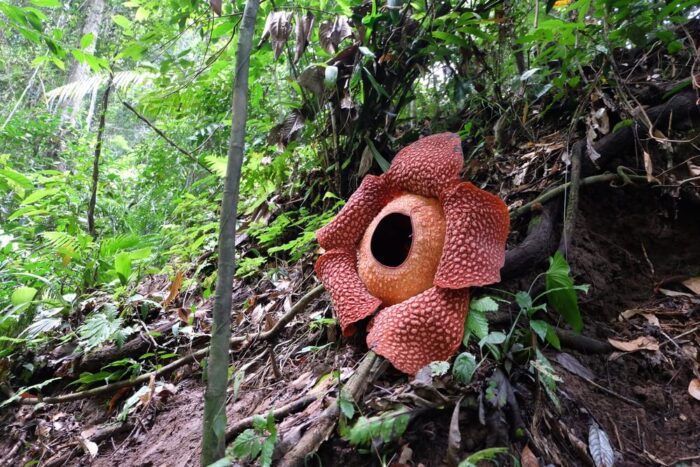
Beyond the wildlife, the jungle is also where some of Sumatra’s indigenous communities live—like the Mentawai people in the west and inner forest tribes in Jambi.
Backindo Tip: Check the offers at various platforms such as Klook, Viator or GetYourGuide to compare the prices.
Taste the Flavor of Sumatra
It’s no secret that Sumatra is known for its bold and rich flavors. A visit to this island wouldn’t be complete without trying its famous dishes. Start with a plate of Nasi Padang, featuring iconic dishes like rendang—voted one of the world’s best foods.
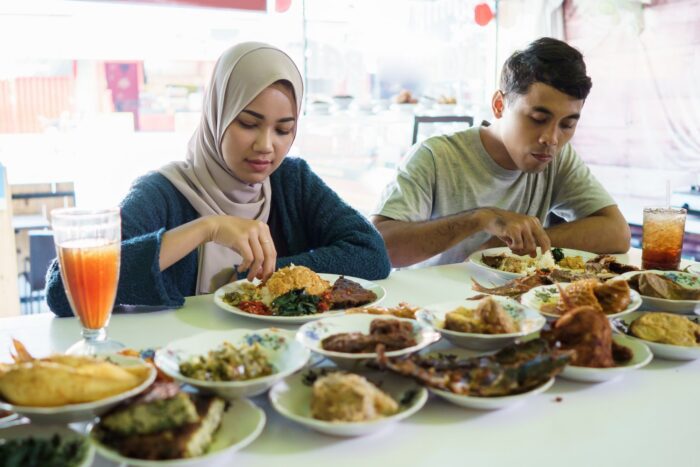
Don’t miss Nasi Kapau, Mie Aceh with its spicy kick, Pempek Palembang served with sweet and sour cuko sauce, and the savory-sour Pindang Patin.
For something sweet or snack-worthy, try Martabak Bangka, a popular treat from the Bangka region.
Surfing in World-Class Surf Spots
Sumatra is also one of the best places in Indonesia for surfing, especially along its western coast facing the Indian Ocean, where the waves are strong and consistent. The Mentawai Islands are world-famous as a surfing paradise, with around 50 recognized quality surf breaks spread across the archipelago—each offering world-class waves for different skill levels, from barrels to mellow peelers.

Another great spot for surfing in Sumatra is Krui in West Lampung, known for its uncrowded beaches and reliable surf conditions, making the island a top choice for surfers from around the world.
Island Hopping and Snorkeling
Sumatra is also an ideal destination for island hopping and snorkeling, especially for those who love the sea. Many of its beaches and islands feature white sand and massive granite boulders, giving them a unique and exotic look. The waters around Sumatra are clear and calm in many areas, perfect for snorkeling and exploring marine life.
Hiking Sumatra’s Volcanoes
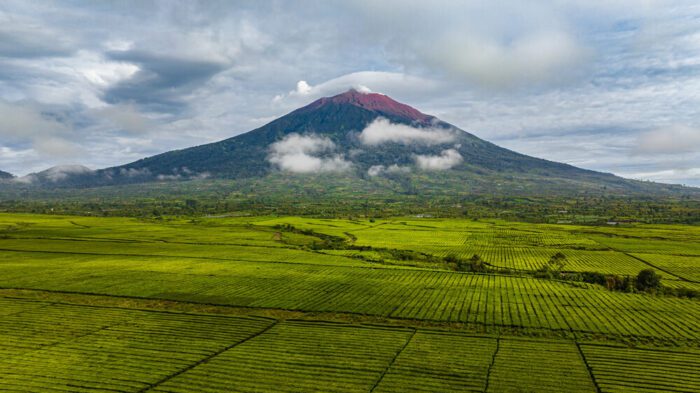
Sumatra is also a great place for volcano hiking, offering a range of trails suitable for both beginners and experienced hikers. The island is home to several active and dormant volcanoes that attract nature lovers and trekking enthusiasts. Some of the most popular hiking destinations include Mount Kerinci—the highest volcano in Indonesia and part of the Seven Summits, as well as Mount Marapi, Mount Singgalang, and Mount Sibayak in North Sumatra, which is known for its beginner-friendly trails and steamy crater views.
Getting to Sumatra
Getting to Sumatra is relatively easy, with several transportation options available. You can reach the island by ferry or via international or domestic flights, depending on where you’re coming from.
Getting to Sumatra by Air
The easiest way to reach Sumatra is by flying. The island is large, so choosing the right airport depends on which region you plan to explore.
Some of the main international and domestic gateways include:
- Kualanamu International Airport (Medan) – the largest and busiest airport in Sumatra, serving North Sumatra and popular routes to Lake Toba and Bukit Lawang.
- Minangkabau International Airport (Padang) – convenient for West Sumatra, including Bukittinggi and the Mentawai Islands.
- Sultan Iskandar Muda International Airport (Banda Aceh) – the main access point to Aceh province and Pulau Weh.
- Sultan Mahmud Badaruddin II International Airport (Palembang) – serving South Sumatra.
Most international travelers arrive via Singapore or Kuala Lumpur first, then connect to one of these airports with a domestic flight. Flight times from Jakarta are typically between 1 and 2.5 hours, depending on the destination.
Because Sumatra is vast, overland travel can take significantly longer than expected. Flying between major cities is often the most practical option if you’re short on time.
Arriving by Ferry
If you’re the kind of traveler who enjoys a bit of adventure, taking a ferry to Sumatra can be a fun and scenic way to start your journey. From Merak Port in Banten (Java), you can cross over to Bakauheni Port in Lampung, which is the main gateway to Sumatra if you’re coming from Java.
Alternatively, if you’re already in Singapore, there are also high-speed ferries that can take you directly to Bintan Island in the Riau Archipelago—a convenient route for those heading to the northern part of Sumatra.
When to Visit Sumatra and Why
If you’re planning to explore Sumatra, the dry season from May to September is the best time to go. During these months, rainfall is lighter and less frequent—ideal for outdoor activities like jungle trekking, surfing, and island hopping.
From October to April, the rainy season sets in. But that doesn’t mean you can’t enjoy traveling—southern parts of Sumatra, like Lampung, Palembang, and Belitung Island, are still great to visit. In contrast, West and North Sumatra usually experience heavier rains starting around November or December, with a higher risk of flooding due to climate change and deforestation in some areas.
Visa and Entry Requirements
After the pandemic, Indonesia now requires a visa for most travelers. Thankfully, for short visits, the process is still quite straightforward.
Visa on Arrival (VoA)
For short visits to Sumatra, a Visa on Arrival (VoA) is the most convenient option. This visa allows you to stay in Indonesia for up to 30 days and can be obtained either online before your trip or on arrival at major airports and seaports.
The visa costs IDR 500,000 (approximately USD 35) and can be extended once for an additional 30 days. Although the extension application is submitted online through the official immigration website, you will still need to visit a local immigration office to complete the final verification process.
Backindo Tip: The official government website is https://evisa.imigrasi.go.id/. Other websites that charge higher fees are third-party agencies offering additional services, which is why the total cost may be higher.
Longer Stay Visas

If you’re planning to stay in Sumatra for more than a month, applying for a C1 visa is usually the better option. The application is completed online, but it requires additional documents, and the processing time is at least five working days. This visa grants an initial stay of 60 days.
Backindo Tip: Not every nationality is eligible for the C1 visa, so make sure to check whether your passport qualifies before applying.
It can then be extended twice, each extension adding another 60 days, allowing you to stay in Indonesia for up to six months in total.
Important Notes
- Your passport must be valid for at least 6 months from the planned date of leaving Indonesia.
- You must have a return ticket or proof of onward travel.
- Starting in 2025, travelers must complete an online customs declaration within 3 days before arriva. It’s called the All Indonesia card.
Backindo Tip: Visa policies can change frequently, so always check the latest official information before your trip to avoid surprises.
Money and Approximate Costs
The official currency used in Sumatra is the Indonesian Rupiah (IDR), just like the rest of the country. While ATMs are widely available across most parts of Sumatra, it’s still wise to carry some cash, especially when traveling to remote areas—Mentawai Islands, for example, have limited access to ATMs.
Backindo Tip: Bring at least two bank cards, just in case. Occasionally, ATMs may retain your card due to technical issues, and recovering it can be difficult.
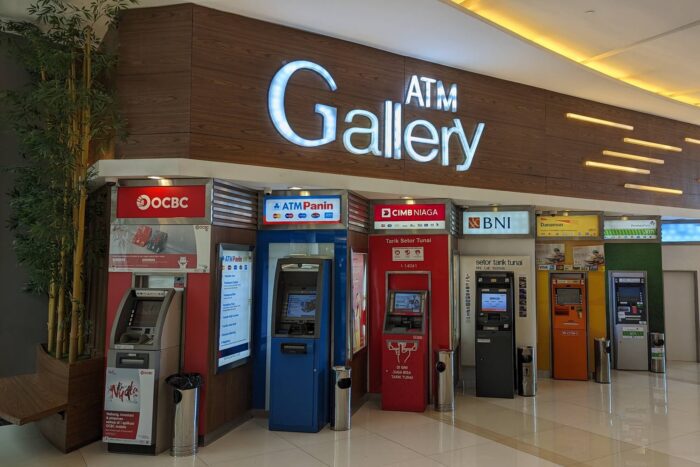
Major cities like Medan, Padang, and Palembang have plenty of money changers and access to branches of national banks such as Bank Mandiri, BNI, and BRI, where you can withdraw or exchange money.
In terms of cost, food in Sumatra may be slightly more expensive than in Java, but the difference is usually minor. Accommodation is still quite affordable—you can easily find budget hostels or guesthouses at reasonable prices, making Sumatra a great destination even for travelers on a modest budget.
Learn more in our article Money in Indonesia: The Ultimate Traveler’s Guide.
Getting Around Sumatra
Domestic Flight
The fastest and most efficient way to travel across Sumatra is by domestic flight. Almost every province on the island has at least one airport, making it easy to cover long distances in a short time.
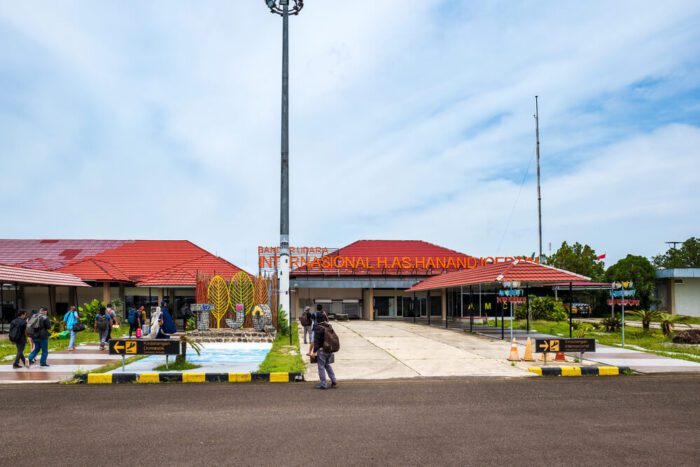
Even some smaller islands, like the Mentawai Islands, are connected by air through local flights from cities such as Padang. If you’re short on time or planning to explore different regions of Sumatra, flying is definitely a convenient option.
Read about: Guide to Domestic Flights in Indonesia.
Trains
Train travel is also an option in Sumatra, although it works a bit differently compared to Java, where trains connect multiple provinces. In Sumatra, inter-provincial routes are limited—currently, the only one connects Bandar Lampung and Palembang in South Sumatra.
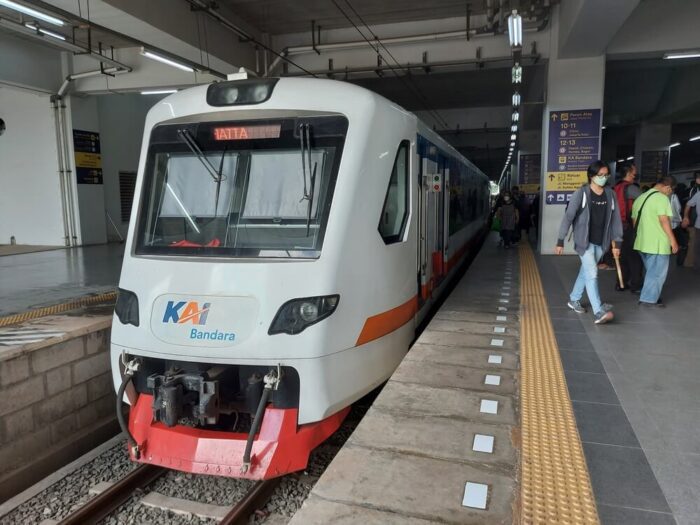
In other provinces, train services are more local. For example, in West Sumatra, there’s a railway line connecting Padang to Padang Panjang and several nearby towns. While not as extensive as in Java, trains in Sumatra still offer a scenic and relaxed way to travel between selected areas.
Buses and Shuttle Services
Public buses and shuttle vans are among the most common ways to get around Sumatra. Ticket prices are generally affordable, ranging from IDR 200,000 to 300,000 (USD 11,92-17,89), depending on the type of bus and the distance. For long-distance travel between provinces, you can take an ALS (Antar Lintas Sumatra) bus, while for travel within a single province, shuttle vans (usually seating 15 passengers) are more popular and widely used.
However, it’s worth noting that Sumatra’s roads are quite extreme. Many routes pass through forests, mountainous areas, and winding roads. It can take several hours—sometimes a full day—to travel from one province to another, so be sure to plan your time accordingly and prepare for a long ride.
Motorbike Rentals
Another flexible way to explore Sumatra is by renting a motorbike. Rentals are usually available in major cities and some tourist destinations like Mentawai and Belitung. You can rent a bike for 24 hours or longer, but most rentals are only valid for travel within the same province.

While traffic in Sumatra is generally lighter than in Java or Bali, you still need to be cautious—especially on main roads that are often used by large trucks and cargo vehicles. Motorbikes are best for exploring areas around the city or reaching beaches and remote spots that aren’t easily accessible by public transport, like those near Lampung.
Public Transportation
In Sumatra, you can still find public transportation, especially in urban areas. There are several options depending on the city, including small city buses, angkot (minivans), and bentor (motorized rickshaws). These are commonly used by locals for short-distance travel and are an affordable way to get around.

While routes may not always be clearly marked, asking locals is usually the best way to figure out where each vehicle is heading. Public transport in Sumatra may not be as organized as in bigger cities, but it’s a great way to experience local life up close.
Airport Trains
In Padang and Medan, you can find airport trains that connect the airport directly to the city center—making it a convenient option for arriving travelers. While Palembang doesn’t have an airport train, it offers an LRT (Light Rail Transit) system that runs from the airport to various parts of the city. The LRT line even crosses the iconic Ampera Bridge, offering a scenic ride and easy access to many urban spots.
Airport trains articles How to Get the Airport Train to Medan City and How to Get Airport Train to Padang City.
Accommodation in Sumatra
Finding a place to stay in Sumatra is generally quite easy, especially if you’re visiting major cities or popular tourist destinations like Medan, Palembang, or Bandar Lampung. From budget-friendly hostels to luxury resorts, there’s a wide range of accommodation options available to suit different travel styles and budgets.
Hostel and Guest House
If you’re backpacking through Sumatra, staying at a hostel or guest house is a great budget-friendly option. Prices are generally similar to those in Java, and you can still find comfortable places with decent facilities.
Some recommended affordable stays include Belitung Backpacker in Belitung, Evergreen Lodge in Padang, and Arthur Homestay in Mentawai, which is conveniently located near the Telescope surf spot.
Backindo Tip: If you’re traveling as an unmarried couple, check that your hotel isn’t labeled as “Shariah,” as these properties may require proof of marriage. You can learn more in Sharia Accommodation in Indonesia: What Tourists Should Know.
Mid-Range to Luxury Hotels
Mid-range to luxury accommodations are easy to find, especially in urban areas or popular tourist destinations across Sumatra. These hotels typically offer complete facilities, such as hot water, electric kettles, standard hotel amenities, and additional perks like swimming pools and gyms.
Well-known hotel chains like the Marriott group have properties in Sumatra, and places like Awera Resort in the Mentawai Islands offer a more premium experience—perfect for those looking to relax or enjoy world-class surfing in style.
Villa & Apartment
If you’re traveling with a group or family and need more space, renting a villa, house, or apartment can be a great option. It offers a more private and comfortable setting for spending time together. You can easily find a wide range of accommodations on platforms like Airbnb, especially in popular tourist areas across Sumatra.
Food in Sumatra
If you’re a fan of bold and flavorful dishes, Sumatra is a paradise for your taste buds. The island’s cuisine is known for its rich spices and strong flavors, often compared to Indian or Middle Eastern cooking in terms of intensity and depth. Here’s a list of must-try dishes you shouldn’t miss while exploring Sumatra.
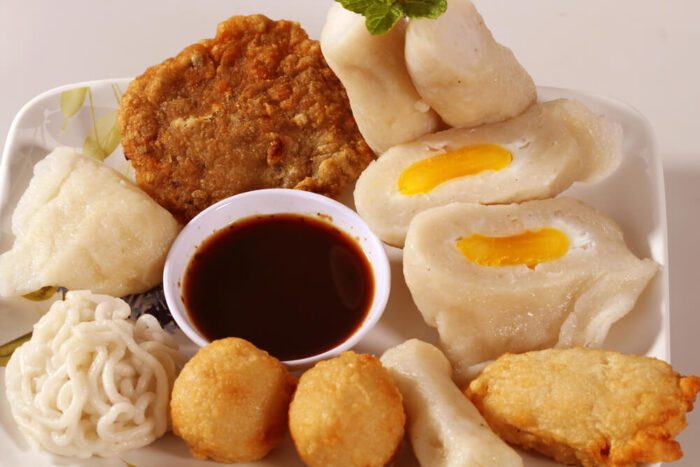
Street Food
If you’re walking around Sumatra and want to experience authentic local flavors, skip the restaurants and head straight to the street food stalls. Here are some must-try local bites:
- Pempek – A savory fishcake served with a sweet and tangy vinegar-based sauce called cuko.
- Tekwan – Small fishcakes served in a clear, flavorful broth with mushrooms and vegetables.
- Martabak Bangka / Terang Bulan – A thick, sweet pancake filled with various toppings like chocolate, cheese, or peanuts.
- Martabak Mesir – A savory stuffed pancake filled with eggs and meat, served with a drizzle of spicy cuko sauce.
- Sate Padang – Skewers of beef or beef skin, served with a thick, spicy yellow sauce unique to the Padang region.
Snack and Sweets
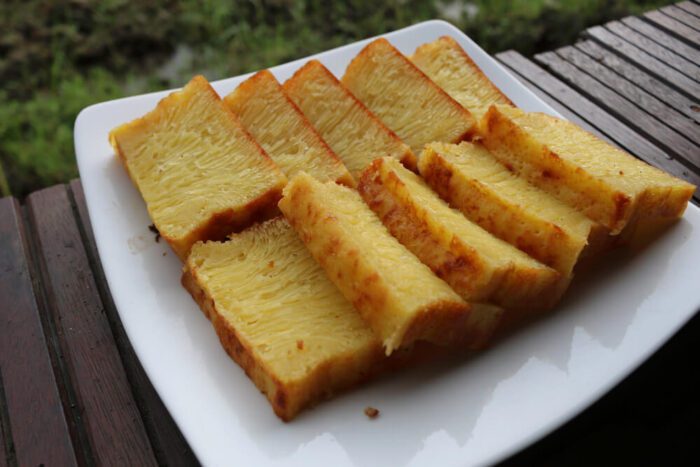
If you have a sweet tooth or just love trying local snacks, Sumatra has some tasty treats to offer. Try Bika Ambon, a chewy, golden cake from North Sumatra known for its sweet and slightly savory flavor. Another popular choice is Lempok Durian, a sticky, chewy candy made from real durian—rich, bold, and definitely unforgettable for durian lovers.
Exotic Fruits
Sumatra is also a great place to try some of Indonesia’s most exotic tropical fruits. You’ll find duku (a sweet, juicy fruit) widely available in Palembang, and of course, durian—the king of fruits—is found almost everywhere across the island. It’s sweet, creamy, and often much more affordable than in other regions.
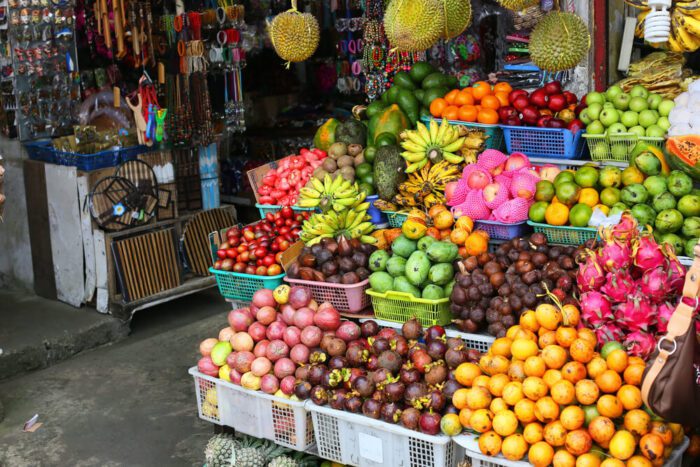
Other local favorites include passionfruit and Berastagi oranges, both known for their sweet and refreshing taste, Prabumulih pineapples from South Sumatra, and the crisp, watery Deli rose apples, perfect for a refreshing snack on a hot day.
Coffee and Tea Lovers
If you’re a coffee lover, Sumatra is a must-visit. Sumatran coffee is famous worldwide for its earthy flavor, rich spice notes, and full body. Some of the most popular varieties include Gayo (Aceh), Mandheling, Lintong, Sidikalang, and Lampung. Many of these are processed using the wet-hulling (semi-washed) method, which gives them their unique low-acidity profile and bold aroma.
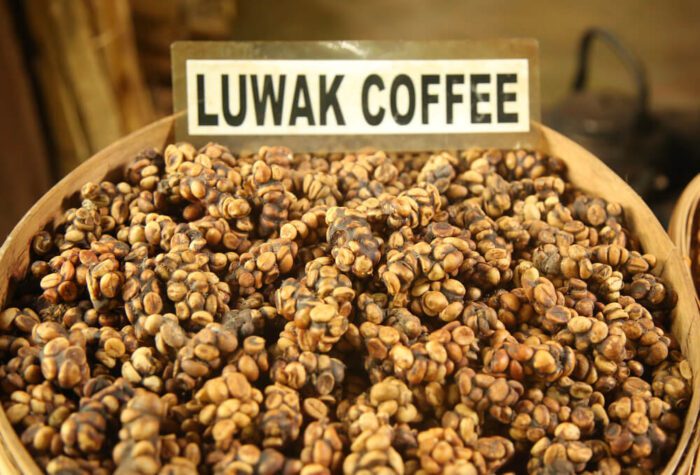
In Bukittinggi, you can even try ethically harvested civet coffee (kopi luwak), grown near the Batang Palupuh forest, offering a truly special experience for those curious about premium local brews.
Health and Hygiene in Sumatra
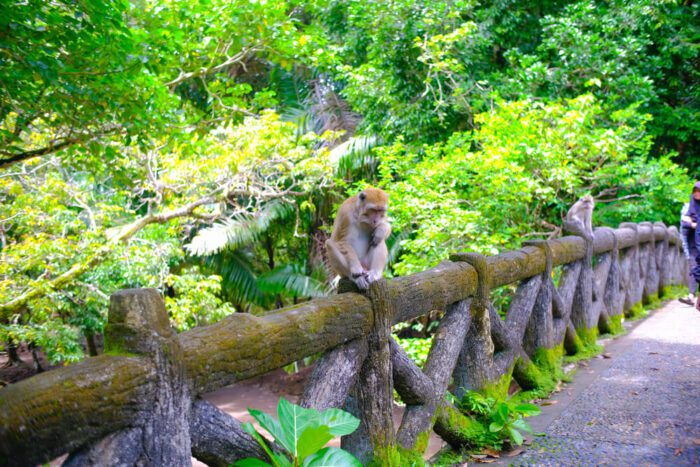
There are no special vaccinations required to enter Indonesia, but common travel vaccines such as hepatitis A and B, tetanus, and typhoid are recommended. Stray dogs are not commonly found in Sumatra, but you might encounter wild animals like monkeys, especially near forested areas, since many roads still pass through or alongside dense jungle.
Being a tropical country, mosquitoes are common, particularly in humid and forested regions. If you plan on trekking or spending time outdoors, it’s best to wear long sleeves and pants, or apply mosquito repellent like Soffell or Autan, which are widely available in local shops. If you get bitten, applying eucalyptus oil (minyak kayu putih) can help relieve the itching.
Outside large urban centers, especially in remote or rural areas, malaria cases can still occur. Dengue fever is also present in parts of Indonesia, so taking precautions against mosquito bites is important. Learn more in Dengue Fever in Indonesia: Essential Tips for Safe Travel.
Hygiene standards in Sumatra might be different from what you’re used to. For example, you should not drink tap water. Always buy bottled water or boil it before drinking. Public toilets often use squat toilets (Turkish-style), and toilet paper is rarely provided. Instead, locals clean with water using a small bucket and dipper (gayung), which are available in most toilets. Be sure to dispose of tissue in the trash bin, not the toilet.
In traditional eateries, it’s common for Indonesians to eat with their right hand. You’ll often find a bowl of clean water or a hand-washing station provided for this. While spoons and forks are usually available, many locals will tell you that food tastes better when eaten by hand.
Safety in Sumatra
As much of Sumatra is still covered by forests and remote areas, some travelers report that long-distance road travel at night, especially when done alone, can be risky. If you’re planning a solo trip, it’s best to stay overnight and continue your journey in the morning when conditions are safer and visibility is better.

That said, walking tours in urban areas like Bukittinggi, Padang, and Medan are generally safe for visitors. When visiting crowded places such as festivals or traditional markets, it’s a good idea to keep your valuables in a front-facing bag to avoid pickpockets.
Sumatra also has a strong Muslim cultural presence, so wearing modest clothing—covering shoulders and knees—is recommended, especially when visiting small towns or local communities, as a sign of respect.
Learn how to avoid common faux pas, read Know the Manners in Indonesia: Do’s and Don’ts Guide for Travelers.
Religion, Holidays, and Traditions
Sumatra is a multicultural island, home to a rich mix of ethnic groups including the Batak in North Sumatra, the Minangkabau (Minang) in West Sumatra, as well as Malay, Javanese, Indian, and Chinese communities.
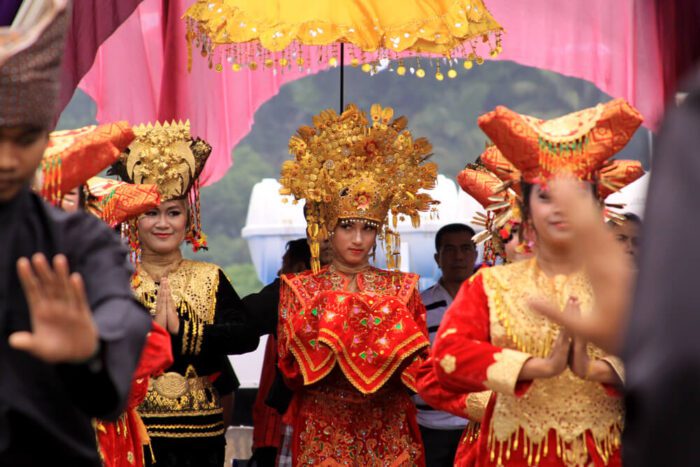
The majority of the population is Muslim, though in areas like Lake Toba and its surroundings, many locals follow Christianity—you’ll even find a large statue of Christ standing by the lakeside. Other religions such as Hinduism, Buddhism, and Confucianism also coexist peacefully with other faiths across the island.
This spirit of harmony is clearly seen during religious celebrations. During Eid (Idul Fitri), Christmas, Chinese New Year (Imlek), and other festivities, communities often celebrate side by side. In places like West Sumatra and Bintan Island, the Chinese New Year is marked with lively night markets and streets decorated with traditional red lanterns and festive ornaments—everyone joins in the joy, regardless of their background.
Festival and Holidays
Sumatra hosts a variety of festivals and national holidays, many of which reflect the island’s deep cultural roots and traditions:
- Pacu Jawi – A traditional bull racing festival in West Sumatra, similar to Madura’s karapan sapi, where jockeys ride behind bulls through muddy rice fields.
- Pacu Jalur – A traditional boat race held in Riau, where rowers compete in long, decorated boats while a child stands at the front to cheer and motivate the team.
- Independence Day – Celebrated every August 17, Indonesia’s Independence Day is marked with community events, games, and flag ceremonies across the island.
- Idul Fitri (Eid al-Fitr) – A major holiday for Muslims, and a time when many Indonesians travel home (mudik) to celebrate with family. Sumatra becomes a key destination during this period, especially for those returning to their hometowns.
What Else You Should Know
- Language: The main language spoken in Sumatra is Indonesian. In major cities and tourist areas, you’ll find some locals who speak basic English, especially younger people and those working in hospitality. But in rural areas, English may be limited, so learning a few key Indonesian phrases can be helpful.
- Electricity: Sumatra uses the European-style plug (Type C and F) with a standard voltage of 220V. Make sure to bring a universal adapter if your plugs are different.
- Toilets: Public toilets in Sumatra are often squat-style (Turkish-style), though Western-style sitting toilets can be found in hotels, restaurants, and malls. Always carry tissue and be aware that locals use water for cleaning, usually provided with a bucket and dipper (gayung).
- Tipping: Tipping is not mandatory and not common. In western restaurants, a small tip of 5–10% is common if service charge isn’t included. For drivers, guides, or hotel staff, tipping IDR 10,000–50,000 is a kind gesture.
- Etiquette: Indonesians are generally warm and polite. Use your right hand when giving or receiving something, avoid public displays of affection, and dress modestly, especially in rural or religious areas.
- Time Zone: Sumatra follows Western Indonesian Time (WIB), which is UTC+7.
- Traffic and Street Crossing: Traffic can be hectic, especially in big cities. Pedestrian crossings are not always followed, so always cross with caution, and look both ways even on one-way streets.
- Mobile Data & SIM Card: Telkomsel is the most reliable provider with the widest coverage across Sumatra, including remote areas. You can easily buy a SIM card at airports, convenience stores, or mobile stalls with affordable data packages.
- Accommodation and Local Customs: Some hotels may ask for proof of marriage if a couple wants to stay in the same room—especially in smaller towns or more conservative areas. However, many hotels in tourist areas do not strictly enforce this.
- Alcohol and Drugs: Alcohol is legal, but only sold in certain restaurants, bars, or hotels—mostly in cities or tourist destinations. In rural and predominantly Muslim areas, it may be hard to find. Drugs are strictly illegal in Indonesia, with very severe penalties, including long prison sentences or worse. Do not take any risks.
Continue reading :