
Chinese New Year, also known as Lunar New Year or Imlek, is one of the most important cultural celebrations in Indonesia’s Chinese communities. While it may not affect the entire country in the same way as other national holidays, it does noticeably shape daily life in certain cities and neighborhoods—especially in areas with strong Chinese communities.
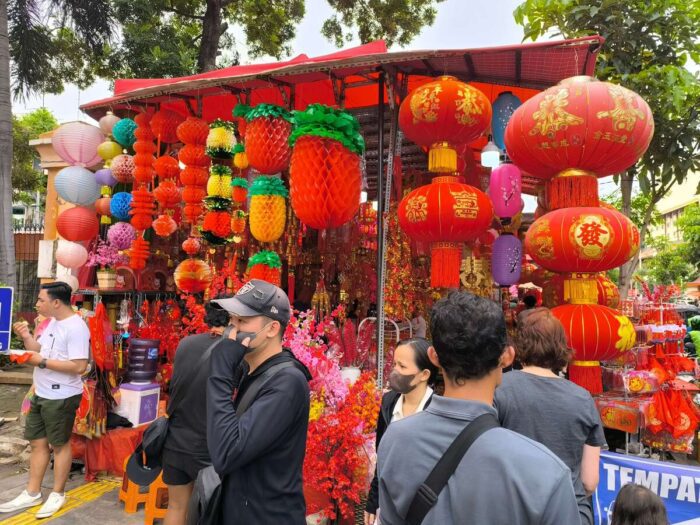
If you’re planning a trip to Indonesia around Chinese New Year, it helps to know what to expect, what experiences are worth seeking out, and which usual travel conveniences might work a little differently during this time.
What Is Imlek?
Imlek is the Indonesian name for Chinese New Year, a celebration marking the start of the new year in the Chinese lunar calendar. For the Chinese community, it represents a fresh beginning—a time to leave the past year behind and welcome new hopes, balance, and good fortune.
Imlek also marks the start of a new cycle in the Chinese Zodiac, which follows a 12-year rotation of animal signs. Traditionally, this period is associated with renewal: homes are cleaned, offerings are prepared, and families gather for important meals and prayers.
The Chinese Community in Indonesia
Indonesia is home to one of the largest Chinese communities in Southeast Asia, with a history dating back hundreds of years. Chinese-Indonesians (Tionghoa) are an integral part of the country’s cultural fabric, especially in cities like Jakarta, Medan, Semarang, and Surabaya.

For many years, Imlek was celebrated privately, but today it is officially recognized as a national holiday. This means travelers may notice closed businesses in Chinese-majority areas, temple activities, family gatherings, and festive decorations—while daily life continues normally in other parts of the country.
Chinese New Year celebrations in Indonesia are indeed not as festive as the month of Ramadan. Read more: Guide to Traveling to Java (Indonesia) in Ramadan.
When Is Imlek?
In 2026, Imlek will be celebrated on February 16–17. During this time, visitors can experience red lanterns in Chinatown districts, incense-filled temples, and traditional barongsai (lion dance) performances. While the holiday is rooted in family and tradition, its atmosphere is open and easy for travelers to observe and enjoy respectfully.
What Happens on Imlek?
During Imlek, daily life continues as usual in most of Indonesia, but in areas with a strong Chinese community, travelers will notice clear changes. Homes and streets are decorated in red, temples become busier, and many family-run businesses may close for one or two days.

Here’s what you’ll typically see as a traveler:
- Red decorations and lanterns in Chinatown areas and near temples
- Family-focused celebrations – many locals spend time at home, especially on the first day
- Temple visits and prayers, usually in the early morning or the night before Imlek
- Barongsai (lion dance) performances in public spaces, malls, or near temples
- Firecrackers and fireworks, especially in the evening (local regulations apply)
What This Means for Travelers
- Some shops and restaurants in Chinese neighborhoods may be closed or limited
- Public areas near temples can be crowded, especially in the morning
- Tourist attractions outside Chinese areas usually operate normally
- It’s a good time for photography, street food, and cultural observation
Backindo Tip: If you plan to visit a temple, dress modestly, keep your voice low, and avoid blocking people who are praying. Early morning visits are quieter and more comfortable.
Where to Observe Chinese New Year in Indonesia
Chinese New Year in Indonesia is best experienced in specific cities with strong Chinese communities. Celebrations are usually concentrated in certain neighborhoods, temples, and public spaces, rather than spread evenly across the country.
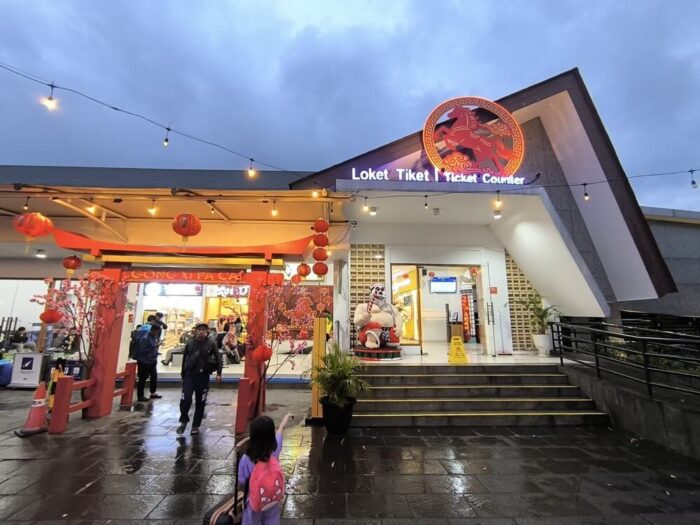
Below are the most reliable places to observe Imlek as a traveler, with practical notes on what you can actually see and do.
Jakarta (Glodok, West Jakarta)
Jakarta offers the easiest and most accessible Chinese New Year experience, especially in the Glodok area. During Imlek, streets are decorated with red lanterns, and temples become noticeably busier.
Backindo Tip: If you’re staying overnight in Glodok during Chinese New Year, be prepared for fireworks and late-night noise. The area around Glodok 101 might be noisy, so if you prefer quieter nights, consider staying slightly farther away—Novotel Jakarta Gajah Mada might work well.
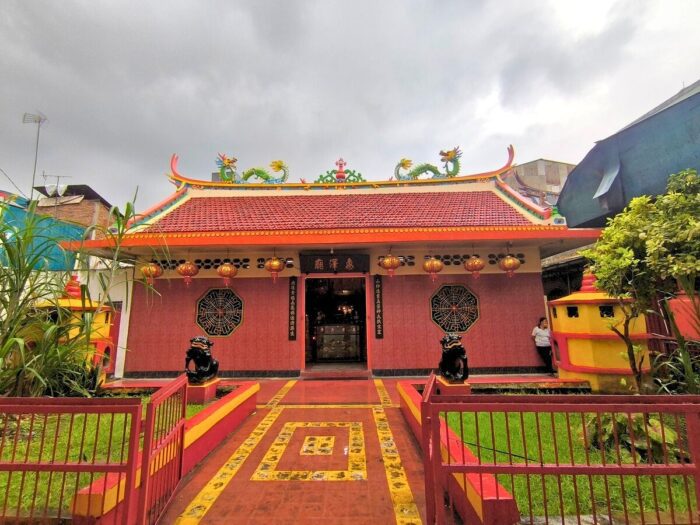
The main focal point is Vihara Dharma Bhakti, the city’s oldest Chinese temple, where locals come to pray early in the morning. Throughout the day, you’ll find small lion dance performances, seasonal food stalls, and shops selling red envelopes and festive snacks. For travelers, Glodok works well as a half-day visit combined with Jakarta’s Old Town nearby.
What else to see in Glodok. Read our guide article Glodok: Traveler’s Guide to Jakarta’s Chinatown.
Singkawang (West Kalimantan)
Singkawang is widely considered the strongest Chinese New Year destination in Indonesia. The city has a large Chinese population, and Imlek is celebrated openly and on a much larger scale than elsewhere.
The highlight comes during Cap Go Meh, about two weeks after Chinese New Year, when the streets fill with parades, lion dances, and tatung (ritual trance) performances. Temples across the city are active, and the atmosphere feels very focused on tradition.
Backindo Tip: Don’t forget to plan well ahead, as hotels fill quickly during this period.
Semarang (Chinatown & Sam Poo Kong)
Semarang offers a more relaxed but visually appealing Imlek experience. The Chinatown area becomes livelier in the evenings, with lantern decorations and small cultural events.
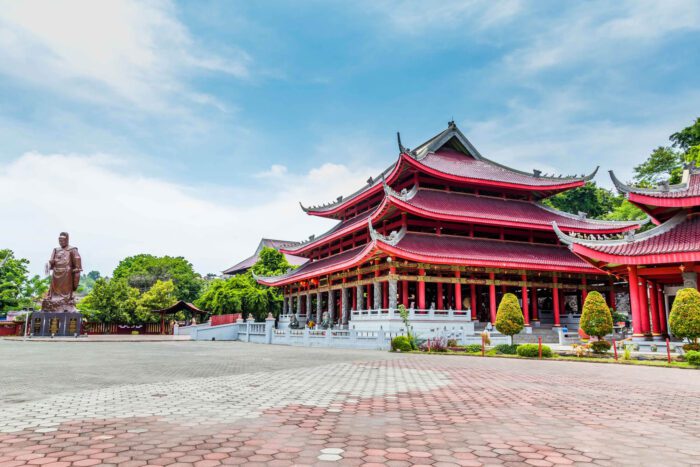
A key site is Sam Poo Kong Temple, which draws visitors for prayers and celebrations during Imlek. This city is a good choice for travelers who want to combine Chinese New Year atmosphere with sightseeing and photography, without very large crowds.
Semarang is usually not on travelers lists, while it offers many things to see. Read Semarang Guide: Best Things to Do, See & Hidden Gems.
Medan (North Sumatra)
Medan has one of the largest Chinese communities outside Java, and Chinese New Year here feels more local than touristic. Celebrations are centered around temples and Chinese neighborhoods such as Jalan Semarang.
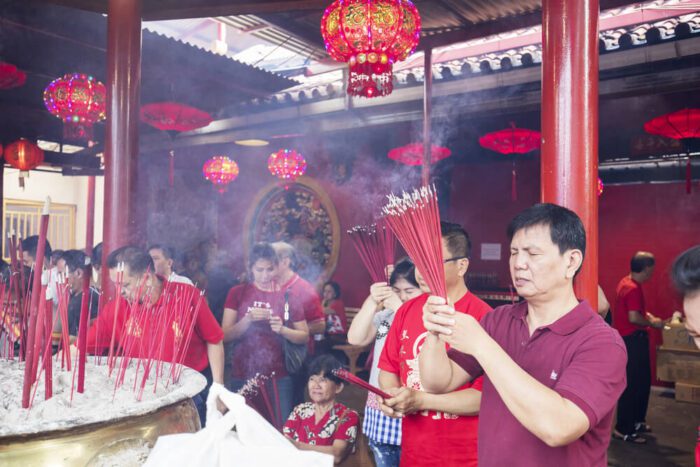
Visitors will mainly observe prayer rituals, family gatherings, and everyday festive details rather than organized street performances. Medan is ideal if you want to see how Imlek is celebrated as part of daily life, especially alongside the city’s strong food culture.
If you're planning a trip to Medan, you can check out our guide. Read Medan: What To Do and See in North Sumatra.
Surabaya (Kya-Kya Area)
In Surabaya, Chinese New Year activity is concentrated in the Kya-Kya Chinatown area. Celebrations are smaller in scale but usually include evening lion dances, temporary food bazaars, and light decorations. The atmosphere is best experienced after sunset, as daytime activity is limited. This is a good option for travelers already in East Java who want a short, casual Imlek experience.
Surabaya is usually considered as the main gateway to East Java, but there are some spots worth a visit. Read Surabaya Travel Guide: Your Gateway to East Java’s Wonders.
Pontianak (West Kalimantan)
Pontianak offers a quieter alternative to nearby Singkawang. Celebrations here focus more on temple prayers and local night markets rather than large performances. The atmosphere is calm and community-oriented, making it suitable for travelers who prefer a slower pace or who couldn’t find accommodation in Singkawang during peak dates.
Is It Worth Visiting Indonesia During Imlek?
Chinese New Year in Indonesia is not one of the country’s biggest or most spectacular celebrations. If you’re expecting massive parades, city-wide shutdowns, or nonstop festivities, Indonesia may feel surprisingly calm compared to places like China, Taiwan, or Singapore.
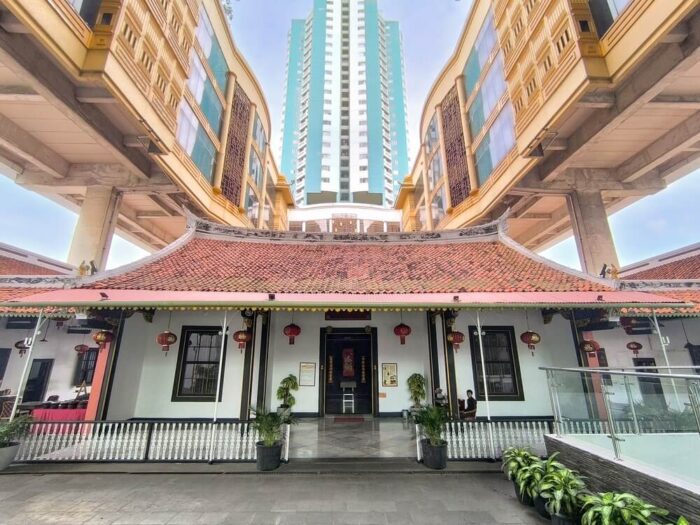
That said, if you happen to be in Indonesia during Imlek—especially in cities like Jakarta—it’s still worth paying attention. A short visit to Glodok, a walk past temples, or simply observing how local communities celebrate adds a cultural layer to your trip without requiring major planning or schedule changes.
Think of Imlek in Indonesia as a local, community-based experience, not a large-scale festival. It’s subtle, concentrated, and easy to miss—but if you know where to look, it offers a meaningful glimpse into an important part of Indonesia’s cultural diversity.