
Deep in the tropical rainforests of Siberut Island, West Sumatra, lives the Mentawai Tribe—one of Indonesia’s oldest indigenous communities, still holding tightly to the wisdom and traditions passed down through generations. Far removed from modern life, they are known for their warmth and openness to respectful visitors. Spending a few days with them isn’t just travel—it’s an authentic experience: learning how to live in harmony with nature, witnessing ancestral rituals, and embracing the peace of a simple, meaningful life.
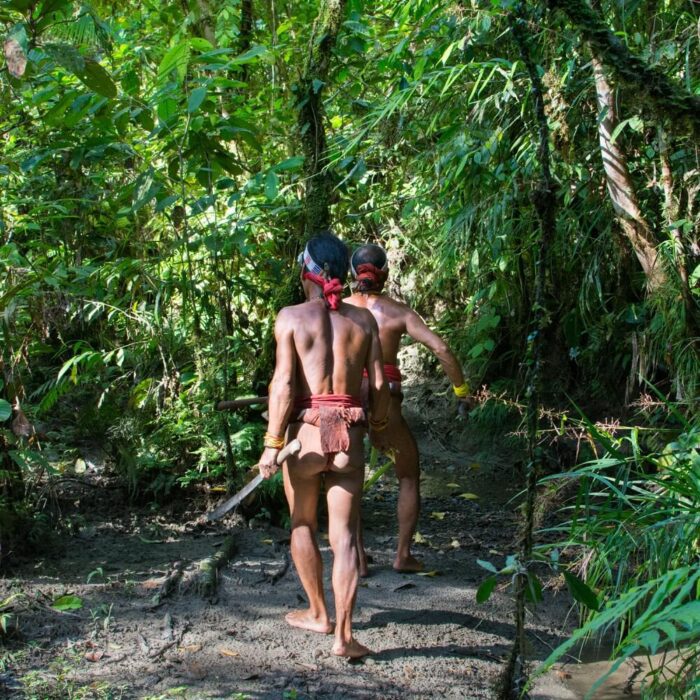
In this guide, you’ll find everything you need to know for your journey—how to reach the remote Mentawai villages, what to prepare, how to visit ethically and respectfully, and how long to stay for a truly immersive experience. Ready to explore a different kind of world? Let’s begin.
Who Are the Mentawai Tribe?
The Mentawai people are an indigenous tribe who have called the Mentawai Islands—especially Siberut Island—their home for thousands of years. Known for their deep connection to nature, the Mentawai live a traditional lifestyle rooted in the forest, moving between small settlements in a semi-nomadic way. They survive on what the forest provides—hunting, gathering, and foraging.
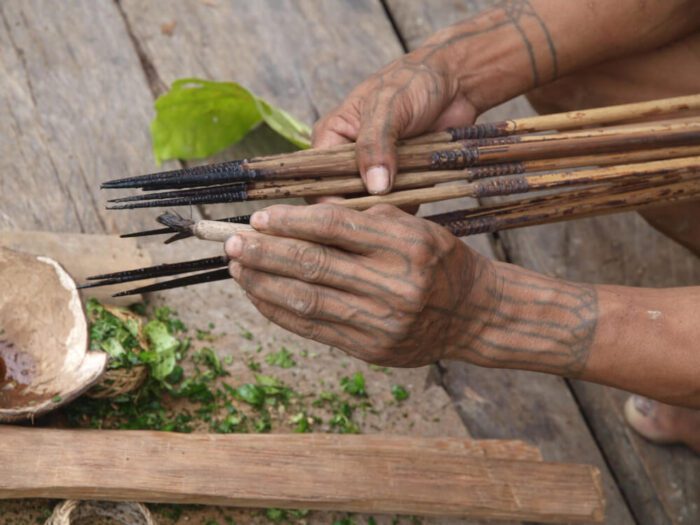
One of the most striking aspects of Mentawai culture is their body art. Full-body tattoos, called ‘titi’, are not just decoration—they tell stories of identity, ancestry, and one’s place in the natural world.

Their belief system, ‘Arat Sabulungan’, is animistic—everything in nature, from trees to rivers, is believed to have a spirit. At the heart of this tradition is the ‘sikerei’, or shaman, who acts as healer and spiritual guide, performing rituals to maintain harmony between humans and the spirit world.
Despite pressure from modernization, many Mentawai families continue to live according to their traditional customs in wooden longhouses called ‘uma’, deep in the rainforest.
Where Do the Mentawai Tribe Live?
The Mentawai Tribe lives primarily on Siberut Island, the largest of the Mentawai Islands off the coast of West Sumatra. Their home lies within the lush and protected Siberut National Park, a vast rainforest teeming with life. One of the most accessible and culturally rich villages is Muntei, which serves as a gateway for visitors wanting to explore deeper into Mentawai life.
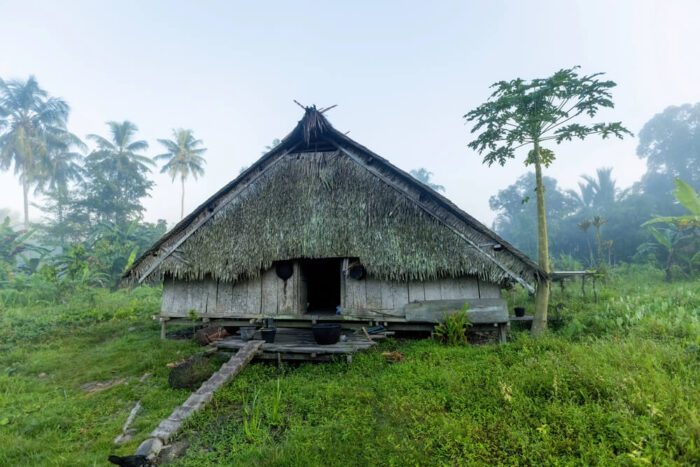
Many Mentawai families have two homes: one near the riverbanks of Muntei—close to the harbor and more connected to the outside world—and another deep in the jungle, in Butui Village, where traditions remain more intact. To reach the traditional uma (longhouse) where you’ll stay, be prepared for a true adventure. You’ll travel by wooden canoe along winding rivers and hike through muddy forest trails so the journey may be challenging.
Across Indonesia, there are several traditional communities that remain relatively closed to the outside world. You can read more about the Baduy or Kampung Naga in Java.
What to Do When Living with the Mentawai Tribe
Staying with the Mentawai people is not just a quick visit — it’s a chance to experience their daily life up close. Over the course of several days, you’ll learn to follow their rhythm in the forest: how they survive from the land, live in harmony with ancestral spirits, and preserve traditions passed down through generations. Each activity isn’t just something new to try—it’s a lesson in simplicity, resilience, and the deep wisdom that grows from living close to nature.
Making a Loincloth (Kabit)
One of the first activities you can try is making a kabit, the traditional loincloth worn by Mentawai men. It’s made from bark that’s beaten until soft, then tied with forest vines. Your hosts will show you how to remove the bark, soften it, and wrap it the same way they do.
Making Poisons & Hunting in the Jungle
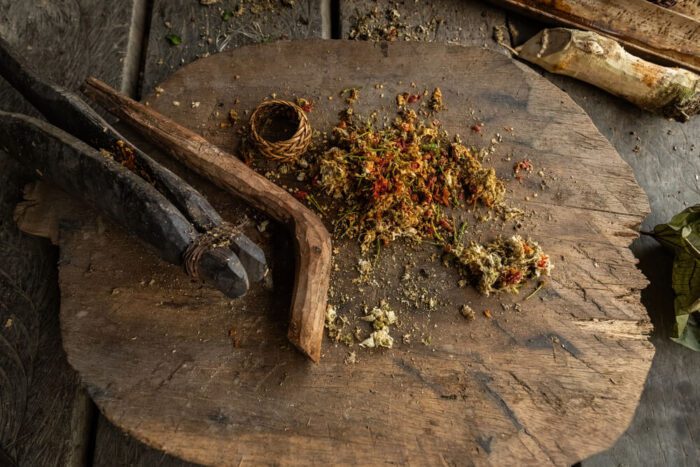
Follow your Mentawai hosts into the forest and learn how they craft natural poison from local plants—used to coat arrows for hunting. They’ll also show you how they spot signs of wild boar or monkeys and move quietly through the jungle.
Watching Shaman Rituals
If you’re lucky, you may be invited to see a ritual performed by a sikerei (shaman). The ceremony includes chanting, simple dances, and offerings made from plants. It’s their way of asking for guidance, healing, or protection — a very important part of Mentawai life.
Trying Sago & Sago Worms
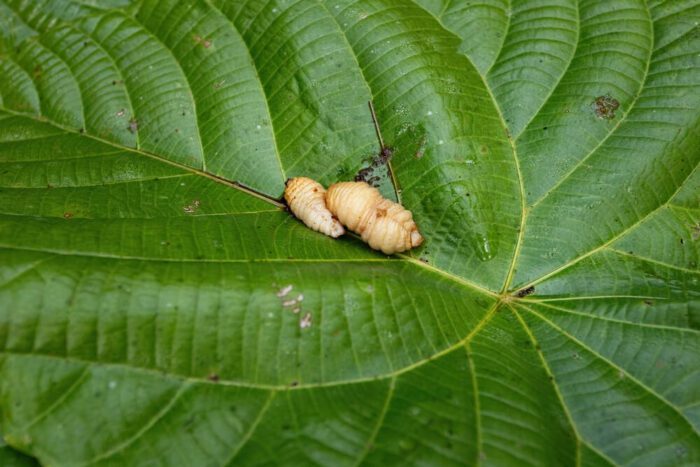
Sago is the main food in Mentawai — a soft, starchy dish made from palm trees. And if you’re up for something adventurous, you can try sago worms. They’re eaten grilled or sometimes raw, depending on how brave you feel.
Learning About Traditional Tattoos
If your stay is long enough, you might see how Mentawai tattoos (titi) are made using a needle and ink from soot. Each tattoo has meaning and shows someone’s connection to their community and the forest. Some visitors even choose to get a small one as a memory.
Learning Everyday Jungle Skills
Daily life in the Mentawai forest is full of practical skills — weaving with palm leaves, carving simple tools, making herbal medicine, preparing food, and helping with small tasks around the uma (longhouse). Guests are welcome to join in, and it’s a great way to understand their lifestyle in a natural, hands-on way.
Witness the Mentawai Teeth-Sharpening Procession
One of the most distinctive traditions among the Mentawai people is teeth sharpening, commonly practiced by young women as they approach adulthood. The process involves filing the upper front teeth into sharp, pointed shapes using a simple knife or chisel-like tool. It is typically performed by an elder family member or someone experienced within the community, sometimes with the guidance or spiritual protection of a sikerei (shaman). The ritual is performed without anesthesia, so it takes courage and patience.
For the Mentawai, sharpened teeth are considered a sign of beauty and confidence. They also believe it helps keep balance between the body and the soul — an important part of their animist tradition called Arat Sabulungan.
📍Download the Map of Padang 📍
All the places we mention in this article — plus a few extra tips and nearby trip ideas — are saved on a Google Map you can use right on your phone.
After purchase, you’ll get a private link and the map will show up in your Google Maps across all your devices.
How Long Should You Stay with the Mentawai Tribe?
To truly connect with the Mentawai people and gain a deeper understanding of their way of life, it’s best to stay at least 5 to 7 days. This gives you enough time to join in various daily activities, witness cultural rituals, and build meaningful relationships with the community. The longer you stay, the more you’ll be able to move beyond observation and become part of the rhythm of the forest.
Living with the Mentawai means being ready for a back-to-basics experience. You’ll be staying in a traditional longhouse (uma), deep in the jungle—there are no toilets, no mattresses, and no pillows. You’ll sleep on wooden floors, under a mosquito net, with the sounds of the forest all around you.
For communication, many Mentawai speak Indonesian, especially the younger generation, but they also have their own language. You might even get the chance to learn a few words.
How to Get to the Mentawai Tribe in Siberut
Getting to the Mentawai Tribe is an adventure in itself. Your journey begins with a flight to Padang, the capital city of West Sumatra. You can fly to Padang from major cities like Jakarta, Bali, or Medan, and there are also international flights available from Singapore and Kuala Lumpur, making it relatively accessible for both domestic and foreign travelers.
We’ve also covered how to get to Sumatra from Malaysia and Singapore in this guide—check out our sections on “Singapore to Sumatra” and “Kuala Lumpur to Sumatra” for detailed routes.
From Padang, you’ll head to Muara Port, where you’ll catch a fast ferry or slow boat to Siberut Island—the main island where many Mentawai communities live. The fast ferry to Siberut usually takes around 4 to 6 hours, depending on sea conditions. It’s best to check the ferry schedule in advance, as departures are typically limited to a few times a week and can be affected by the weather.
Once you arrive in Siberut, the real journey begins. To reach traditional Mentawai villages like Muntei or Butui, you’ll need to travel by wooden canoe along the river, followed by a muddy trek through the jungle. This part can take several hours, so come prepared for physical effort—and don’t worry, your guide and hosts will be with you every step of the way.
Want to explore more in Padang? Check out our practical guide.
What to Prepare for a Trip to the Mentawai Tribe
A trip to the Mentawai is a real jungle adventure, not a typical island holiday. With the right prep, you’ll stay comfortable and enjoy the experience much more.
- Light & quick-dry clothing – Breathable long sleeves and pants to protect from bugs and humidity.
- Waterproof jacket or poncho – Keeps you dry during sudden rain in the jungle.
- Trekking shoes or rubber boots – Essential for walking through muddy forest trails.
- Sleeping essentials – Sleeping mat, travel pillow, and mosquito net for basic overnight comfort.
- Toiletries & hygiene – Biodegradable soap, shampoo, toilet paper, and hand sanitizer.
- Headlamp or flashlight – No electricity in the jungle, so lighting is a must.
- Insect repellent – Protect yourself from mosquitoes and other bugs.
- First aid kit & medicine – Bring your personal meds plus basic supplies for cuts, bites, and headaches.
- Electrolytes – Help maintain energy and hydration in hot, humid conditions.
- Modest clothing – Out of respect for local customs, especially when around elders.
- Small gifts for hosts (Optional) – Thoughtful items like tea, snacks, or useful tools are appreciated.
- Eco-conscious items – Bring reusable bottles and bags; pack out all your trash.
Visiting the Mentawai Tribe Ethically
When visiting the Mentawai Tribe, it’s important to approach the experience with humility, respect, and a genuine desire to learn—not just to “see.” These communities are not tourist attractions; they are living cultures with deep-rooted traditions and beliefs. To visit ethically means being mindful of your impact, both socially and environmentally.
- Go with a Local Guide – Choose a guide who knows the community well and can ensure respectful, welcomed interactions.
- Always Ask Before Taking Photos – Especially during rituals or daily life. Never treat people like photo subjects.
- Participate, Don’t Just Watch – Join in daily tasks like cooking, forest walks, or chatting—it shows respect and interest.
- Give Thoughtful Gifts – Items like tea, cooking oil, or school supplies are more appreciated than cash.
- Minimize Your Environmental Impact – Avoid plastic, use biodegradable products, and take all your waste back with you.
If you enjoy jungle trekking, check out our guide to Bukit Lawang — including tips on seeing orangutans responsibly.
How Much Does a Mentawai Tribe Tour Cost?
The cost of visiting the Mentawai Tribe depends on how long you stay, your group size, and the type of tour you choose. For a basic 3-day / 2-night trip, prices start around IDR 3,800,000 (~USD 230) per person. A more immersive 5-day stay typically costs between IDR 5,000,000 – 6,000,000 (~ USD 300 – 360), especially for small groups of 4–6 people.
Higher-end or private trips that go deeper into the jungle can cost USD 1,000 or more per person, especially if they include remote logistics, longer treks, and personal guides. Most tours already include a local guide, transportation (boat and motorbike), meals, and accommodation in the uma (traditional longhouse).
Flights to Padang, travel insurance, and personal expenses are usually not included.
Final Thoughts: Visiting the Mentawai Tribe with Respect
Visiting the Mentawai Tribe is a rare chance to connect with a community that lives in deep harmony with nature and tradition. It’s not just about seeing a different culture—it’s about learning from it. To honor that, travel with respect, listen with an open heart, and engage with humility.
By choosing ethical travel—using local guides, respecting customs, and minimizing your impact—you help protect the Mentawai way of life. In return, you’ll gain something truly special: a genuine, human connection that stays with you long after you leave the jungle.