
Witnessing Sumatran orangutans in their natural habitat is an experience you simply can’t miss when visiting Indonesia—especially if you’re heading to North Sumatra. One of the best places to do this is Bukit Lawang, a riverside village on the edge of Gunung Leuser National Park, beloved by nature lovers and adventure seekers alike.
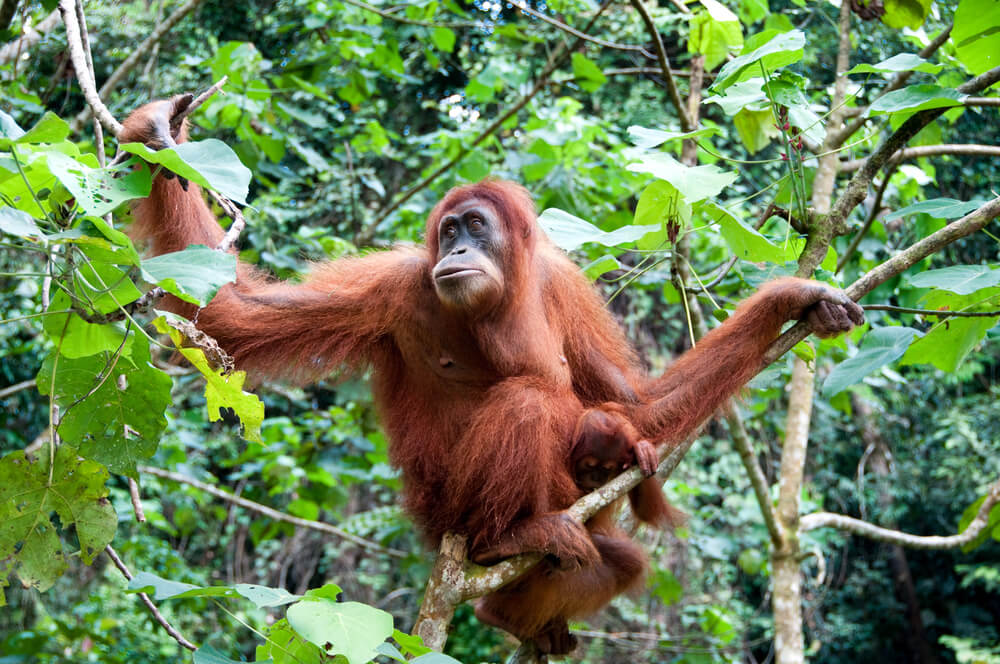
More than just a chance to meet wild orangutans up close, a journey to Bukit Lawang offers a blend of cultural immersion, adventure, and meaningful environmental education. With the help of experienced local guides, you can trek through lush tropical forests, soak in the beauty of winding rivers, and gain a deeper understanding of why conservation of these rare animals is so important.
And in this guide, we’ll walk you through everything — from how to observe orangutans ethically to avoiding common scams.
Bukit Lawang: Gateway to Sumatra’s Wildlife
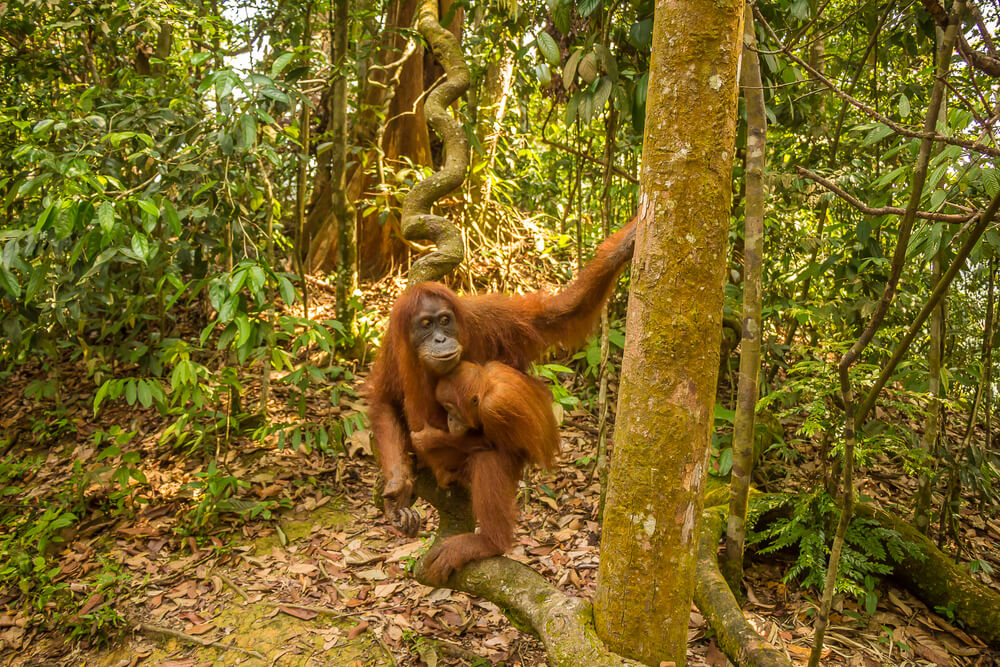
Bukit Lawang is the gateway to one of the largest populations of wild orangutans in the world. This riverside village has become a beloved starting point for jungle treks into the lush rainforest—the natural home of an estimated 7,500 Sumatran orangutans.
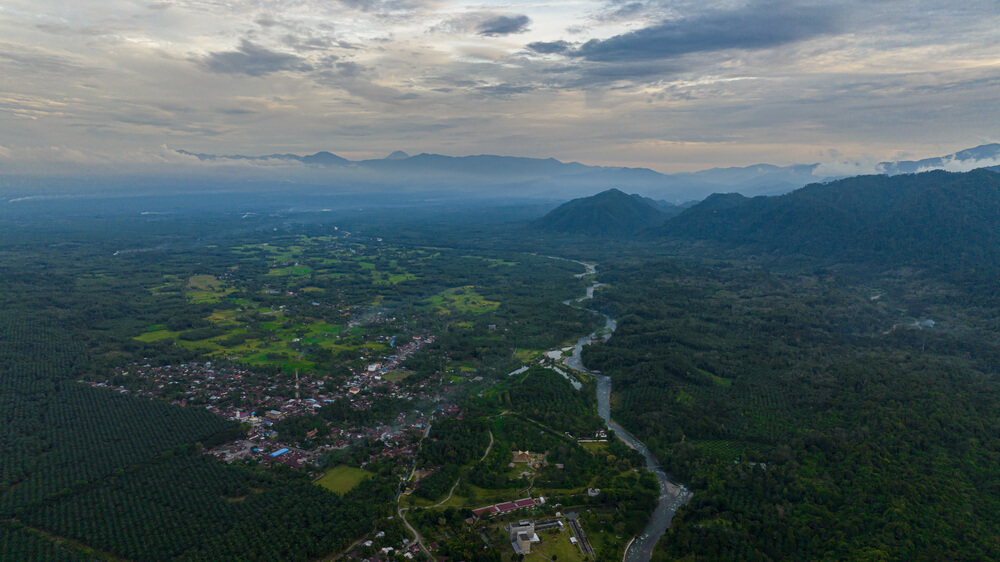
Originally established in 1973 as an orangutan rehabilitation center, Bukit Lawang has grown into an ecotourism destination focused on wildlife conservation and environmental education. The Sumatran orangutan (Pongo abelii) is critically endangered, with its biggest threats being deforestation and palm oil expansion—both of which are rapidly shrinking its forest habitat.
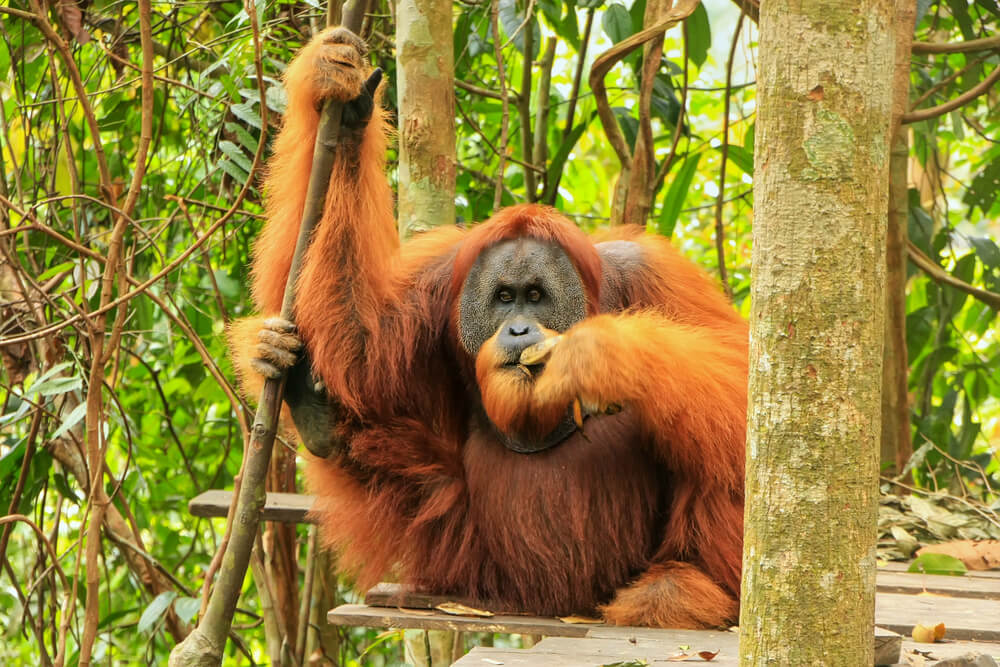
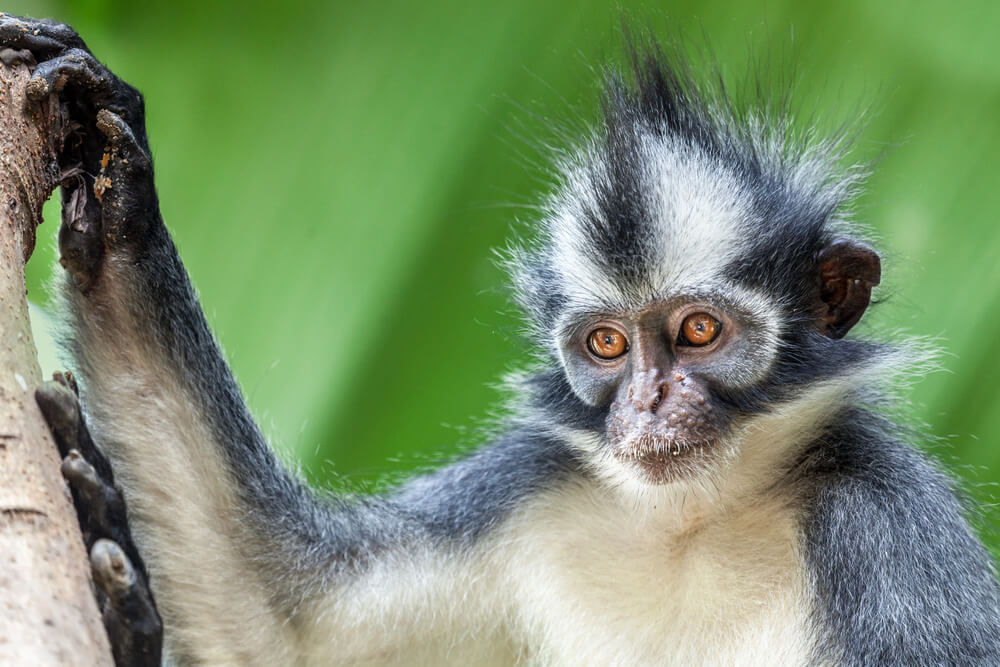
Located within the Gunung Leuser National Park, which spans an incredible 1,314 hectares, this conservation area is also home to nine different primate species. Among them is the quirky Thomas’s leaf monkey, also known locally as monyet Kedih—famous for its funky hairdo and found only in North Sumatra.
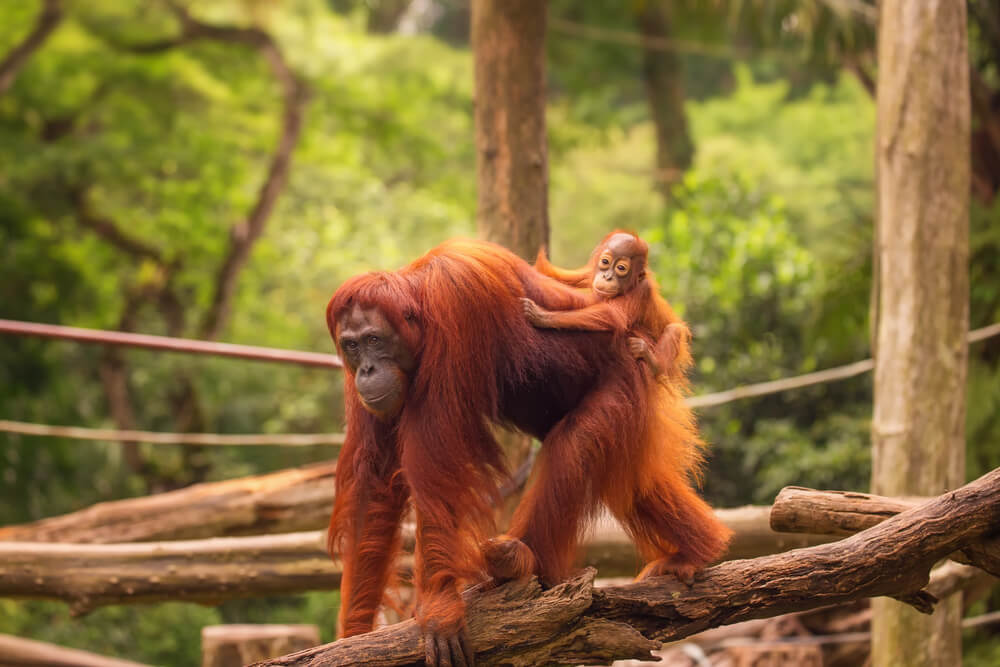
But it’s not just primates that live here. The forest is teeming with life: from forest turtles and chameleons, to hornbills, and even rare animals like the Sumatran tiger and rhino—although spotting these last two is incredibly rare.
Things to Do and See in Bukit Lawang
When people think of Bukit Lawang, it’s usually about the orangutans in the rainforest — but this riverside village has much more to offer. You can float down the Bohorok River on a tube, head out on a nighttime jungle trek, or even camp by the forest and fall asleep to the sounds of nature.
Jungle Trekking to See Wild Orangutans
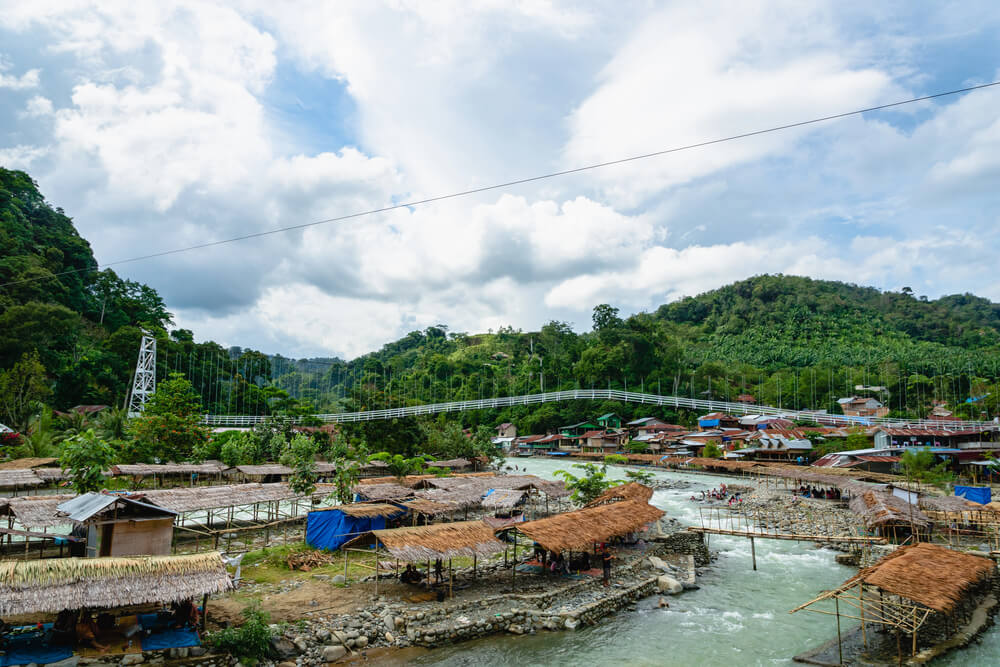
The absolute highlight of any visit here is jungle trekking to see orangutans in their natural habitat. Most treks begin at the entrance of Gunung Leuser National Park, which lies right by the village. To get there, you’ll walk through Bukit Lawang and cross the Bohorok River on a long suspension bridge — an adventure in itself! Along the way, you might also spot long-tailed macaques playing in the trees before you even reach the jungle.

Right by the park entrance you’ll find plenty of simple guesthouses and small local warungs — perfect for grabbing a quick bite or getting some rest before heading into the jungle.
Trekking inside the jungle typically lasts 6 to 7 hours, though you can go longer if you choose to camp overnight in the forest. According to the Gunung Leuser National Park regulations, all visitors must be accompanied by a licensed local guide from the HPI (Indonesian Tourist Guide Association). These guides not only know where to find orangutans, but they’ll also prepare meals, ensure your safety, and most of them speak English or other foreign languages quite well.
Before entering the park, you’ll need to register at the park’s entrance gate. Don’t forget to bring your passport, which will be checked by the rangers. If you’re traveling with a local guide, they’ll usually handle the registration process for you, making everything a lot smoother.
Backindo Tip: Remember, this is a tropical rainforest — you won’t be out there alone. During the wet season, expect leeches and plenty of mosquitoes. For a more comfortable trek, wear long pants, closed shoes with socks, and always use mosquito repellent. Pack light: a small daypack with water and a few snacks is all you need to move easily through the jungle.
How to See Orangutans Ethically
It’s not hard to spot orangutans around Bukit Lawang — the real challenge is making sure your visit doesn’t harm them. With the right guide and a bit of awareness, you can enjoy the experience in a way that keeps them wild and safe.
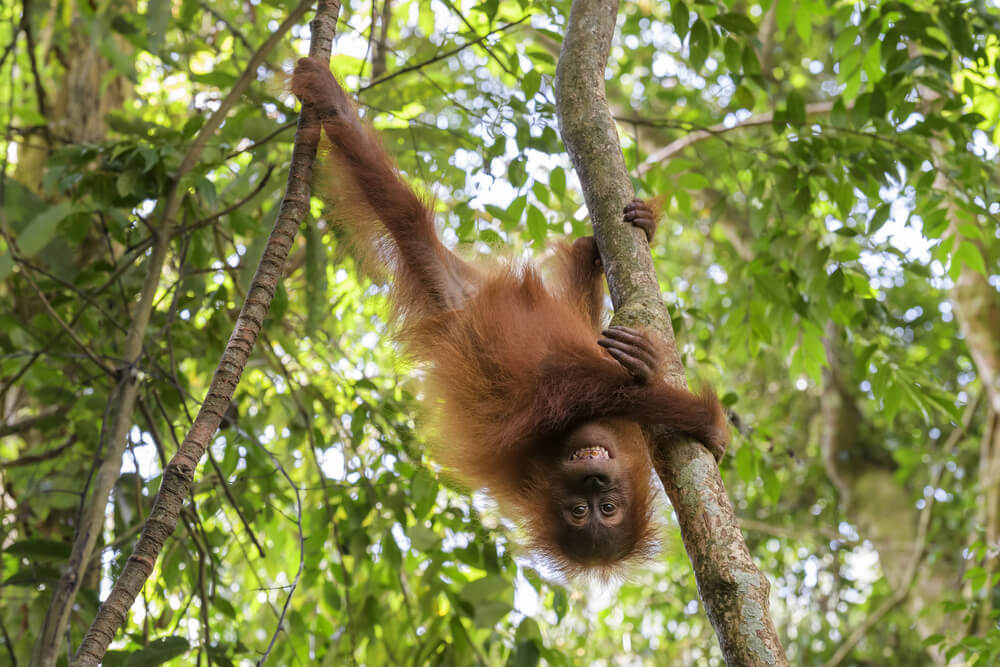
- Go with an ethical guide. Choose smaller, licensed tours that care about the forest, not just profit. Ethical guides follow the rules, avoid feeding orangutans, and keep a respectful distance.
- Keep the noise down. The quieter you are, the more natural the encounter feels — and the less stress you put on the animals.
- Stay in small groups. Orangutans are shy. Trekking in smaller groups makes it easier to observe them without overwhelming them.
- No feeding, no touching. Orangutans are wild, not pets. Feeding or touching them can harm both the animals and you.
- Photography without flash. Take all the pictures you want, but leave the flash off. At night, use headlamps only for the path — never into animals’ eyes.
- Leave nothing behind. Carry out every snack wrapper and plastic bottle. Even tiny bits of trash can harm wildlife.
Every year, there’s less forest left for animals to live in peace — which makes respectful travel more important than ever. By choosing ethical guides and following a few simple principles, you help keep orangutans wild and make sure future travelers can enjoy the same rare and magical encounters.
Sumatra is not only about exotic jungles—if you wish to explore a charming historic city, make sure to visit Bukittinggi.
Tubing Down the Bohorok River
If you’re looking for a fun break from trekking, tubing on the Bohorok River is a way to go. You’ll be drifting slowly on a big rubber tube, passing lush greenery and maybe even spotting orangutans or monkeys swinging above your head.
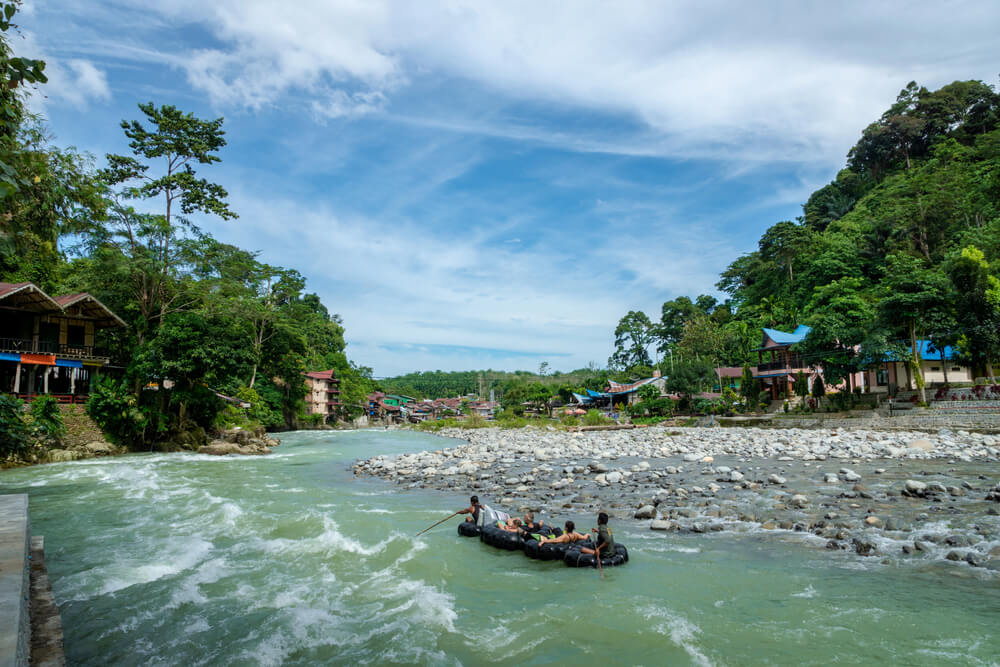
The river is calm, not too deep, and generally safe, but you will get wet — so bring a change of clothes. Along the way, there are also a few safe spots for a swim, which local guides will be happy to point out.
Backindo Tip: Check carefully what activities your travel insurance covers.
Exploring the Bat Cave
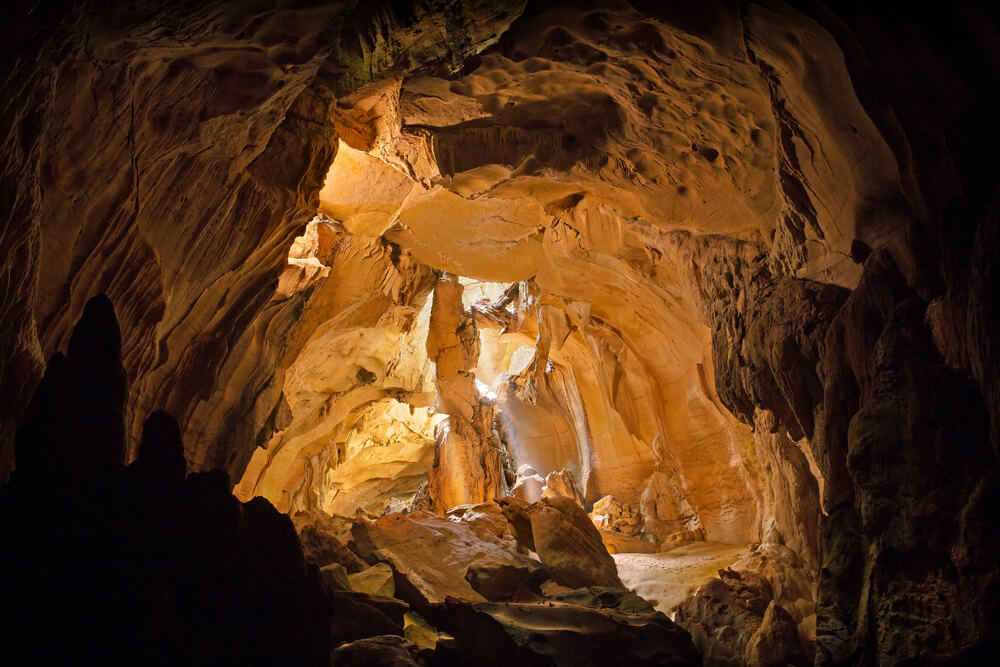
Just a short walk from the entrance to Gunung Leuser National Park, you’ll come across the Bat Cave — a natural hideout home to hundreds of bats. It’s dark, damp, and smells… well, like bats. But if you’ve never been inside a real bat cave before, it’s definitely worth checking out.
Staying in a Riverside Lodge with a Natural Vibe
In Bukit Lawang, accommodation is part of the adventure. Many guesthouses and eco-lodges are set right on the Bohorok River or at the edge of the jungle, so instead of city noise, you fall asleep to the sound of flowing water, frogs, and crickets.
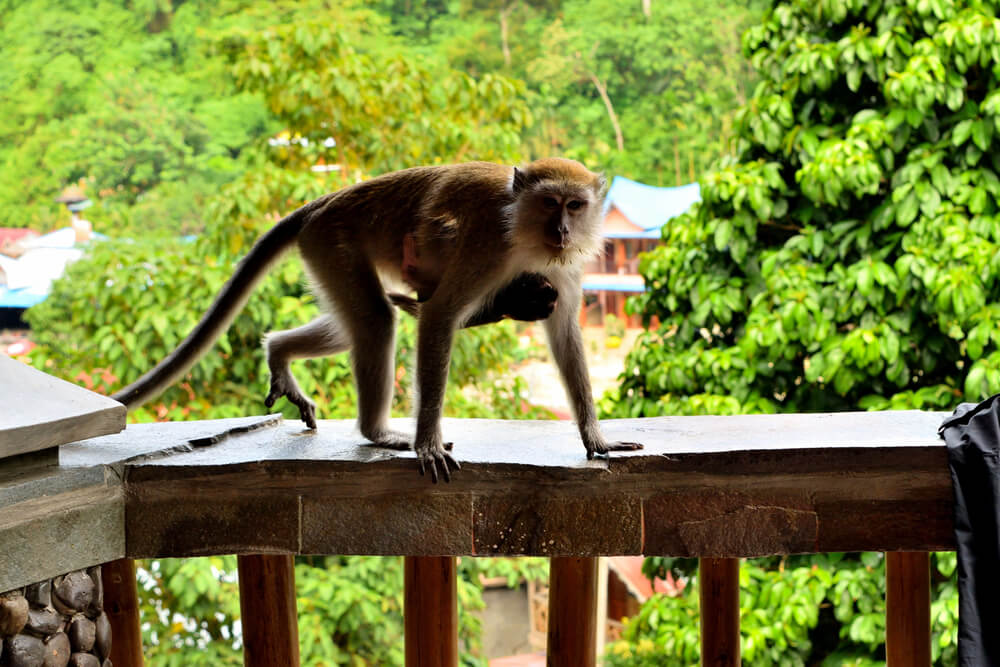
Most places are simple — expect mosquito nets, cold showers, and balconies where you can watch life along the river. In the early morning or late afternoon, you might even spot an orangutan or long-tailed macaque passing by.
Some lodges also offer BBQ nights, hammocks by the river, or a chance to try fishing with locals. It’s worth staying at least a few days, not just to go trekking, but to soak in the laid-back rhythm of Bukit Lawang.
How to Get to Bukit Lawang from Medan
Bukit Lawang is about 98 km from Medan, and the drive takes roughly 4–5 hours, depending on traffic and road conditions. Here are your main options, from the cheapest to the most comfortable:
Public Bus
The cheapest way to get there is by local bus from Pinang Baris Terminal in Medan to Gotong Royong village. From there, hop on a local tuk-tuk (becak) to reach Bukit Lawang. This combo costs around IDR 60,000 (around USD 3,66) for the bus and another IDR 20,000–30,000 (USD 1,22 – 1,83) for the tuk-tuk.
It’s definitely not the most comfortable ride — old buses, no AC, and possibly long waits — but if you’re a backpacker trying to save every rupiah, it works.
Before exploring different regions of Indonesia, it’s a good idea to read up on Guide to Domestic Flights in Indonesia.
Shuttle Bus
If you prefer something more comfortable, you can take a shuttle bus with AC and about 15 seats. These buses usually provide pick-up from Kualanamu Airport or hotels in Medan. The fare is around IDR 210,000 (around USD 12,83) per person, depending on the pick-up location.
Private Car with Driver
If you’re traveling with a group or just want more comfort and freedom, hiring a private car with a driver from Medan to Bukit Lawang is often the easiest way. The ride still takes around 4–5 hours, but you can stop when you want, travel at your own pace, and avoid the hassle of changing vehicles — though it does cost more than public transport.
Backindo Tip: Need a reliable driver in Java? We can share contacts of trusted locals we know personally – just drop us an email at hello@backindo.com.
Join a Tour to Bukit Lawang
If you want to make things really easy, you can book a tour package. Whether it’s a private or group tour, everything is arranged for you — from airport pick-up to accommodation and activities in Bukit Lawang, sometimes even including jungle trekking. You can find options online through platforms like GetYourGuide.
How Much Does It Cost to See Orangutans in Bukit Lawang?
Seeing orangutans in the wild isn’t exactly cheap — but for most travelers, it’s a once-in-a-lifetime experience that’s well worth the price. Here’s what to expect:
- National Park entrance ticket (foreign visitors): IDR 150,000 – Rp300,000 (USD 9,16 – 18,32)
- Half-day jungle trekking (6–7 hours): IDR 800,000 – Rp1,500,000 (USD 48,86 – 91,61)
- Multi-day trekking: IDR 1,200,000 – Rp3,500,000 (USD 73,29 – 213,77) (including meals and tent)
Prices depend on the guide, group size, and season. All treks must be done with a certified local guide — going alone is not allowed. Multi-day treks include everything you need: meals, a tent, sleeping gear, and the guide.
Backindo Tip: Bring plenty of cash. There’s only one ATM in Bukit Lawang, and it doesn’t always work. It’s best to withdraw in Medan before you go.
Best Time to See Orangutans in Bukit Lawang
You can spot orangutans all year round, but the best time to visit is during the dry season, from May to September. There’s less rain, which means the jungle trails are drier, safer, and easier to hike.
That said, the rainy season (October to March) has its perks too. Rain usually comes in short bursts rather than all day, and it’s also low season — so you’ll find fewer tourists and lower prices on flights and accommodation.
What’s Next?