
Renting a motorbike in Sumba can be a great way to explore the island, but it only makes sense for the right kind of traveler. If you are confident riding in Indonesia, comfortable with long distances, and happy to accept that roads and logistics are rougher than in Bali, it can give you a lot of freedom. If not, it can turn into an exhausting or risky idea very quickly.
This is not Bali scooter life with cafes every few minutes and easy shortcuts everywhere. Sumba is bigger, emptier, and much less forgiving. In this guide, we’ll cover where to rent a scooter in Sumba, what to expect in places like Waingapu or Tambolaka, how much it costs, and when we’d honestly tell you to skip the bike and hire a driver instead.
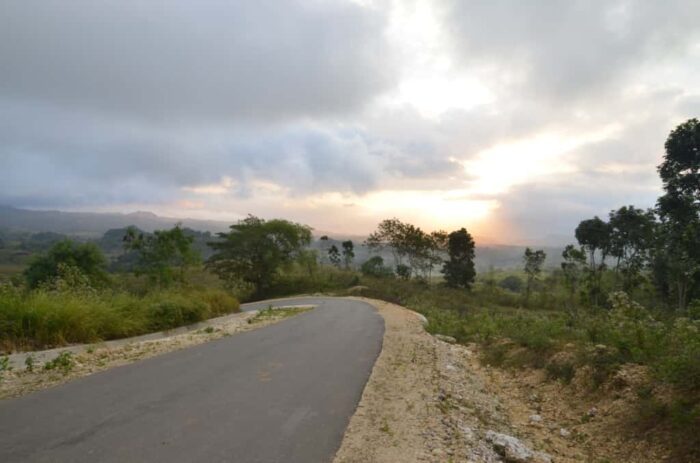
Is Renting a Motorbike in Sumba a Good Idea?
Yes, but not for everyone. Renting a scooter in Sumba makes the most sense if you already have proper riding experience, do not mind long days on the road, and want flexibility more than comfort. It works especially well for solo travelers or couples who travel light and already know that they enjoy this style of trip.
It makes much less sense if you are inexperienced, nervous on rough roads, traveling with lots of luggage, or trying to cover too much of the island in too little time. In those cases, a bike may look cheaper on paper but still leave you tired, slower, and less able to enjoy the trip.
Not for Beginners
The good news first: traffic in Sumba is light compared to many other parts of Southeast Asia. If the chaos of Asian roads usually scares you, Sumba may feel calmer than Bali or Java. But that does not mean it is easy riding.
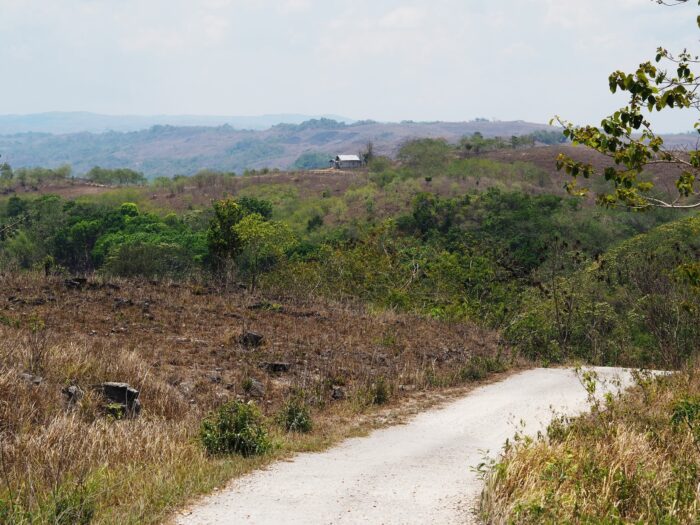
Between the main towns, like Waikabubak or Waingapu, and to many of the better-known spots, you’ll often find fairly smooth roads. But once you leave these main stretches, conditions can change fast.
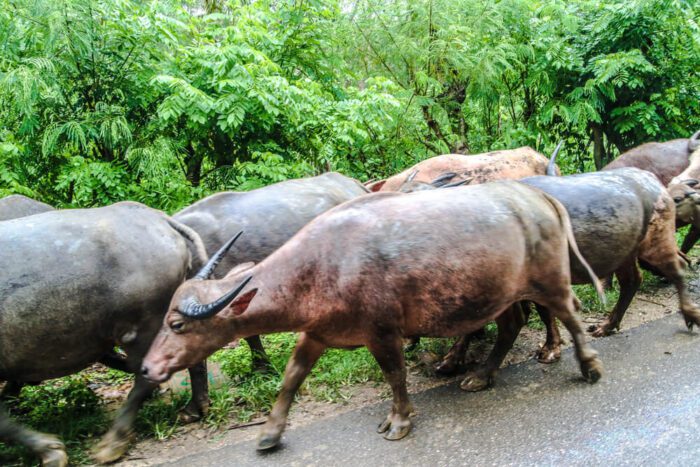
You might suddenly run into goats or cows on the road, a local driver using the wrong lane, gravel after fresh asphalt, or potholes that appear out of nowhere. So even if traffic is light, don’t assume the riding is easy.
Changing Road Conditions
One of the things that makes Sumba so unpredictable is how quickly the roads change. One minute you’re cruising on good asphalt, the next you’re dealing with gravel, sand, broken shoulders, or muddy sections. During the rainy season, some routes become much harder and a few can be close to impassable.
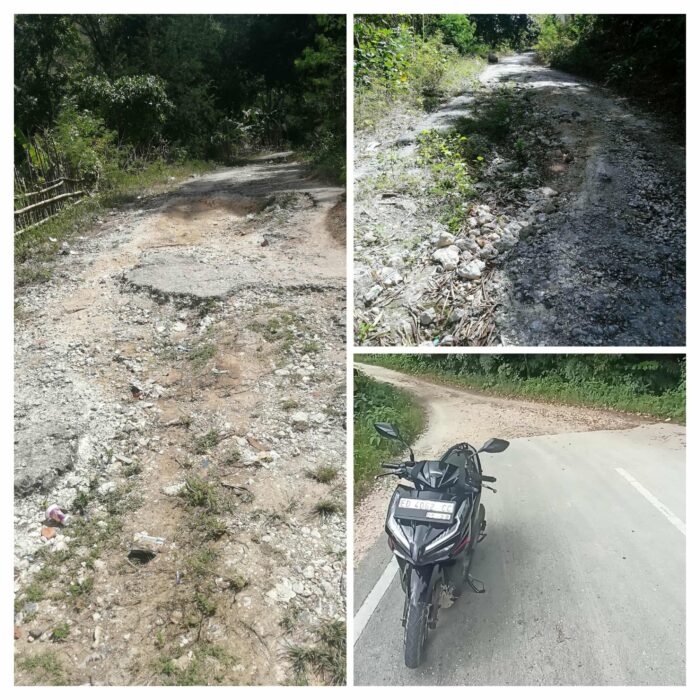
And then there are the roads that are simply bad for a long time. The kind that make you question why you came this way at all. Those stretches can still lead to amazing places, but they also cost time, energy, and confidence.
Planning your route across the island? Start with our Sumba travel guide first.
Where Can You Rent a Scooter in Sumba?
For most travelers, the easiest places to arrange a Sumba motorbike rental are around Waingapu in the east and Tambolaka in the west. That is also where most people first arrive, depending on which airport they use.
If you are landing in East Sumba, you will usually look around Waingapu and Waingapu Airport. If you are starting in West Sumba, check what is available around Tambolaka and your accommodation on that side. Availability can be patchy, so it is much safer to organize things before arrival if possible.
Do not expect a huge polished rental market like in Bali. In Sumba, scooter rental is more limited, bikes may be older, and last-minute choices can be surprisingly bad.
Waingapu vs. Tambolaka Pickup
If your route starts in Waingapu, renting there usually makes sense for East Sumba stops like Wairinding Hills or Walakiri Beach. If you start in Tambolaka, pickup there is more natural for West and Southwest Sumba.
The key thing to remember is that in Sumba, pickup and return usually happen in the same area. One-way scooter rental is not standard. Some providers may agree to a different drop-off, but expect extra cost and less flexibility.
If you are still deciding which airport is better for your route, compare this with our guide to flights to Sumba.
Freedom Comes with Limits
Having your own bike means you can reach places on your own schedule and explore the less-visited middle parts of the island. That can be one of the best things about traveling this way. But keep in mind: shops, fuel, and food stops are far less frequent than in Bali.
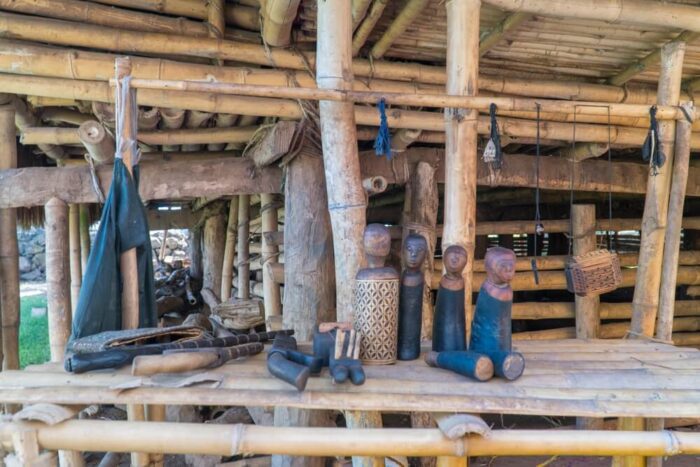
It is wise to carry enough water, snacks, and maybe even lunch before heading out. Internet signal is also patchy, especially in central and eastern areas, so do not count on easy real-time navigation everywhere. If you have not read it yet, our guide to internet in Sumba explains what to expect with signal and data.
Backindo Tip: In Google Maps, choose the “four-wheeler” option. Car routes usually stay on the better roads and are often more realistic in Sumba than bike shortcuts.
Motorbike Rental Practicalities
- Book ahead: In high season, bikes can be fully booked up to two weeks in advance. In August 2025, finding a scooter last-minute was almost impossible.
- Pick-up and return: The normal setup is to return the bike where you rented it. Different drop-off points may be possible, but do not count on it.
- Costs: Expect roughly IDR 150,000-200,000 per day for a basic scooter, sometimes more depending on season and availability.
- Quality: Do not expect Bali-level fleets. Scooters are often older, so check the brakes, lights, tires, horn, mirrors, and phone holder if you need one.
- Deposits: Many rentals do not ask for a deposit, passport, or cash hold, but still confirm the conditions clearly in advance.

Licensing and Insurance
Officially, you need a valid motorbike license from home plus an International Driving Permit. Rental shops may not care much, but if you ride without the proper license, your insurance may not cover you. That matters much more than whether the rental staff ask for documents.
Fuel and Supplies
Fuel stations are few and far between once you leave the towns. In remote areas, you may only find petrol sold in bottles at roadside stalls. That can be fine in an emergency, but it is more expensive and not something you want to rely on all day.
The golden rule is simple: fill up whenever you pass a proper station. A full tank may last most of the day, but that still does not mean fuel will be easy to find where you are going.
When a Driver Is the Better Choice
If long, bumpy rides do not sound fun, or if you mainly want to enjoy the views without worrying about navigation, road quality, rain, luggage, or fatigue, a car with driver is often the better option. This is especially true if you are traveling as a pair with bags, as a family, or if you want to cover more ground in fewer days.
It is more expensive than scooter rental, but in Sumba it can also be much more efficient. A good local driver does not only drive. They help with timing, realistic route planning, and small local details that are easy to miss on your own.
If you are unsure which style fits you better, compare this article with our guides to traveling in Sumba with kids and the broader Sumba travel guide.
Looking for a reliable driver? Send us an email at hello@backindo.com and we’ll share contacts of trusted drivers and guides we personally recommend.
Is Renting a Scooter in Sumba Worth It?
Yes, if you are experienced, flexible, and genuinely enjoy riding. For the right traveler, it can be one of the most rewarding ways to experience Sumba. But it is not the cheapest option in any simple sense once you factor in energy, risk, comfort, and how much distance you plan to cover.
If you mainly want an easier trip, smoother pacing, and less physical effort, skipping the scooter is not a failure. In Sumba, that is often the more realistic choice.