
Jakarta is a bustling metropolis and the capital of Indonesia, filled with skyscrapers, traffic, and a fast-paced city life that never slows down.
For many, it’s just a gateway to Indonesia, but this city has much more to offer. Beyond its modern facade, Jakarta hides historical sites, exciting attractions, and hidden gems waiting to be explored. It’s a city of contrasts—modern yet traditional, chaotic yet full of charm—and people tend to either love it or hate it.
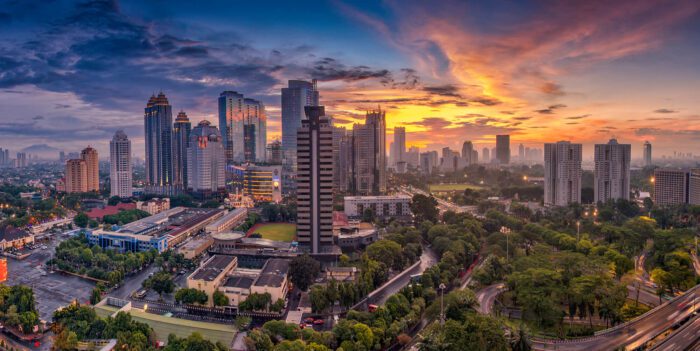
In this guide, I’ll share everything you need to know to experience Jakarta for yourself. From top things to do, must-visit attractions, and local food recommendations to transportation tips, practical travel advice, and the best places to stay, this guide covers it all.
Planning a trip to Jakarta? This Jakarta guide gives you the overview, but we’ve also prepared separate detailed guides for many places and practical topics mentioned here:
- Jakarta Places to Visit
- Practical Jakarta Travel Tips
Why Should You Visit Jakarta?
Jakarta is not usually the reason people come to Indonesia. Most travelers end up here because their flight lands in the city, they need to catch a train, or they have one night before continuing elsewhere.
But if your route already brings you here, it is worth giving Jakarta a little time. In 2025, the UN listed Jakarta as the world’s largest city by population, with around 41.9 million people in the wider urban area. It is busy, messy and not always easy, but it shows a side of Indonesia you will not see in beach towns or mountain villages.
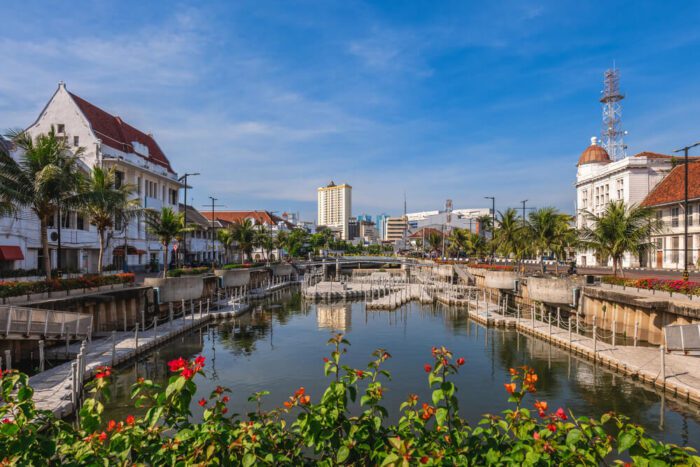
I used to dislike Jakarta, and I still do not travel there just for fun very often. But the more I explore it, the more interesting it becomes. Choose one or two areas, slow down a bit, and the city starts to make much more sense.
What To Do and See in Jakarta
Jakarta is known for a few classic stops, such as Kota Tua, Monas, Istiqlal Mosque and Glodok. They are worth visiting if it is your first time in the city.
But Jakarta gets more interesting when you also add places that are less obvious. In this section, we’ll combine both — the main Jakarta attractions and a few less-known places that help you see more than just traffic, malls and skyscrapers.
Kota Tua Jakarta (Jakarta Old Town)
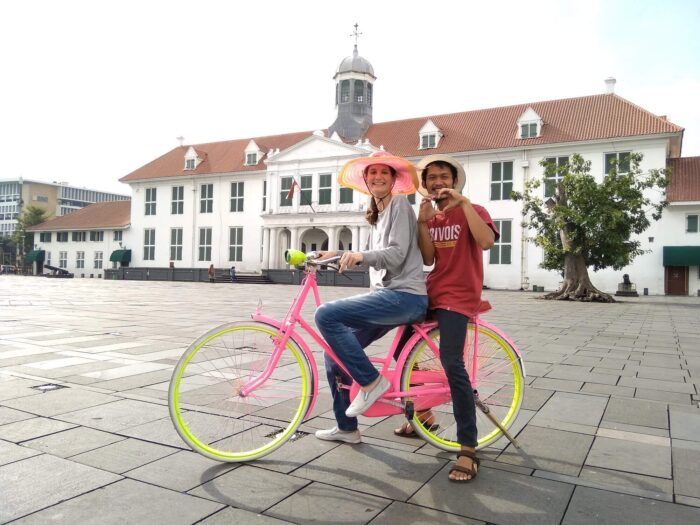
Kota Tua is probably the easiest place to start if you want to understand Jakarta’s historical side. This was the center of old Batavia during the Dutch colonial period, and around Fatahillah Square you can still see many colonial-era buildings, now used as museums, cafés and restaurants.
For more details on Kota Tua Jakarta, check out our full article Visiting Kota Tua Jakarta: A Blend of Culture and History in One Place + How to Get There
The square itself is usually quite lively. People come here to take photos, rent the colorful old-style bicycles, watch street performers or just sit around in the evening. If you have more time, walk toward the Ciliwung River and the smaller streets nearby, especially later in the afternoon.
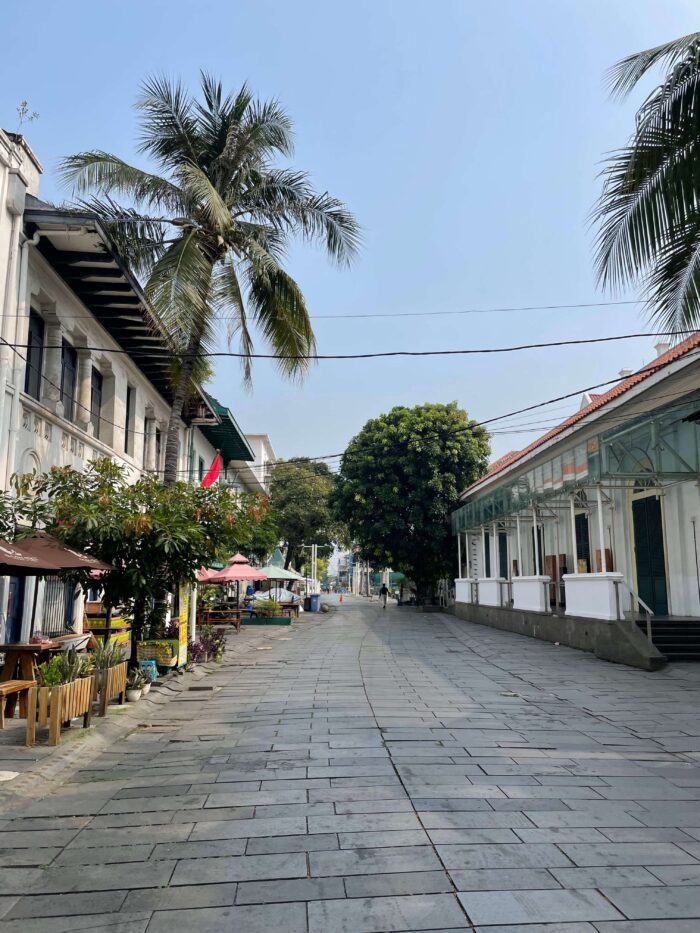
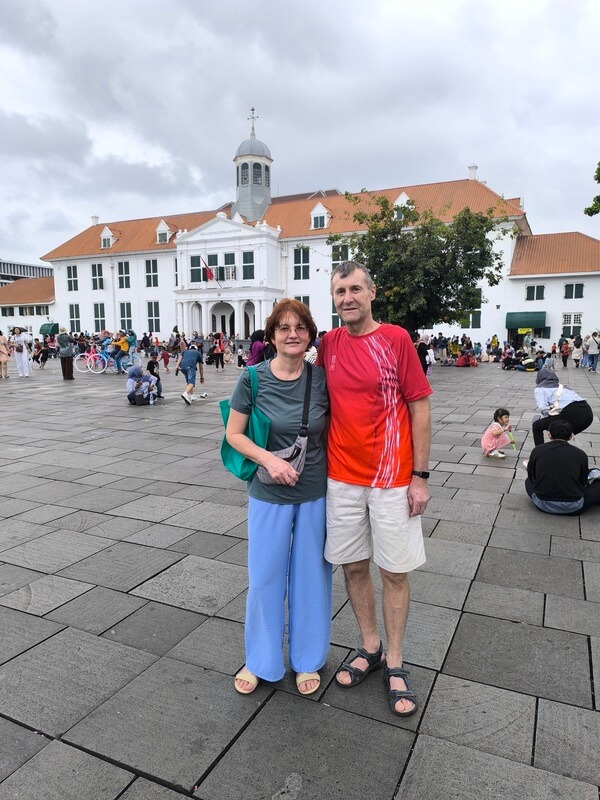
There are several museums around Kota Tua, so I’d choose one or two rather than trying to visit everything:
- Museum Fatahillah / Jakarta History Museum — for Jakarta’s history
- Wayang Museum — for traditional puppets
- Museum of Fine Arts and Ceramics — for art and ceramics
- Bank Indonesia Museum — for financial and colonial history
- Bank Mandiri Museum — another good stop if you enjoy old bank buildings and history
- Maritime Museum — located a bit farther from Fatahillah Square, near Sunda Kelapa Harbor, but for me one of the most interesting museum experiences in the area
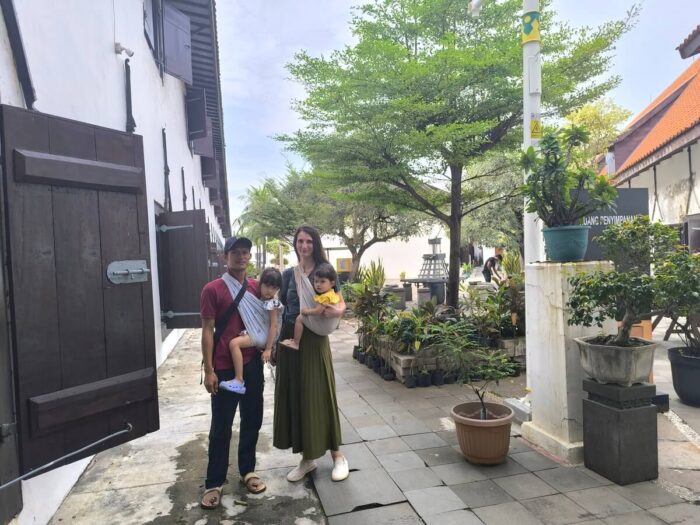
For food and drinks, Café Batavia is the classic choice, but it is more expensive. Acaraki is a nice stop if you want to try a modern version of jamu, traditional Indonesian herbal drinks. If you want something cheaper, head north from Café Batavia to Kantine, a food court with plenty of options and more affordable prices.
Kota Tua is also a strategic area to stay, especially if you want to explore the historic center and stay close to several main attractions. We usually stay at Wonderloft Hostel, which is located just next to Fatahillah Square. For totally unique expereince, try House of Tugu.
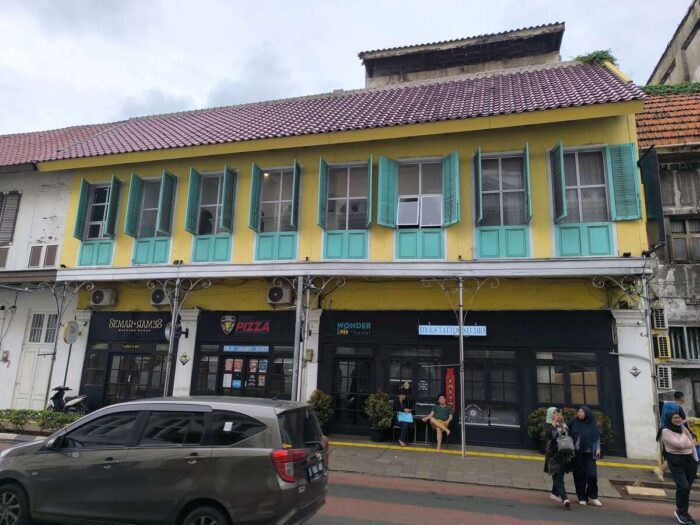
Glodok (Jakarta’s Chinatown)
Glodok is Jakarta’s Chinatown and one of the easiest places to combine with Kota Tua. From Fatahillah Square, you can usually walk there in about 10–15 minutes, so it makes sense to visit both areas on the same day alone or as a part of a walking tour.
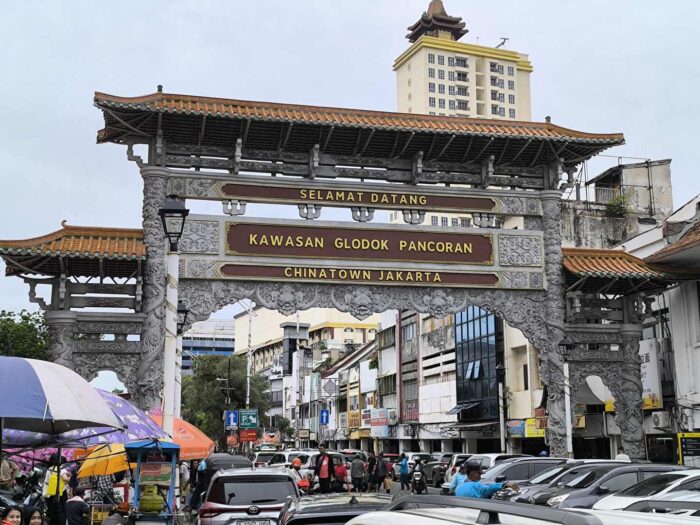
The atmosphere in Glodok feels completely different from the colonial streets of Kota Tua. You’ll find Chinese temples, old shop houses, narrow lanes, traditional medicine stores, food stalls, electronic shops and busy markets all packed into one area.
Interested in Jakarta's Chinatown? Head to our article Glodok: Traveler’s Guide to Jakarta’s Chinatown.
I have lived on Java for more than eight years, but Glodok still feels like a different world to me every time I visit. It is one of those places where Jakarta suddenly shows another layer of itself — Chinese-Indonesian heritage, street food, old family businesses and everyday market life in the middle of the city.

The best way to explore Glodok is slowly. Walk through the smaller streets, stop around Gang Gloria for food, visit one of the temples, and do not be afraid to just look around. If you visit around Lunar New Year, the markets become especially lively, with red decorations, lanterns and festive goods everywhere.
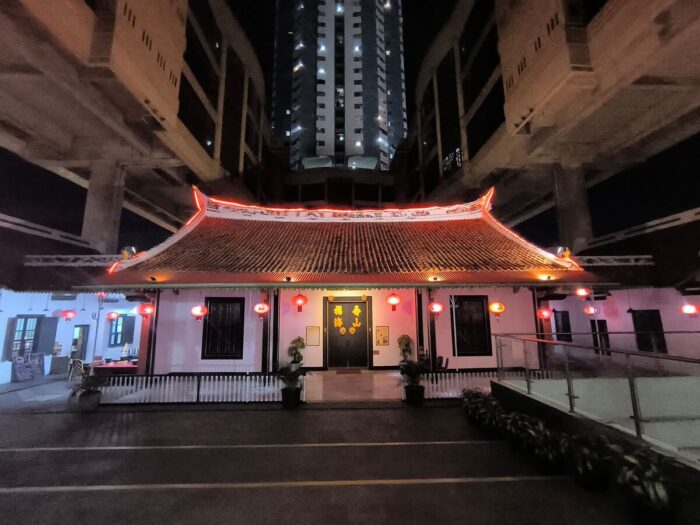
Recently, we often choose accommodation around Glodok. It is practical for public transport, still convenient for the airport and train stations, and gives you easy access to Kota Tua and local food streets. We’ve tried Novotel Jakarta Gajah Mada, 101 Urban Jakarta Glodok, and an apartment by Dragon Inn. For us, the best evening atmosphere was around Novotel Gajah Mada.
National Museum (Museum Gajah)
The National Museum, often called Museum Gajah, is one of the easiest places to add if you are already around Monas. It sits just across the road from the Monas area, so both places work well together.
After the 2023 fire, the museum was closed for restoration and reopened with a fresher, more modern layout. It is still one of the best museums in Jakarta if you want to understand Indonesia beyond one island or one region. The collection covers archaeology, textiles, ceramics, statues, traditional objects and cultural heritage from across the archipelago.
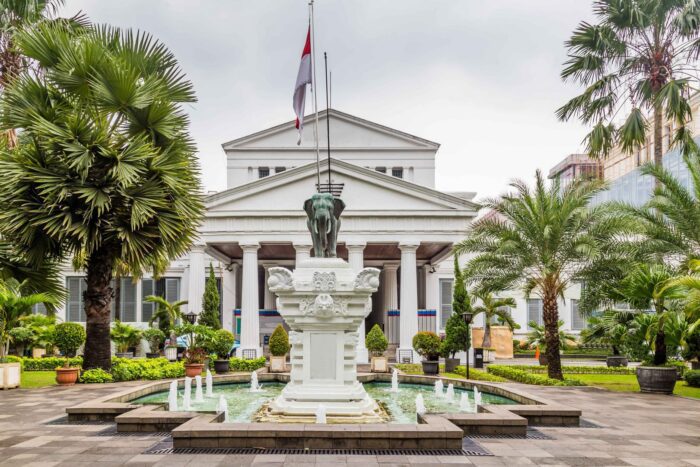
There is also ImersifA, a 360° video mapping experience inside the museum. It has a separate ticket and schedule, so check the current information before you go.
One thing I like is that the museum can also work later in the day. As of April 2026, it stays open until 8 PM from Friday to Sunday, and every second Wednesday of the month, the ARAMSA program offers free entry from 4 PM to 8 PM.
Backindo Tip: There is a stop for the free Jakarta city tour bus in front of the museum.
Monas (National Monument)
Monas is an iconic landmark of Jakarta. This towering monument, standing 132 meters (433 feet) tall, is easily recognizable by its golden flame at the top, which is coated with 24-karat gold.
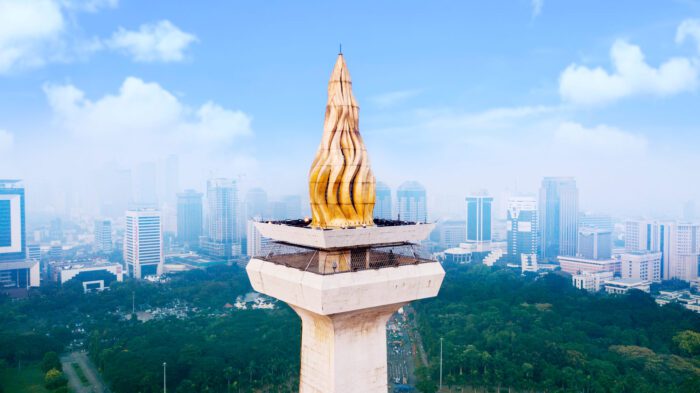
You can take an elevator to the observation deck at the top, but the number of visitors is limited. If you really want to go up, do not leave it until later in the day.
We arrived about three hours before closing and still did not manage to get tickets for the top. In the end, we only visited the museum and the lower part of the monument. To be honest, for us, the lower part alone was not really worth the visit.
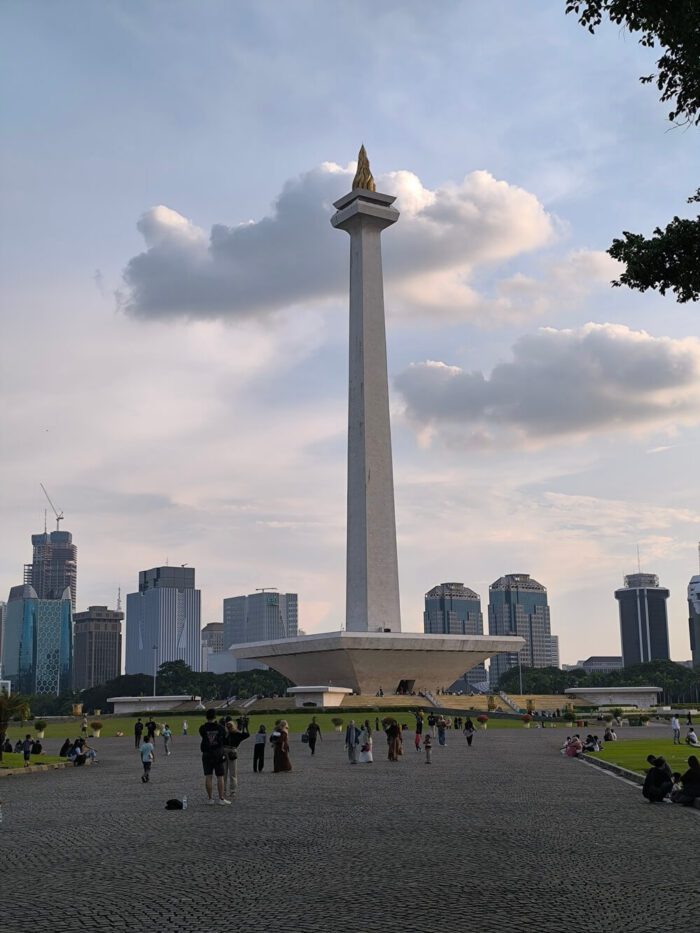
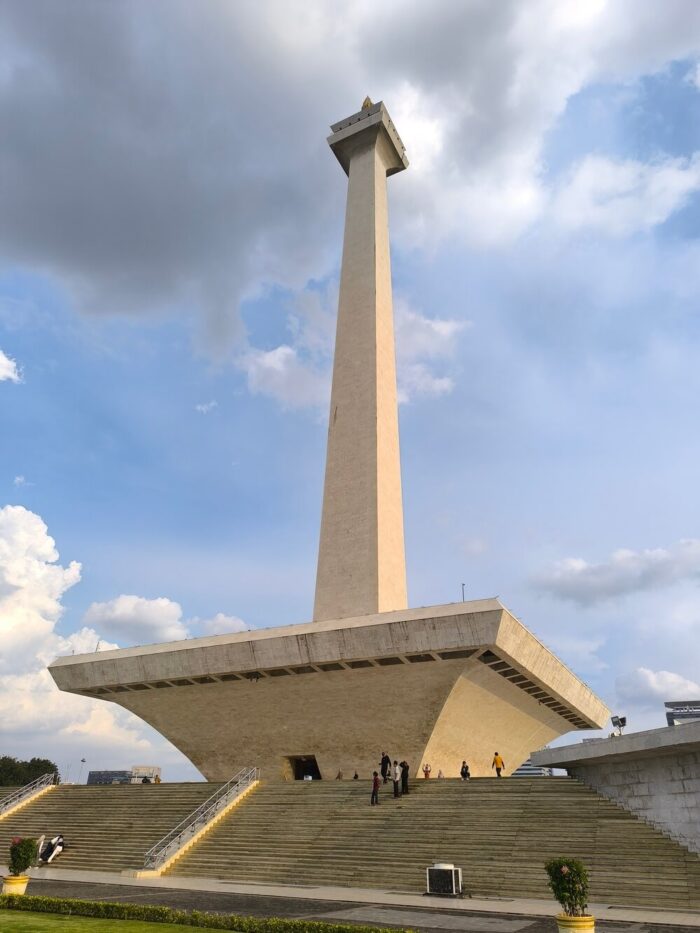
To visit Monas, you need a JakCard, which you can buy or top up at the ticket counter. If you already have one with enough balance, the process is easier.
Monas Park itself is also worth a walk, and on weekend evenings there is usually a fountain show.
We covered everything you need to know in How to Visit Monas: Jakarta’s Must-See National Monument.
Istiqlal Mosque
Not far from Monas, you’ll find Istiqlal Mosque, one of Jakarta’s most important landmarks. It is the largest mosque in Southeast Asia and an active place of worship, but tourists are also welcome to visit outside prayer times.
Even if you are not Muslim, Istiqlal is worth seeing for its scale, architecture and importance in Indonesian society. The interior is huge, open and quite different from many other mosques you may visit in Indonesia.
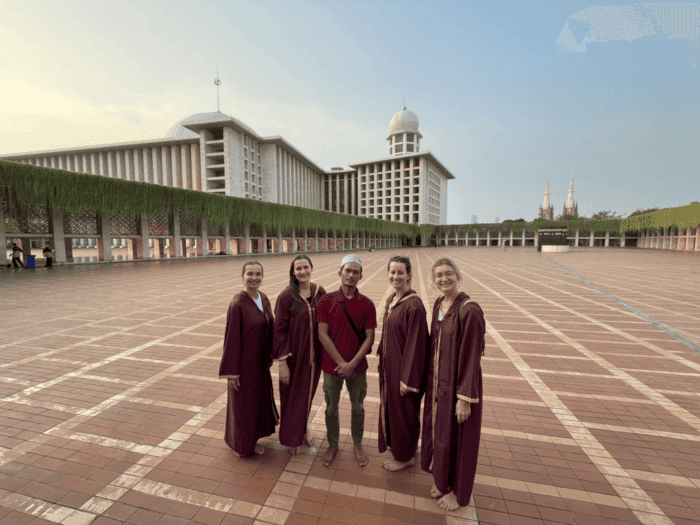
Near the entrance, you’ll usually find small food vendors and souvenir stalls. The mosque is also connected to Jakarta Cathedral by the Silaturahmi Tunnel, an underground passage often mentioned as a symbol of religious tolerance in Indonesia.
Before visiting, dress modestly and be ready to remove your shoes before entering the main prayer area. If needed, mosque staff can lend visitors a robe during the visit.
Also read: Visiting Istiqlal Mosque in Jakarta: A Guide for Tourists
Istiqlal works well together with Monas, the National Museum and Jakarta Cathedral, as all of them are in the same central area. If you want more context, consider joining a Jakarta city tour instead of only stopping for photos.
National Library of Indonesia
It may sound unusual to include a library in a list of tourist recommendations, but the National Library of Indonesia is not just any library. This 24-story building offers unique attractions you won’t find elsewhere, including historical artifact collections, interactive exhibitions, and special events.
One of the highlights is the top floor, where you can enjoy a panoramic view of Jakarta from above.
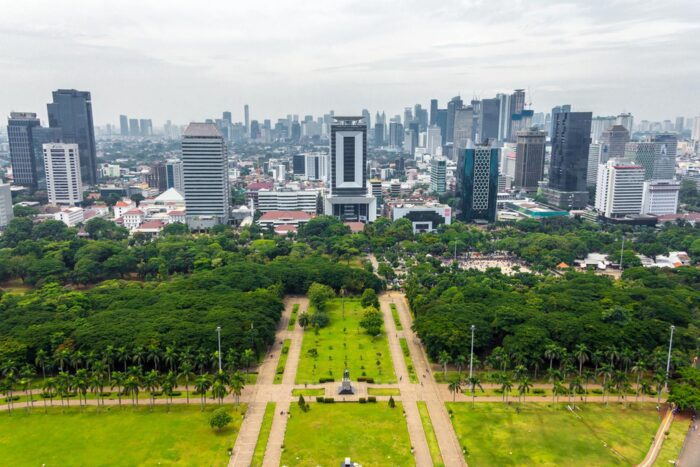
There is no entrance fee to visit the National Library. However, you need to register as a member on the 2nd floor using a valid ID (such as a passport). The library is open until 7 PM on weekdays and until 4 PM on weekends.
Backindo Tip: There might be a long queue to enter Monas, especially on weekends and holidays. The National Library is a great alternative, which offers a similar panoramic view from its rooftop without the wait.
📍Download the Map of Jakarta📍
Make your Jakarta planning easier with our Google Map. It includes all the places from this guide, plus extra food tips, lesser-known stops and nearby trip ideas you can use directly on your phone.
After purchase, you’ll get a private link and the map will show up in your Google Maps across all your devices.
Things To Do In Jakarta With Kids
TMII (Taman Mini Indonesia Indah)
This recreational park combines education and entertainment in one place. Taman Mini Indonesia Indah (TMII) covers an area of 150 hectares and showcases 34 traditional houses, each representing a different province in Indonesia. The park also features museums, a mini zoo, and the cable car ride, which offers an aerial view of the entire park.
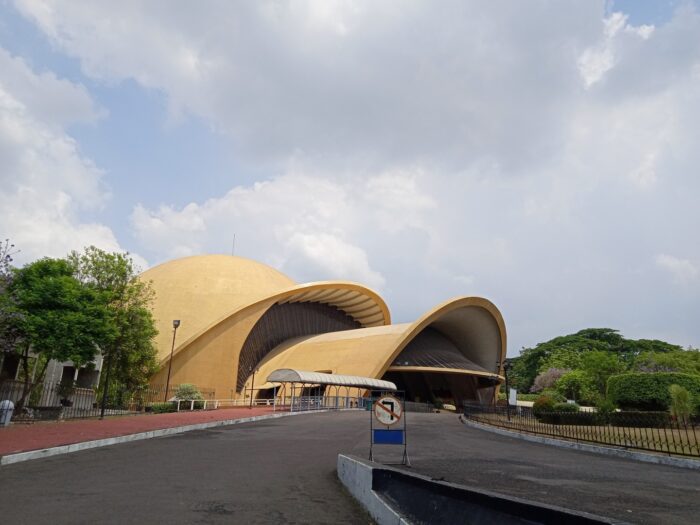
One of the highlights at TMII is the Tirta Menari and Tirta Bercerita shows, held in the afternoon. These are water fountains and holographic performances that bring legendary Indonesian folklore to life. Visiting TMII is a great choice, especially if you’re traveling with family and kids.
For more details, check out our article Taman Mini (TMII): Explore All of Indonesia in Jakarta
The park is located in East Jakarta, quite far from the city center. You can take the LRT (Light Rail Transit) and get off at TMII Station. Booking tickets online is recommended, as it includes a free shuttle service from the LRT station
Another option is to take a taxi or book this day tour in Jakarta which includes the tickets.
Ragunan Zoo
For a family-friendly outdoor experience, Ragunan Zoo in South Jakarta is a great option. The zoo is home to a wide variety of animals, including Sumatran tigers, elephants, giraffes, and reptiles.
One of the highlights for kids is the Baby Zoo, where they can get up close with young animals, and they can even ride a pony. To enter Ragunan Zoo, you’ll need a JakCard, which can be used for multiple visitors in one transaction.
Learn more about traveling in Java with children: How to Travel Java with Kids: Tips from an Expat Mom.
Museum MACAN (Modern and Contemporary Art in Nusantara)
Museum MACAN showcases a diverse collection of modern and contemporary art from both Indonesian and international artists. Located in Kebon Jeruk, West Jakarta, this 7,100-square-meter museum is a must-visit for art enthusiasts.
The exhibits frequently change, so there’s always something new to discover. One of the museum’s most popular installations is the “Infinity Mirrored Room – Brilliance of the Souls” by renowned Japanese artist Yayoi Kusama.
It’s best to book your tickets online through their official website or Traveloka, as on-site tickets are limited.
Setu Babakan
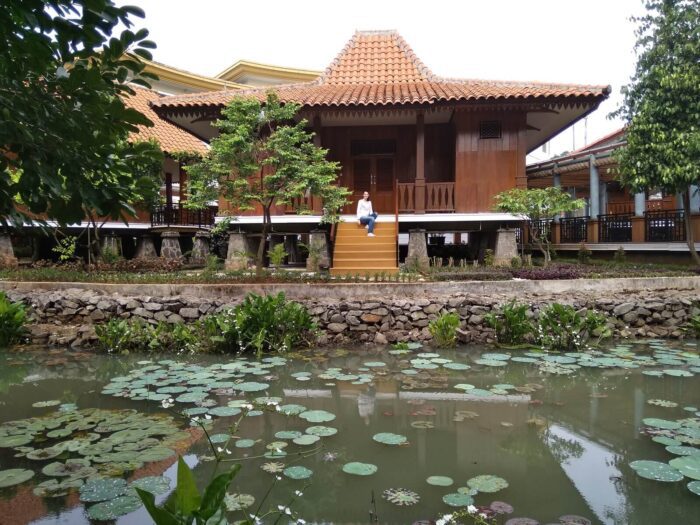
If you want to understand Jakarta beyond skyscrapers, traffic and malls, Setu Babakan is one of the best places to learn about Betawi culture. The Betawi are the indigenous people of Jakarta, and this cultural village in South Jakarta was created to preserve their traditional houses, food, music, dance and everyday customs.
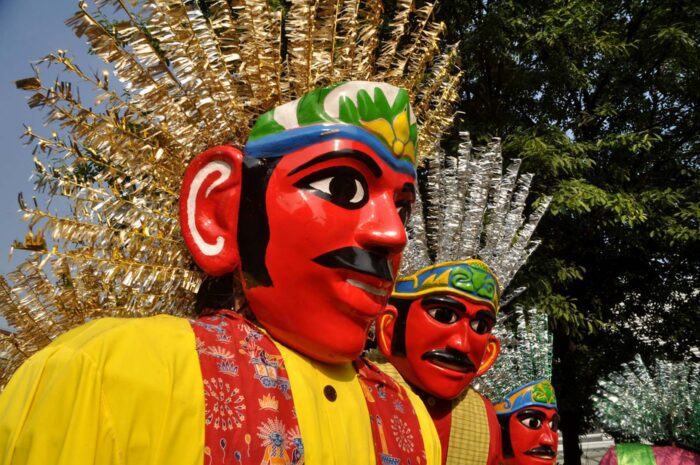
You can see Betawi-style houses, Ondel-Ondel giant puppets, traditional performances and sometimes workshops such as batik-making or silat, the local martial art. What you can experience depends on the day, so it is better to check the schedule if you are coming mainly for performances.
Setu Babakan is also built around a lake, so the atmosphere feels very different from central Jakarta. You can walk around, try a short boat ride or just come for Betawi food. Look for dishes and drinks such as kerak telor, roti buaya and bir pletok, a warm spiced herbal drink.
Free Things to Do in Jakarta: Parks and Public Spaces
Jakarta isn’t always expensive—there are plenty of free spots where you can relax without spending a dime. If you need a break from the city’s hustle, check out these parks:
- Taman Suropati (Central Jakarta) – A peaceful park in Menteng, filled with lush greenery, tall trees, and plenty of benches to unwind.
- Martha Tiahahu Literacy Park (South Jakarta) – Located in Blok M, this park features a public library, elevated pedestrian walkway, and nearby food vendors.
- Tebet Eco Park (South Jakarta) – A family-friendly space with playgrounds, a long connecting bridge, and eco-friendly attractions.

Other free spots worth visiting include Taman Langsat, Lapangan Banteng, and the Skydeck at Bundaran HI Bus Stop—one of the best photo spots in Jakarta. Most of these locations are easily accessible by TransJakarta Bus, with stops nearby.
How to Enjoy Jakarta at Night
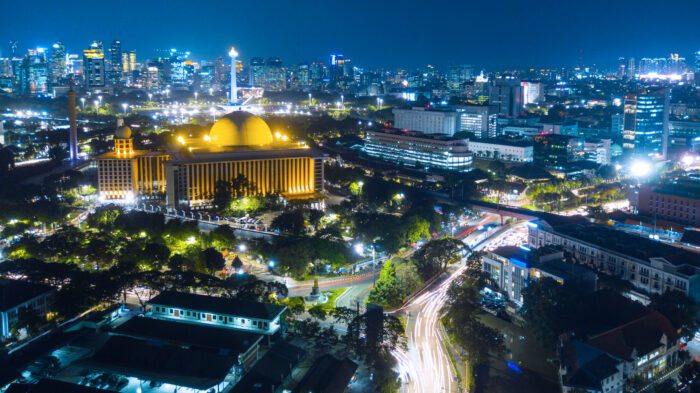
Jakarta at night is not only for people looking for bars or parties. You can also enjoy the city in a quieter way — with rooftop views, evening walks, museum programs, food events or public spaces that come alive after sunset.
If you want skyline views, Henshin at The Westin Jakarta, known as one of the highest restaurants in Jakarta, offering panoramic 360-degree views of the skyline.
On Friday to Sunday evenings, Monas also hosts a free dancing fountain show, with sessions usually starting at 19:30 and 20:30. Another interesting event is ARMSA at National Museum of Indonesia, held on Wednesday nights during the second week of the month. The museum opens at night and often features immersive exhibitions and themed visual shows.
Jakarta also hosts many festivals and public events, especially from afternoon until night. One of the biggest is Jakarta Fair (Pekan Raya Jakarta), usually held around June–July for about a month. The event is filled with creative booths, food stalls, concerts, and local products—but be prepared, it can get extremely crowded.
Best Day Trips from Jakarta
Jakarta itself is not really an outdoor adventure destination, but it can be a useful base for nature-focused day trips. If you want fresh air, islands, mangroves or short hikes, you’ll usually need to go a little outside the city.
Thousand Islands
If you want to escape Jakarta without flying anywhere, the Thousand Islands are the easiest island trip from the city. They sit just off the coast of North Jakarta and are usually reached by boat from Marina Ancol or local harbors such as Muara Angke.
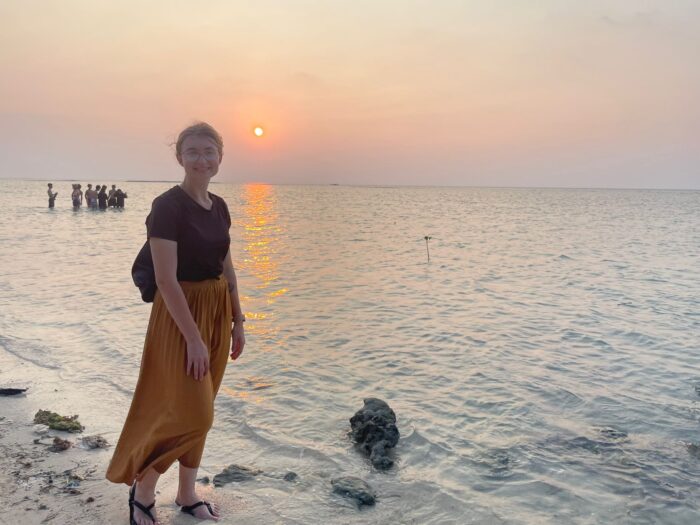
The islands are very different from each other, so it helps to choose the one that fits your travel style:
- Pulau Tidung — one of the more popular and affordable options, known for its long bridge and local guesthouses.
- Pulau Pramuka — a good choice if you want more local island life and access to nearby snorkeling spots.
- Pulau Harapan — often used as a base for island-hopping trips and snorkeling around nearby islands.
- Pulau Pari — works well for a more relaxed beach day and is one of the easier islands to visit.
- Pulau Macan — a private resort island, more expensive, but much more comfortable and completely different from staying in a local homestay.
Learn more about Thousand Islands in: Thousand Islands Guide: Discover Jakarta’s Hidden Gems.
For most travelers, the easiest way to visit the Thousand Islands is by joining an open trip or organized island-hopping tour. These usually include boat transfers, basic activities and several stops, which makes the logistics much easier if you do not speak Indonesian or do not want to arrange everything yourself.
Bogor
Bogor is one of the easiest day trips from Jakarta, especially if you want more greenery, a slightly cooler climate and a break from the city. You can get there by KRL commuter train from Jakarta, which is usually the most reliable option if you want to avoid road traffic.
The main highlight is the Bogor Botanical Gardens, with large trees, lotus ponds and plenty of space to walk around. Around the city, you can also visit Bogor Palace from the outside, try local food such as Soto Mie Bogor or Toge Goreng, or continue farther out toward waterfalls, tea plantations, Taman Safari or cultural places such as Kampung Budaya Sindang Barang.
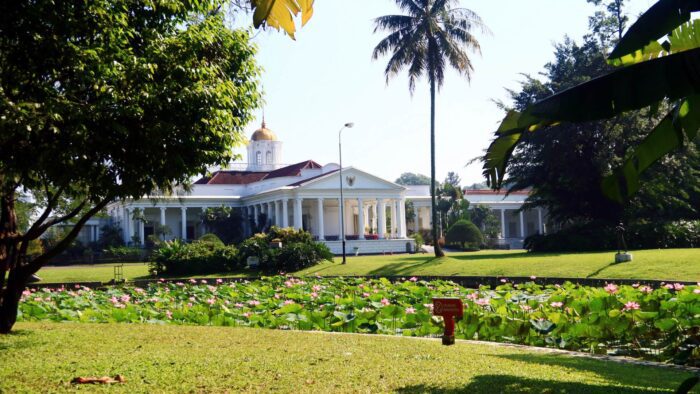
Bogor works well as a day trip, but staying overnight gives you more time to enjoy the city without rushing. If you go only for the botanical gardens and city center, the train is usually enough. If you want to visit places outside Bogor, such as waterfalls, highland areas or Taman Safari, a private driver or organized trip will be much easier.
If you prefer not to plan the transport yourself, Bogor is also one of the better places for themed day trips from Jakarta. Some focus on Bogor Botanical Gardens, waterfalls and rice terraces, others are built around Taman Safari, while more active options combine the Puncak highlands with tea plantations or paragliding.
What to see and do in Bogor? Head to our guide Bogor Travel Guide: What to See, Do and Expect.
Bandung
Just 2.5–3 hours from Jakarta, Bandung is a great day trip or weekend getaway for travelers looking for cooler weather, nature, and local charm. Surrounded by volcanic landscapes and tea plantations, it offers stunning scenery and plenty of outdoor activities.
Visit Tangkuban Perahu, an active volcano with steaming craters, or relax in the Ciwidey hot springs. The Lembang Floating Market and Kawah Putih (White Crater) are also must-sees for unique photo spots.
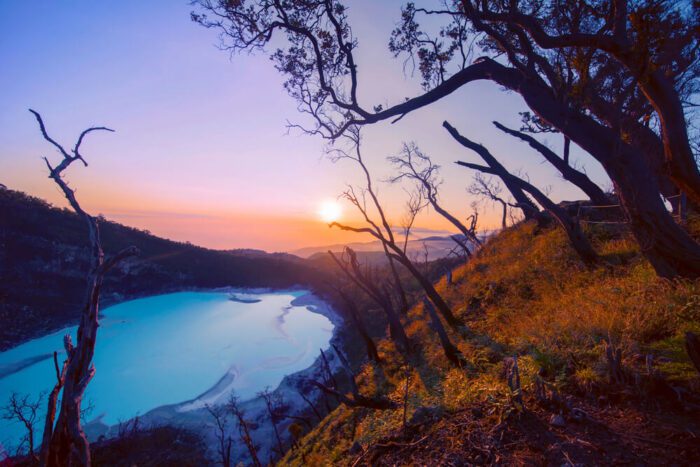
Bandung is known for food and shopping, with factory outlets, trendy cafés, and famous Sundanese cuisine like Nasi Timbel (banana leaf-wrapped rice) and Batagor (fried fish dumplings). While you can visit in a day, an overnight stay is recommended to fully enjoy the city. The best way to get there is by train from Gambir Station (about 3 hours), by the high-speed train Whoosh or private car.
Find everything you need to know before planning your trip to Bandung in Bandung: Ultimate Travel Guide to the Capital of West Java.
Baduy Tribe
For a truly off-the-grid experience, visiting the Baduy people offers a rare glimpse into one of Indonesia’s most traditional communities. Located in Banten, about 4–5 hours from Jakarta, the Baduy Dalam (Inner Baduy) live in complete isolation—no electricity, no phones, and no modern infrastructure—and their villages are not open to foreign visitors. Meanwhile, the Baduy Luar (Outer Baduy) act as a bridge between tradition and modernity, offering a more accessible way to experience their unique way of life.

A 2-day trip is ideal to fully immerse yourself in Baduy culture. Staying overnight in a traditional stilt house, you’ll experience life without modern comforts while learning about weaving traditions, natural dye techniques, and daily customs.
What is the best way to reach Badu? Read Baduy Tribe: Discover Indonesia’s Isolated Community near Jakarta.
Recommended Food in Jakarta
As Indonesia’s capital, Jakarta has food for almost every taste, from local street food and Betawi dishes to Chinese, Japanese, and Western cuisine. Instead of trying to cover everything, here are a few areas where you can start.
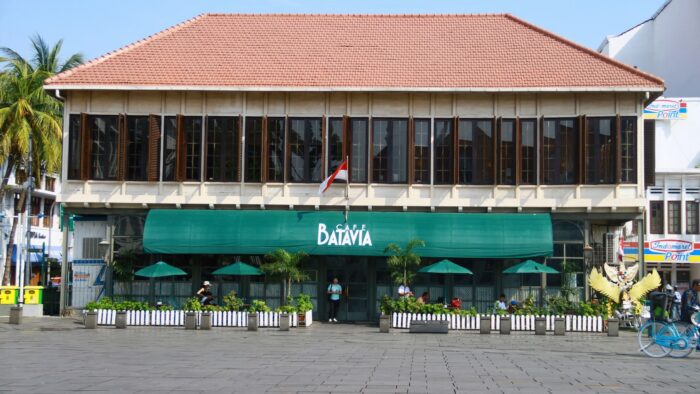
Kota Tua Jakarta is a good place to combine sightseeing with food. Around the Old Town area, you’ll find cafés, local restaurants, Chinese-Indonesian food, and snacks such as jamu at Acaraki, grilled buns, kwetiau, Soto Betawi, and fried cempedak.
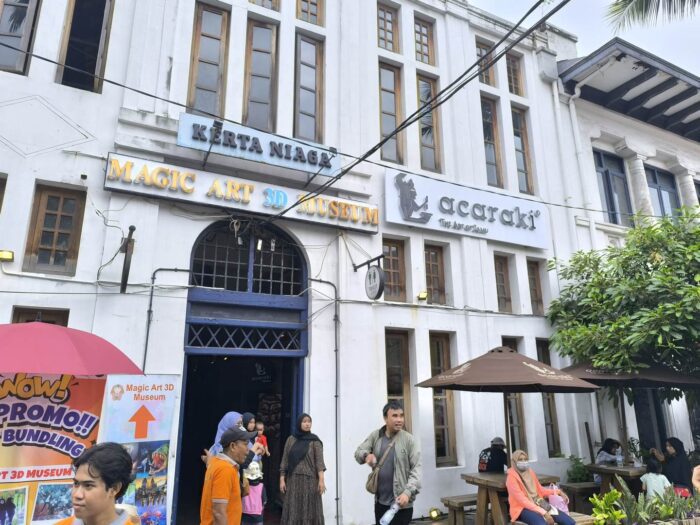
Glodok are great places to explore Jakarta’s Chinese-Indonesian food scene. You can walk around the old Chinatown area, try different snacks and local dishes, or stop by Petak Enam for a more organized food-court style experience.
Blok M is one of Jakarta’s most popular food areas, especially for cafés, Japanese restaurants, noodles, and casual places to eat. Around M Bloc Space and Blok M Mall, you can find plenty of options, from trendy coffee shops to local food courts and street-style dishes.
For food lovers, get inspired by Best 15 Indonesian Street Foods: A Flavorful Journey Through Local Delights.
Where to Stay in Jakarta
Picking the right location in Jakarta is key to avoiding long commutes and making your trip smoother. Here are some of the best places to stay.
Best Cheap Accommodations
- Konko Hostel Jakarta – A top choice for solo travelers, located in Menteng, just 1 km from Gambir Station. Small but comfortable rooms and a great social vibe.
- Erian Hotel Jakarta – Modern and cozy rooms, perfect for couples, with a great city view and friendly staff. Centrally located in Menteng.
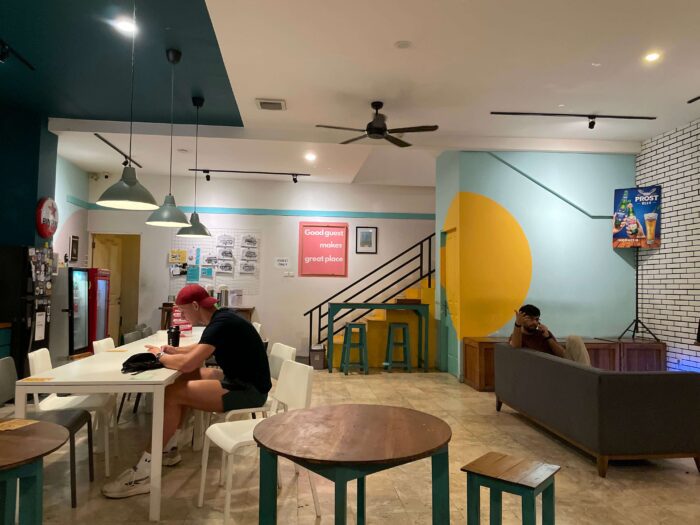
- Wonderloft Hostel – Located in Kota Tua, ideal for backpackers who want to stay near Jakarta’s top attractions. Clean dorms and a relaxed social space.
Top Middle-Priced Hotels
- Stanley Wahid Hasyim Jakarta – A clean, stylish, and budget-friendly hotel, perfect for couples looking for comfort at a good price.
- Ashley Tugu Tani Menteng – A 4-star hotel in Menteng with affordable rates, a fitness center, a pool, and an on-site restaurant.
- Mercure Jakarta Batavia – Spacious and comfortable, featuring an outdoor pool, fitness center, sauna, and a delicious breakfast buffet. Close to Jakarta Old Town.
Best Luxury Hotels
- Hotel Borobudur Jakarta – A luxurious oasis in the city center, featuring large gardens, a massive pool, and top-notch service. Near Monas and Gambir Station.
- House of Tugu – A boutique luxury hotel in Kota Tua, blending heritage design, history, and authentic Indonesian cuisine for a unique stay.
Best Apartments For Families and Groups
For families and groups traveling to Jakarta, staying in an apartment offers more space, comfort, and flexibility. Here are two great options based on location, amenities, and convenience:
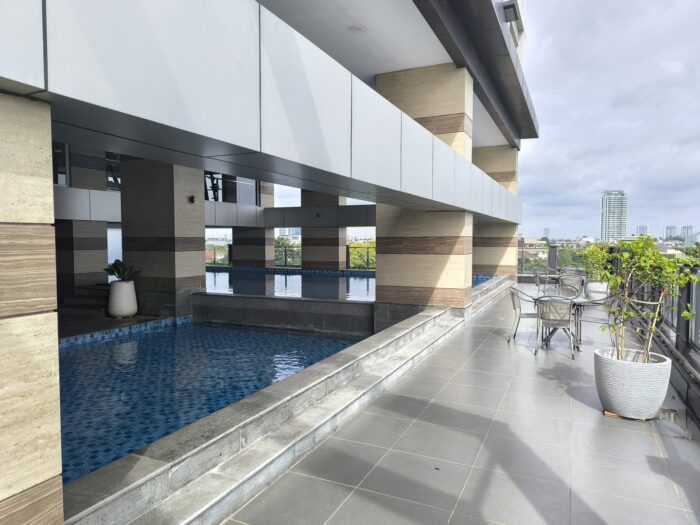
- Magnolia Stay Kebon Jeruk – A spacious and modern apartment in West Jakarta, perfect for families looking for a comfortable stay with great facilities. It features a swimming pool, a children’s playroom, and fully equipped units with a kitchen and living area. Located just 30 minutes from Soekarno-Hatta Airport, it’s a convenient choice for those arriving or departing from Jakarta.
- Lego Japanese Style by Acewin Dragon Inn – A smaller, minimalist apartment in Jakarta’s Chinatown (Glodok), ideal for short stays and groups who prioritize location. While it doesn’t have a kitchen or playroom, it’s strategically placed near the main road and only a 15-minute walk from Kota Tua, making it easy to explore Jakarta’s historic district.
For more details on the best accommodations in Jakarta, check out our guide Where to Stay in Jakarta: Top Areas and Accommodations
How to Get Around Jakarta
Jakarta’s public transportation system is more developed compared to other cities in Indonesia, making it easier for travelers to get around. Many transport modes are integrated, allowing seamless transfers between different services.
Public Transportation Options
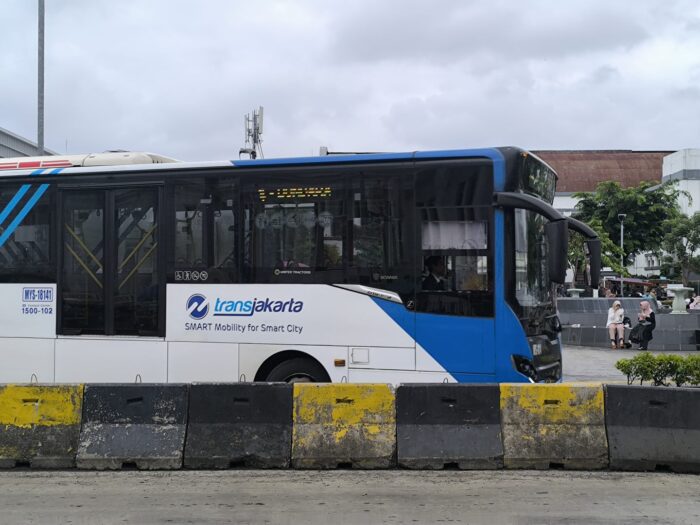
- TransJakarta Bus (Busway) – A fast and budget-friendly way to explore the city, with a flat fare of IDR 3,500 per ride (regardless of distance). Payment is cashless, so you’ll need an electronic money card before using it.
- MRT & LRT – The MRT (Mass Rapid Transit) and LRT (Light Rail Transit) provide a fast and comfortable way to reach key locations in Jakarta.
- KRL Commuter Line – Best for longer distances, connecting Jakarta to Bogor, Depok, Tangerang, and Bekasi.
- Bajaj – Jakarta’s version of a tuk-tuk, perfect for short distances and navigating narrow streets.
- Jakarta Explorer Bus – A free city tour bus, available only on weekends, offering guided sightseeing tours on different routes.
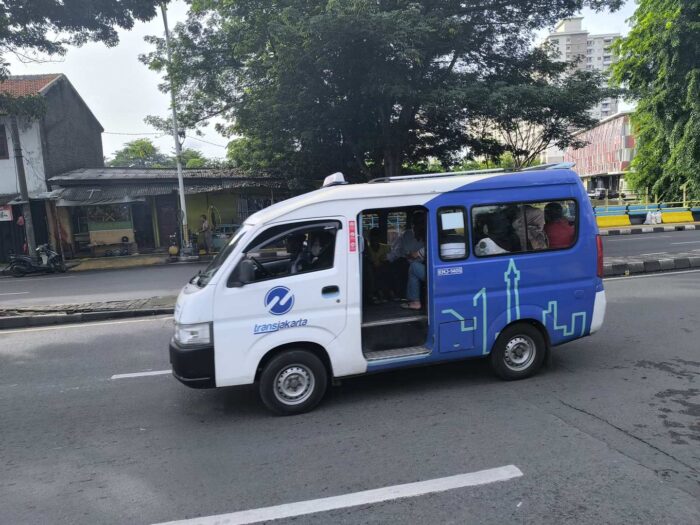
Backindo Tip: Jakarta’s public transport is clean and efficient, but crowded during peak hours (morning and evening). Travel off-peak for a more comfortable ride.
Free City Tour Bus
Jakarta has a free sightseeing bus service operated by TransJakarta, usually called Bus Wisata or the Jakarta City Tour bus. It is a good option if you want to see parts of the city without taking Grab or Gojek, especially around Monas, Istiqlal Mosque, Kota Tua or the Sudirman skyscraper area.
The routes are marked with BW numbers. Current routes include BW1 Sejarah Jakarta, BW2 Monas Explorer and BW4 Pencakar Langit, but routes can change, so check the latest information before going.
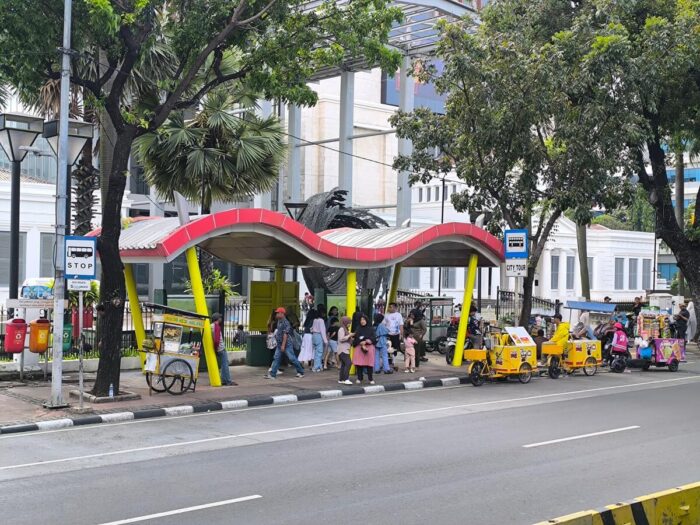
The bus is free, but you still need an Indonesian electronic money card for tap-in and tap-out, such as JakCard, Flazz, e-money or a similar card. You do not usually need to book in advance for the free Bus Wisata routes.
The main departure points are usually around Juanda / Istiqlal and IRTI Monas, depending on the route.
Backindo Tip: Do not confuse the free Bus Wisata TransJakarta with the paid Open Top Tour of Jakarta. For the free city tour bus, you do not need to book in advance — just bring an electronic money card for tap-in and tap-out. The paid open-top tour has a separate ticketing system.
Public Transportation Payment in Jakarta
Most public transportation payments in Jakarta are cashless. To use public transport, you’ll need an electronic money card, which can be purchased at minimarkets, train stations, TransJakarta bus stops, or the airport.

Jakarta offers several electronic money card options, which can be confusing for first-time visitors. However, I personally recommend using the JakCard, as it offers additional benefits—especially for travelers planning to visit multiple attractions in Jakarta.
With a JakCard, you can pay for entry to Monas, Ragunan Zoo, and TMII, and use one card for multiple people as long as there’s enough balance. However, the downside is that it can’t be used in other cities, unlike bank-issued cards like Mandiri e-Money or Flazz, which work across Indonesia but don’t allow multiple users or cover tourist entrance fees.
Learn about the different electronic money cards in Jakarta with our guide JakCard vs JakLingko: Which Card Travelers in Jakarta Need.
Safety in Jakarta
Jakarta is generally safe for tourists, with low crime rates and few major incidents. However, stay alert in crowded areas like markets, where pickpocketing can occur.
The main concerns are weather and pollution. During the rainy season, some areas may flood, disrupting travel. Jakarta also has serious air pollution, so it’s best to carry a mask, stay hydrated, and take breaks in green spaces when possible.
Is Jakarta Worth a Visit?
Jakarta is not the easiest city to love, and for many travelers it will not be the main reason to visit Indonesia. It is busy, hot, crowded and sometimes tiring. But if your trip already brings you here, it is worth giving the city at least a little time.
For a first visit, focus on one or two areas instead of trying to see everything. Kota Tua, Glodok, Monas, Istiqlal Mosque, the National Museum or Sunda Kelapa can help you understand Jakarta’s history, culture and everyday life better than just passing through the airport or train station.

Jakarta also has good food, useful public transport, rooftop views, local markets, parks and day trips such as Bogor or the Thousand Islands. You do not need to plan a long stay, but one or two well-planned days can make the city much more interesting than it looks at first.
So yes, Jakarta can be worth visiting — not because it is a perfect tourist destination, but because it shows a side of Indonesia you will not see in Bali, Yogyakarta or the smaller towns. Come with realistic expectations, choose your route carefully, and do not try to do too much in one day.
FAQ
Where can you go in Jakarta to enjoy nature and wildlife?
In Jakarta, you can enjoy nature and wildlife at Ragunan Zoo, home to over 3,000 animals, including endangered species. For a peaceful escape, visit Taman Suropati or Tebet Eco Park, which offer green spaces for relaxation. If you love marine life, head to SeaWorld Ancol, or explore the Thousand Islands, where you can snorkel and enjoy pristine beaches.
What is the most famous thing about Jakarta?
Jakarta is famous for its iconic landmarks like Monas (National Monument), vibrant shopping malls, and rich street food culture. The city is also known for Kota Tua (Old Town), showcasing Dutch colonial history, and Istiqlal Mosque, the largest mosque in Southeast Asia. Additionally, Jakarta offers a mix of modern skyscrapers, bustling markets, and cultural diversity, making it a unique destination in Indonesia.
How do you spend time in Jakarta?
You can spend time in Jakarta by exploring its historical landmarks like Monas and Kota Tua, enjoying street food at local markets, or shopping in mega malls like Grand Indonesia. For a break from the city’s hustle, relax in Tebet Eco Park or visit Thousand Islands for a beach escape. If you love culture, explore museums, art galleries, or watch a traditional dance performance. Getting around is easy with public transport like MRT and TransJakarta, making it simple to experience the city’s best spots.