
If you’re staying in Berastagi or traveling between Medan and Lake Toba, Mount Sibayak is one of the easiest volcano hikes to add to your North Sumatra itinerary.
It’s relatively short, you don’t need technical hiking skills, and you can usually be up and down in one morning. But it still feels very much like climbing a volcano. Near the top, the trail turns rockier, steam escapes from fumaroles around the crater, sulfur hangs in the air, and on a clear day you can look across the Karo Highlands toward Mount Sinabung.
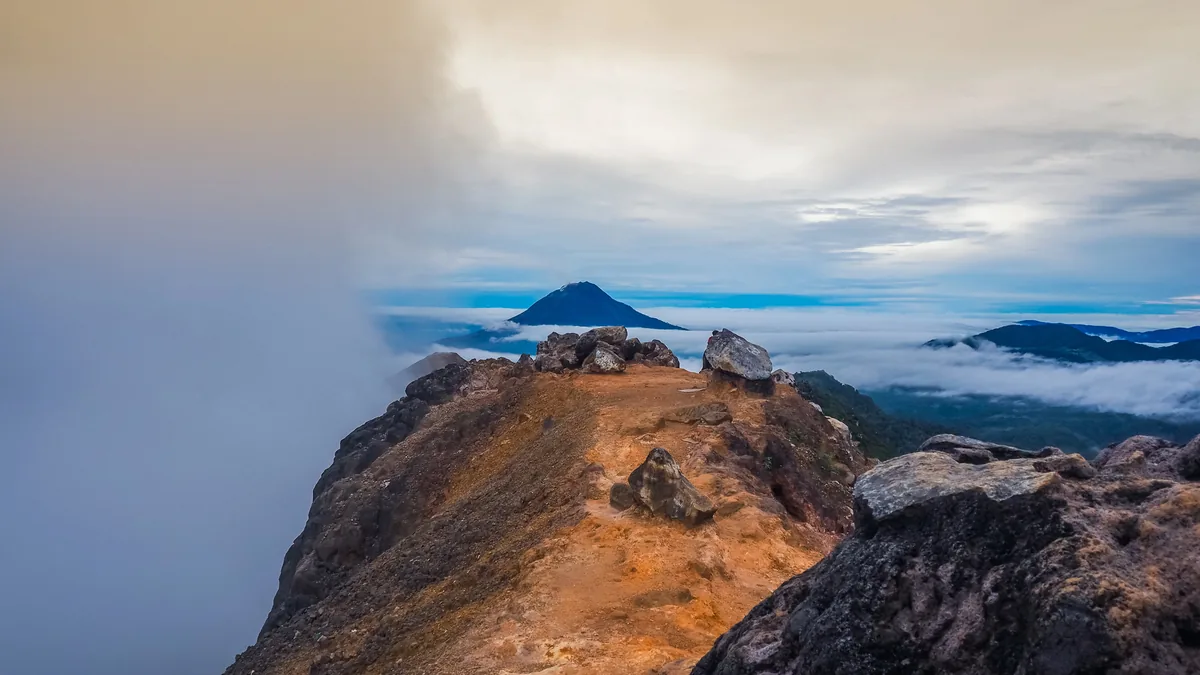
Mount Sibayak is often described as a beginner-friendly volcano, which is true – with one important caveat. The experience changes quite a lot depending on which route you take, where you start walking, the weather, and whether you hike in daylight or before sunrise.
In this guide, we’ll explain the different Mount Sibayak hiking routes, how difficult the hike really is, whether you can climb without a guide, what to expect from a sunrise hike, entrance fees, transport from Berastagi and Medan, and what to bring with you.
Is Mount Sibayak Worth Hiking?
Yes, especially if you want to experience an Indonesian volcano without committing to a long or difficult trek.
Mount Sibayak sits just outside Berastagi, making it easy to fit into a trip through North Sumatra. You can hike in the morning, return to town before lunch, or continue to the hot springs around Semangat Gunung and Lau Sidebuk-debuk afterward.
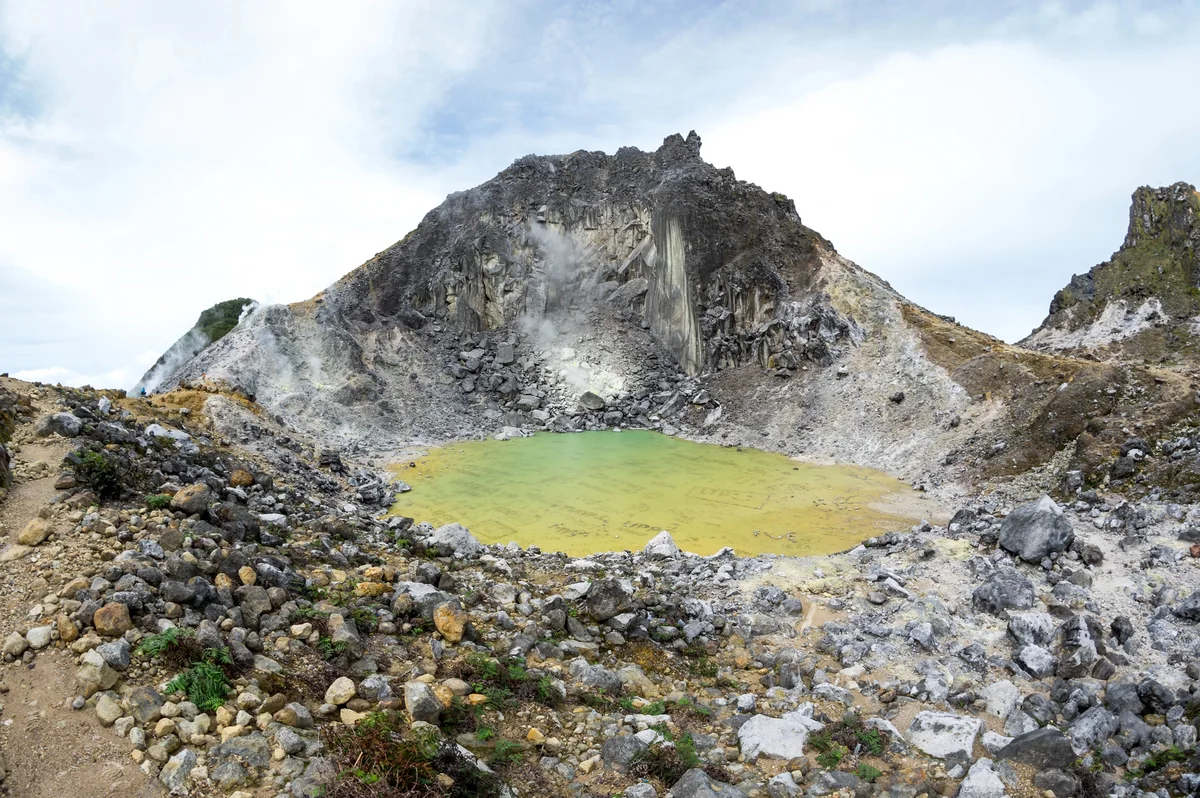
The crater itself is different from the classic cone-shaped volcano summit you might imagine. The interesting part is the geothermal activity: steaming vents, sulfur deposits, rugged volcanic rocks and, depending on conditions, a small crater lake surrounded by active fumaroles.
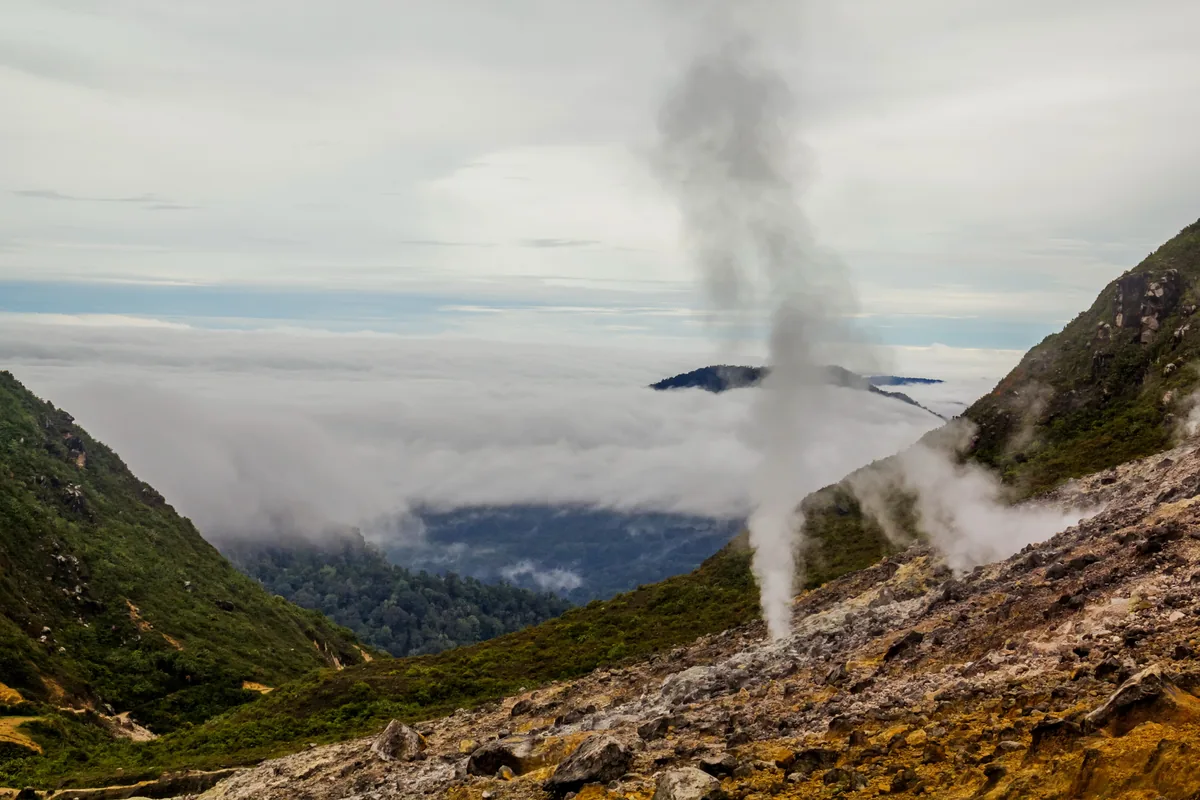
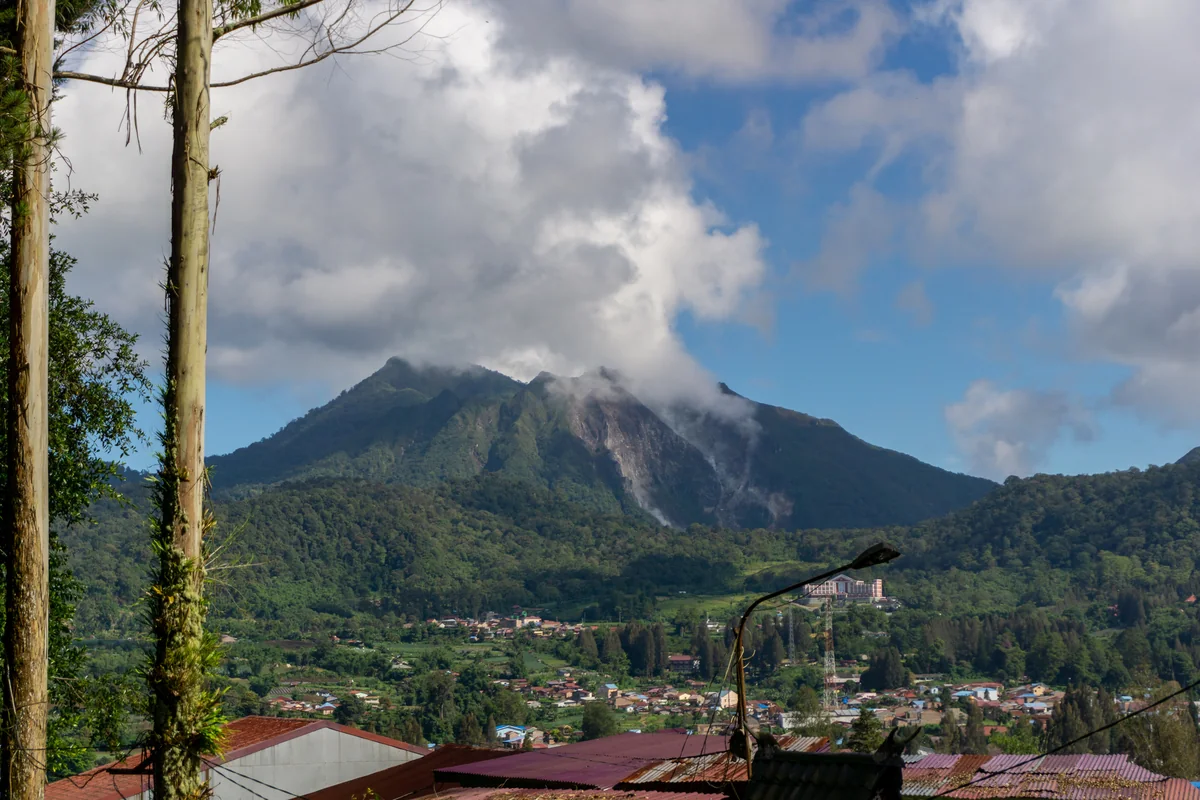
On a clear morning, you also get views over Berastagi and the surrounding farmland, with Mount Sinabung in the distance.
Sunrise is one of the most popular reasons to hike Sibayak, but the volcanic landscape means the hike doesn’t depend entirely on getting perfect morning colors. Even if clouds roll in, there is still plenty to see around the crater itself.
How Difficult Is the Mount Sibayak Hike?
For most travelers with reasonable fitness, the standard Mount Sibayak hike is easy to moderate.
One reason it feels more accessible than many other Indonesian volcanoes is that you don’t necessarily start walking from the bottom of the mountain. The access road already takes you well above Berastagi.
On the Jaranguda side, cars can usually reach Pos 1, while motorbikes may continue farther to Pos 2, where the main trekking section begins. Your actual hiking time therefore depends partly on where you are dropped off.
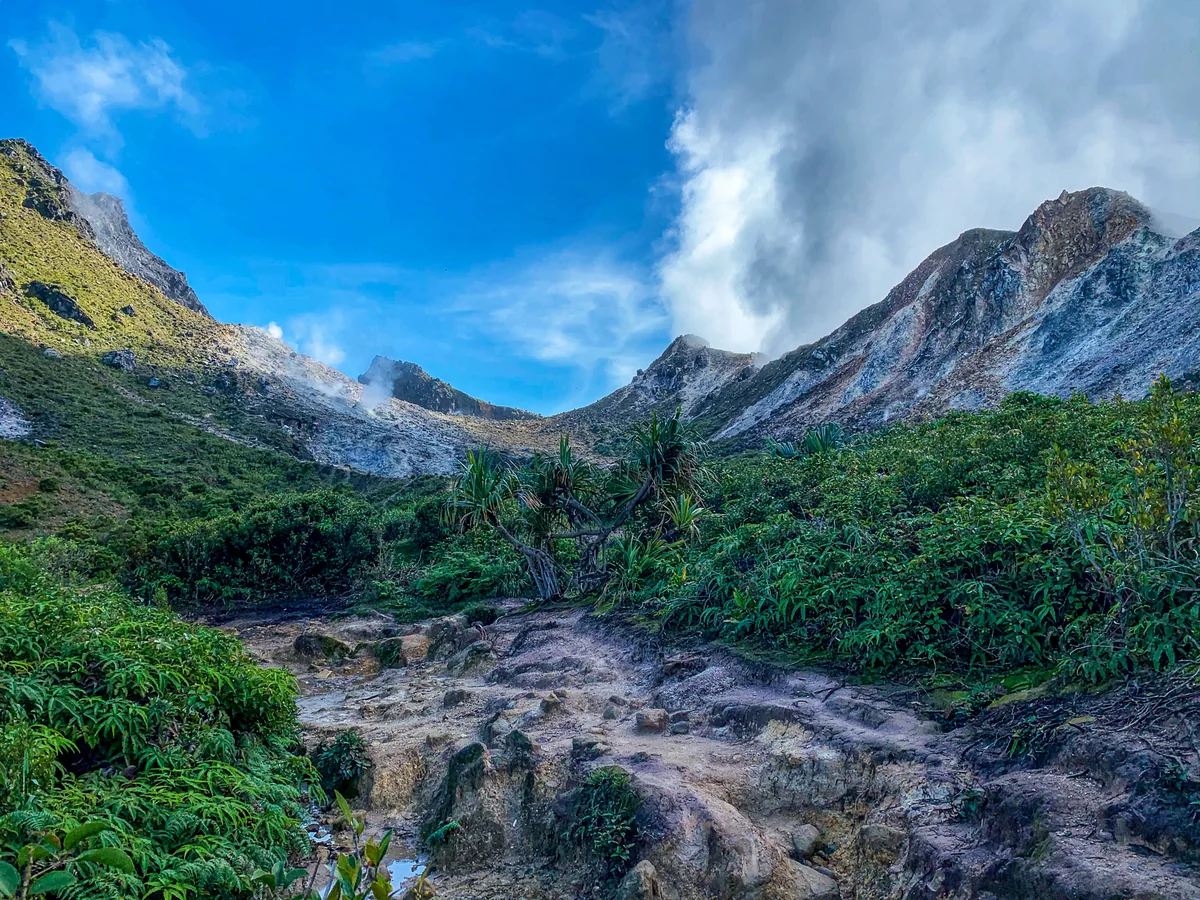
From Pos 2, the first part follows narrow dirt steps with rocks on both sides. As you climb, the trail becomes a mix of soil, loose stones and exposed rock. It isn’t technically difficult, but after rain it can become slippery.
Higher up, around the camping area and crater, conditions change noticeably. There is less shelter, the wind can be strong, temperatures drop and the sulfur smell becomes much more obvious. Fog can also reduce visibility very quickly, particularly at night and in the early morning.
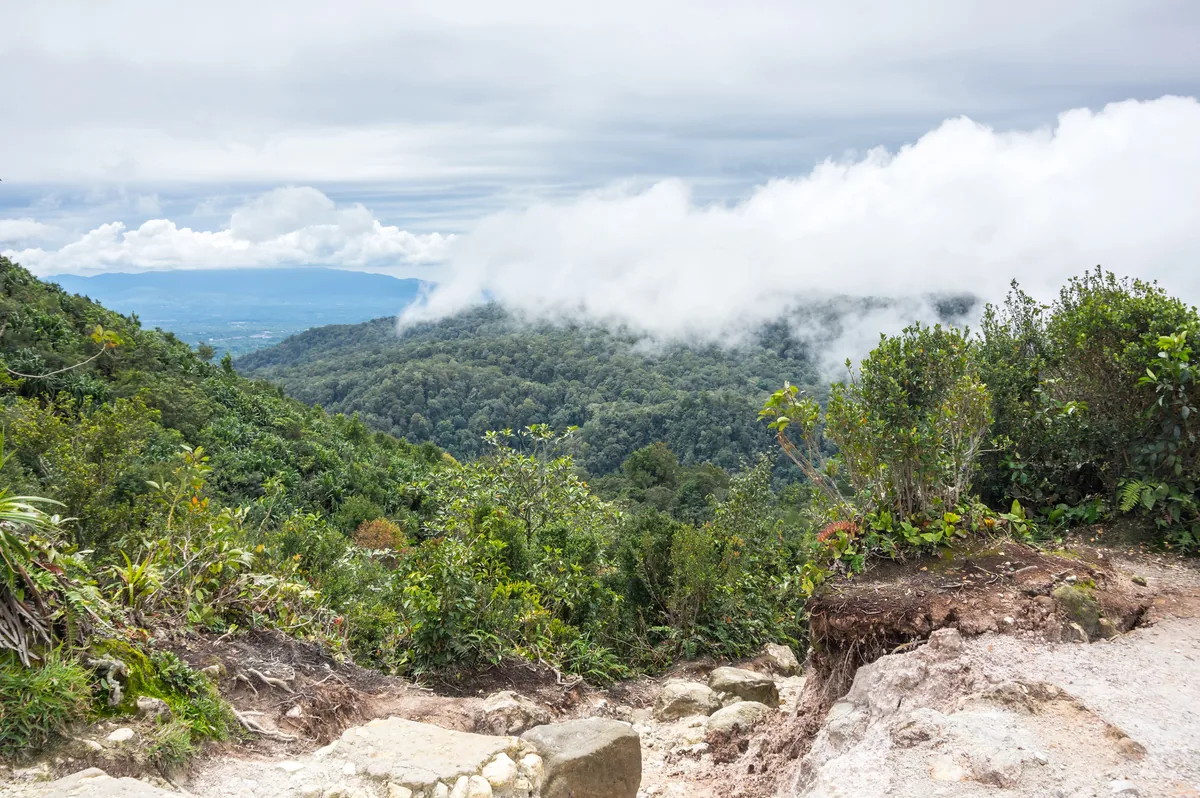
If you’re hiking for sunrise, you’ll walk part of this section in darkness, so bring a proper headlamp and take more care on wet or uneven sections. In daylight, the same route is generally easier to follow.
Mount Sibayak Hiking Routes
There are several ways up Mount Sibayak, but most travelers only need to consider three routes:
- Jaranguda: the most popular and practical route from Berastagi.
- Semangat Gunung / Raja Berneh: another beginner-friendly route, especially convenient if you already have transport arranged.
- Jalur 54: a longer and more demanding trail for experienced hikers.
For a first visit, Jaranguda or Semangat Gunung makes the most sense.
Jaranguda Route
The Jaranguda route is usually the easiest option to organize if you’re staying in Berastagi.
It’s commonly used by independent hikers, local guides and tour groups, and the trailhead is relatively close to town.
If you start at Pos 2, the trail begins climbing almost immediately. After roughly 15 minutes, you reach a viewpoint facing the upper part of Sibayak. From here, allow around another 40 minutes to reach the camping area, depending on your pace and trail conditions.
The surroundings become more exposed here. You’ll feel the wind more, and in poor weather the area can disappear completely into fog.
From the camping area, it takes roughly another 15-30 minutes to reach the crater and the horseshoe-shaped summit area known as Puncak Tapal Kuda.
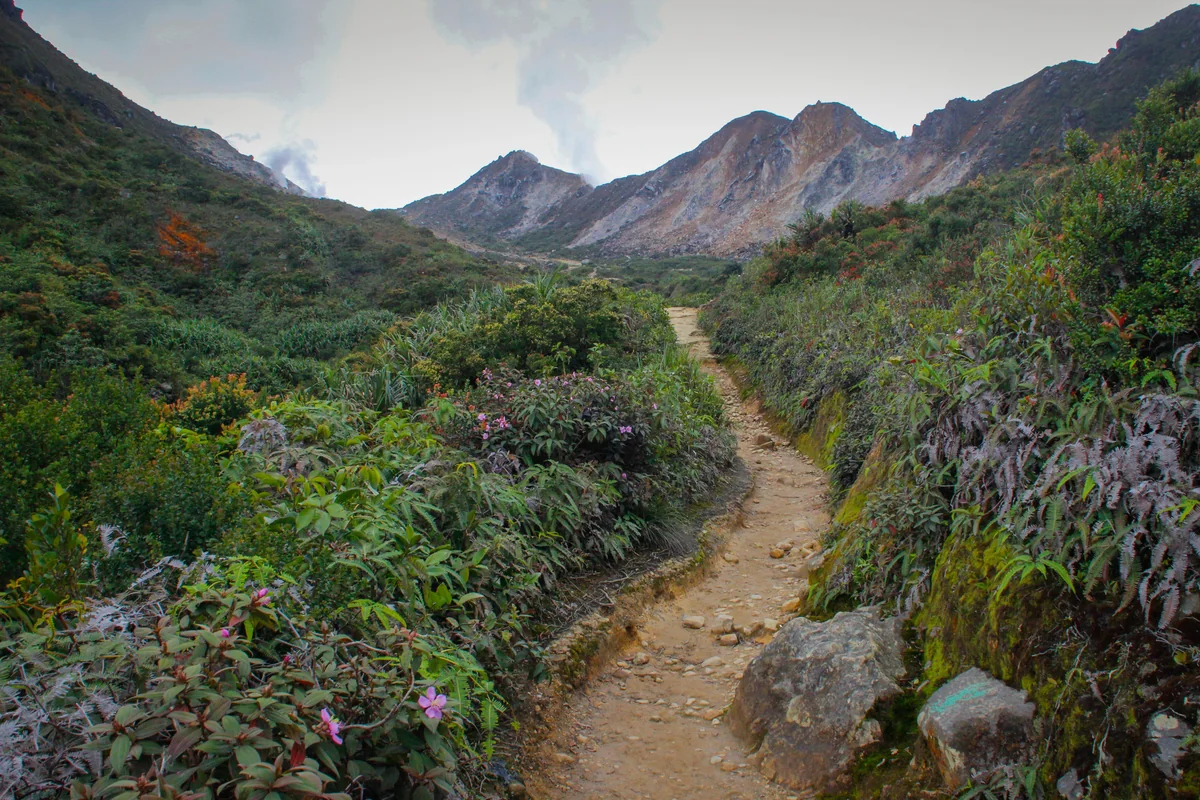
On a clear day, you can look toward Mount Sinabung and across the landscape around Berastagi. Far below, you may also notice steam rising from the geothermal area around Sidebuk-debuk.
For most travelers, expect roughly 1-1.5 hours to climb from Pos 2, although your actual time depends on fitness, weather and how often you stop.
Semangat Gunung or Raja Berneh Route
Semangat Gunung or Raja Berneh is another popular option for beginners, particularly if you already have a car, driver or guide who can take you close to the trail.
Exactly how much walking it saves compared with Jaranguda depends on where your vehicle can drop you, so we wouldn’t choose between the two routes based only on hiking time.
One big advantage is the location. The trail comes down close to the geothermal area around Semangat Gunung, making it particularly easy to combine the hike with the hot springs afterward.
You also don’t necessarily have to return the same way you came. One interesting option is to hike up via Jaranguda and descend toward Semangat Gunung, finishing near the hot springs instead. If you choose this route, arrange your return transport beforehand rather than expecting to end up back at your original trailhead.
Jalur 54
Jalur 54 is a completely different proposition.
The route starts around the KM 54 area on the Medan-Berastagi road, which is also where its name comes from. Unlike the two standard tourist routes, it runs through denser vegetation and much more demanding terrain. Local hiking sources commonly put the climb at roughly 4-6 hours.
It makes more sense for experienced hikers looking for a longer trek, ideally with someone familiar with the route.
For most first-time visitors who simply want to experience Sibayak and its crater, there is little reason to choose Jalur 54 over Jaranguda or Semangat Gunung.
How Long Does the Mount Sibayak Hike Take?
From Pos 2 on the Jaranguda route, a useful rough estimate is:
15 minutes to the first viewpoint, another 40 minutes to the camping area and then 15-30 minutes to the crater and summit zone.
Most travelers therefore need around 1-1.5 hours to reach the top and roughly an hour to get back down.
With time around the crater, photo stops and slower sections, allow around 2-4 hours for the hike itself.
That doesn’t include transport from Berastagi or a stop at the hot springs.
Starting lower down, bad weather, hiking in the dark or simply taking your time can all make the trip longer.
Mount Sibayak Sunrise Hike: Is It Worth It?
Yes. Sunrise is the most popular time to hike Mount Sibayak, and on a clear morning it’s easy to see why.
From Berastagi, sunrise trips usually start at around 4:00-4:30 am, depending on the route and your pace. You’ll walk at least part of the trail in darkness and reach the upper mountain as the first light appears over the Karo Highlands.
When the weather cooperates, you can watch the landscape around Berastagi slowly come into view, with Mount Sinabung in the distance and steam rising from the crater around you.
Come prepared for a colder hike than you would have in daylight. Bring a headlamp and a warm layer, and take extra care if the trail is wet or fog rolls in.
The only thing worth keeping in mind is that sunrise views are never guaranteed in the mountains. If you don’t want the early wake-up, or the forecast doesn’t look promising, Sibayak is still worth hiking later in the morning. You’ll miss the sunrise atmosphere, but not the crater, fumaroles and main volcanic landscape.
Can You Hike Mount Sibayak Without a Guide?
Yes. Mount Sibayak is one of the Indonesian volcanoes that can realistically be hiked independently, particularly via Jaranguda and in daylight.
You don’t automatically need a guide simply because it’s a volcano.
If you’re used to hiking, know which trail you’re taking and conditions are good, the standard route is manageable without one. We would, however, avoid heading onto the mountain completely unprepared or assuming the route will always be obvious.
If you’re hiking independently, download an offline map beforehand, bring enough water and start early enough that you aren’t descending after dark.
Solo travelers may also find other hikers around the registration post or on the main trail. Walking with someone else is preferable to being completely alone, even on a relatively easy mountain.
When a Guide Makes Sense
A guide becomes much more useful if you want to hike before sunrise, are traveling alone, have very little hiking experience or are visiting with children.
Mount Sibayak is a popular hike, so it is easy to find local guides and organized tours from Berastagi.
Local guides can usually arrange transport from your accommodation, help with registration and timing, and know how the mountain behaves in different weather conditions. In darkness or fog, knowing the route also makes the morning far less stressful.
Organized sunrise trips are easy to find in Berastagi, so there is little need to arrange one far in advance unless you’re visiting during a particularly busy period. However, if you’d like to check reviews first and have a chance to choose, it might be a good idea to check the offer on sites such as Klook or GetYourGuide.
Mount Sibayak Entrance Fee and Registration
If you hike via Jaranguda, you’ll need to register before continuing up the mountain.
At the time of our latest information, foreign visitors paid around IDR 100,000. You may also pay roughly IDR 15,000-20,000 for parking, depending on your vehicle. Bring cash.
At registration, you may be asked for details including your passport number, where you’re staying and your expected return time.
This visitor register gives the local management a record of who is on the mountain and makes it easier to notice when someone hasn’t returned as expected.
What to Bring for Mount Sibayak
You don’t need specialist trekking equipment, but proper shoes make a big difference.
Wear shoes with good grip rather than sandals or smooth-soled trainers. Bring a warm layer as well; Berastagi is already much cooler than Medan, and wind around the crater can make it feel colder than expected.
For a normal day hike, bring:
- water
- small snacks
- a warm layer
- rain protection
- sunscreen
- cash
- a headlamp if hiking before sunrise
- your phone with offline navigation
If sulfur bothers you, a buff or simple mask can also be useful around the fumaroles. You can buy food, drinks and other basic supplies in Berastagi before heading to the mountain.
Backindo Tip: Planning to visit the hot springs afterward? Bring swimwear, a towel and dry clothes. Keep in mind that this is a predominantly Muslim area, so a T-shirt with leggings or shorts is a more respectful choice than a bikini.
Can You Camp on Mount Sibayak?
Yes. Camping is possible around the upper part of the mountain and is particularly popular with Indonesian hikers on weekends.
Most foreign visitors, however, do Sibayak as a half-day hike, so you don’t need to camp to experience the crater or sunrise. If you do want to stay overnight, come properly prepared for colder temperatures, wind and quickly changing weather higher on the mountain.
Best Time to Hike Mount Sibayak
The drier months, roughly June to August, generally give you a better chance of a less slippery trail and clear views.
That doesn’t mean dry weather is guaranteed. Berastagi has a cool highland climate, and cloud, mist and rain can appear quickly even during a supposedly better month.
In practice, checking the weather shortly before your hike matters more than choosing the theoretically perfect month.
Weekends and Indonesian public holidays are usually busier, especially around sunrise and the camping area. If you have some flexibility, a weekday morning will generally be quieter.
Cloudy weather alone isn’t a reason to cancel – the fumaroles and crater can still be interesting without long-distance views. Heavy rain, thunderstorms or very poor visibility are different, and are good reasons to postpone.
Is Mount Sibayak Safe?
Mount Sibayak is generally considered one of the more accessible volcano hikes in Indonesia, but you’re still walking through an area with strong ongoing geothermal activity.
Sibayak’s last recorded eruption was in 1881, but fumaroles, sulfur mineralization and geothermal activity remain clearly visible around the crater today.
For hikers, the most common problems are much more ordinary than volcanic eruptions: slippery rocks, poor visibility, cold wind and sulfur fumes around the crater.
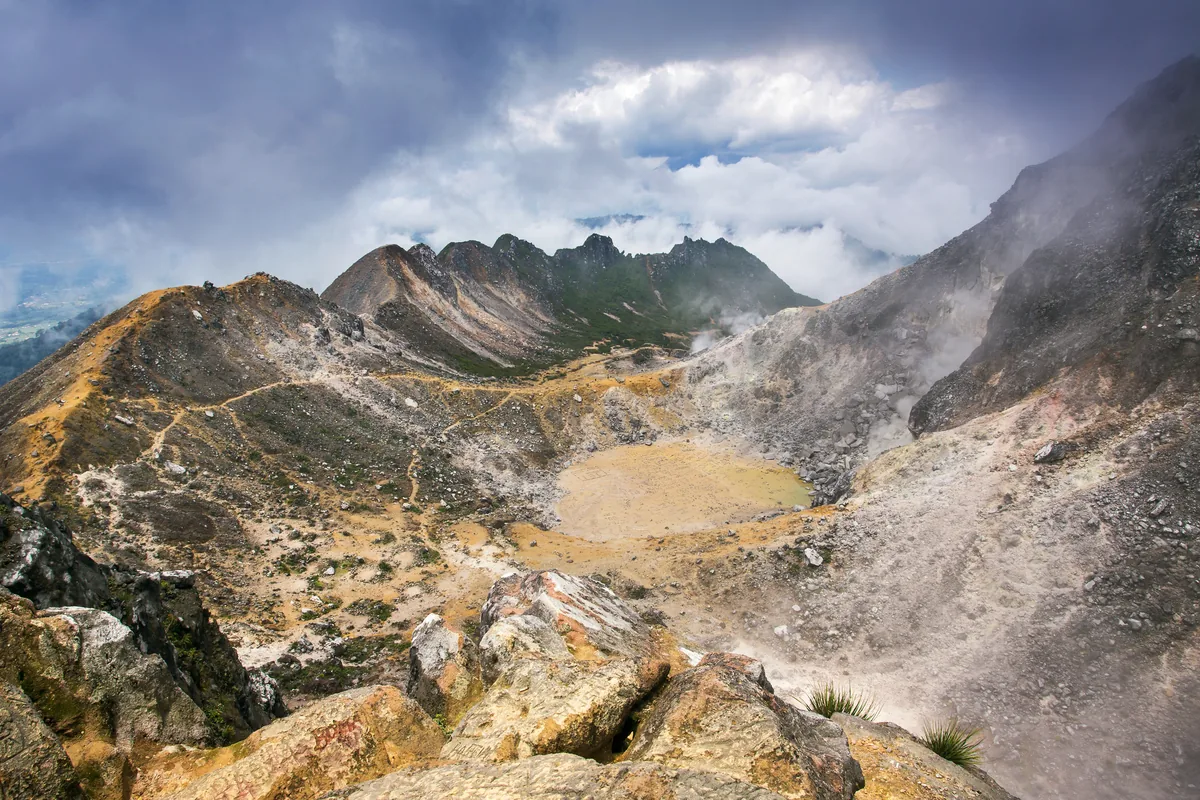
Be especially careful after rain and don’t walk directly into strong fumarole fumes just to get closer for photos.
Anyone particularly sensitive to sulfur or with respiratory problems should take extra care around the crater area.
Volcanic conditions and access rules can also change. Before hiking, check the latest local information and follow any restrictions in place. Official volcanic updates in Indonesia are published through MAGMA Indonesia, but information at the registration point in Berastagi is also useful for current trail conditions.
How to Get to Mount Sibayak from Berastagi
Berastagi is by far the most practical base for hiking Mount Sibayak.
From town, you can arrange an ojek, local car, private driver or guide to take you toward the Jaranguda or Semangat Gunung trailhead. Many guesthouses can arrange this directly.
If you’re hiking independently, make sure you also know how you’re getting back. Getting a ride to the mountain early in the morning can be easier than finding one waiting when you come down.
If you’re renting a motorbike, only do so if you already have the experience and correct licence for riding in Indonesia. Being able to ride farther toward Pos 2 is convenient, but it isn’t worth learning to ride on unfamiliar mountain roads just to save part of the walk.
Looking for tips when renting a motorbike? Read Riding a Motorbike in Indonesia as a Tourist.
How to Get to Mount Sibayak from Medan
You can technically visit Mount Sibayak from Medan, but we would rather spend the night in Berastagi.
Public buses from Medan’s Pinang Baris Terminal usually take around 2.5-3 hours to Berastagi, depending heavily on traffic. Shared travel cars and private transfers are more comfortable and may offer more convenient pickup points.
From Berastagi, continue to your chosen trailhead by ojek, local car or arranged transport.
Sunrise tours from Medan also exist, but they can mean leaving at around 2:00 am, driving for roughly two hours and then immediately starting the hike.
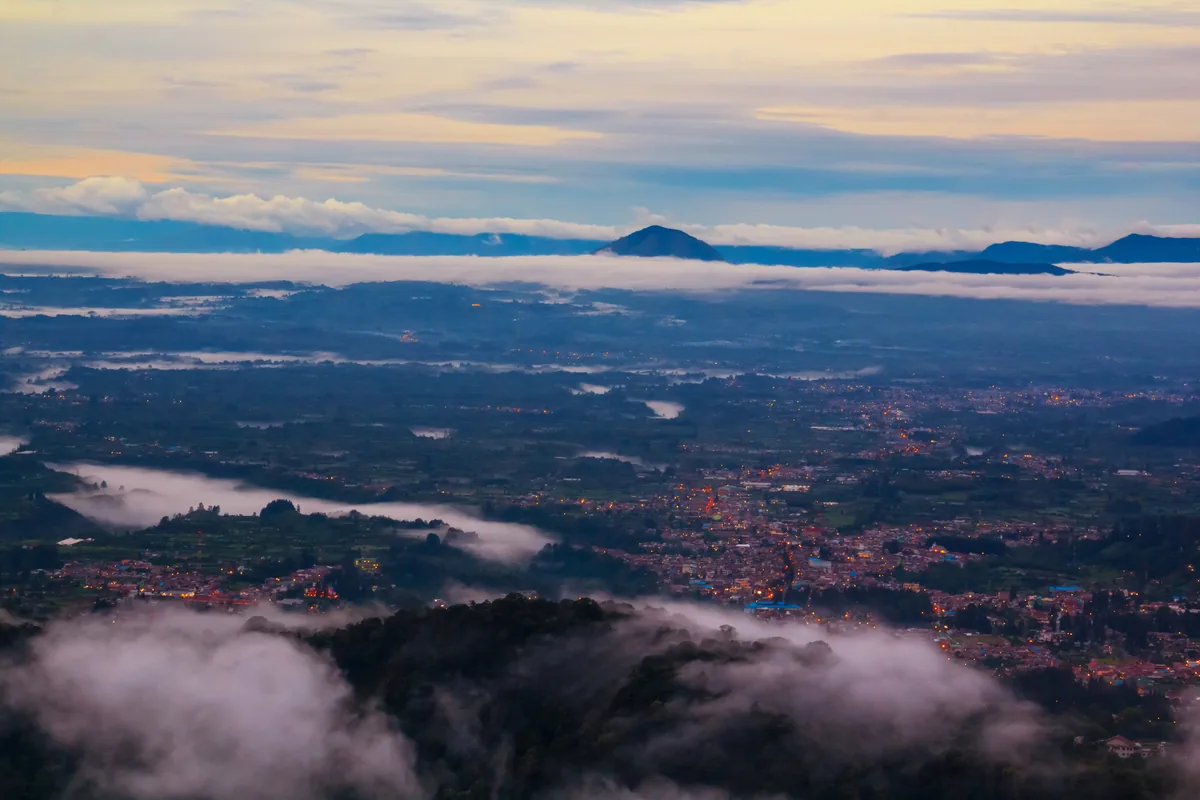
Unless your itinerary is extremely tight, staying overnight in Berastagi makes much more sense. You’ll get more sleep, have an easier start and can change your hiking plan if the weather looks poor.
Planning a longer North Sumatra trip? You can easily include Berastagi between Medan and Lake Toba rather than treating Sibayak as a separate return trip from Medan.
Where to Stay in Berastagi
For a Mount Sibayak hike, stay in Berastagi rather than trying to commute from Medan early in the morning.
There are plenty of simple homestays and guesthouses, along with more comfortable hotels if you prefer a better night’s sleep before the hike.
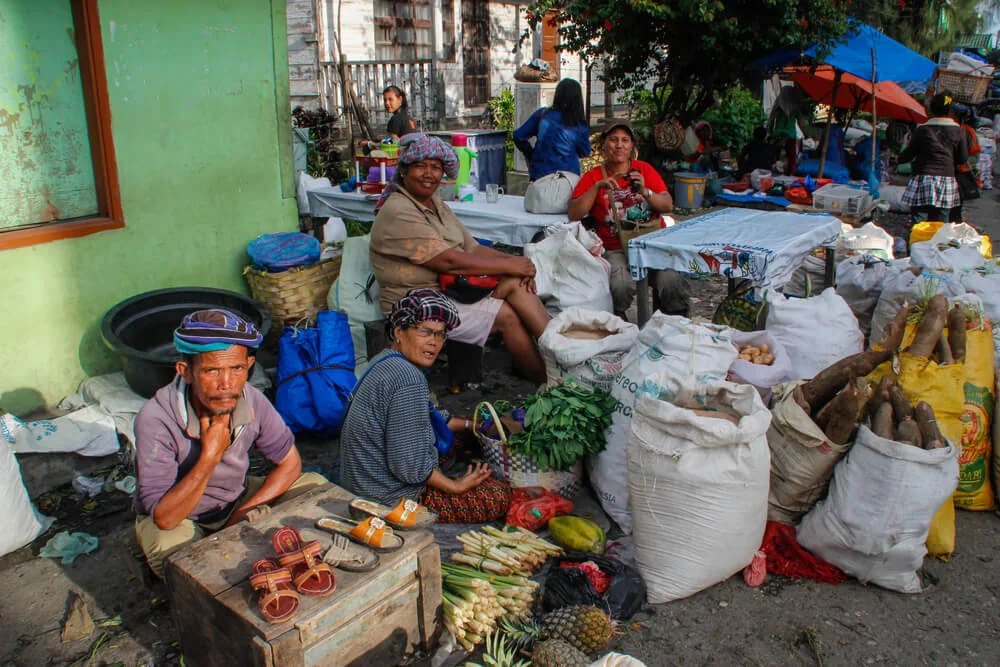
Basic rooms can start from around IDR 100,000, although spending a little more usually gets you a cleaner room and better facilities.
Places worth checking include M2 Homestay Berastagi, RON’S Guest House and Sapo Karo Rest House. M2 Homestay can also be useful if you want to arrange a motorbike locally.
When choosing accommodation, location and easy transport arrangements are more important than being right in the center of town. If you’re hiking for sunrise, ask your accommodation beforehand whether they can arrange a driver, ojek or guide for the early start.
Hot Springs After Mount Sibayak
After spending the morning in cold wind and sulfur, the geothermal hot springs below Sibayak are a very logical next stop.
You’ll find several bathing places around Semangat Gunung and Lau Sidebuk-debuk. These are generally local pools rather than polished spa resorts, and facilities and water temperatures vary from place to place.
Bring swimwear, a towel and dry clothes.
If you’re doing Sibayak with a guide or tour, check what “hot springs included” actually means. Some packages include admission, while others simply include transport or a stop in the area.
If you hike up from Jaranguda and descend via Semangat Gunung, the hot springs also make a natural end point rather than an extra detour.
Is Mount Sibayak Worth It?
Mount Sibayak is a very good choice if you want to hike a volcano in Indonesia without turning it into a major trekking expedition.
The shorter routes are accessible enough for beginners, Berastagi makes the logistics straightforward, and the upper part of the mountain gives you much more than just a viewpoint – steam vents, sulfur, volcanic rocks and an active crater landscape.
Sunrise is the classic way to experience Sibayak, and if the weather is clear, the early start is well worth it. But the hike doesn’t lose its appeal if sunrise doesn’t fit your plans or the weather has other ideas – the crater and geothermal landscape are the main experience in their own right.
For most travelers, staying one night in Berastagi, hiking one of the shorter routes and adding the hot springs afterward makes for an easy half-day plan in North Sumatra.
Mount Sibayak FAQ
Is Mount Sibayak suitable for beginners?
Yes. The shorter established routes are manageable for most beginners with reasonable fitness. Rain and fog can make the trail more challenging, and sunrise hikers should be comfortable walking part of the route in darkness.
Can children hike Mount Sibayak?
Active school-age children can usually manage one of the shorter routes in good weather. For younger children, the uneven trail, early morning start, cold and sulfur around the crater may be more of an issue than the actual distance.
What is the easiest Mount Sibayak route?
Both Jaranguda and Semangat Gunung are suitable for beginners. Jaranguda is usually the simplest route to organize from Berastagi, while Semangat Gunung can also be convenient if you already have transport arranged.
Can you hike Mount Sibayak without a tour?
Yes. Independent hiking is realistic on the standard routes. If you’re going for sunrise, make sure you’re comfortable navigating in darkness; otherwise, hiring a local guide makes the early start easier.
Do you need to hike Mount Sibayak for sunrise?
No, but sunrise is the most popular time to go and can be one of the highlights in clear weather. If you prefer a later start, you can still enjoy the crater, fumaroles and surrounding views during the morning.
How long does the Mount Sibayak hike take?
From Pos 2, allow roughly 1-1.5 hours to reach the crater and around an hour to descend. With stops, most people spend about 2-4 hours hiking.
Is Mount Sibayak an active volcano?
Sibayak is a volcanic complex with strong ongoing geothermal activity. Its last recorded eruption was in 1881, while fumaroles, sulfur deposits and hot springs remain active today.
Continue reading: