
Bandung is not the kind of Java stop I would force into every itinerary. If you only have a short trip and want to rush from Jakarta to Yogyakarta, Bandung may feel like a detour. But if you have a little more time, want to understand West Java better, or plan to continue toward places like Kampung Naga and Pangandaran, Bandung can make a lot of sense.
Bandung is Indonesia’s third-largest city, and Jakarta residents have long used it as a cooler weekend escape. It combines colonial streets around Asia Africa and Braga with Sundanese culture, food and a young creative scene shaped by students, local designers and fashion. The highlands around the city are just as much part of the appeal: Kawah Putih, Ciwidey tea plantations, Tangkuban Perahu and the quieter Pangalengan route.
To help you plan your trip, this guide covers the best things to do in Bandung, where to eat, where to stay, how to get there from Jakarta, and how to build a realistic Bandung itinerary around the city and its highlands.
Why Visit Bandung?
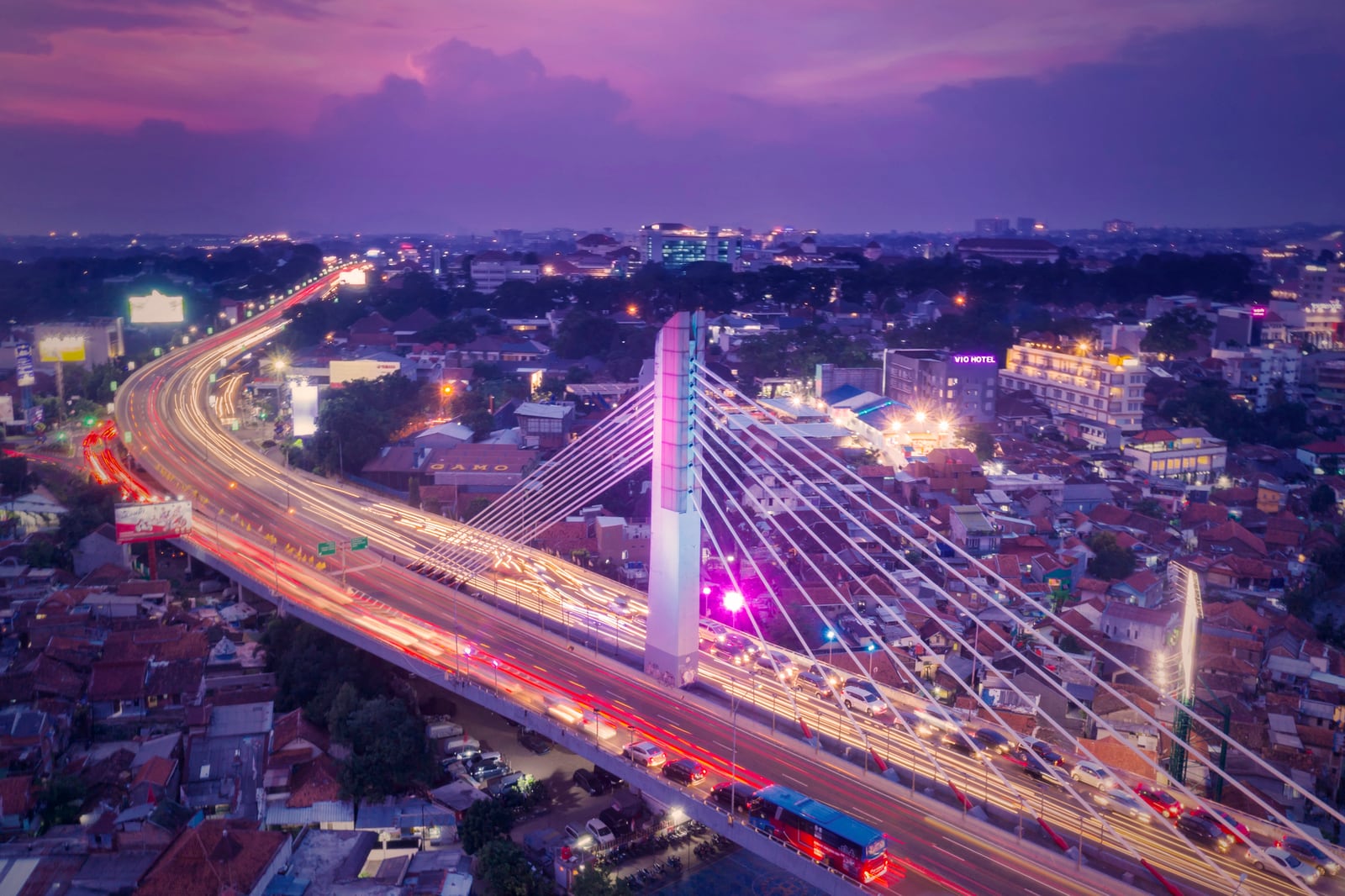
Bandung is worth visiting if you want to understand a more layered side of West Java. The Dutch called it Parijs van Java in the 1920s, when Bandung was a cool European-style resort city with hotels, cafes, boutiques and promenades around Braga. That colonial past is still visible in the architecture, while Sundanese food, music and art give the city its living local culture today.
Bandung is also amazing when you pair this city side with a day in the highlands. South Bandung and Ciwidey add Kawah Putih and tea plantations, Lembang adds Tangkuban Perahu, and Pangalengan gives you a slower route through West Java.
For a longer route beyond the usual Java highlights, see our 14-day Java itinerary with hidden gems.
Come to Bandung if:
- You have at least 2 days and want a slower Java route.
- You are interested in Dutch colonial history in Indonesia.
- You want a practical base for Kawah Putih, tea plantations, Lembang or Tangkuban Perahu.
- You are continuing toward Kampung Naga, Pangandaran, Batu Karas or southern West Java.
- You like the idea of taking Whoosh from Jakarta and continuing through Java by train.
Think twice if:
- You have only a few days in Java and still want Jakarta, Yogyakarta, Bromo and Bali.
- You dislike traffic-heavy city travel.
- You mainly want beaches, temples or polished tourist infrastructure.
How Many Days Do You Need in Bandung?
For most foreign travelers, 2 or 3 days is the best amount of time.
- With 1 day, keep it simple. You can visit the city center, Braga, Asia Africa Street and Saung Angklung Udjo, or you can book one focused day trip outside the city.
- With 2 days, spend one day in the city and one day outside Bandung. This is the best minimum plan if you want the trip to feel worthwhile.
- With 3 days, Bandung becomes much easier. You can see the city, choose one highland route and still have time for a second nature route, tea plantation area or a slower onward journey through West Java.
Backindo Tip: If you plan to visit Kawah Putih, tea plantations or other nature spots south of the city, start early. For Kawah Putih, the local advice is to leave Bandung around 7 AM on weekdays and 6 AM on weekends because traffic can build up fast.
Best Things to Do in Bandung: Quick Comparison
| Place or experience | Best for | Time needed | Area | Backindo note |
|---|---|---|---|---|
| Asia Africa Street and Gedung Merdeka | History, city walk, colonial Bandung | 1-2 hours | City center | Good first stop, especially for Dutch history context |
| Braga Street | Cafes, food, old Bandung atmosphere | 1-2 hours | City center | Best as a relaxed walk, coffee or dinner stop |
| Gedung Sate | Architecture, Bandung landmark | 30-90 minutes | City center | Combine with Geology Museum or nearby city sights |
| Tahura Djuanda | Forest walk, colonial and wartime history | Half day | Dago/North Bandung | The best city-near nature option when you do not want a full Lembang day |
| Selasar Sunaryo Art Space | Contemporary Indonesian art, design, coffee | 1-2 hours | Dago Pakar | A strong culture stop for travelers who want more than colonial architecture |
| Saung Angklung Udjo | Sundanese culture, families, evening program | 2-3 hours | East Bandung | Interactive Sundanese music and dance |
| Bandung food: Sundanese meals, markets and heritage stops | Local food, snacks, coffee and dinner | 1-3 hours | City | Choose one food stop that matches your route |
| Tangkuban Perahu | Volcano, North Bandung route | Half to full day | Lembang/North | Easier to combine with Lembang, but expect a more commercial feel |
| Kawah Putih | Crater lake, South Bandung nature | Full day | Ciwidey/South | Strong landscape choice, but start early |
| Rancabali tea plantations | Tea landscapes, slow scenic route | Half to full day | Ciwidey/South | Combine with Kawah Putih or Situ Patenggang |
| Pangalengan and Malabar | Quieter tea/nature route | Full day | South/east of Bandung | Better with more time and a driver |
| Stone Garden Citatah | Karst landscape and short hike | Half to full day | West Bandung | Worth adding only when you have a car and extra time |
| Factory outlets and shopping | Fashion, local shopping | Flexible | City/north | Optional unless shopping is your priority |
Understanding Bandung: City, North, South and Tea Routes
Before choosing what to do in Bandung, it helps to split the area into four practical zones.
- Bandung city is where you find Braga, Asia Africa Street, Gedung Sate, food areas, cafes, hotels and most city sights. This is the easiest part to explore with Grab, Gojek, walking in small areas or a city tour.
- North Bandung and Lembang are known for Tangkuban Perahu, family attractions, cafes, cooler air and tourist parks. This side is easier to combine with some shorter stops, but it can be very busy on weekends.
- South Bandung and Ciwidey are known for Kawah Putih, plenty of tea plantations, Situ Patenggang, hot springs and more dramatic landscapes. This route needs a full day.
- Pangalengan and Malabar are better for travelers who want a quieter tea plantation or highland route. Choose this route when you have extra time to explore West Java.
Bandung City: History, Food and Culture
While people come to Bandung for nature, the city itself is worth at least a day if you enjoy history, architecture and food. The city has a real identity: old colonial buildings, Sundanese culture, student life, creative businesses and a strong food scene.
Asia Africa Street and Gedung Merdeka
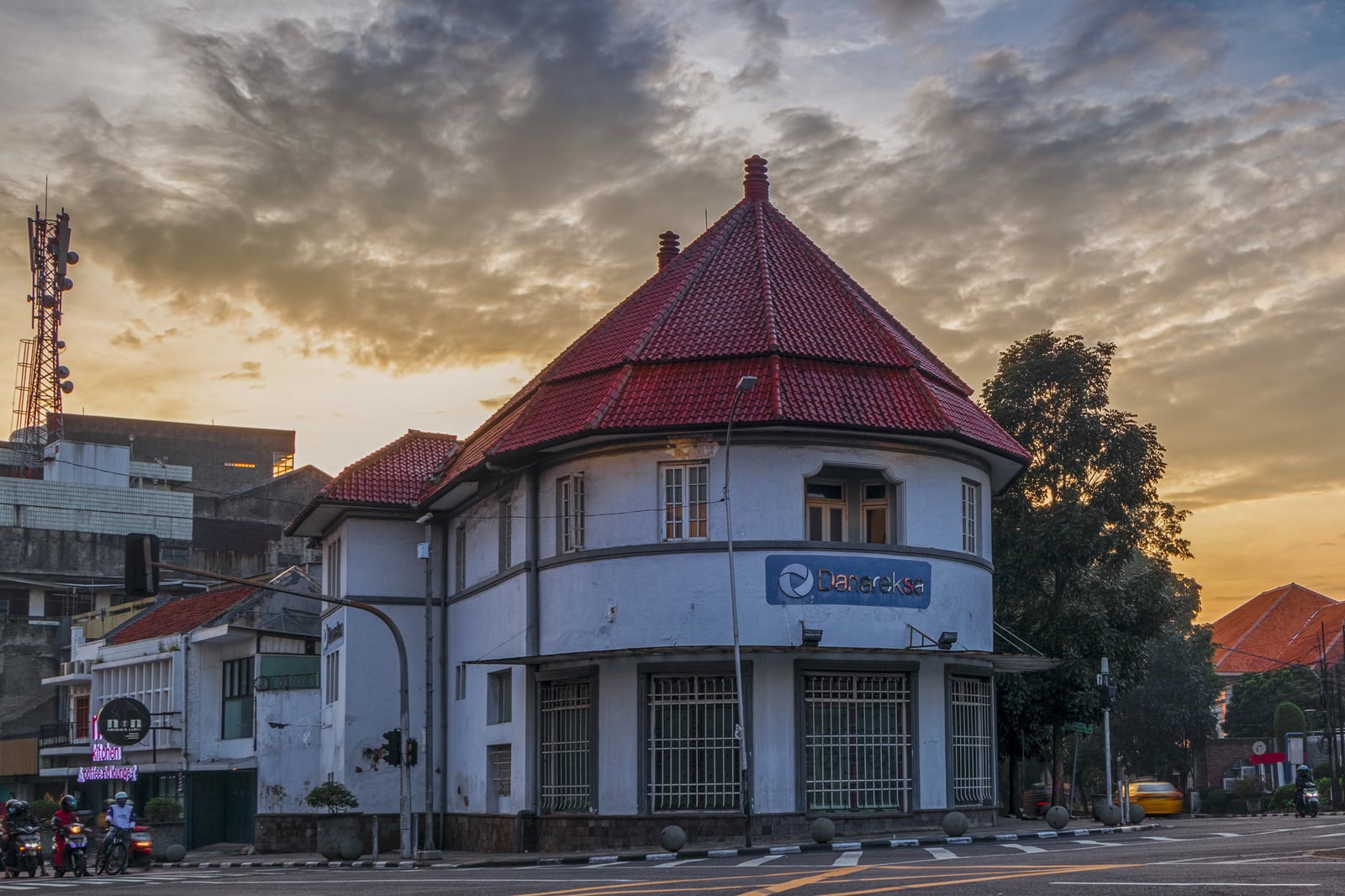
Asia Africa Street is one of the best places to start in Bandung. It is connected to the 1955 Asia-Africa Conference, when delegates from 29 Asian and African countries gathered in Bandung during an important moment in post-colonial history. The conference took place in Gedung Merdeka, the Art Deco building that still anchors this part of the city.
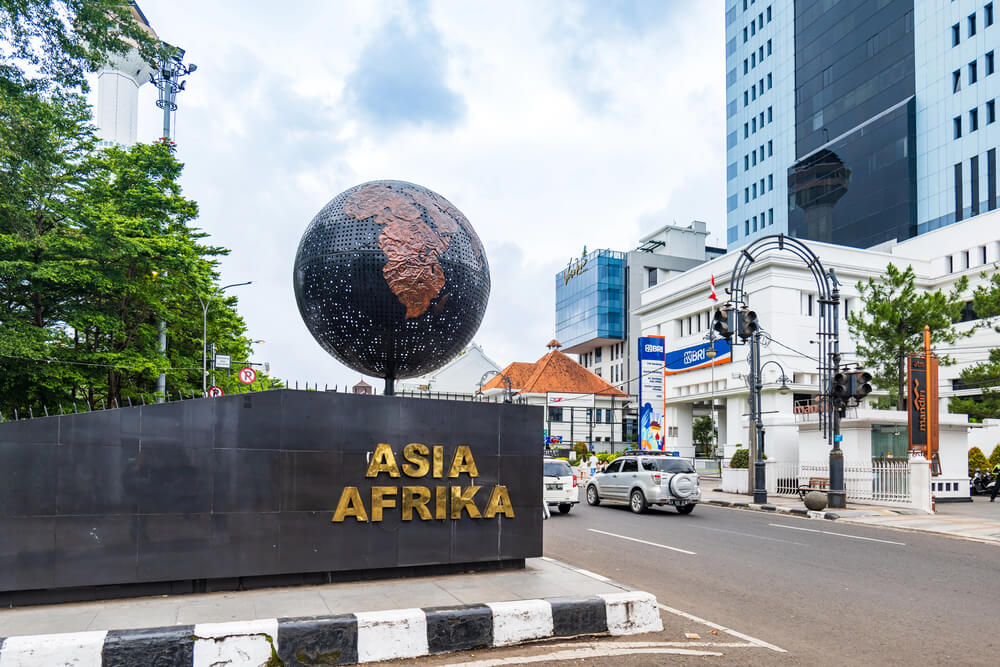
Start at Gedung Merdeka and the Asia-Africa Conference Museum, then walk past the Zero Kilometer Monument toward Alun-Alun Bandung. The pedestrianized street, benches and surviving colonial buildings make this one of the easier parts of Bandung to explore on foot. Ruhiyat Wooden Puppet & Mask Gallery near Savoy Homann Hotel is a useful small add-on if you want to see wayang golek puppets.
Allow 1.5 to 2.5 hours for the museum and a slow walk. Entry is free, and the museum is open Tuesday to Sunday during daytime hours; confirm current opening hours if you plan to visit on Monday or a public holiday. If you are interested in Dutch history in Indonesia, this area gives Bandung much more context than a simple city walk and makes the nickname Paris van Java less abstract.
For more context, read our guide to Dutch history in Bandung.
Braga Street
Braga Street is one of Bandung’s most familiar historic streets. It is a short walk from Asia Africa Street and works best as the second half of the same city route. Today it is a mix of old buildings, restaurants, cafes, small galleries, hotels, street artists and evening atmosphere.
If you prefer exploring with a local guide, this is a good place to add a Bandung city tour. A colonial history walking tour works well around Asia Africa Street, Braga and Gedung Merdeka, while an evening food and becak tour is better if you want to experience Bandung through local snacks, small streets and night atmosphere.
Do not come expecting a perfectly preserved European street. Parts are touristy and busy, but the old facades, pavement cafes and galleries still make it a pleasant place to slow down after the museum. It is more rewarding for a coffee, dinner or an unhurried evening walk than for ticking off a single attraction.

Braga itself is a public street, so you can walk through it at any time. Restaurants, galleries and cafes all keep their own opening hours. Plan your visit for late afternoon or evening for a more relaxed walk.
Classic stops include Braga Permai, serving Indonesian and European-influenced food since 1918, and Sumber Hidangan, known for Dutch-influenced cakes, bread and ice cream since 1929. Canary Bakery and Cafe is another old-style option. These are useful choices when you want the food stop to match the historical route.
Gedung Sate and Nearby Museums
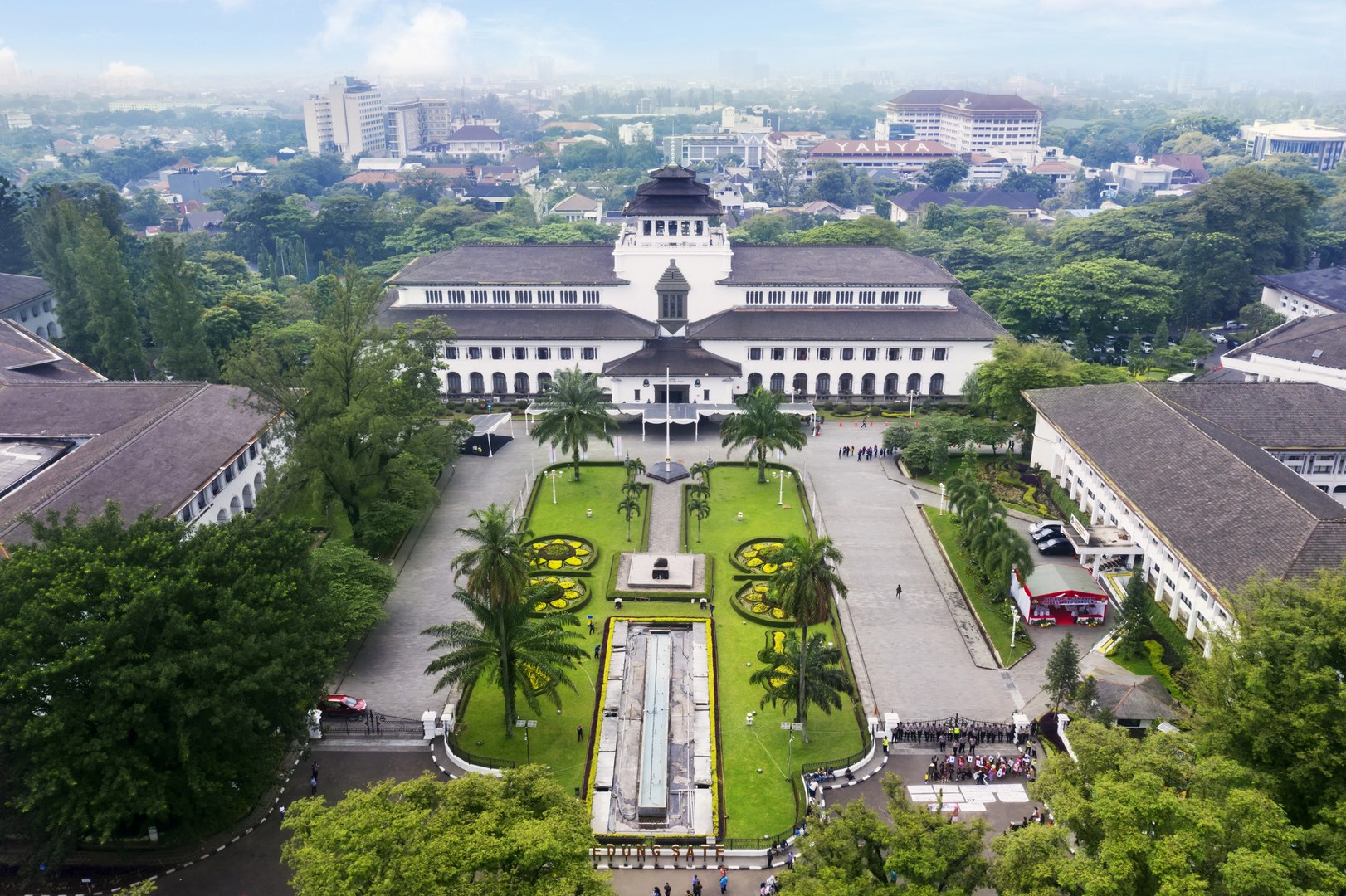
Gedung Sate is one of Bandung’s main landmarks. Built in 1920 during the Dutch colonial era, it was originally the headquarters of the Department of Government Companies and is now the office of the Governor of West Java. Its name comes from the rooftop ornament that looks like a bundle of sate skewers.
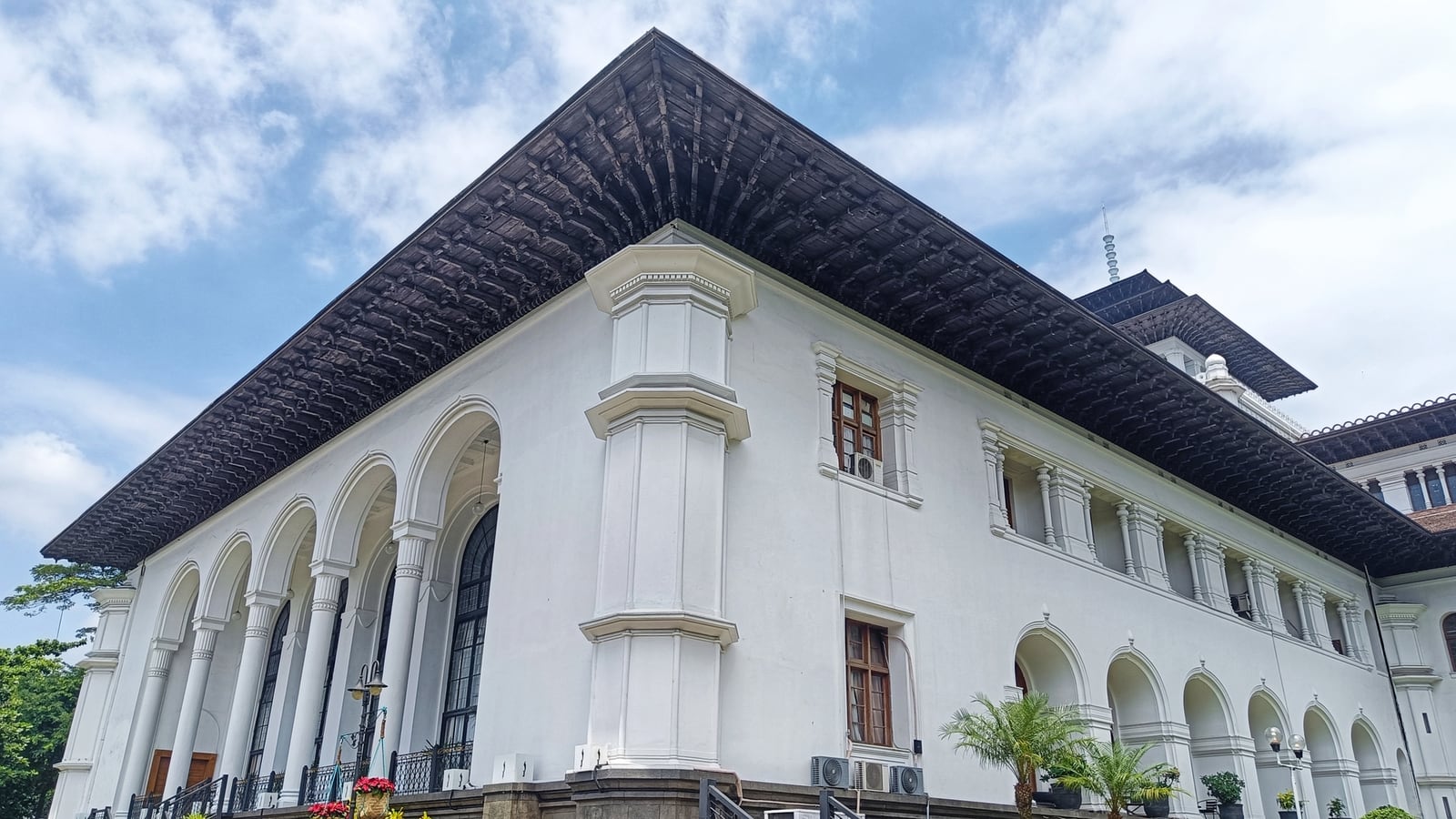
It is worth more than a quick exterior photo if the museum is open: the building has a small museum and interior visit, while the gardens and Gasibu Field make the area pleasant for a short break. Plan on museum entry around IDR 10,000. The building is open 08:00-16:00, while the museum opens Tuesday-Sunday from 09:30. Dress modestly: no tank tops and clothing should cover your knees. Check the current local schedule before visiting on a public holiday, because government-building access can change.
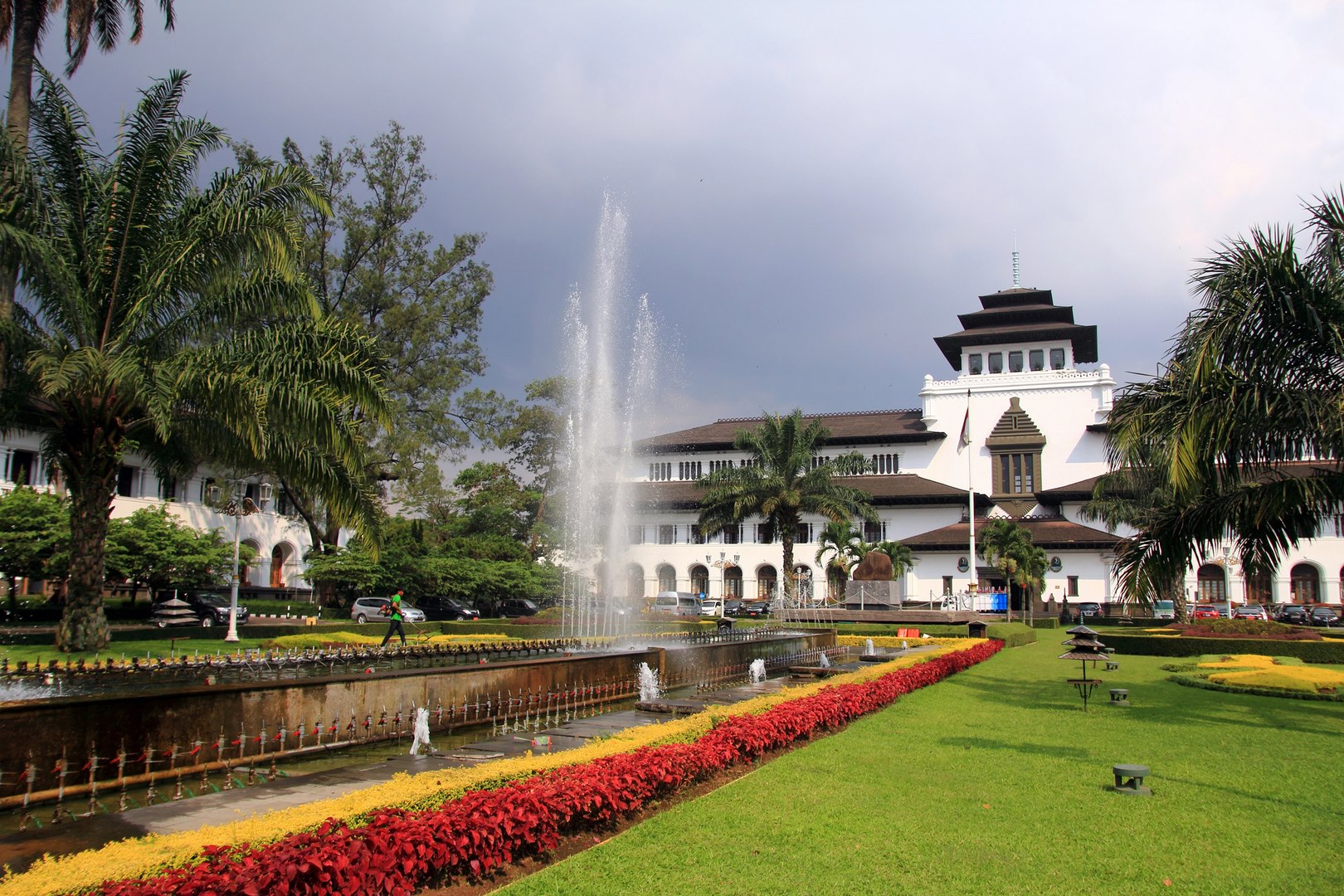
Combine Gedung Sate with the Geology Museum or Postal Museum if you want a fuller half-day in this part of town. From Asia Africa Street it is roughly 4.6 km north, so take Grab or Gojek.
Villa Isola
Villa Isola, also called Bumi Siliwangi, is one of the strongest examples of Art Deco architecture in Bandung. It was built in 1933 for the Dutch media entrepreneur Dominique Willem Berretty and designed by C. P. Wolff Schoemaker. It now stands inside the Universitas Pendidikan Indonesia campus on Jalan Setiabudi, north of the city center.
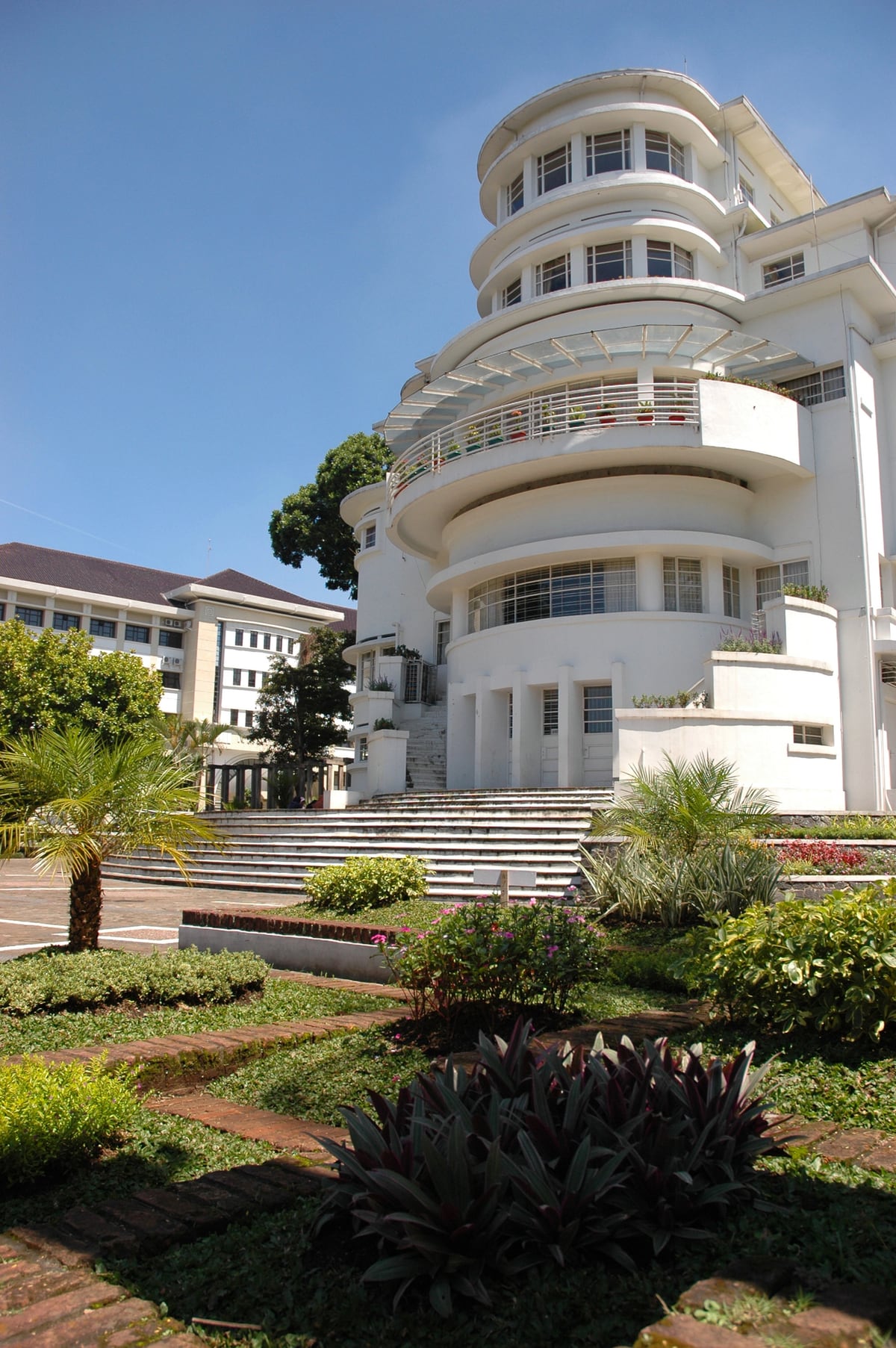
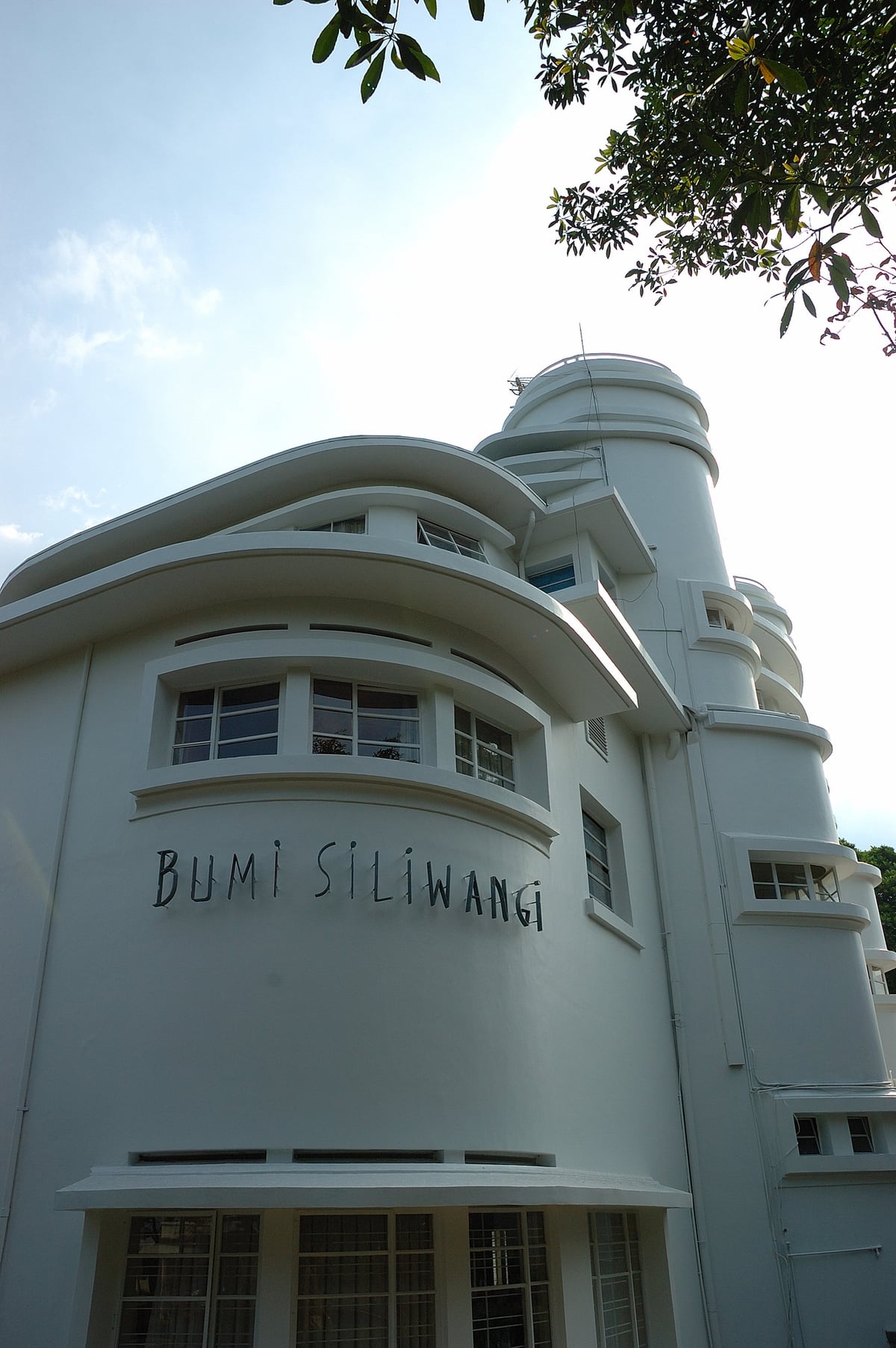
The interior is not open to ordinary visitors because the building is used as the university rectorate. Go for the exterior, the symmetrical curved facade and the gardens around it. It makes sense as a short architecture stop on the way toward Lembang; it is not worth crossing the city for if you are only interested in the usual central sights.
Al Jabbar Mosque
Al Jabbar Mosque shows a different side of Bandung: large-scale contemporary architecture, Islamic design and Sundanese elements in the eastern part of the city. Its reflective pool and geometric form are the main visual draw, and the site includes the Rasulullah Gallery about the life of Prophet Muhammad, which has its own ticket and schedule.
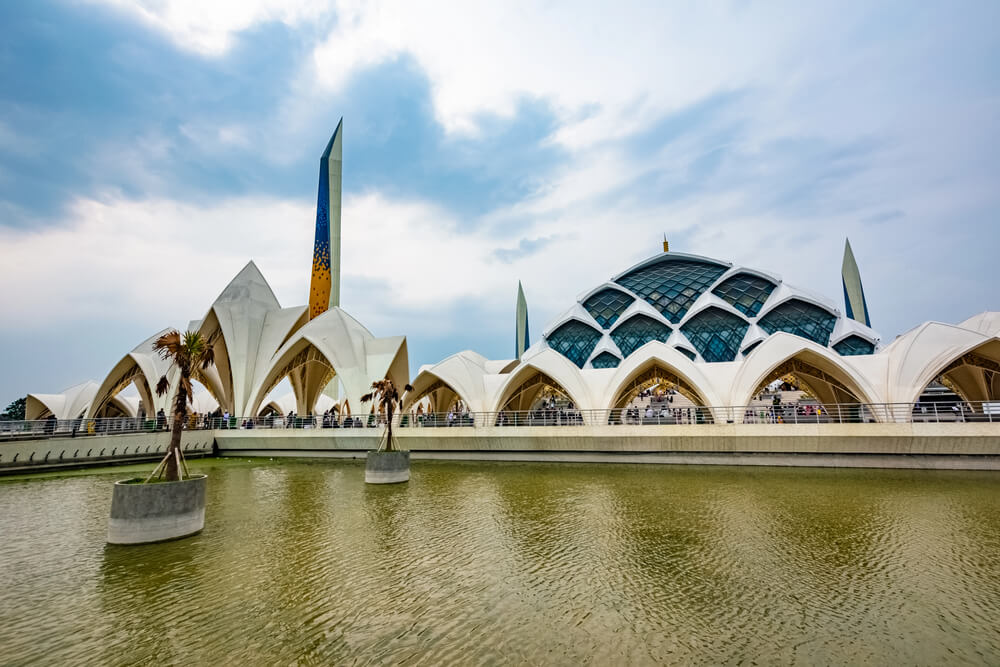
It is not on the usual Braga and Asia Africa route, so treat it as a separate stop by car. You can also take the Bandung Raya Commuter Line to Cimekar Station, then walk to the mosque; allow for heat, traffic and poor sidewalks. Entry to the mosque itself is free. Dress modestly, remove shoes where required, be respectful of people who come to pray and avoid prayer times if your main reason for visiting is architecture or photography.
Tahura Djuanda
Tahura Ir. H. Djuanda is a large protected forest on the northern edge of Bandung. It is the best choice when you want a proper green escape without committing to a full Lembang or Ciwidey day. The main route combines shaded walking paths with Goa Belanda, a Dutch-built water tunnel from 1918, and Goa Jepang, a Japanese cave from 1942. That combination gives the visit more substance than a simple park walk.
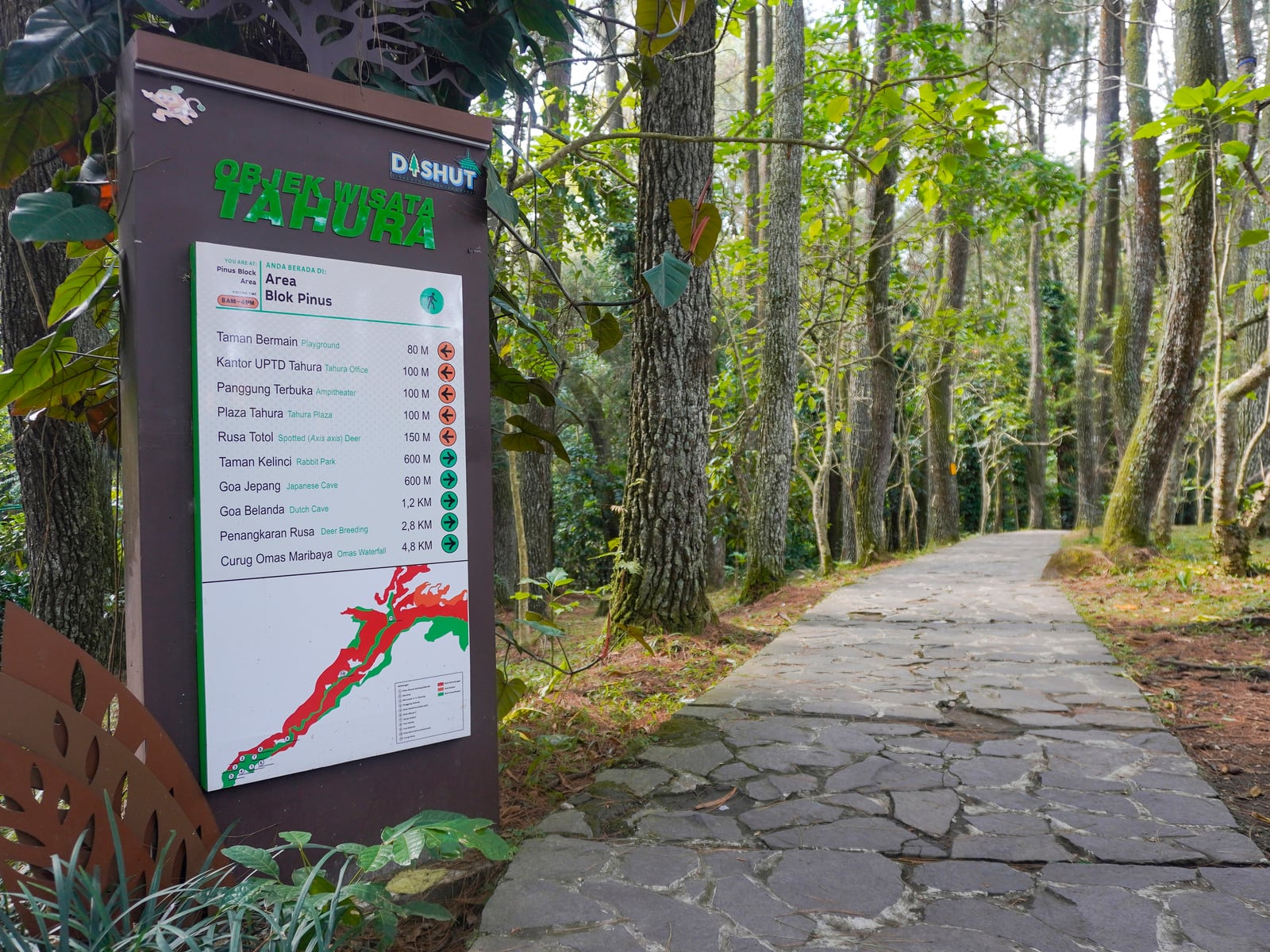
Start from the Dago side, wear shoes that can handle uneven paths and allow at least half a day if you want to continue toward Curug Omas waterfall. The park is large; decide in advance whether you are there for the caves and a short forest walk or for a longer trek. Check the official Tahura information before leaving, especially on a weekend with a scheduled event.
Selasar Sunaryo Art Space
Selasar Sunaryo Art Space in Dago Pakar is a nonprofit contemporary-art space founded by the artist Sunaryo. It has changing exhibitions, public programs, a library, design shop and cafe. Add it when you are interested in modern Indonesian culture, art or design.
The gallery and library are open Tuesday to Sunday, 10:00-17:00, and exhibition access requires a ticket. It fits well before or after Tahura if you have a car. See the current program and visitor details before you go.
Saung Angklung Udjo
Saung Angklung Udjo is one of the easiest cultural experiences to recommend in Bandung.
The angklung is a traditional bamboo instrument from West Java, and the performance at Saung Angklung Udjo is built in a way that foreign visitors can easily follow. It includes music, dance and audience interaction, so it works even if you do not know much about Sundanese culture before arriving.
It is organized, accessible and still rooted in local culture. For families, first-time visitors or travelers who want an evening plan beyond food or cafes, Saung Angklung Udjo is a strong choice. The audience participation is part of the point: visitors are given angklungs and play together near the end.
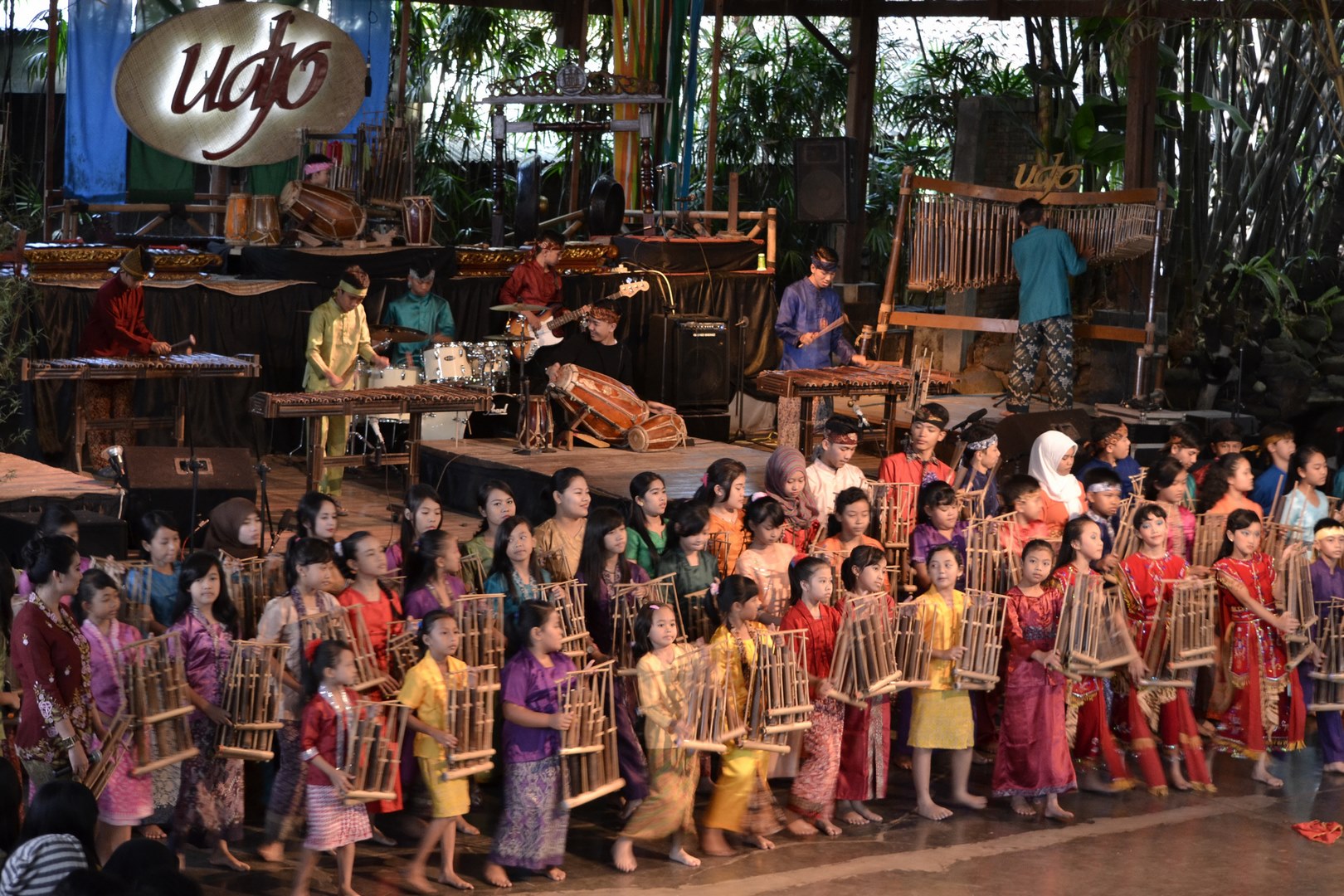
Saung Angklung Udjo is about 5.5 km from Gedung Sate. Performances run daily from 15:30 to 17:00. Saturday also has a 13:00 performance, while Sunday has an additional 10:00 performance. International adult tickets are listed at IDR 120,000 and student tickets at IDR 85,000. The venue is open 08:00-17:00. Book ahead for weekends and school holidays; tickets can be booked through Traveloka. Recheck the exact program before visiting because performances can sell out or change.
What to Eat and Where to Eat in Bandung
Bandung is a strong food city and a national food trendsetter: many Indonesian snack ideas start here before spreading elsewhere. You can try three different food styles in one day: a proper Sundanese meal, a quick street snack and a heritage coffee or bakery stop. Plan at least one proper meal and one smaller food stop around the part of the city you are already visiting.
What to Eat in Bandung
Start with a Sundanese meal: rice, grilled or fried chicken or fish, tofu, tempeh, fresh lalapan vegetables and sambal. Nasi timbel is rice wrapped in banana leaf and served with this kind of combination. Karedok is a raw-vegetable salad with peanut sauce, while sambal dadak is freshly ground chilli sambal. Together, these dishes give you a useful first taste of West Javanese food culture.

For a quick Bandung classic, order batagor: fried tofu and fish dumplings with peanut sauce. Siomay is the steamed version. Mie kocok is Bandung’s beef noodle soup, while soto Bandung is a lighter beef soup with daikon.
Bandung’s aci snacks are made with tapioca starch: cilok (tapioca balls), cireng (fried tapioca), cilor (tapioca with egg), cilung and cimol. Seblak is a spicy, rich broth with softened crackers, egg, vegetables and toppings such as fish balls or sausage. Start with a mild order if you do not eat much chilli.
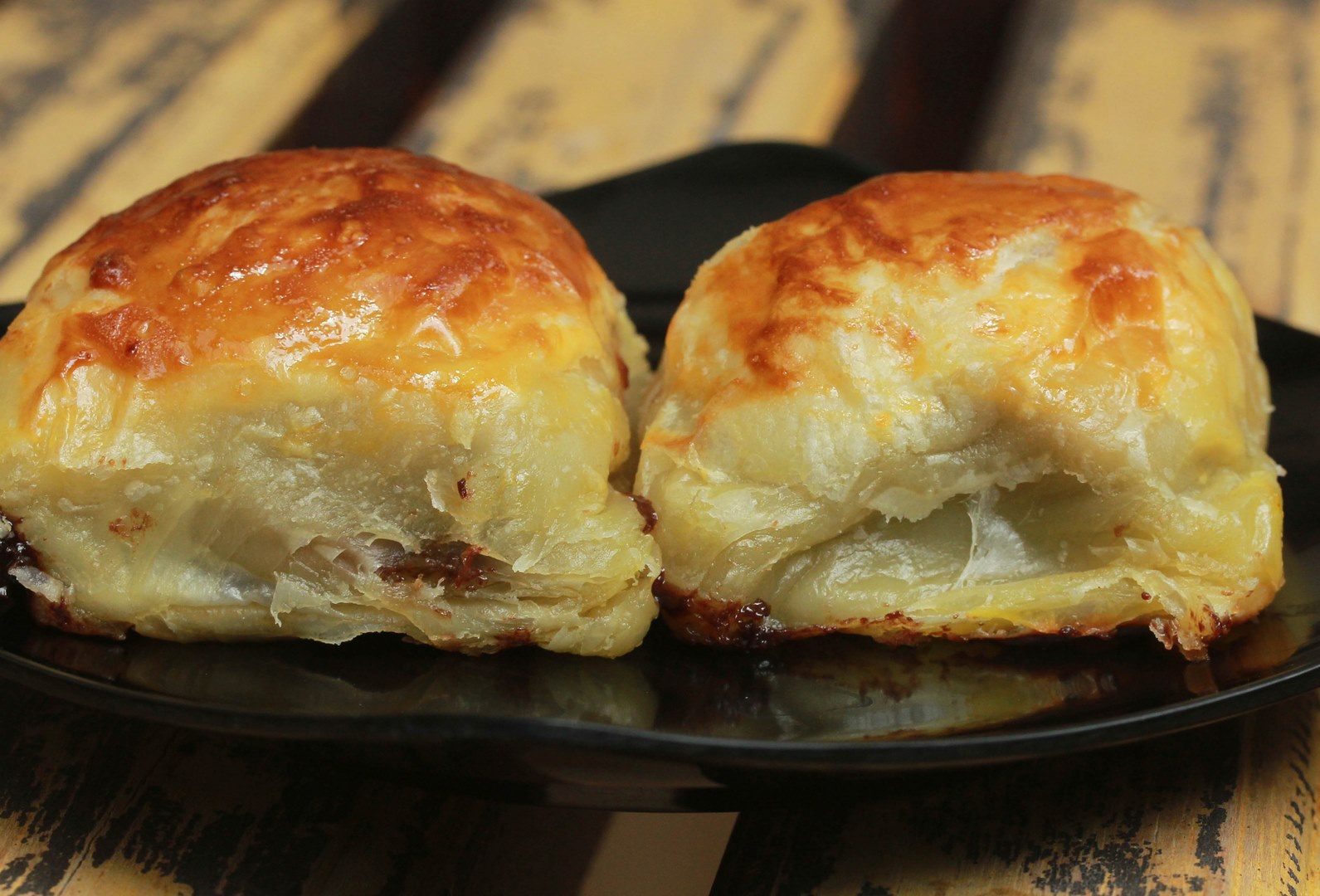
For sweets and souvenirs, look for bolen (flaky pastry with banana and cheese or chocolate), surabi (a rice-flour and coconut-milk pancake cooked in a clay pan, with toppings from jackfruit and cheese to egg), es goyobod (fruit and jelly with coconut milk, condensed milk, syrup and ice), es oyen (shaved ice with coconut milk, frambozen syrup, avocado and sago pearls), Bolu Susu Lembang, Kue Balok Lumer and Ciwidey chocolate. Bolen Kartikasari is one of the classic souvenir names.
Where to Eat a Proper Sundanese Meal
Warung Nasi Ibu Imas on Jalan Balonggede is a practical first choice near Alun-Alun and Asia Africa Street. It is a busy, casual Sundanese warung where you choose rice, grilled chicken, gepuk, pepes, tofu, tempeh, vegetables and sambal from the counter. Order karedok leunca, jukut goreng and sambal dadak alongside your main dish for a meal that feels specifically Sundanese.
Go early for lunch or expect a queue. This is the right stop after the Asia Africa and Braga area, not somewhere to cross town for after a Lembang day. The kitchen is halal, but be careful about the sambal, which can be genuinely hot.
Pasar Cihapit: Batagor, Mie Kocok and a Market Walk
Pasar Cihapit in Bandung Wetan is a traditional market where food stalls, fresh-produce sellers and newer small cafes sit close together. It is the better choice when you want a compact, local food stop instead of a large food court. Go in the morning or for an early lunch, and walk through the lanes.
Batagor Kahuripan inside the market is a good concrete choice for batagor, available with peanut sauce or in broth. Pair it with mie kocok from another stall if you are sharing lunch. The market works well between Gedung Sate and Dago; it does not need a full afternoon. Arrive early because individual stalls keep different hours and popular counters develop queues.
Heritage Coffee, Bakery and a Braga Food Stop
For a food stop that belongs naturally on a history walk, go to Braga Permai for Indonesian and Dutch-influenced dishes, or Sumber Hidangan for old-fashioned cakes, bread and ice cream. Both sit on Braga Street and work better as part of the Asia Africa route than as standalone destinations.
Kopi Aroma is different: it is a heritage roastery and shop on Jalan Banceuy, not a cafe. The family has roasted coffee there since 1930, and the shop still sells walk-in purchases only. Go there to buy beans or ground coffee, not to sit for a drink. It is within walking distance of Asia Africa Street and Pasar Baru, open Monday to Saturday from 09:00 to 14:30, and closed on Sundays and public holidays. Bring cash.
Evening Food: Sudirman Street and Cibadak
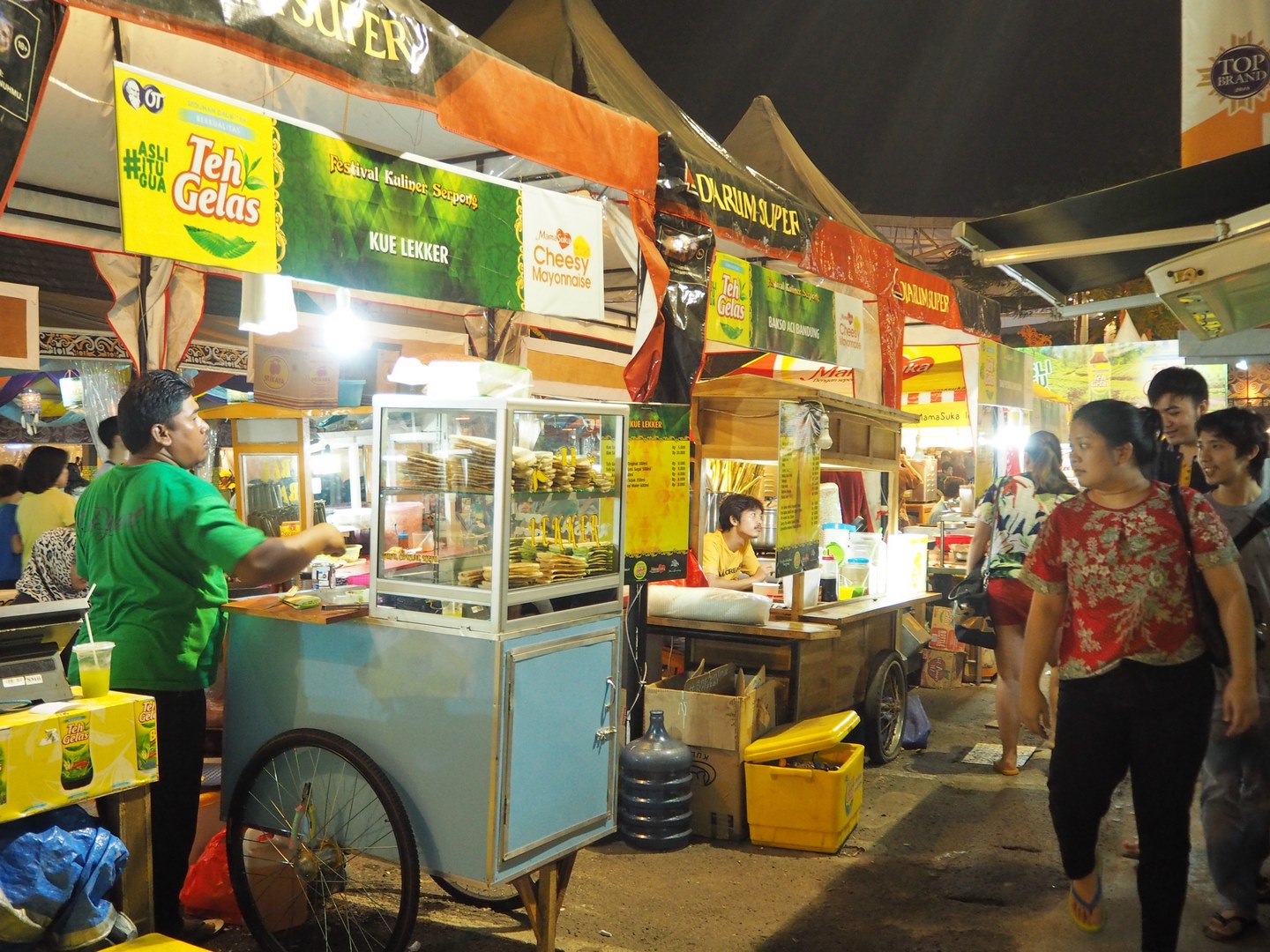
For dinner, Sudirman Street Day & Night Market and the connected Cibadak area give you a broad choice of stalls and casual restaurants in one place. It works well when your group wants different things. You will find Bandung snacks, Indonesian dishes and international options, including non-halal food such as pork dishes.
Muslim travelers will also find halal choices, including fried meatballs and king crab, but the area is mixed, so check before ordering. Plan dinner before 22:00 and bring cash. This is a lively evening stop after central sightseeing.
For a wider introduction to Indonesian snacks, see our guide to Indonesian street food.
Shopping and Factory Outlets
Shopping is a big part of Bandung’s domestic travel scene. Many Jakarta visitors come for factory outlets, local fashion, jeans, leather goods and cafes attached to shopping areas.
For foreign travelers, I would keep shopping as optional. Cihampelas is the classic area for affordable jeans and T-shirts, Cibaduyut for locally made leather shoes, jackets and wallets, and Rumah Mode in the Pasteur area for a large factory-outlet experience with cafes, bakery and garden. If you are short on time, prioritize history, Saung Angklung Udjo and one good highland route before factory outlets.
Day Trips Around Bandung
Bandung day trips are full outings, and most need an early start. This means that if you arrive in Bandung around lunch, keep the afternoon for the city. Save the highlands for a separate day.
For nature trips around Bandung, start early especially on weekends and school holidays. If you are not comfortable managing long Grab/Gojek rides, transfers and waiting times, use a private driver or a well-reviewed organized tour.
Ciwidey: White Crater, Tea and Hot Springs
Ciwidey is the highland area south of Bandung. It is the right day trip for volcanic scenery, tea fields and cooler mountain weather. The main places here are Kawah Putih, Rancabali tea plantations, Situ Patenggang and Rengganis.
Kawah Putih
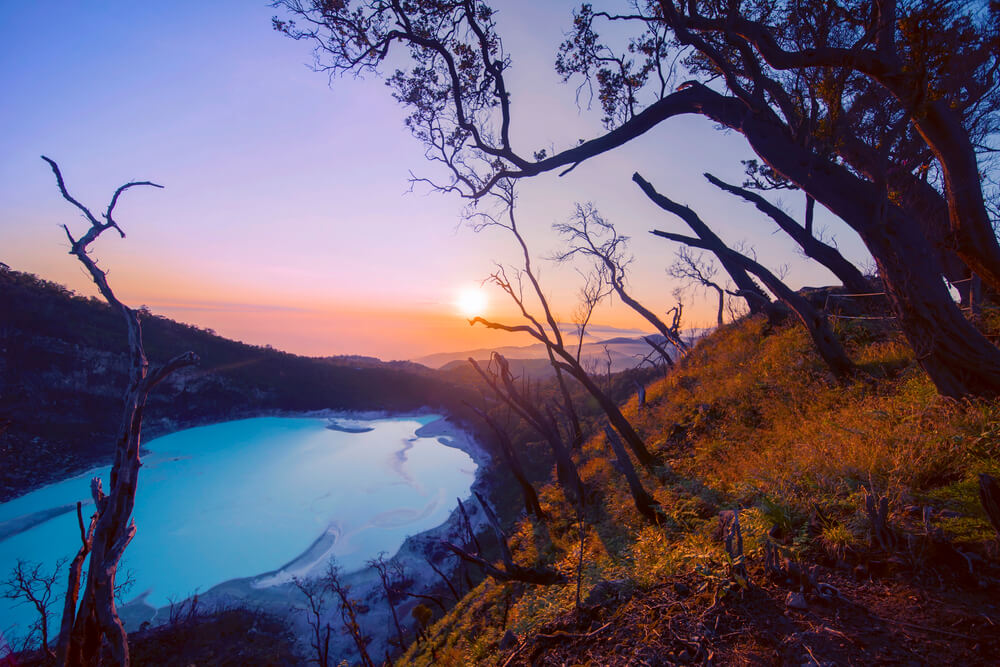
Kawah Putih is a volcanic crater lake, around 50-60 km from Bandung city center. Its pale turquoise-white water, dark leafless trees and cold highland air make it the most dramatic stop in Ciwidey. The drive takes 1.5-2.5 hours and traffic can make it longer. Local advice we received was to leave Bandung around 7 AM on weekdays and 6 AM on weekends.
Visitors park at the lower area and continue to the crater in the local ontang-anting shuttle. The 7 km road is winding and rough in places, so take motion-sickness medicine if you need it. Bring a light jacket or rain layer: we visited in January and it was genuinely cold. Foreign entry is around IDR 81,000-90,000, or around IDR 110,000-120,000 including the shuttle; sunrise tickets and paid extras such as the Floating Bridge, Sky Walk, horse riding and photo spots cost extra.
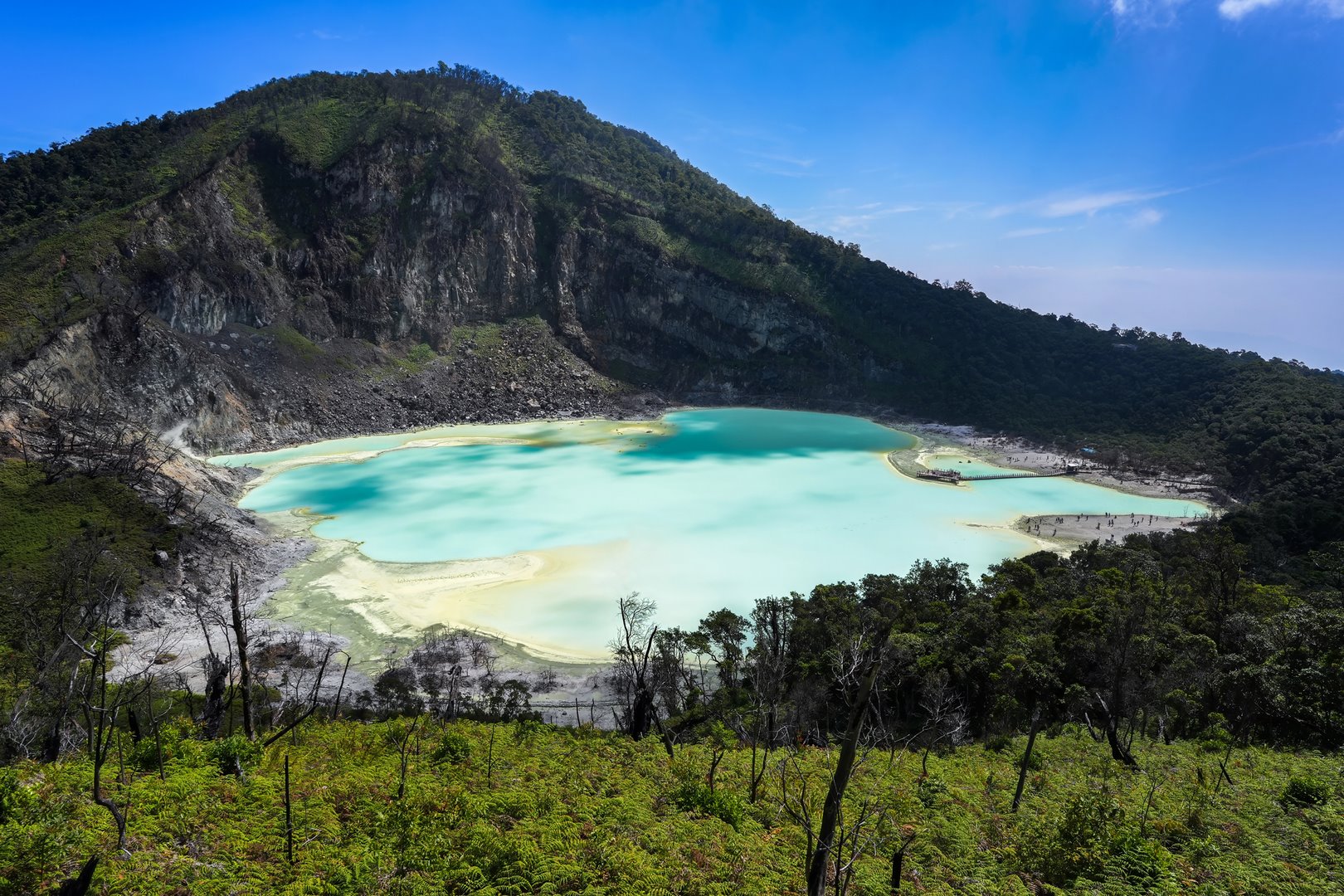
Sunan Ibu Viewpoint is the sunrise stop above the crater. If the weather is clear, it gives you the wider crater landscape.
Learn more in our dedicated Kawah Putih guide for current access details and further tips.
Rancabali, Situ Patenggang and Rengganis
Rancabali is the tea-growing area near Kawah Putih, with orderly green fields and roadside viewpoints. Situ Patenggang is a mountain lake where you can take a boat or stop for lunch by the water. Rengganis adds geothermal pools and hot-spring scenery. Pick one or two of these alongside Kawah Putih, depending on your start time and whether you want a slower scenic day or more stops.
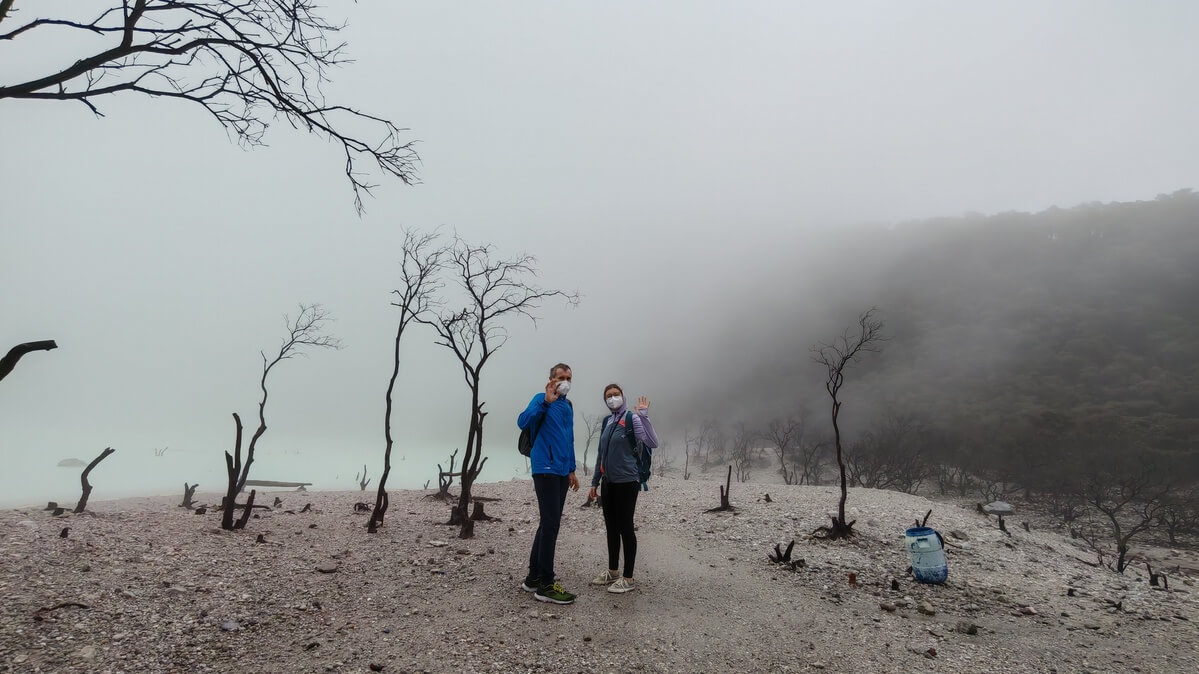
Backindo Tip: We visited Kawah Putih with a private driver, which made the full Ciwidey day much easier. Email us at hello@backindo.com and we will happily share the contact we used.
Lembang: Volcano, Family Stops and Cooler Air
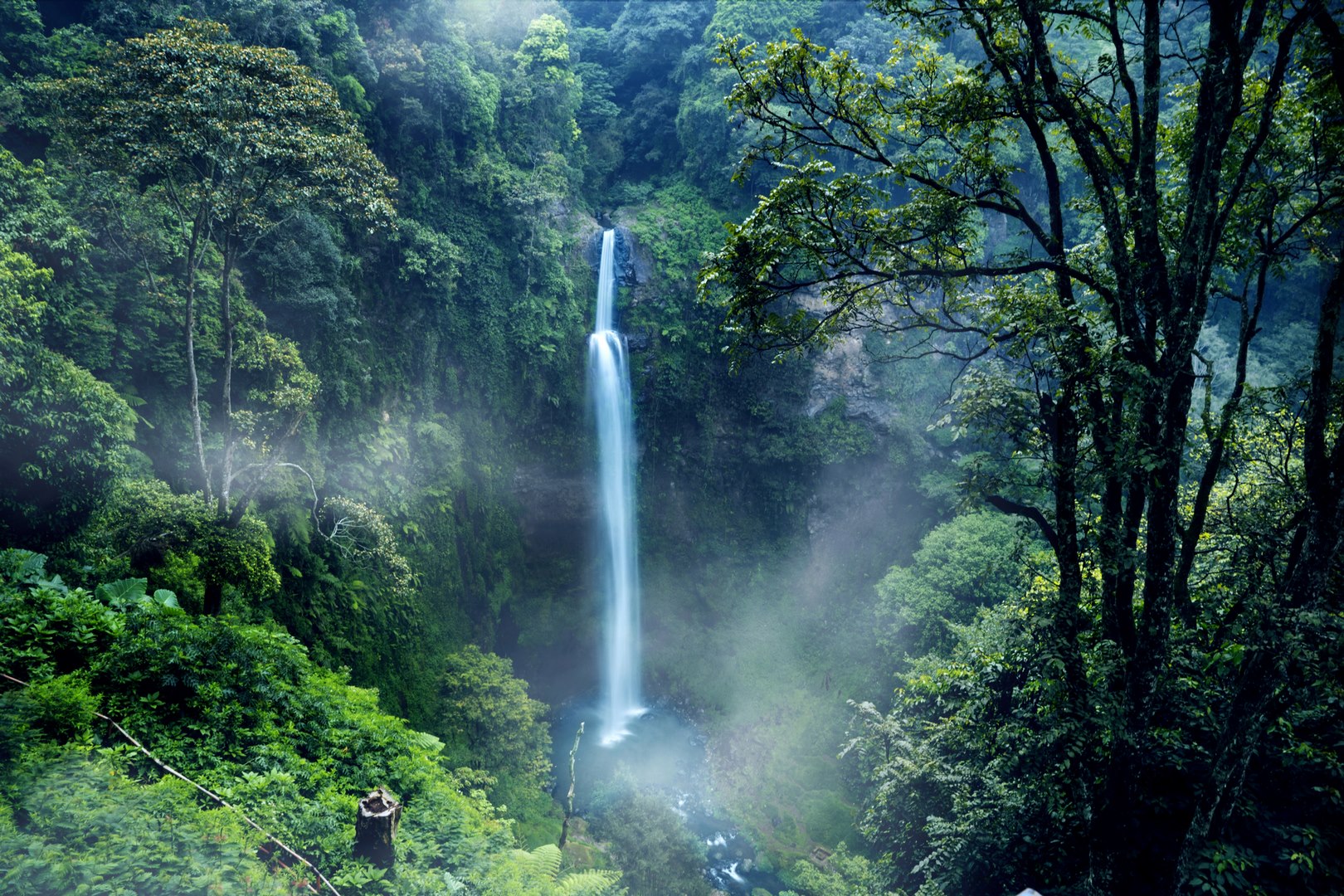
Lembang is the cooler highland town north of Bandung. It combines Tangkuban Perahu with cafes, hot springs and family-oriented attractions. It is the better choice for a mixed day with children or for travelers who prefer a volcano and a few lighter stops over a long landscape route.
Tangkuban Perahu
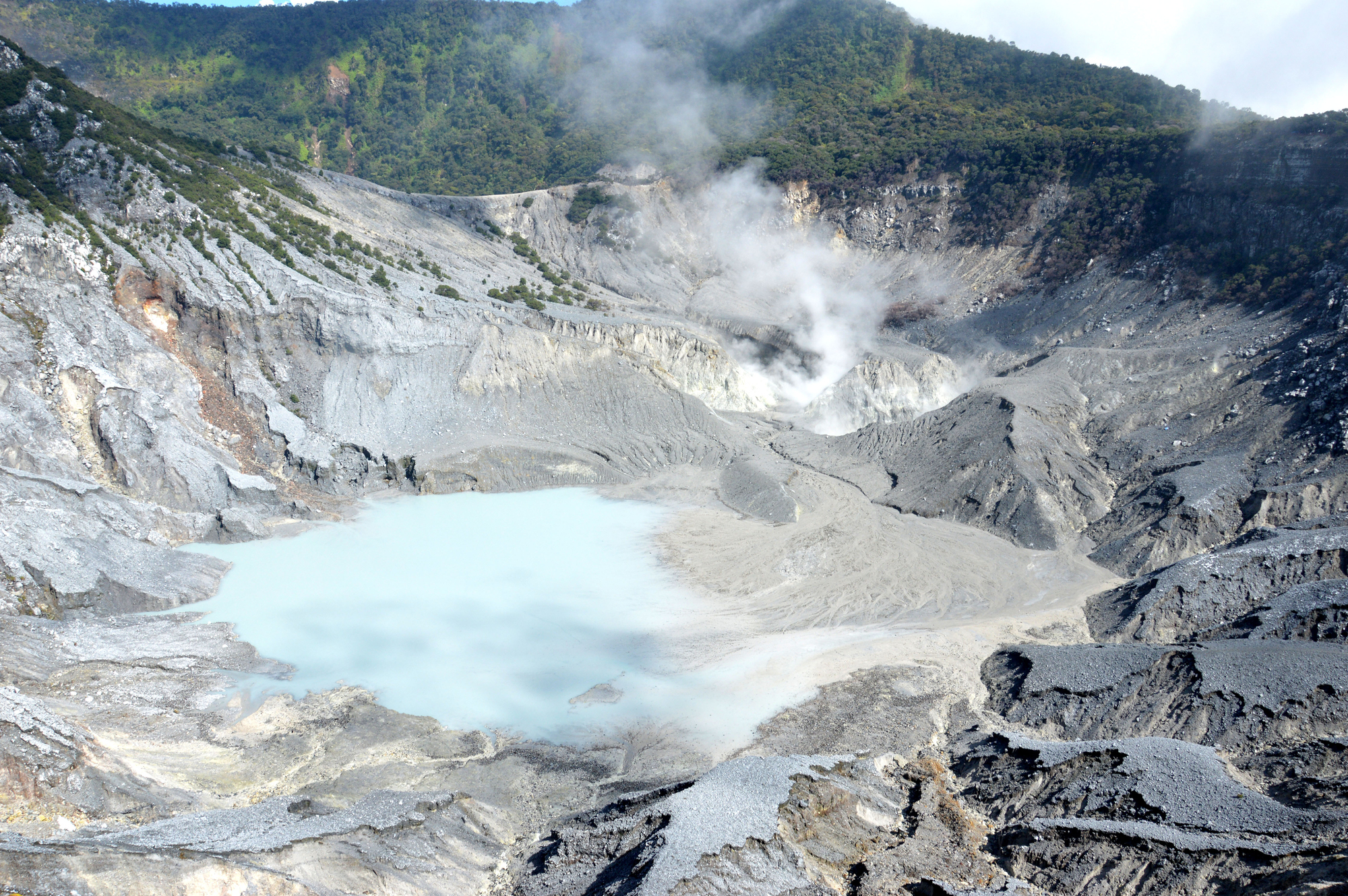
Tangkuban Perahu is an active volcano about 30 km north of Bandung. Kawah Ratu is its large open crater and the main viewpoint; it is accessible without a difficult hike. Kawah Domas is the geothermal area, with hot springs and bubbling mud pools, and involves more walking. Kawah Upas access depends on volcanic safety conditions.
The drive takes 1-1.5 hours. Foreign entry is around IDR 200,000 on weekdays and IDR 300,000 at weekends or on public holidays, before vehicle and parking fees. The views are worthwhile, but expect sellers and a more commercial atmosphere than at a remote volcano.
Backindo Tip: Tangkuban Perahu is far enough from central Bandung that a private driver makes the return trip much easier; that is how we visited. An organized tour also works when you do not need a flexible itinerary.
Learn more in our detailed Tangkuban Perahu guide.
Other Lembang Stops
The Floating Market is a domestic-tourism food attraction with vendors on boats. Dusun Bambu is a landscaped bamboo park and restaurant complex. At Farmhouse Susu Lembang, children can try Dutch-style costumes; it and Lembang Zoo work best with younger children. Orchid Forest is a pine-forest park, Maribaya is the hot-spring option, Pelangi Waterfall is a short nature stop, and Bosscha Observatory is the historic observatory near tea fields.
Pangalengan: Tea, Rafting and Outdoor Activities
Pangalengan is a quieter highland area south-east of Bandung. It suits travelers who want tea fields with activities rather than a crater-lake day. The main draws are Situ Cileunca, a reservoir surrounded by hills and tea plantations, rafting on the Palayangan River, pine forest, coffee farms and the long bridge and ATV activities at Riung Gunung.
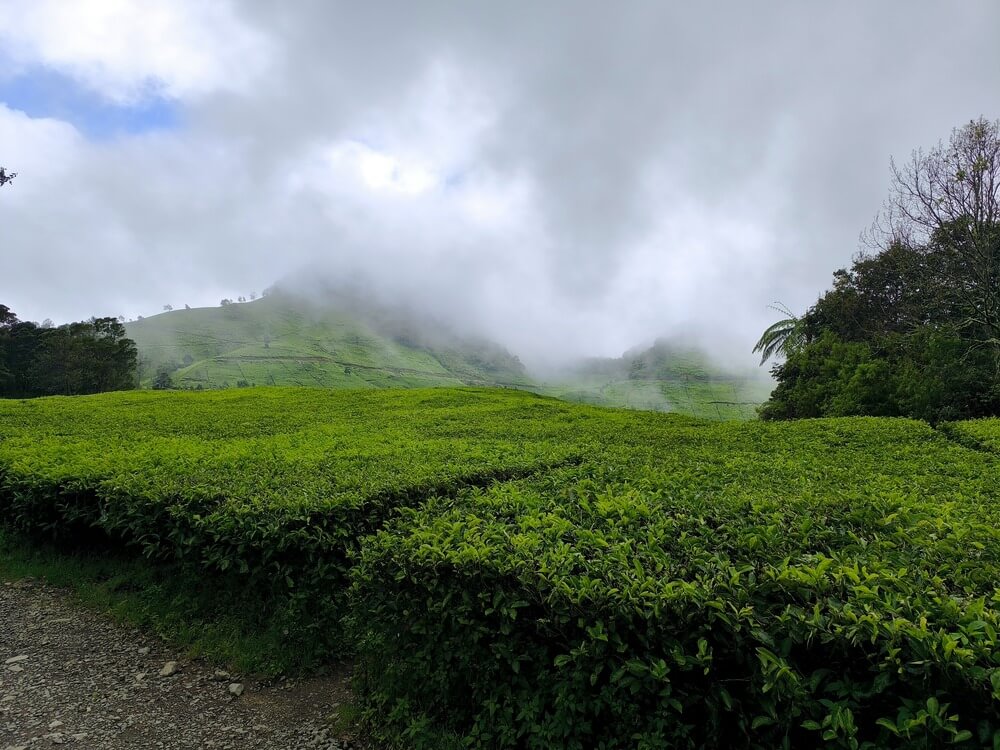
Choose Pangalengan for active time outdoors. At Situ Cileunca, you can take a short lakeside break or book rafting; the rafting operators provide the equipment and guides, but reserve in advance and choose an operator that explains its safety procedures clearly.
Tea, coffee and dairy farms give the rest of the day shape, so Pangalengan is a stronger choice for active travelers, groups and older children than for someone looking for a quick city escape.
Leave Bandung early and use a driver for the full day. Pangalengan is too far to treat as a casual afternoon outing. Plan a slower schedule.
Malabar: Tea History and a Slower Route
Malabar is a historic tea-estate area associated with Karel Albert Rudolf Bosscha, an important figure in West Java’s tea industry. Come for plantation scenery and tea history, not for a packed attraction day. Rancabali or Gambung are better when you want tea fields as part of the Kawah Putih route; Pangalengan and Malabar are better with more time.

Malabar Mountain Coffee gives coffee-focused travelers a specific reason to stop. The area grows Arabica coffee as well as tea, and the educational visit can cover walking the plantation, harvesting, processing, tasting different brews and talking coffee with the owner.
For a fuller tea-route comparison, see our guide to tea plantations around Bandung.
Strawberry Picking
Strawberry picking is a simple family add-on in the cooler areas around Lembang and Ciwidey. Our children loved it, and so did we. At most farms, you pay a small entry fee, walk through the growing area, pick the fruit yourself and then pay by weight.
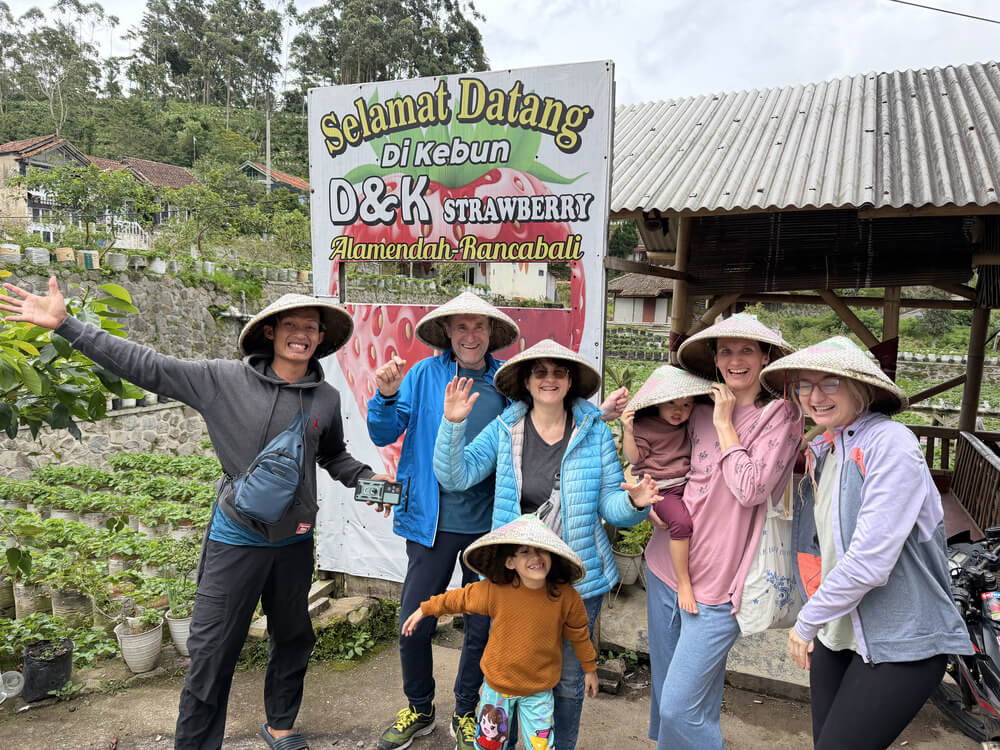
Expect roughly IDR 80,000-120,000 per kilogram, depending on the farm and season. Many farms also sell fresh strawberry juice and snacks. It is a pleasant extra stop with children, not a reason to build the entire Bandung route around it.
See our strawberry-picking guide for farm options and current tips.
Stone Garden Citatah: Optional Stop for a Longer West Java Route
Stone Garden is a karst landscape near Citatah in West Bandung, with ancient limestone formations. It is an optional addition for travelers with a car who have extra time, especially when their route already passes Padalarang. It is not a substitute for Kawah Putih or Tangkuban Perahu on a first short visit.
The main path is a roughly 1.5 km uphill walk that takes about 30 minutes. The terrain is exposed and uneven, so bring water and shoes with grip, and avoid the midday heat. Add it to a longer West Java route, not to an already full Bandung day.
Suggested Bandung Itineraries
One Day in Bandung
One day is enough for a short introduction.
Option 1: City and culture
- Morning or midday: Asia Africa Street, Gedung Merdeka and Braga
- Afternoon: Gedung Sate and a museum stop, or Tahura Djuanda and Selasar Sunaryo Art Space if you prefer forest and contemporary art
- Late afternoon/evening: Saung Angklung Udjo
- Dinner: Jalan Sudirman or Braga
Option 2: One focused day trip
- Start early from Bandung
- Choose either South Bandung/Ciwidey or North Bandung/Lembang
- Keep the evening flexible because traffic can delay your return
If you are coming from Jakarta by Whoosh for the day, avoid overloading the plan. Bandung is possible as a day trip, but it is better when you stay overnight.
Two Days in Bandung
Day 1: Arrive from Jakarta, explore Asia Africa Street, Braga, Gedung Sate and Saung Angklung Udjo. Eat around Jalan Sudirman or Braga in the evening.
Day 2: Choose one day trip. Pick South Bandung/Ciwidey for Kawah Putih and tea landscapes, or North Bandung/Lembang for Tangkuban Perahu and easier family/cafe stops.
This is the minimum I recommend for most first-time visitors.
Three Days in Bandung
Day 1: Bandung city, history, Braga, food and Saung Angklung Udjo.
Day 2: South Bandung/Ciwidey with Kawah Putih, Rancabali tea plantations and one nearby stop.
Day 3: North Bandung/Lembang or Pangalengan/Malabar.
With three days, you can use Bandung as a base without rushing.
How to Get to Bandung
Getting to Bandung is quite easy, especially from Jakarta. You can travel by high-speed train, regular train, bus, shuttle or private car. The best option depends on where you start, how much luggage you have and whether you want speed or door-to-door convenience.
By Whoosh High-Speed Train
Whoosh is the fastest way to travel from Jakarta toward Bandung. It connects Halim in Jakarta with stations near Bandung, including Padalarang and Tegalluar, in under an hour.
The important detail is that Whoosh does not arrive directly at Bandung Station. For central Bandung, get off at Padalarang and continue on the free feeder train to Bandung Station; it is included in the Whoosh ticket. Tegalluar Summarecon is farther from the center and makes more sense only for eastern Bandung or nearby destinations.
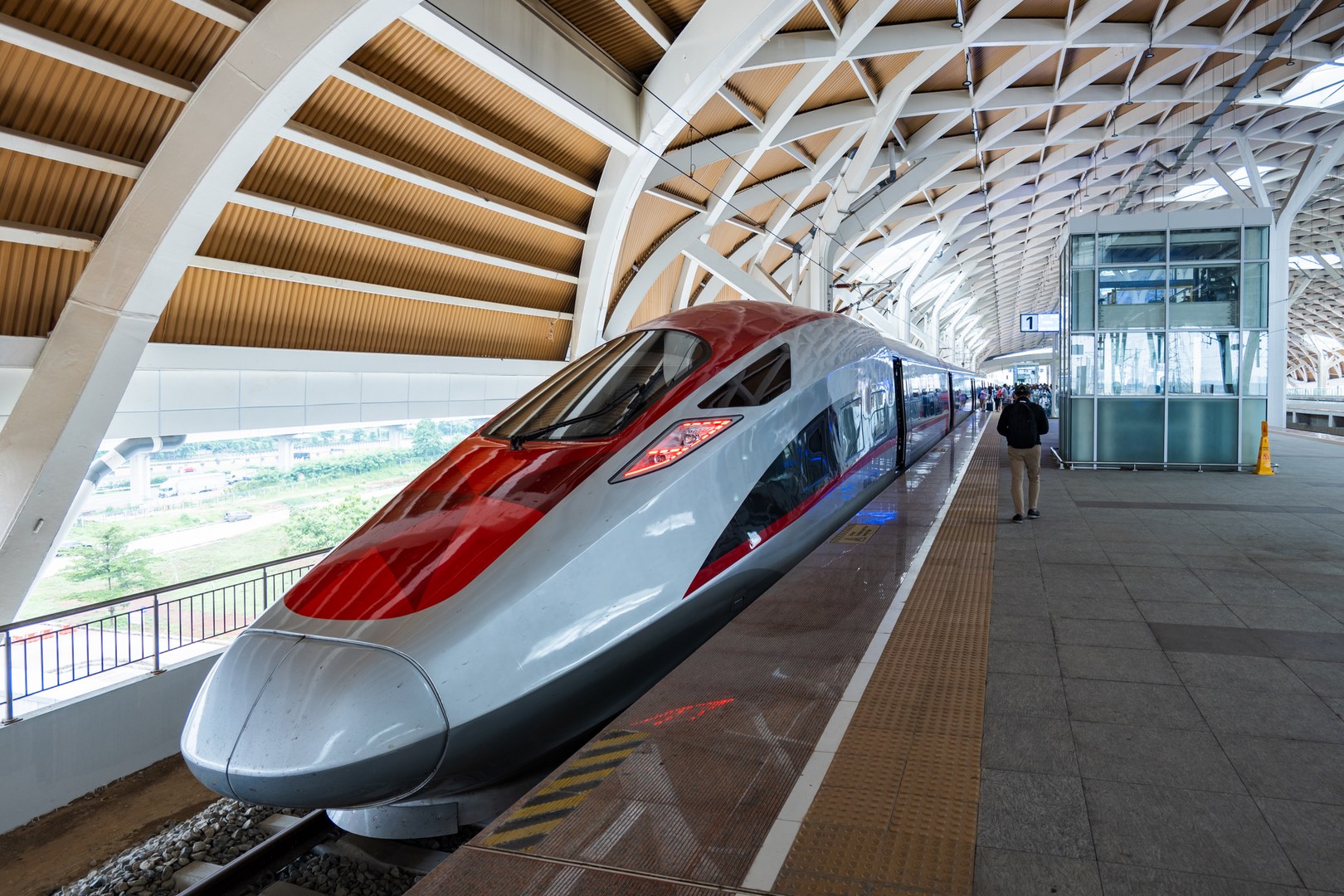
Whoosh has many departures each day. Premium Economy tickets have started around IDR 175,000, depending on class, date and availability. From our experience, it worked especially well when arriving from the airport because trains ran frequently and we could buy tickets on the spot. That felt much less stressful than worrying about a fixed long-distance train departure after a flight delay.
Read our full Whoosh high-speed train guide for station, ticket and other travel tips.
By Regular Train
Regular trains from Jakarta to Bandung are slower than Whoosh, but they arrive directly in the city and can be more relaxed if you prefer a classic train journey. The route after Purwakarta has hills, bridges and older railway tunnels.
Most Jakarta-Bandung trains depart from Gambir Station and arrive at Bandung Station. Some economy services use Pasar Senen in Jakarta and Kiaracondong in Bandung, so check both stations before booking. The journey normally takes around 2.5-3.5 hours.
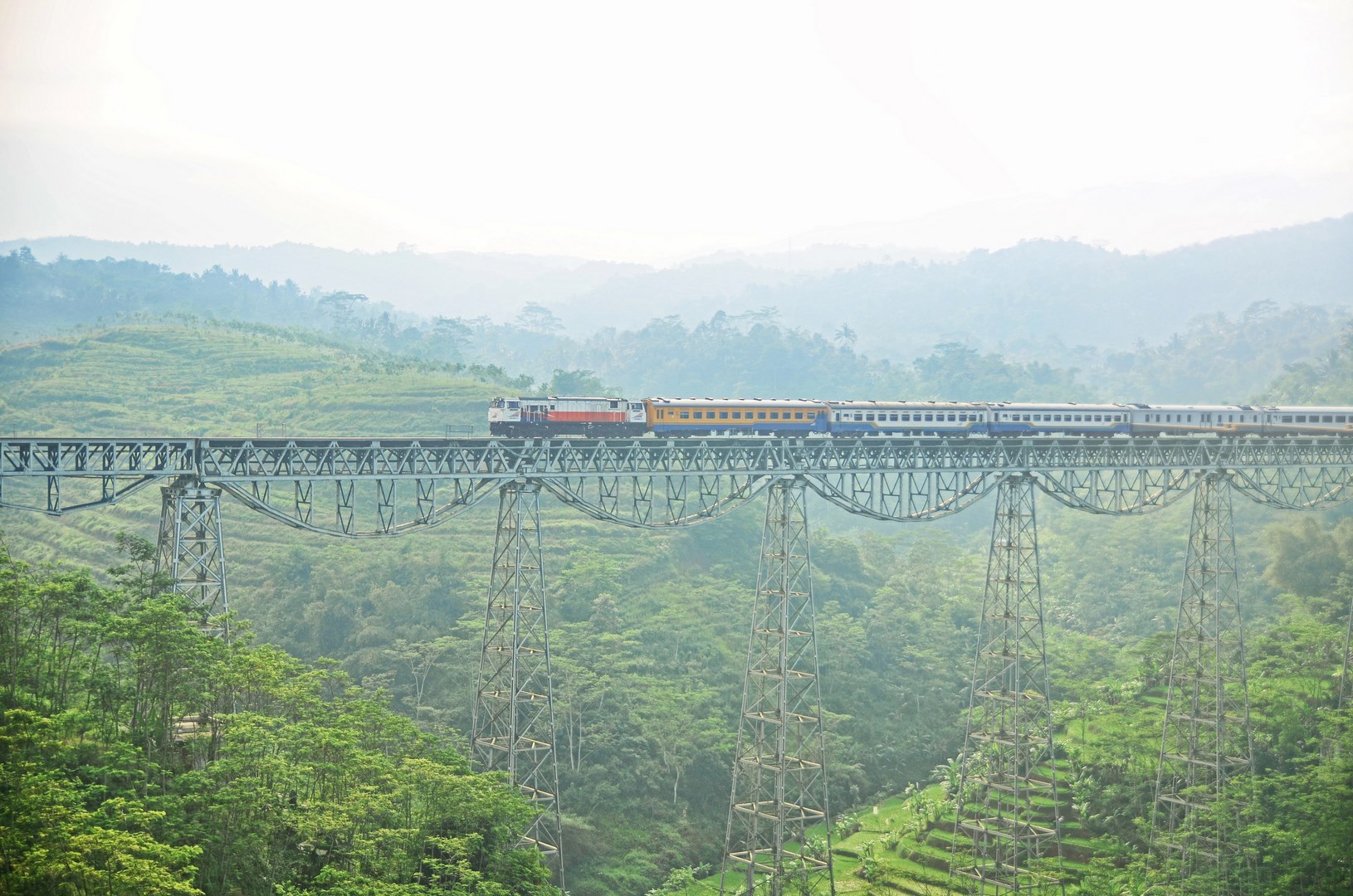
The regular train is also part of why Bandung can be an enjoyable overland stop. From Bandung, you can continue toward Yogyakarta through rice fields and hills on comfortable long-distance trains, including Panoramic Argo Parahyangan and Argo Wilis Panoramic on selected services.
For booking and station basics, see our guide to train travel in Indonesia.
By Bus or Shuttle
Buses and shuttles are common between Jakarta and Bandung and can be affordable, but traffic is the risk. The road journey takes around 2.5-3 hours and can be much longer on weekends. A common route is Kampung Rambutan Terminal in Jakarta to Leuwi Panjang Terminal in Bandung; from Leuwi Panjang, continue by Grab, Gojek or BRT.
Use this option if you are flexible with time or if the departure point works better for your location in Jakarta.
Backindo Tip: I would not take a bus from Yogyakarta to Bandung; the journey is too long. For a slower West Java route, start in Jakarta, add Bogor, then continue to Bandung.
By Plane
Flying to Bandung became more useful again in August 2026, when Husein Sastranegara Airport (BDO) inside Bandung resumed scheduled commercial flights. Garuda restarted the direct Bandung-Denpasar route on 14 August 2026, so Bali is now the most useful domestic flight connection to check if you want to arrive close to the city rather than travel overland from Jakarta.
Kertajati International Airport (KJT) is the alternative airport for West Java, around 1.5 hours by road from Bandung. Its official schedule includes direct domestic flights such as Bali, Medan, Banjarmasin, Makassar and Balikpapan, plus international services including Singapore and Kuala Lumpur on selected days.
It makes sense when one of those direct routes is materially better than a Jakarta connection. After landing, continue by DAMRI, airport shuttle or private transfer. Book the ground transfer before you fly, because Kertajati is not next to Bandung city.
By Private Driver
A private driver can make sense if you arrive at Soekarno-Hatta Airport with luggage, travel as a family or want door-to-door comfort.
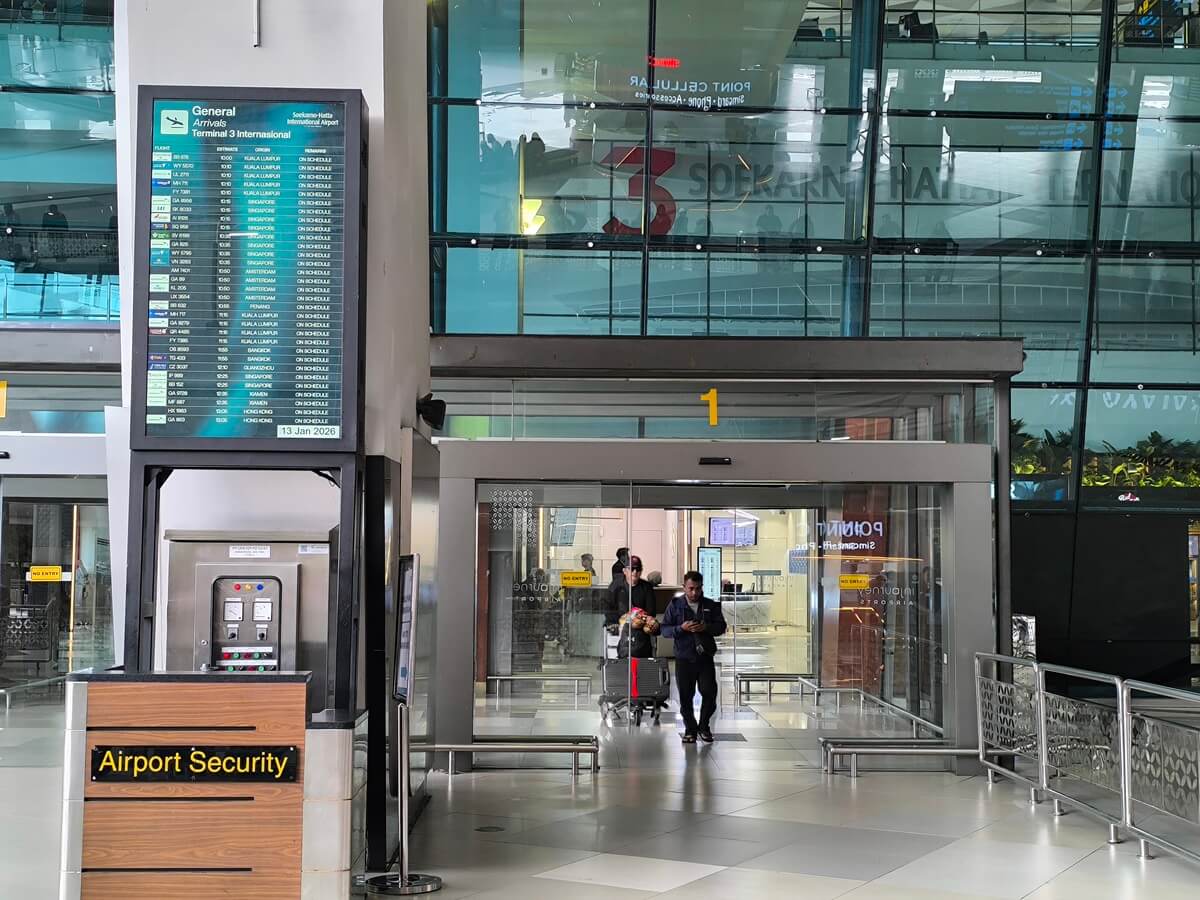
The drive normally takes around 3-5 hours depending on traffic. It is not the cheapest option, but it can be much easier than moving through Jakarta to reach a train station. It also gives you the option to turn the transfer into a slower route with stops in Bogor, Puncak or tea country, depending on timing.
If you need a reliable driver for the Jakarta-Bandung transfer or a Bandung day trip, email us at hello@backindo.com and we can share a contact we trust.
Getting Around Bandung
Inside Bandung, Grab and Gojek are the easiest options for foreign travelers. You can also use angkot, local buses and Bandros tourist buses, but they are less practical if you have limited time or do not know the city. Trans Metro Bandung and Trans Metro Pasundan fares are around IDR 4,000-5,000.
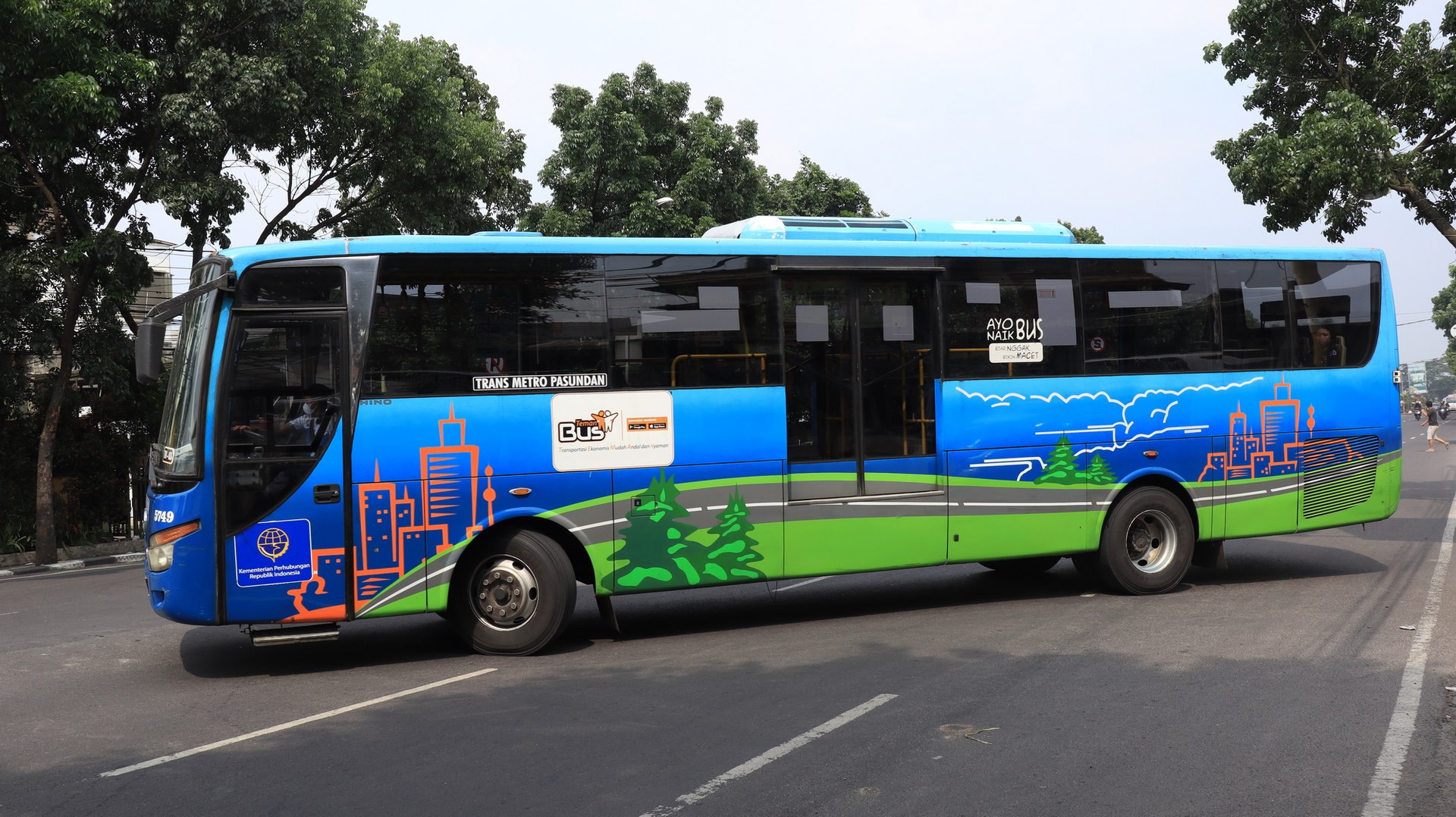
Angkot is cheap, but routes can be hard to follow without Indonesian. Remember to say kiri (left) when you want to get off. Bandros is a colorful sightseeing bus around Braga, Alun-Alun and other central sights rather than everyday transport.
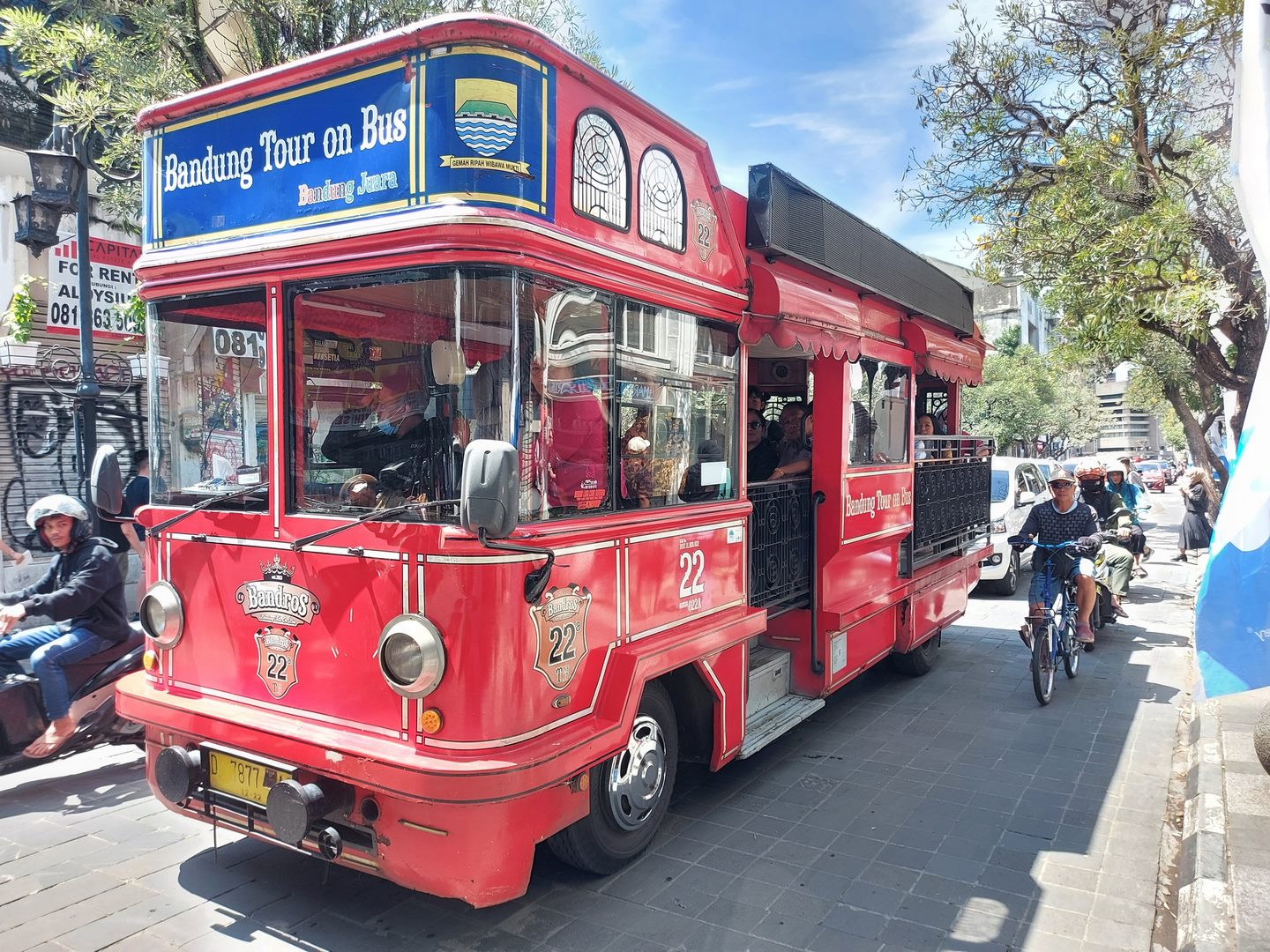
This is one of the most important planning points for Bandung: the attractions look close to the city on a map, but travel time is the main challenge. Also, getting there is usually not an issue; the problem arises when you want to get back to Bandung.
Where to Stay in Bandung
If you want history, Braga, Asia Africa Street, restaurants and easy city walking, stay around Braga, Asia Africa Street or the city center. Sumurbandung is handy for Gedung Sate and central sights. In this area, consider Buminakura Hotel or Dafam Rio; around Braga and Asia Africa, look at Savoy Homann Hotel, De Braga ARTOTEL Curated, Favehotel Braga and Holiday Inn Bandung.
If you want easier access to Lembang or North Bandung, Pasteur or northern Bandung can make sense, especially if you will use a driver.
Stay in Lembang only when you are deliberately building the trip around the highlands. Jayagiri Guesthouse, Osmond Villa Resort and Sari Ater Hotel and Resort are options; Sari Ater has hot-spring pools and on-site attractions. Lembang is less convenient for a city-focused Bandung stay.
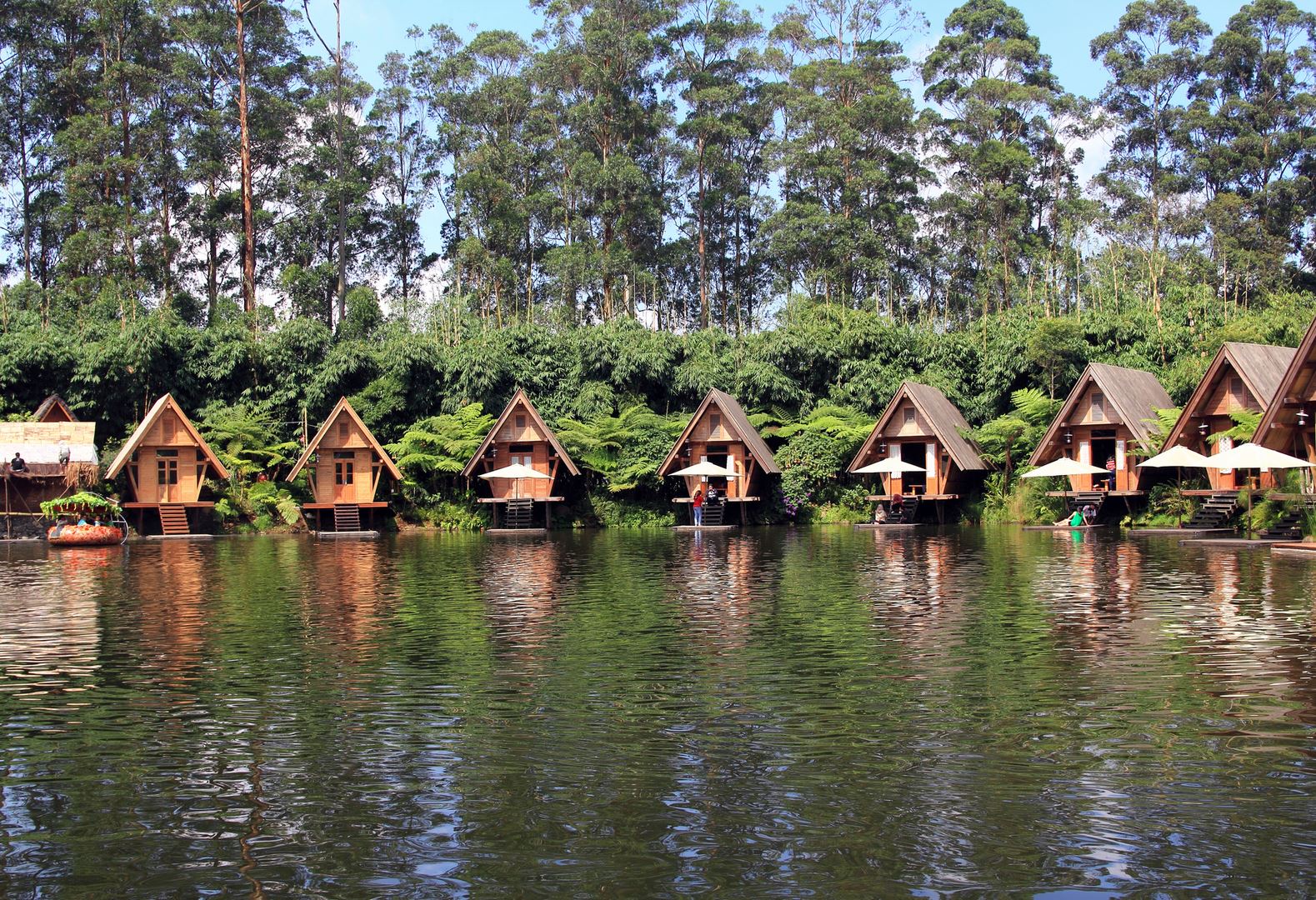
If you are traveling as a family or group, apartment-style accommodation can be more practical than standard hotel rooms. We stayed at Cottonwood Japandi Apartment at Majesty 1222 as a group of 5 adults and 2 children. That kind of setup worked well when we needed shared space and easier logistics.
Location matters more than it looks on a map: traffic and one-way streets can make a short distance frustrating. We also stayed in Cihampelas for a wedding, where the hotel was fine and had a minimarket downstairs, but finding a proper breakfast or lunch nearby was less easy than expected with a small child. Choose somewhere near food, cafes or places you will actually visit.
For a full breakdown of areas and hotel options, use our Bandung accommodation guide.
Where to Go Next After Bandung
Bandung is a practical base for onward travel through Java.
The easiest option is to continue by train toward Yogyakarta. This is comfortable and straightforward, with several departures a day and a journey of roughly 6-8 hours depending on the train. Executive, luxury and some panoramic services make this leg a travel experience in its own right.
With more time, continue through West Java. From Bandung, you can travel toward Kampung Naga, a traditional Sundanese village, and then continue to Pangandaran or Batu Karas for beaches, surfing, Green Canyon and a more local coastal atmosphere.
We continued from Bandung to Pangandaran and had a lovely time around Batu Karas and Madasari Beach; that route is a good reason to use Bandung as part of a wider West Java journey.
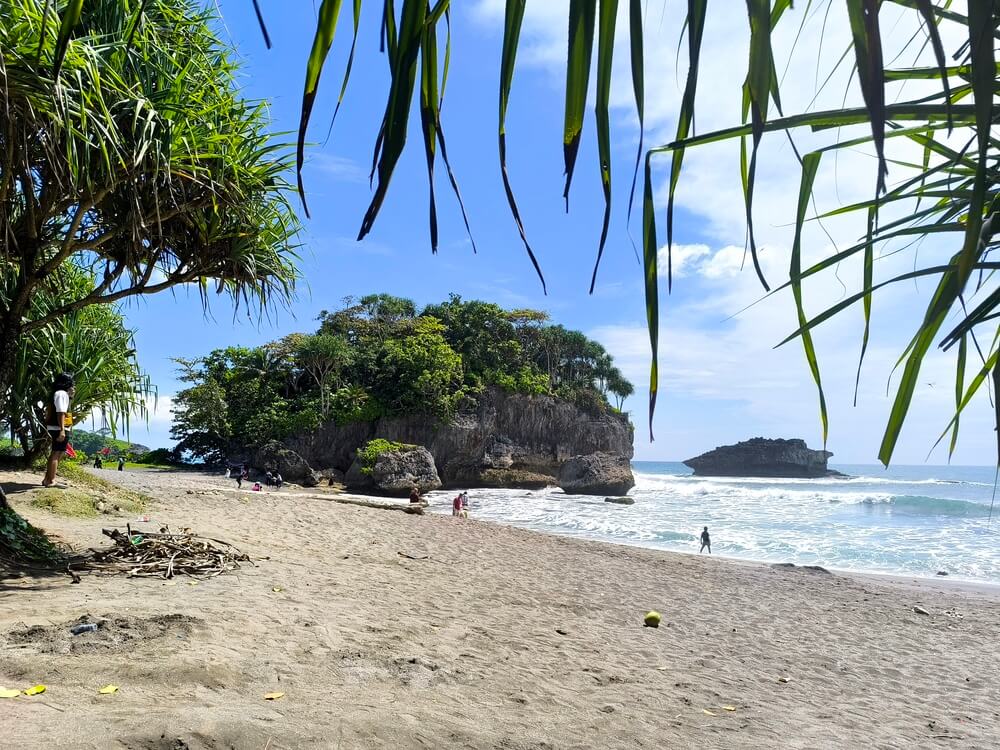
The train from Bandung goes to Banjar, not to Pangandaran itself. Bandung-Banjar takes around 4-4.5 hours, then allow roughly another 2 hours by car, bus or local transport to Pangandaran. If available, the KA Pangandaran Panoramic train is a good-value scenic option, but seats can sell out.
Even Purwokerto is worth the detour for Baturraden, local food, village areas and a slower side of Central Java. But the main Bandung-Yogyakarta trains stop at Kroya, not Purwokerto itself, so get off at Kroya and continue onward to Purwokerto.
The slower and most basic of all the Javanese trains, the Serayu, is the exception: it runs from Bandung/Kiaracondong to Purwokerto. But it is one of the trains I would never recommend.
Overall, Bandung is a practical starting point for a slower Java route through Kampung Naga, Pangandaran, Purwokerto and Dieng before Yogyakarta.
Plan the onward journey with our guides to Kampung Naga, Pangandaran, Batu Karas, Green Canyon and Yogyakarta. For help connecting a wider Java route, email us at hello@backindo.com; we can share reliable contacts in Bandung, Pangandaran, Purwokerto and elsewhere in Java.
Is Bandung Worth Visiting?
Bandung is worth visiting when you have enough time to combine the city with the surrounding highlands. It is a strong stop if you want culture, Dutch colonial history, Sundanese music, food, cooler air and access to West Java nature.
The key is not to underestimate the distances. Bandung’s nature spots need time, and the best day trips start early. If you plan it well, Bandung can be a comfortable bridge between Jakarta and the rest of Java, especially if you continue toward Kampung Naga, Pangandaran or Yogyakarta by train.
For most travelers, the best plan is simple: spend one day in the city, one day in the surrounding highlands and one extra day if you want the trip to feel relaxed.
Read More: Bandung and West Java
- Dutch History of Bandung for the city’s colonial buildings, routes and context.
- Where to Stay in Bandung for area-by-area accommodation advice.
- Kawah Putih Guide for the South Bandung volcano and the Bandung’s most famous landmark.
- Tangkuban Perahu Guide for the North Bandung volcano route.
- Best Tea Plantations Around Bandung for Ciwidey, Rancabali and the surrounding highlands.
- Kampung Naga for a worthwhile stop on a slower West Java route.
- Pangandaran Travel Guide if you are continuing toward the south coast.