
Borobudur Temple is the largest Buddhist temple in the world—and one of those places that actually lives up to the hype. Located in Central Java, it’s famous for its massive stone structure, intricate carvings, and peaceful atmosphere—especially in the early morning, when the temple is often wrapped in mist.

Borobudur is, together with Prambanan Temple, one of the most popular destinations in Java. Most people visit on a quick tour from Yogyakarta, but it’s just as possible to explore it independently—if you know how.
In this guide, we’ll show you exactly how to plan your visit: from booking tickets and choosing the right time slot to understanding the latest entry rules and avoiding the crowds.
We’ve visited Borobudur multiple times over the years, most recently in 2025, so this guide combines our own experience with the latest official updates.
Why Visit Borobudur Temple
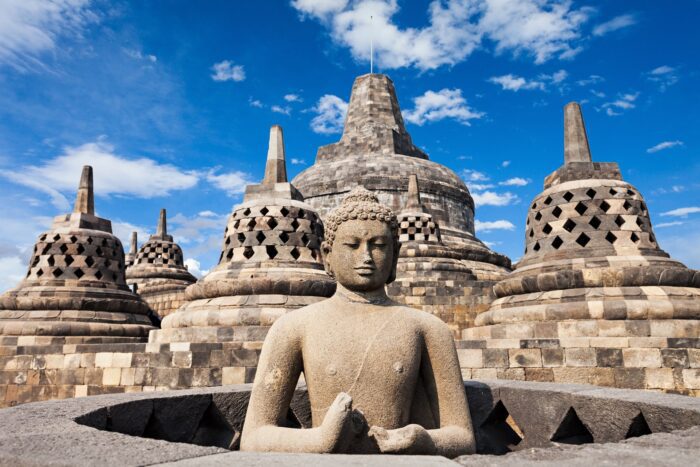
Borobudur Temple stands out not just for its size, but for its history and context. Built in the 8th–9th century (around 750 AD), the temple took an estimated 75 years to complete. Today, it rises about 35 meters high and covers a massive stone structure made up of terraces filled with stupas and Buddha statues—giving you an idea of just how ambitious the project was at the time.
But what makes Borobudur even more interesting is what happened after. The temple was abandoned, buried under volcanic ash and jungle, and remained hidden for centuries before being rediscovered in the 19th century. The fact that it survived at all—and in such detail—is part of what makes visiting it so special.

There’s also a strong cultural contrast. Java is now predominantly Muslim, yet Borobudur remains one of the most important Buddhist monuments in the world. Visiting it today gives you a real sense of how different religions and cultures have shaped the island over time.
Architecturally, it’s not a typical temple you enter—you walk your way up through nine levels, passing thousands of detailed reliefs that tell stories from Buddhist teachings. At the top, you’re surrounded by stupas with Buddha statues inside, which have become one of the most iconic symbols of Indonesia.
So it’s this combination—scale, lost history, cultural contrast, and unique design—that makes Borobudur one of the most fascinating places to visit in Java.
What to Do and See at Borobudur
Before planning what to do at Borobudur Temple, it’s important to understand how access has changed in recent years.
For a long time, visitors could freely walk up the temple. That changed after COVID, when the site reopened in 2021 with restrictions, including limits on entering the structure. Between 2022 and 2024, access to the upper levels was heavily restricted or temporarily not allowed at all, mainly to protect the ancient stone and reduce overtourism.
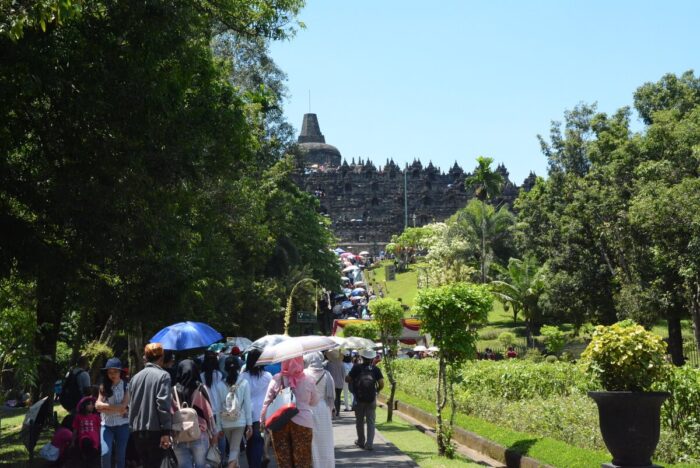
Today, the temple is open again—but in a much more controlled way. You can only climb the structure with a specific ticket and time slot, and daily visitor numbers are limited (around 1,200 people per day) to preserve the monument.
There are now two main ticket types:
- Ground ticket → access to the temple area only
- Structure ticket → allows you to climb the temple (with a guide, fixed time slot)
On top of that, there are also special sunrise and sunset tickets, which are even more limited and need to be booked in advance.
We’ll break all of this down in detail in the ticket section—but it’s important to know upfront, because it directly affects what you can actually do during your visit.
If you’re into history and how different religions shaped Java, you’ll love our guide to The Best Temples to Visit in Java.
Sunrise at Borobudur
If you want to experience Borobudur Temple at its most peaceful, sunrise is the way to go. After being closed for several years, the official sunrise Borobudur experience reopened in 2025, now with strict limits. You’ll need to book in advance, as only about 100 people per day are allowed in. Entry starts early—around 4:00 AM—but it’s recommended to arrive even earlier.
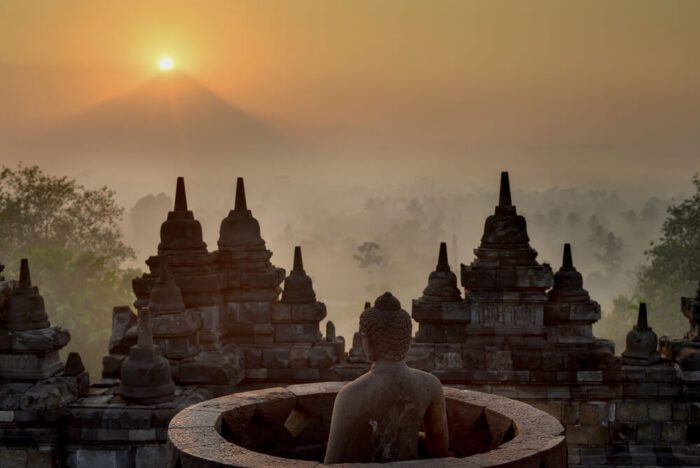
The ticket costs IDR 1,000,000 (USD ~65) and includes early access to the temple, a guide, flashlight, special sandals, and even breakfast at Manohara Resort afterwards.
That said, it’s not a guaranteed magical sunrise—especially during the rainy season, when fog is very common. But even then, being on the temple that early is a pretty special experience.
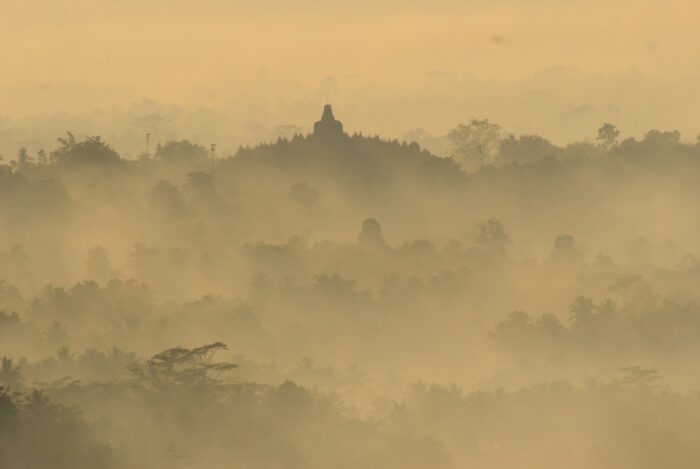
Backindo Tip: Alternatively, you can watch the sunrise from nearby viewpoints like Punthuk Setumbu or Bukit Rhema. You’ll see Borobudur from a distance, often surrounded by mist—and then head to the temple once it opens.
Sunset at Borobudur
While the sunrise experience returned in 2025, the official sunset Borobudur experience was only introduced in 2026, offering a more relaxed alternative.
Entry usually starts in the late afternoon (at 4:00 PM), and again, visitor numbers are strictly limited (around 100 people per day), so booking in advance is essential.
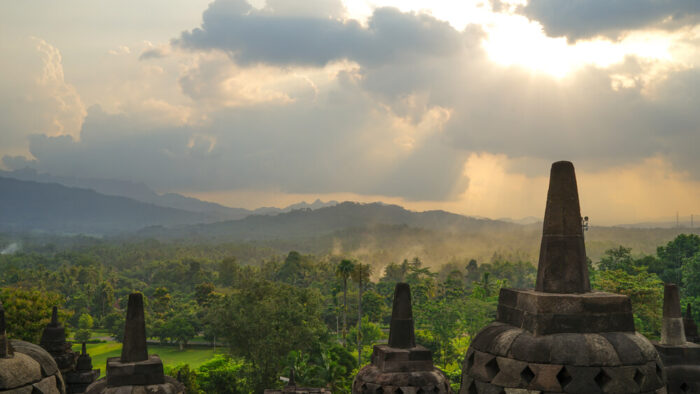
The price for international visitors is IDR 1,000,000 (USD ~65)—the same as the sunrise experience—and it includes pretty much the same package:
- access to the temple structure
- mandatory guide
- flashlight (if needed)
- special temple sandals (upanat)
- meal (dinner instead of breakfast)
That said, just like in the morning, weather plays a big role—and we wouldn’t recommend it during the rainy season, as rain usually starts in the late afternoon.
Backindo Tip: You’ll see plenty of “sunrise/sunset” packages, but most just include transport—the tickets are usually not part of it. And honestly, you’ll probably need a private driver anyway unless you’re staying right next to Borobudur.
Climb Borobudur (Structure Ticket)
If you’re not doing sunrise or sunset, this is the main way to properly experience Borobudur Temple. With a structure ticket, you can climb all the way up the temple—not just walk around it—but access is now strictly controlled.
You need to book a specific time slot in advance, and entry is organized in small groups with a mandatory guide. Daily capacity is limited (around 1,200 visitors per day), and the ticket costs roughly IDR 455,000 (USD ~30) for international visitors.
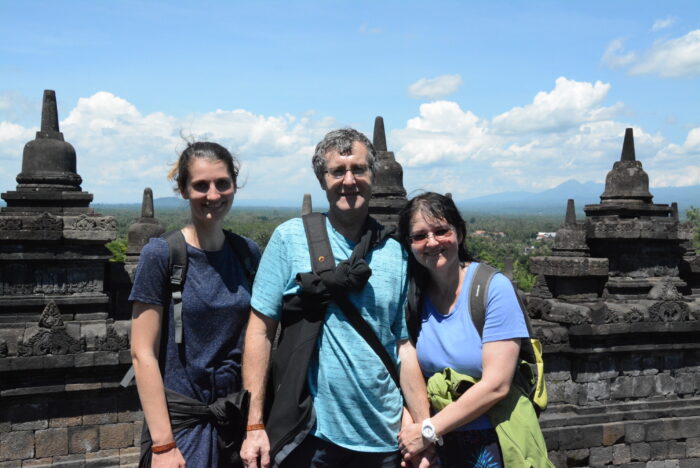
The price includes access to the structure, a guide, and special temple sandals (upanat). Once inside, you’ll follow a set route through the different levels, passing the detailed reliefs and eventually reaching the top with the iconic stupas. The whole experience usually takes around 1 to 1.5 hours.
Explore the Temple Grounds (Ground Ticket)
The ground (courtyard) ticket gives you access to the area around Borobudur Temple, but not to the structure itself. You can walk around the temple, see it from different angles, and explore the surrounding park—but you won’t be able to climb up.
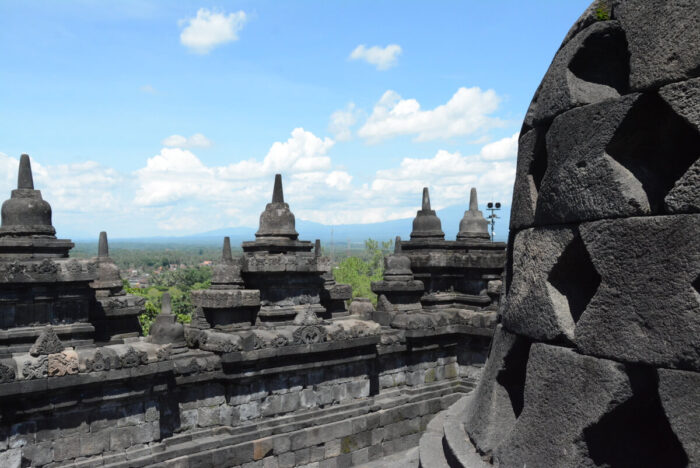
For international visitors, the price is around IDR 400,000–420,000 (USD ~25–27). This ticket is also currently not available online on the official website (for foreign visitors). In most cases, you need to buy it directly at the venue or via agents.
That said, we wouldn’t really recommend this option unless structure tickets are sold out. The price difference is minimal, but the experience is completely different—you’re basically just viewing the temple from the outside.
Where Is Borobudur Temple
Many travelers assume that, just like Prambanan Temple, Borobudur Temple is located in Yogyakarta. That’s not entirely true.
Borobudur is about 40 km northwest of Yogyakarta, which means roughly 1–1.5 hours by car. So while it’s often visited as a day trip, it’s definitely not right next to the city.
In reality, it’s much closer to Magelang, just a short drive away. This can make a big difference—especially if you’re planning an early morning visit.
Backindo Tip: Magelang is a great base not just for Borobudur, but also for exploring nearby places like Gedong Songo Temple, Nepal van Java and other less-visited spots in Central Java. Check our detailed guide Magelang: What to Do, See & Hidden Gems.
How to Get to Borobudur Temple
Getting to Borobudur Temple is relatively straightforward, but it does require a bit of planning. The temple is about 1–1.5 hours from Yogyakarta, and public transport options are limited—especially if you’re planning a sunrise or sunset visit.
In most cases, you’ll end up choosing between a private driver, tour, or renting your own vehicle.
With a Private Driver
Hiring a private driver is the easiest and most flexible way to get to Borobudur Temple—especially if you’re traveling as a couple or in a small group. The drive from Yogyakarta takes about 1–1.5 hours, and having your own driver means you can leave whenever you want, whether it’s early for sunrise or later in the day.

It also gives you the flexibility to combine Borobudur with nearby spots like Bukit Rhema (the “chicken church”), Mendut Temple, or viewpoints around the area—without having to think about transport or getting back. It’s also worth knowing that Borobudur lies on the way to the Dieng Plateau, so if you’re planning to continue there, you can easily combine both in one trip with the same driver.
There’s actually quite a lot to see in the area, so this option makes it much easier to explore more than just Borobudur.
Looking for a reliable driver? Send us a message at hello@backindo.com and we’ll share contacts we personally trust.
Organized Day Tours
If you don’t want to deal with logistics, joining an organized tour is an easy way to visit Borobudur Temple—especially if you’re short on time or traveling solo. Most tours run from Yogyakarta and include transport, sometimes a guide, and a set itinerary for the day.
You’ll find options for sunrise, sunset, or regular daytime visits, often combined with stops at viewpoints like Punthuk Setumbu or Bukit Rhema. Some tours also include nearby temples or other attractions along the way.
That said, most of these tours only include transport and basic guiding—the actual entrance tickets (especially structure, sunrise, or sunset) are often not included, so make sure to check what you’re paying for.
The main downside is the fixed schedule, which means less flexibility compared to having your own driver. But if you want a simple, no-planning option, it works well.
Backindo Tip: You can book tours through your accommodation, but we usually prefer checking platforms like GetYourGuide to compare reviews and choose something that actually fits your style.
Public Transportation to Borobudur
Getting to Borobudur Temple by public transport is possible, but it’s not the most convenient option. The best-known option is the DAMRI shuttle bus from Yogyakarta (KM 0 / Bank Indonesia area), which takes about 1.5–2 hours and costs roughly IDR 20,000–50,000 (USD ~1–3). That said, DAMRI is known for changing routes and schedules, so it’s important to double-check the latest info before your trip.
As of May 2026, there are also other shuttle companies operating on this route. However, none of them go all the way to the temple entrance—DAMRI gets the closest, but even then you’ll usually need to take a short ojek (motorbike taxi) or hop on a local angkot for the final stretch. Pickup and drop-off points also vary between companies, which can make things a bit confusing if you’re not familiar with the area.
Getting back requires some planning too. Return connections are limited, so if you’re using public transport, don’t plan a late afternoon visit—you’ll likely miss the last bus back to Yogyakarta. It’s much safer to go early and keep an eye on departure times.
Backindo Tip: If you go by public transport, getting to nearby spots like Mendut Temple or Bukit Rhema can be quite difficult. It’s the cheapest option, but also the least flexible.
Grab / Gojek
Another option is using Grab or Gojek—the two main ride-hailing apps in Indonesia (basically the local version of Uber). You can book a car or motorbike directly through the app, and getting to Borobudur Temple this way is usually easy, with one-way rides from Yogyakarta costing around IDR 200,000–300,000 (USD ~13–20).
The bigger issue is the way back. Cars are much harder to find around Borobudur—especially later in the day—and prices can go up quickly. You might end up waiting a while or needing to arrange something locally.
Rent a Motorbike
For more independence, you can also rent a motorbike. In Yogyakarta, rentals are easy to find and usually cost around IDR 70,000–120,000 (USD ~4–8) per day, with the ride to Borobudur Temple taking about 1–1.5 hours. The road itself is in very good condition, and once you leave the city, it turns into a scenic and fairly straightforward drive through the countryside.
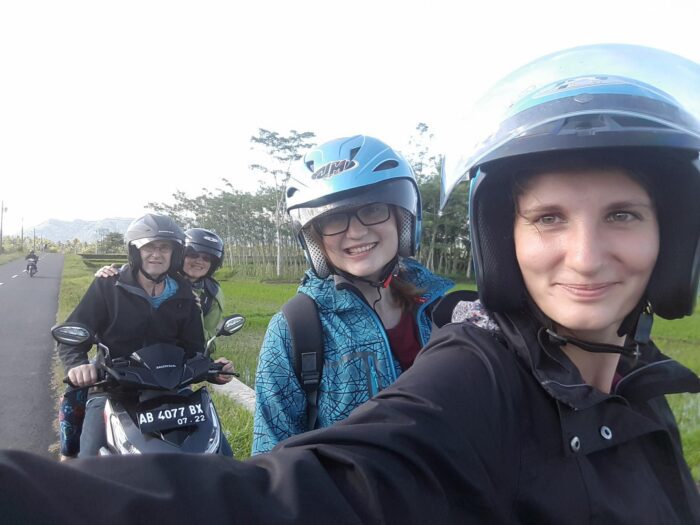
That said, we wouldn’t recommend this option if you’re not an experienced rider. Traffic when leaving Yogyakarta can be busy and unpredictable, and riding in Indonesia can feel overwhelming if you’re not used to it.
Backindo Tip: Only rent a motorbike if you’re comfortable riding in this kind of traffic—and make sure you have a valid motorbike license and an international driving permit, otherwise your insurance may not cover you. Learn more in Riding a Motorbike in Indonesia as a Tourist.
Practical Information
Before you go, here are a few things you should know:
Entrance Fee (Foreign Visitors)
Borobudur Temple currently offers several ticket types, but as mentioned above, the key difference is between ground access and tickets that allow you to climb the structure.
Current prices for international visitors:
- Ground (courtyard) ticket: ~IDR 400,000 (USD ~25)
- Structure ticket (includes ground access): ~IDR 455,000 (USD ~30)
- Sunrise / Sunset experience: ~IDR 1,000,000 (USD ~65)
There are also discounted tickets for kids aged 3–10, while anyone 10+ pays the full price.
Backindo Tip: If you’re planning to climb the temple, we’d definitely recommend booking your ticket online in advance. There’s a daily limit on how many people can go up, and tickets do sell out—especially on weekends.
The best place to book is the official website https://ticket.borobudurpark.com/en/, where you can also reserve the sunrise and sunset experiences. Platforms like Traveloka or GetYourGuide are a good backup.
One thing that’s a bit unclear right now: as of May 2026, ground tickets don’t really show up online for international visitors. They should still be available at the entrance, but honestly, with such a small price difference, we wouldn’t plan your visit around that.
Backindo Tip: When we visited Prambanan Temple in April 2026, we noticed combined tickets for both Prambanan and Borobudur Temple. Before buying, make sure to check the details carefully—it looked like they only included ground access at Borobudur, without entry to the upper levels.
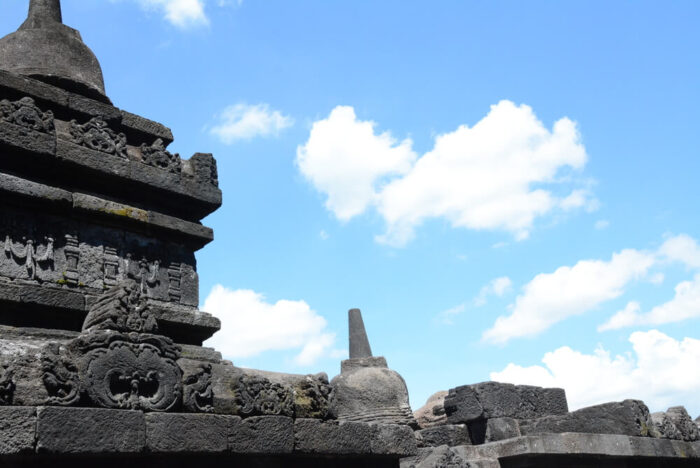
Opening Hours
Borobudur Temple is currently open daily from 08:00 to 16:00 (WIB) for regular visits.
If you’re planning to climb the temple with a structure ticket, entry is organized into specific time slots throughout the day (starting from around 08:30), and you’ll need to select one in advance when booking. The last entry for climbing is in the afternoon, and after 16:00, visitors are only allowed to access the ground area.
Special experiences run outside of these hours:
- Sunrise experience: starts around 04:00, with the actual sunrise visit on the temple between 05:00–07:00
- Sunset experience: starts around 16:00, with the main visit on the temple between 17:00–18:30
Both include additional time before and after for check-in, transfers, and meals.
Backindo Tip: Borobudur is open every day now, but Mondays used to be closed—so we’d still double-check before visiting.
How The Structure Ticket Works
Visiting the upper levels of Borobudur Temple is now a fully organized experience, not something you can explore freely like in the past.
Once you arrive, you’ll check in with your e-ticket and receive a wristband, which gives you access to the structure. From there, everything runs in time slots, and visitors are divided into small groups of around 15–20 people.
Each group has its own local guide (Pamong Carita), who leads you through the temple and explains the history along the way. The tours are hold in English or Indonesian, and you’ll follow a fixed route from the east gate up to the top terraces, before exiting on the other side.
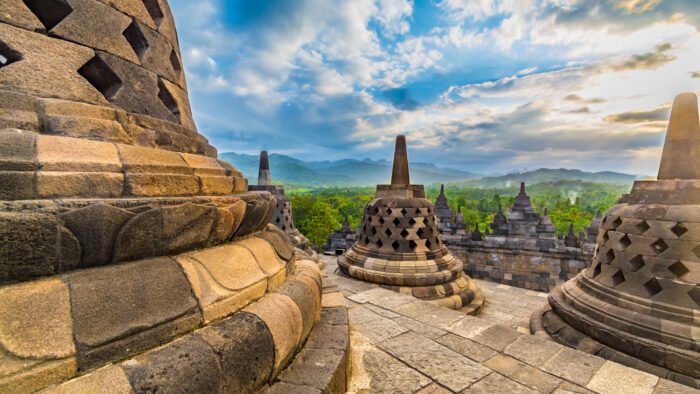
Before entering, you’ll also receive special temple sandals (called upanat), which you have to wear while walking on the structure. You’ll keep them on for the entire visit—and yes, you can take them home afterwards.
So during the visit, you’ll need to:
- follow your guide and the set route
- stay within the allowed areas (up to the top levels)
- respect the rules (no food, no drones, no touching the reliefs, etc.)
The whole experience feels quite structured, but it also means the temple is much better protected—and you get a bit more context thanks to the guide.
Backindo Tip: If you prefer more privacy, you can also request a private guide for your group (for an extra fee of IDR 200,000 (~USD 13) per group)—otherwise you’ll be paired with other visitors.
How the Sunrise Ticket Works
The sunrise experience at Borobudur Temple starts early at the Manohara Borobudur Cultural Center (Gate 7). You’ll need to arrive around 04:00–04:30 AM for check-in, where you’ll receive a wristband, flashlight, and special temple sandals (upanat) before heading towards the temple.
From there, you’ll make your way up in the dark, reaching the upper levels just in time for sunrise. The main part of the experience usually takes place between 05:00 and 07:00, when the light slowly reveals the surrounding landscape.
Afterwards, you’ll head back down and finish with breakfast at the Manohara area, which is included in the ticket.
How the Sunset Ticket Works
The sunset experience follows a similar flow, just later in the day.
You’ll arrive at the Manohara Borobudur Cultural Center (Gate 7) around 16:00, where you check in and receive your wristband and upanat sandals before heading towards the temple.
The main time on the structure is usually between 17:00 and 18:30, when the temple is bathed in warm evening light.
After the visit, you’ll return to the Manohara area, where dinner is included as part of the experience.
What to Wear at Borobudur
When visiting Borobudur Temple, it’s best to dress modestly and comfortably, as it’s both a cultural and religious site.
In practice, that means:
- covering your shoulders and knees
- avoiding overly revealing clothing
- choosing something light and breathable
You’ll also notice that many visitors wear white or light-colored outfits. This is actually recommended on-site—visitors are encouraged to wear “white or appropriate clothing.” Besides fitting the setting, lighter colors also reflect heat and work well in photos.
If you’re visiting for sunrise, it’s worth bringing a light jacket or layer, as it can feel surprisingly cool early in the morning. During the day, it gets hot quickly, so breathable fabrics are key.
If you’re going up the temple, you’ll be given special sandals (upanat), so your own footwear isn’t that important—just wear something easy to take off.
Best Time To Visit Borobudur
The best time to visit Borobudur Temple is early in the morning—ideally at sunrise or the first available time slot. It’s cooler, less crowded, and the light is much better.
Midday is the least ideal, as it gets very hot and busy, with little shade around the temple.
Afternoon can be a good alternative, but keep in mind that rain is more likely later in the day, especially during the rainy season.
Where to Stay Near Borobudur
There are plenty of places to stay around Borobudur Temple, from simple homestays to more upscale resorts. Staying nearby is a great option, especially if you’re planning a sunrise visit and don’t want to deal with an early drive from Yogyakarta.
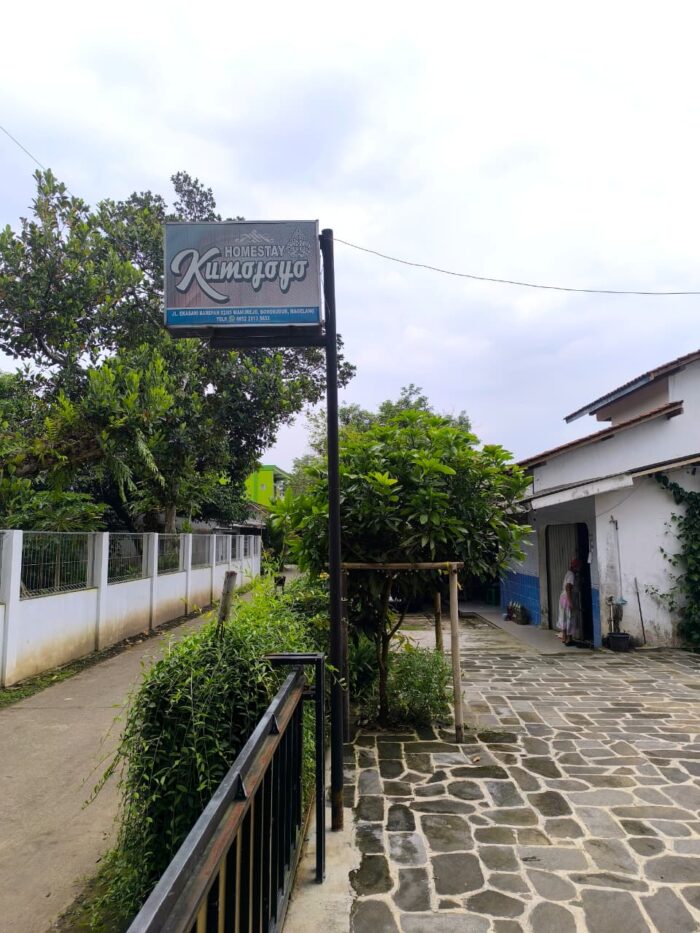
For budget-friendly stays, you’ll find plenty of small homestays and hostels like Kumojoyo Homestay, Saka Homestay, or Social Ducks Hostel. If you’re looking for something a bit more comfortable, places like Sarasvati Borobudur or Amata Borobudur Resort offer a nice balance between price and comfort.
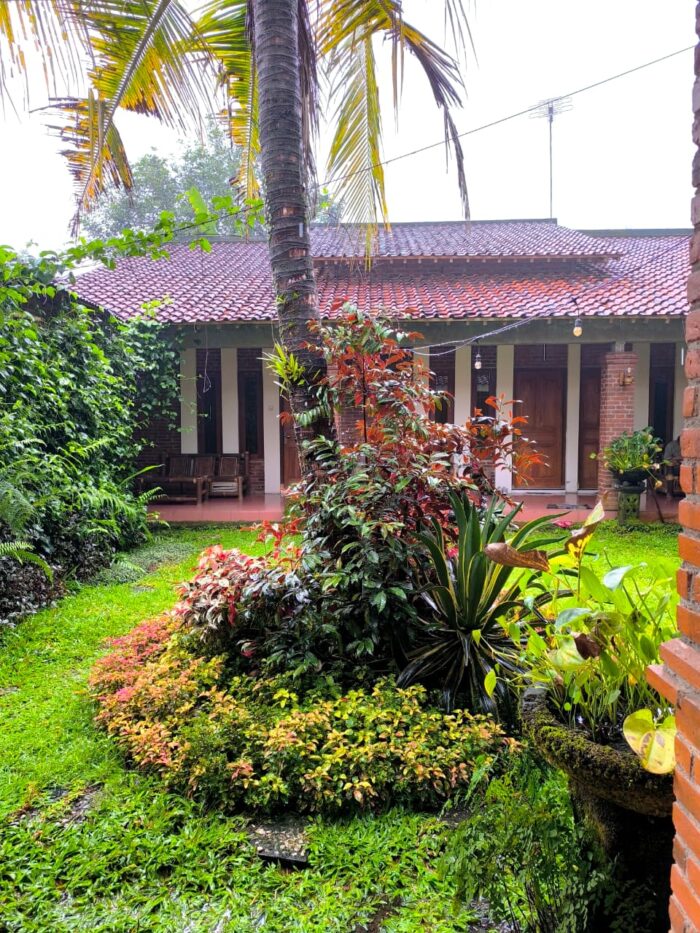
There are also a few higher-end options in the area, including Villa Borobudur Resort or Plataran Heritage Borobudur. If you want to stay as close as possible to the temple, Manohara Borobudur Cultural Center is the most practical choice.
For a quieter and more private stay, villas like Niti Bhumi or Nalendro Villa are also worth considering.
Vesak (Waisak) Celebration in Borobudur
Vesak Day, also known as Trisuci Waisak, is the most important Buddhist holiday, marking the birth, enlightenment, and death of Gautama Buddha.
In Indonesia, the main celebration takes place at Borobudur Temple—and it’s a completely different experience compared to a regular visit. The temple becomes the center of large ceremonies, attended by monks, pilgrims, and visitors from all over the country.
Throughout the day, there are prayers, rituals, and processions, and in the evening, the atmosphere shifts into something truly special. The highlight is the lantern release, when thousands of lanterns are released into the night sky—easily one of the most iconic moments at Borobudur.
The celebration usually takes place in May (for example, Vesak 2026 is expected on May 31).
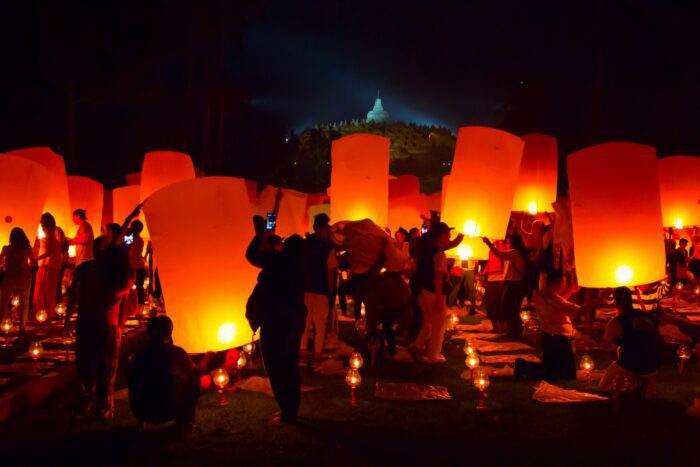
If you want to take part in the lantern release, keep in mind:
- tickets are typically sold via platforms like Tiket.com
- access is limited and ticketed
- the price is around IDR 1,750,000 (USD ~115)
- the latest information can be found at Borobudur Instagram
Interested in visiting Borobudur during Waisak? Read the full guide here How to Join Waisak at Borobudur in 2026.
Nearby Attractions to Borobudur Temple
Visiting Borobudur Temple is the main highlight—but there’s a lot more to see around than just the temple itself. The whole Magelang area is full of viewpoints, smaller temples, and local experiences that are worth adding to your itinerary.
Samudra Raksa Museum
Just a few steps from the Borobudur complex, the Samudra Raksa Museum invites you to explore the rich maritime heritage of Indonesia.
The main highlight is a full-size replica of the Samudraraksa ship, built based on the reliefs from Borobudur itself. It gives a pretty interesting insight into how advanced ancient trade routes in this region actually were.
The museum also features a 115-meter-long LED screen that displays an interactive video about Indonesia’s maritime history through engaging animated stories — especially fun if you’re visiting with children.
Entrance fees start from around IDR 25,000 (USD ~1.5), and sometimes combo tickets are available.
Yogyakarta is full of attractions you shouldn’t miss. Check out our recommendations in Yogyakarta: Most Popular Tourist Attractions and Practical Tips
Rhema Hill and the Gereja Merpati
Not far from Borobudur Temple lies Rhema Hill, a truly unique tourist destination. At the top of this hill stands a church shaped like a dove, although most people prefer to call it the Chicken Church.
The main highlight is the view from the top. To get there, you’ll walk through the inside of the building, climb a few staircases, squeeze through a narrow passage, and eventually reach the “head,” where you get 360° views over the surrounding jungle and hills.
You can also explore the interior, which includes a chapel, prayer rooms, and a small gallery with artworks and reliefs.
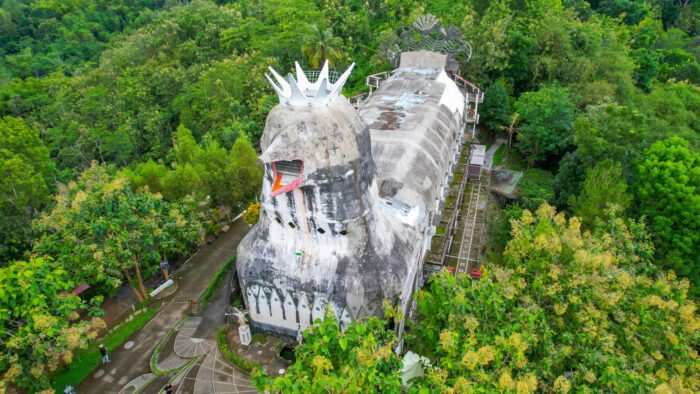
There’s also a small café behind the church if you want to take a break and enjoy the view a bit longer. And if you don’t plan to do sunrise at Borobudur itself, this is a great alternative spot for sunrise—with fewer crowds and a completely different perspective.
Looking for more information? Read Bukit Rhema Guide: Chicken Church Near Borobudur.
Touring the Village with a Vintage VW Safari
If you’re looking for something a bit different, you’ll probably come across the VW Safari tours around Borobudur Temple.
These are classic open-top Volkswagen cars that take you through nearby villages, rice fields, and small local workshops. Most tours last around 2–3 hours and include stops where you can see things like palm sugar production, small farms, or local crafts.
Prices usually start from around IDR 400,000–500,000 (USD ~25–35) per car (fits 4–5 people).
Rafting on the Elo River
If you’re looking for an adrenaline rush, try rafting on the Elo River. The Elo River is located near Muntilan, with the starting point close to Mendut Temple.
The experience is generally beginner-friendly, with relatively calm rapids and a steady flow, making it suitable even for those without prior rafting experience. The route passes through green countryside and jungle scenery, with a mix of relaxing sections and a few more dynamic parts along the way.
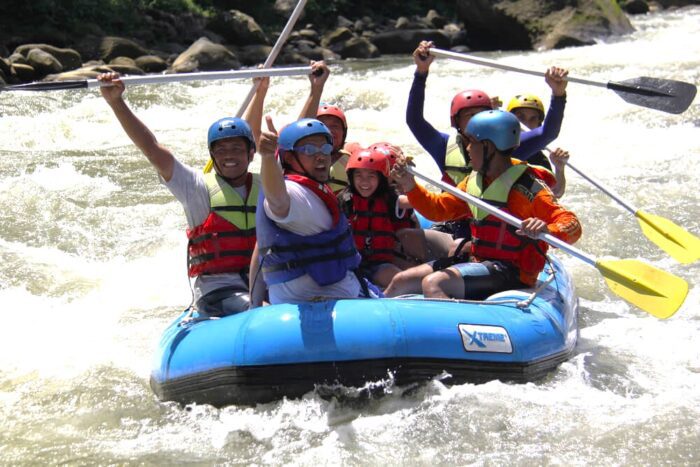
Overall, it’s more of a fun outdoor activity than an adrenaline-heavy experience. If you’re looking for something more intense, the nearby Progo River offers stronger rapids, but for most visitors, the Elo River is the more accessible choice.
Sunrise from Punthuk Setumbu Hill
Punthuk Setumbu is one of the most well-known viewpoints around Borobudur Temple, mainly visited for sunrise.
From here, you can see Borobudur in the distance, often with mist and volcanoes in the background. That said, the temple is relatively far away, so don’t expect a close-up view—you’re really here for the overall landscape rather than details.
The hike to the top takes around 10–15 minutes on a maintained path with steps. It’s not difficult, but it can be a bit slippery early in the morning.
As with most viewpoints in this area, the experience depends a lot on the weather. Some mornings are beautiful, while others can be completely covered in fog.
Exploring the Temples Around Borobudur
Borobudur Temple may be the main highlight, but it’s actually part of a wider network of temples in the area.
Just a short drive away, Mendut Temple stands out with its large seated Buddha statue and a more peaceful atmosphere compared to Borobudur. It’s still an active place of worship and feels noticeably less crowded.
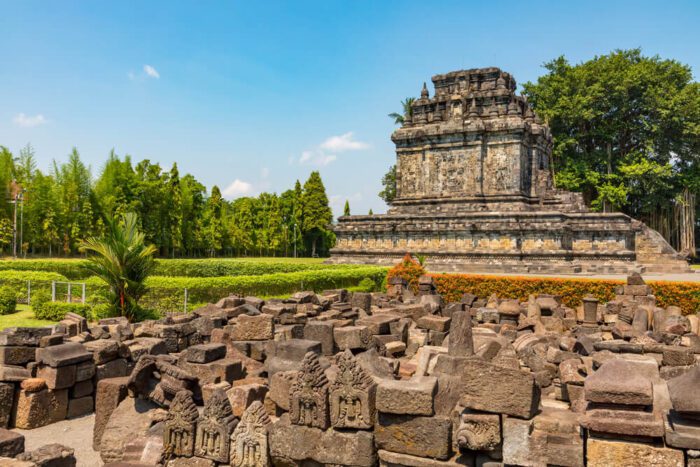
Not far from there, Pawon Temple is smaller but beautifully preserved, and it’s believed to have a symbolic connection to Borobudur itself.
As you move around the area, you’ll also come across smaller, lesser-known ruins scattered across villages and countryside. They’re easy to miss, but they add another layer to understanding the region’s history and how important this area once was.
Exploring Village Life Around Borobudur
Around Borobudur Temple, you’ll find plenty of small villages, rice fields, and quiet roads that most visitors never really explore.
Walking or driving through this area gives you a glimpse of local life—far from the crowds around the temple.
Backindo Tip: A friend of ours is a local guide around Borobudur and also lives in one of the nearby villages. He organizes small, more personal village tours. If you’re interested, feel free to message us at hello@backindo.com and we’ll happily share his contact.
Is Borobudur Worth a Visit?
Yes—without a doubt. Borobudur Temple is one of the most impressive places to visit in Indonesia, and easily one of the highlights of Java. The entrance fee might feel high compared to other attractions around Yogyakarta, but the experience is on a completely different level.
It’s not just the temple itself—the scale, the details, and the surrounding landscape all come together to create something quite unique.
That said, it’s worth planning your visit properly. Choosing the right ticket, time of day, and how you get there can make a big difference in how much you enjoy it.
If you do it right, Borobudur is absolutely worth it.
Planning to visit Borobudur Temple and explore Yogyakarta? Feel free to reach out to us at hello@backindo.com— we’d be happy to recommend trustworthy local guides. We had a great time exploring Magelang including the café below.