
South Sulawesi covers the southwestern part of Sulawesi and is roughly the size of Estonia. It is one of the easiest parts of the island to enter, thanks to Sultan Hasanuddin International Airport near Makassar, but many visitors still use it only as a gateway to Tana Toraja.
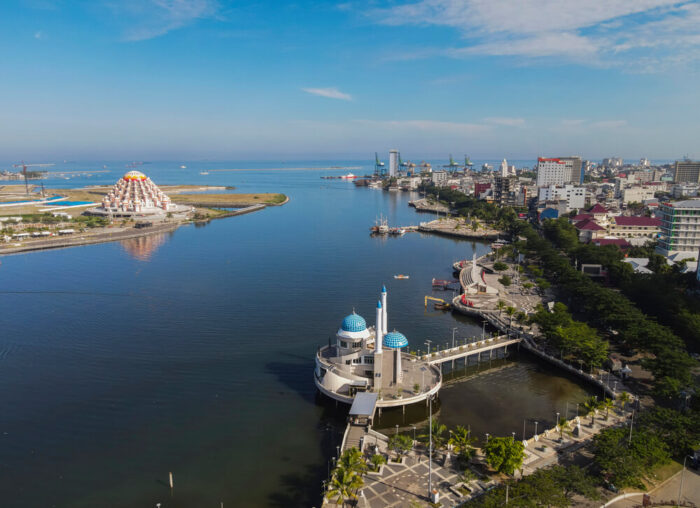
That is a shame, because the province has much more than one famous highland region. South Sulawesi has busy port cities, karst landscapes, cave art, mountain villages, lakes, quiet beaches and a strong maritime culture. Once you leave Makassar and the Rantepao area, you are also unlikely to meet many other foreign travelers.
This guide gives you a practical overview of where to go, what to expect and how to plan a route through South Sulawesi.
Why Visit South Sulawesi
South Sulawesi is a good choice if you want a trip that combines culture, nature and long overland travel. The province is large, so it works best for travelers who have enough time and do not mind slow transfers between regions.
The area is traditionally associated with the Bugis people, who have long been known as traders and seafarers. Their maritime heritage is still visible in the wooden phinisi boats built around Bira and used across Indonesia.
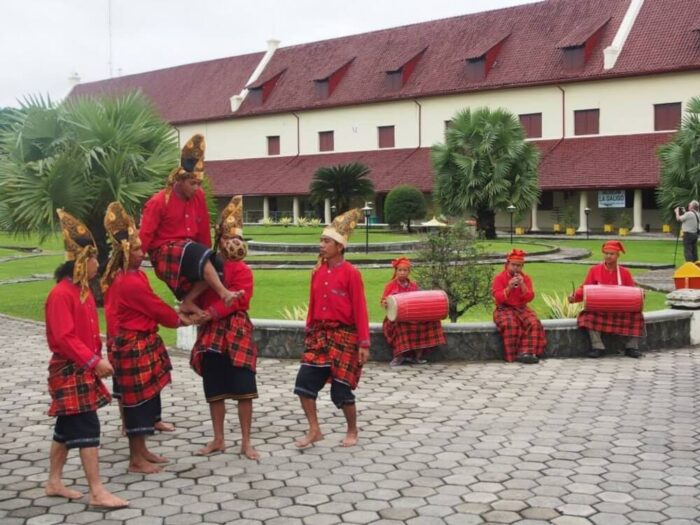
The main reason to come here is variety. In one trip, you can visit Makassar, continue to the highlands of Tana Toraja, stop at Lake Tempe, see traditional silk weaving in Sengkang, head to the beaches around Bira or go farther east to the deep lakes of Matano and Towuti.
Best Places to Visit in South Sulawesi
Makassar
Makassar is the provincial capital and the biggest city on Sulawesi. For most travelers, it is the main entry point to South Sulawesi and the place where long-distance routes across the province begin.
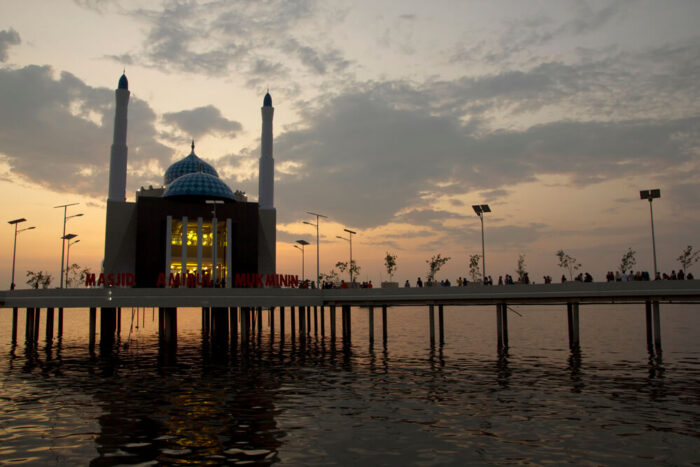
The city is best known for Fort Rotterdam, Losari Beach and its port area, where you can still see traditional wooden boats and the everyday work of the harbor. Makassar is also a useful place to sort out SIM cards, onward transport, cash, laundry and anything else you may need before heading into more remote parts of Sulawesi.
If you are planning a short stay in the city, read our separate guide to What to Do in Makassar, Sulawesi: Complete Travel Guide.
Tana Toraja
Tana Toraja is the best-known destination in South Sulawesi. The region is famous for its funeral traditions, tongkonan houses and mountain scenery around Rantepao.
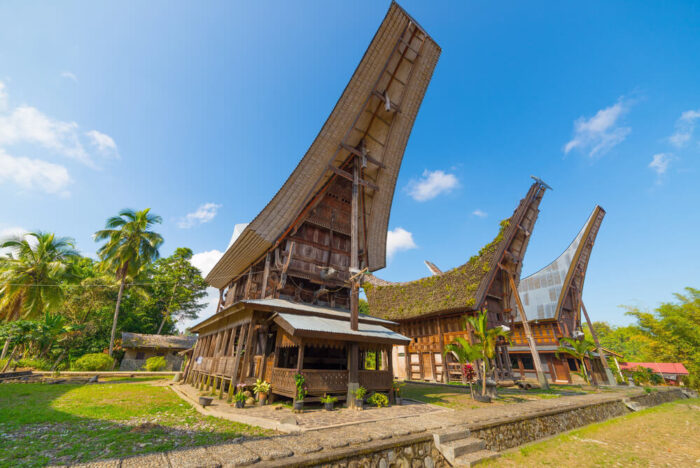
It is a culturally rich area, but it is important to approach it respectfully. Funerals and ceremonies are not performances for tourists. If you visit with a guide, follow local etiquette, dress modestly, ask before taking photos and be prepared for animal sacrifices if you attend a funeral ceremony.
For more detail, see our full Tana Toraja Guide: Villages, Funerals & Travel Tips.
Lake Tempe
Lake Tempe is one of the best-known lakes in Sulawesi. Its main draw is the community of floating houses, where local fishing families still live and work.
Most visits involve a small boat trip through the lake, often in a narrow local boat with outriggers. Along the way, you can see fishermen, fish traps and simple floating homes that move slowly with the wind and current. Some families welcome visitors for coffee, but this should be treated as a respectful visit to someone’s home, not as a staged attraction.
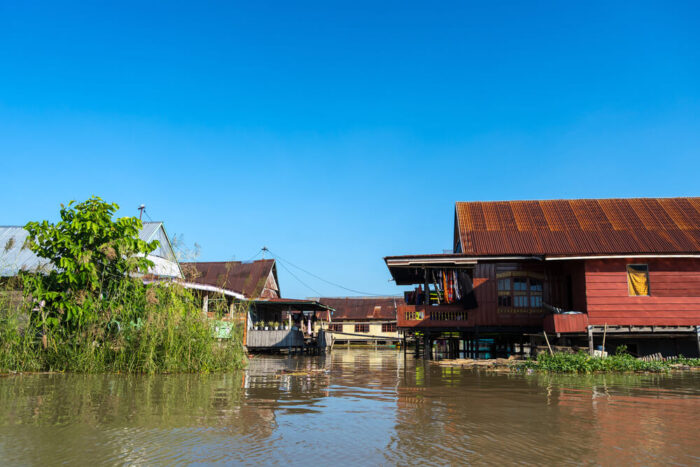
Life on the lake is very simple. Meals are usually based on freshwater fish, rice and other basic ingredients available around the area.
Sengkang and Bugis Silk Weaving
Sengkang is the most common base for visiting Lake Tempe. It is also known for Bugis silk textiles, locally called kain sutra Bugis. These are fine woven fabrics with colorful geometric patterns.
Around Sengkang, you can visit family-run weaving workshops and see how the fabrics are made. Pakkanna and Sabbangparu are among the better-known weaving villages, and finished textiles can often be bought directly from local producers.
You can also find Bugis silk at Pasar Sentral Sengkang, where the selection is usually wider. Check quality carefully before buying, especially if the price seems unusually low.
Bira and the Southern Coast
Tanjung Bira sits near the southeastern tip of South Sulawesi and is one of the province’s better beach areas. The coast is known for pale sand, clear water and snorkeling spots around nearby islands.
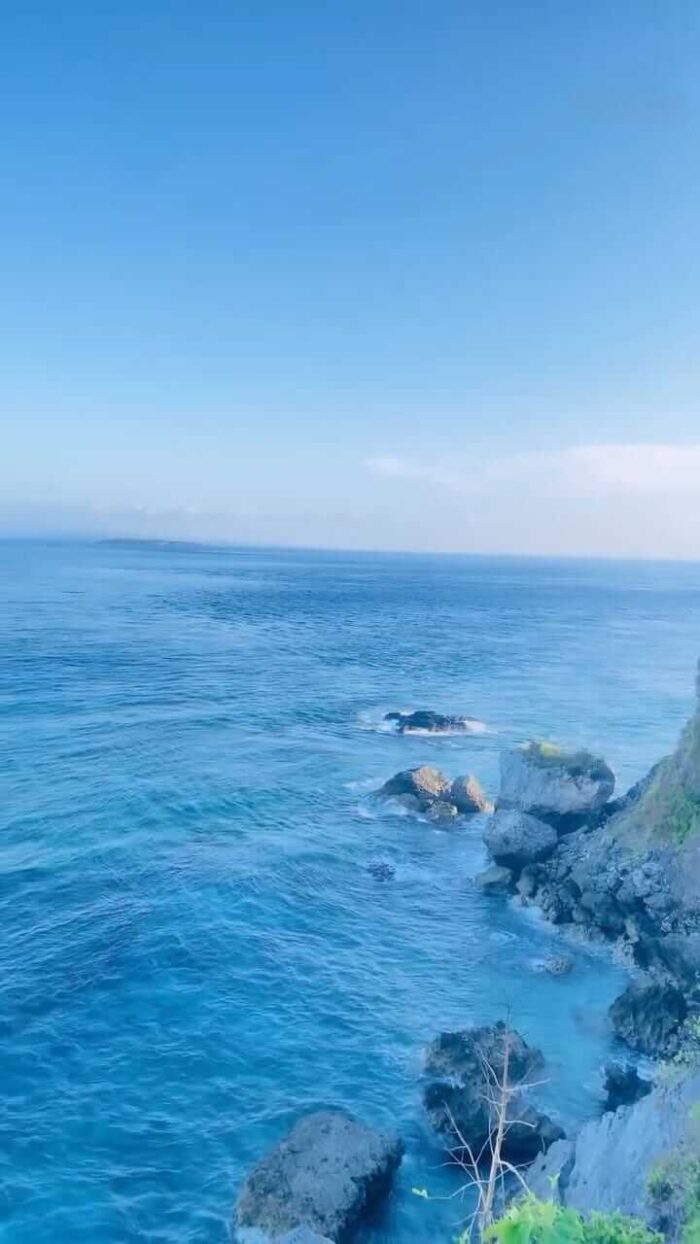
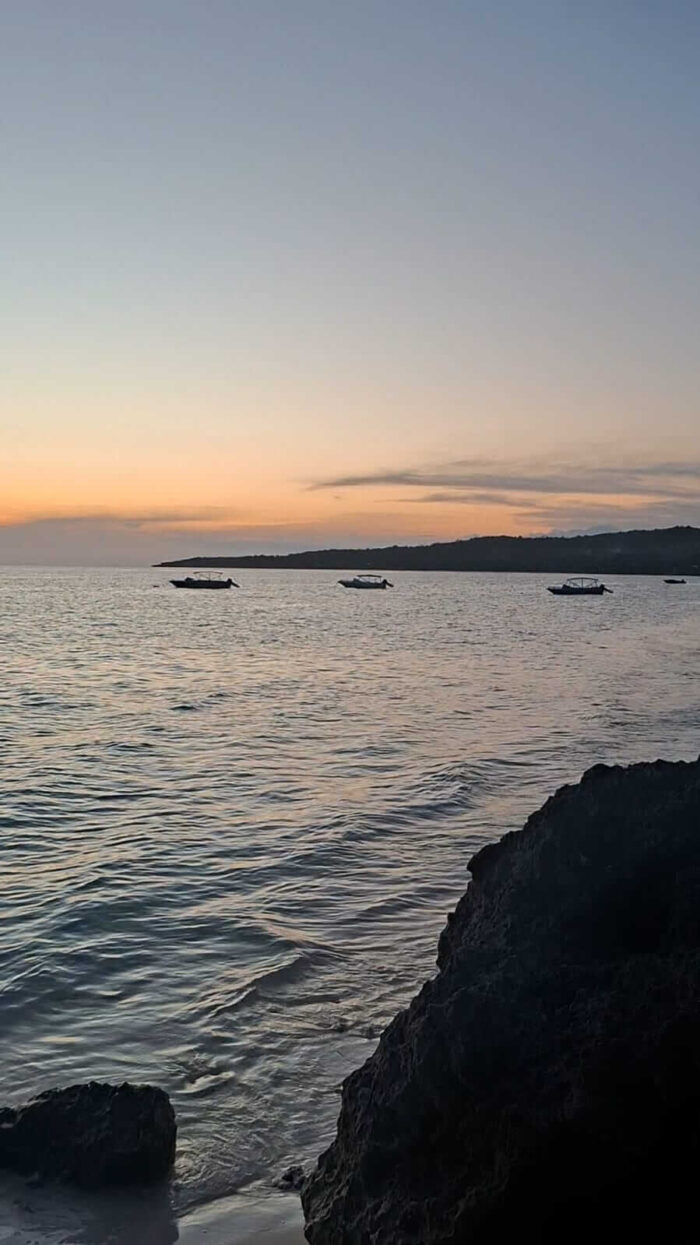
Bira is more developed than many other beach areas in Sulawesi, but it still feels quiet compared with Indonesia’s major resort destinations. You may also see goats wandering directly on the sand, which is very normal here.
Nearby boatyards are another reason to visit the area. Around Bira and Tanah Beru, traditional wooden phinisi boats are still built by hand. If you visit, be respectful and remember that these are working boatyards, not museums.
Bantimurung-Bulusaraung National Park
Bantimurung-Bulusaraung National Park lies around one hour from Makassar and is known for karst scenery, caves, waterfalls and butterflies. The wider Maros-Pangkep karst area is one of Indonesia’s most important limestone landscapes.
The area around Leang-Leang is especially interesting because of its prehistoric cave art. Some hand stencils and figurative paintings in this region have been dated to tens of thousands of years ago, making the Maros-Pangkep caves an important site for understanding early human art.
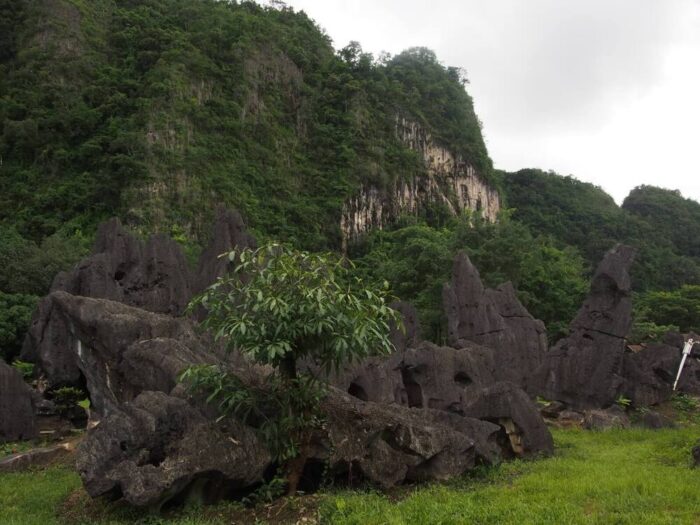
The most visited part of the park is Bantimurung Waterfall, which is popular with local visitors, especially on weekends. For foreign travelers, the waterfall itself may not feel essential, partly because South Sulawesi and the rest of the island have many waterfalls with lower entrance fees. Foreign visitor tickets have often been much higher than local tickets, and recent local pricing has often been around IDR 150,000 to 225,000 per person depending on the day, so check the current price before you go.
If you enjoy short walks and karst scenery, the area can still be worth a stop. Trails around the waterfall lead toward Batu Cave, Mimpi Cave and viewpoints over the limestone towers. Helena Sky Bridge and the butterfly area are also commonly visited. In the 19th century, Alfred Russel Wallace famously described Bantimurung as a “kingdom of butterflies”.
Lake Matano and Lake Towuti
Lake Matano and Lake Towuti are in the northeast of South Sulawesi, far from the province’s main tourist routes. These ancient tectonic lakes take time to reach, but they offer some of the most interesting natural scenery in the province.
Lake Matano is the deepest lake in Indonesia and is often considered the deepest in Southeast Asia. It is known for unusually clear water, swimming, snorkeling, kayaking, underwater caves and trips by local motorboat, often called a ketinting.
One of the best-known local sites is Goa Tengkorak, or Skull Cave. According to local stories, human remains and old everyday objects were found there, including brass tools, weapons and household items.
Lake Towuti is the largest lake on Sulawesi. It is quieter than Matano and attracts visitors mostly for swimming, fishing, nature and a very low-key atmosphere. Tourism infrastructure is limited, which is part of the appeal but also means you should plan accommodation and transport carefully.
Palopo
Palopo is a useful stop between Tana Toraja and the Lake Matano or Lake Towuti area. Historically, it was an important center of the Luwu kingdom, one of the oldest political entities on Sulawesi.
The main sights include Jami Tua Palopo Mosque, often described as one of the oldest mosques in the region, and Istana Langkanae Luwu, a replica of the former royal palace that now works as a small historical museum.
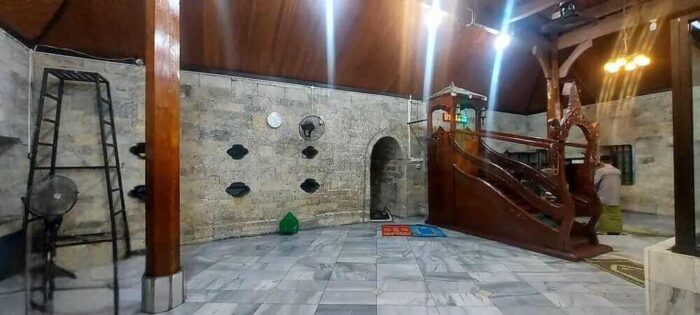
Labombo Beach is an easy place to rest by the sea. It is not one of Sulawesi’s most impressive beaches, but it is accessible and useful if you are breaking up a long journey.
Parepare
Parepare lies roughly halfway between Makassar and Tana Toraja, so it can be a practical overnight stop on the long road north. It is not a major tourist destination, but it has a relaxed coastal feel, a seafront promenade and views over the Makassar Strait.
The city is also known as the birthplace of former Indonesian president B. J. Habibie. A local museum is dedicated to him. Nearby Lowita Beach is sometimes used for swimming and short breaks by the sea, and it has a few basic tourist facilities.
How to Get to South Sulawesi
The main entry point is Sultan Hasanuddin International Airport near Makassar. Regular flights connect Makassar with Jakarta, Surabaya, Bali and many other Indonesian cities.
Makassar is also an important port city, with Pelni and other passenger boats connecting it to other parts of Indonesia. Boats are useful for certain routes, but schedules can change, so check current departures before building your itinerary around sea travel.
Best Time to Visit South Sulawesi
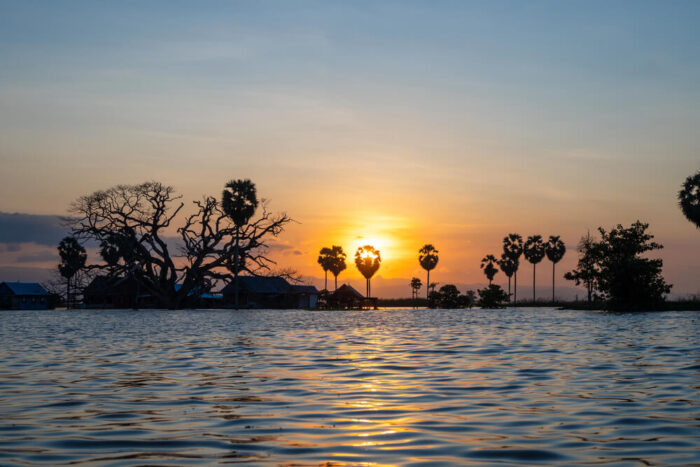
The driest and most convenient period is usually from May to October. This is generally the best time for overland travel, beach stops and lake visits. If you are comparing seasons across the country, our broader guide on when to visit Indonesia can help.
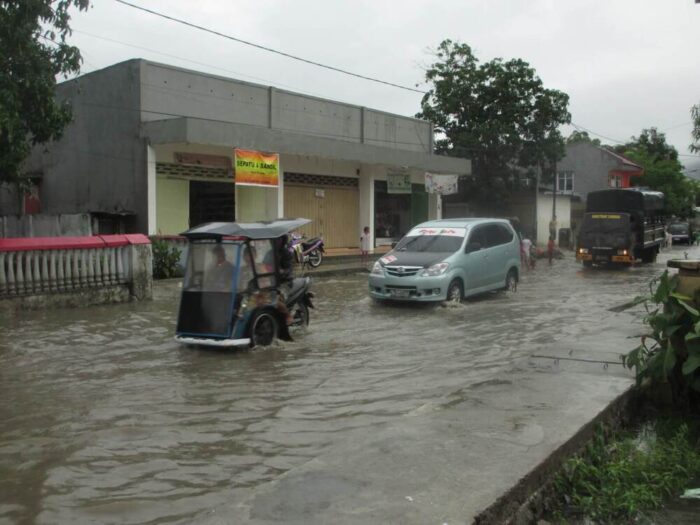
Tana Toraja has a cooler highland climate, and short showers can happen even during the drier months. If you travel in the rainy season, allow extra time for road transfers, especially in mountain and rural areas.
Getting Around South Sulawesi
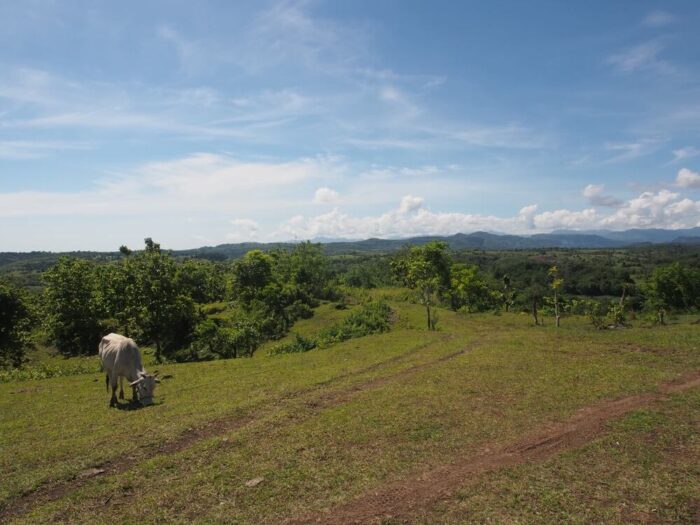
South Sulawesi is large, and distances can feel longer than they look on a map. Travel between regions is often slow.
Long-distance buses and shared minibuses connect major towns, and night buses are common on longer routes such as Makassar to Rantepao. For more flexible trips, you can hire a car with a driver. This is often possible for multi-day routes, but remember that you may need to cover the driver’s food and accommodation in addition to the agreed daily rate.
Motorbikes can be useful in some local areas, but only rent one if you are experienced, properly licensed and comfortable with Indonesian road conditions. For longer intercity routes, a car with a driver is usually a safer and less tiring option.
Where to Stay in South Sulawesi
Makassar has the widest range of accommodation in the province, from basic guesthouses to modern hotels. The Losari Beach area is practical because it has hotels, restaurants, food stalls and easy access to the city center.
Ge JacMart Homestay Makassar is a simple budget option, while Aston Inn Pantai Losari is a more comfortable choice near the waterfront.
On the way north, Palopo and Parepare both have hotels and guesthouses that work well for overnight stops. When booking in smaller cities, check whether a hotel is syariah. Some syariah hotels do not allow unmarried couples to share a room.
Around Lake Matano and Lake Towuti, accommodation is more limited. Krakatau Guest House is one known option near Lake Matano. In smaller towns and remote areas, not every guesthouse appears on booking platforms, so it can still be useful to ask locally.
What to Eat in South Sulawesi
South Sulawesi has a strong food culture, especially in Makassar. Two of the best-known dishes are coto Makassar, a rich beef and offal soup, and konro, spiced beef ribs usually served with rice.
For something sweet, try pisang epe, grilled banana served with a sweet sauce. It is especially easy to find around Makassar’s waterfront food stalls.
Where to Go Next
From South Sulawesi, you can continue north toward Gorontalo and North Sulawesi, including the Togean Islands if you have enough time for the long journey.
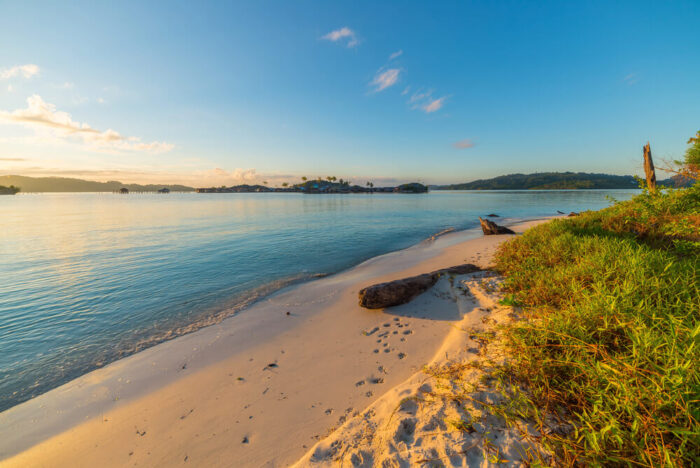
Another option is to travel from the Lake Matano and Lake Towuti area toward Southeast Sulawesi, a province known for islands, marine life and diving.
Is South Sulawesi Worth Visiting?
South Sulawesi works well as a first introduction to Sulawesi because it is accessible but still varied and adventurous. Makassar and Tana Toraja are the obvious highlights, but the province becomes more interesting if you give it more time.
Lake Tempe, Sengkang, Bira, Bantimurung, Palopo, Parepare and the far eastern lakes all add different layers to the trip. If your schedule allows it, South Sulawesi is worth treating as more than just a quick stop on the way to Tana Toraja.