
You’ve probably heard of Nasi Padang or tasted Rendang—but have you ever thought of visiting the place where it all began?
Welcome to Padang, the cultural heart of West Sumatra. Located on the island’s west coast, this laid-back coastal city is more than just the home of iconic food. It’s where Minangkabau traditions, colonial history, and natural beauty all come together.
From exploring charming old town streets and vibrant markets, to hiking hills and discovering hidden beaches, Padang offers a unique blend of culture, scenery, and local flavor.
Ready to see what Padang has to offer? Let’s dive in.
Is Padang worth visiting ?
Wondering if Padang is worth visiting? Absolutely—especially if you’re into culture, nature, and bold flavors.

Padang is the cultural heart of West Sumatra, deeply rooted in Minangkabau traditions and Islamic heritage. Minangkabau culture is known for its matrilineal system, where family lineage and property pass through the female line—a rare and fascinating tradition in the modern world. It also places strong emphasis on community values, adat (customary law), and religious harmony, blending local customs with Islamic teachings.

You’ll see these influences everywhere—in the iconic Rumah Gadang (traditional houses with dramatic pointed roofs), in daily social life, and in the warm hospitality of the people.
Nature lovers will appreciate the nearby highlands and deep canyons in Bukittinggi, while adventurers can head to the Mentawai Islands, home to one of Indonesia’s oldest indigenous tribes. Historically, Padang was also a key colonial government and trade center, adding layers to its charm.
And let’s not forget the food—Nasi Padang, Rendang, and Balado-spiced dishes are must-tries, known for their rich, spicy flavors.
Things to Do and See in Padang (City Center)
The best way to get a feel for Padang is by walking along its coastal road or exploring its city center. The city has a relaxed pace, and it’s easy to hop from one spot to another—whether you’re checking out colonial buildings, tasting street food, or catching a sunset by the beach.
Explore the Old Town (Kota Tua Padang)
Wander through the historic district near Muaro Port, where rows of colonial-era buildings still stand proudly. Many date back to the Dutch period, offering a glimpse into Padang’s past as a thriving trade hub. What makes this area even more charming is the canal that runs alongside it, where local fishing boats come and go throughout the day.

One standout is the beautifully restored Padangsche Spaarbank—a former Dutch bank from the early 1900s that now serves as a stylish restaurant and boutique hotel.
As you stroll through the old town, keep an eye out for other colonial gems tucked along the way. And don’t forget to pass by Kejayaan Street, where colorful street art brings a fresh, creative vibe to this historic part of Padang.
📍Download the Map of Padang📍
All the places we mention in this article — plus a few extra tips and nearby trip ideas — are saved on a Google Map you can use right on your phone.
After purchase, you’ll get a private link and the map will show up in your Google Maps across all your devices.
Padang China Town
Right next to Padang Old Town, you’ll find Chinatown—the city’s old Chinese quarter. It’s a great place to walk around, with beautiful old buildings, traditional Chinese houses, and small temples that make the area feel full of history.

One of the main attractions here is Kelenteng See Hin Kiong, a Taoist temple built in 1861 by Chinese traders. The temple has colorful decorations, detailed carvings, and statues that are very unique—especially in West Sumatra, where Chinese temples are quite rare.
While you’re in the area, take a short walk to Masjid Muhammadan, the oldest mosque in Padang. It still keeps its traditional look and adds to the cultural mix you’ll find in this part of the city. Both places show how different communities have lived side by side in Padang for centuries.
Siti Nurbaya Bridge and Hill
This modern bridge connects the city to Taman Siti Nurbaya, a small park area on a hill that holds local legends and offers beautiful views. You can walk or drive up the hill for a peaceful lookout over the canal and the old town, where rows of fishing boats are often docked along the water.

There’s a short forest trail if you want to stretch your legs and enjoy the greenery. In the evening, the view from the bridge is especially charming—with the boats gently lit by streetlights and the historic district glowing in the background.
Padang Great Mosque
Built in 2007, the Padang Great Mosque is the largest mosque in the city—and one of the most striking. Its architecture blends traditional Minangkabau style, with its signature curved roof, and touches of Middle Eastern design, creating a look that’s both grand and unique.

The mosque has three floors, with the main prayer area located on the second floor. Note that men and women use separate entrances, so be sure to follow the signs when you arrive.
From the outside, it already looks impressive—but step inside, and you’ll be amazed. The interior is spacious and futuristic, with a design that feels almost like stepping into a spacecraft. It’s said that the mosque can hold up to 20,000 worshippers at once.
The mosque is located a bit far from other main attractions, so the easiest way to get there is by motorbike taxi or Grab. A ride from the Old Town should cost around 12,000 IDR and takes just a few minutes.
Backindo Tip: If you’re planning to visit the mosque, please dress modestly—cover your shoulders and knees, and bring a scarf or shawl if needed.
Museum Adityawarman
If you want to learn more about Minangkabau culture and West Sumatran history, this museum is a great place to start. Housed in a beautiful Rumah Gadang, the museum itself is a cultural landmark—and inside, you’ll find a wide range of exhibits covering everything from traditional clothing and customs to archaeology, local art, numismatics (coins), geology, and more.

There’s also a section dedicated to the Mentawai people, the indigenous tribe from the nearby Mentawai Islands, which gives visitors a rare insight into one of Indonesia’s oldest tribal communities.
Outside, the museum grounds are filled with over 100 types of plants, including decorative plants, shade trees, and a traditional herbal garden. You’ll also find the Michiels Monument, a colonial-era structure that was once destroyed during the Japanese occupation.
The museum is open Tuesday to Sunday, from 8 AM to 4 PM, and entrance costs only IDR 5,000.
Pantai Padang (Padang Beach)
A favorite hangout spot for locals, Padang Beach is the place to be in the late afternoon. It’s not ideal for swimming, but it’s perfect for a relaxing walk, watching the sunset over the Indian Ocean, or snacking on grilled corn and fresh coconut water sold by street vendors along the shore.
If you have time, make your way up to Gunung Padang, the hill that sits just behind the beach. It offers a higher viewpoint over the coastline and is a peaceful escape from the crowds below.
Air Manis Beach & Batu Malin Kundang
Just 20–30 minutes from Padang city, you’ll find Pantai Air Manis, a favorite weekend spot for local families. This beach is also home to the famous Malin Kundang Stone—a rock formation said to be the cursed remains of a son who disrespected his mother, based on one of Indonesia’s most legendary folktales.
There’s more to do here than just see the stone. You can ride an ATV along the beach or rent an electric bike. The beach itself is quite wide, and on clear days, you’ll spot two small islands just offshore, adding to the scenic charm.
But a heads-up—this place gets very crowded on weekends and holidays, so if you prefer a quieter vibe, it’s best to visit on a weekday. And honestly, while it’s a fun stop, it doesn’t have to be at the top of your Padang to-do list.
What to Explore Around Padang
Mentawai Islands
If you’re into surfing or dreaming of a remote island escape, the Mentawai Islands are just a ferry ride away from Padang—but they feel like a whole different world. Known for their world-class waves (with around 10 popular surf spots), these islands attract surfers from all over the globe. But beyond the waves, you’ll also discover the indigenous Mentawai culture, one of the most unique in Indonesia.

To get there, you’ll need to catch a fast boat from Muaro Port (near Siti Nurbaya Bridge), which takes around 4–5 hours depending on the weather. The main islands include Sipora, Pagai, and the largest—Siberut.

Siberut National Park is the heart of Mentawai culture, home to the Mentawai tribe, known for their full-body tattoos and traditional lifestyle that has remained largely unchanged for generations. On these islands, you’ll also find hidden waterfalls, peaceful lagoons, and beautiful beaches like Awera Beach, Mango Bay, and the serene Kulu Kubuk Waterfall near Madobag village. There’s also Sister Favela Island—an uninhabited spot with just two coconut trees and soft white sand. It looks exactly like a tiny island from a SpongeBob Squarepants cartoon—but in real life.
Backindo Tip: If you plan to explore Mentawai properly, set aside at least one full week. Travel between islands takes time, and boat schedules can be irregular. If you only have a few days, it’s best to plan ahead and choose one island to focus on. To get around, locals often use “sea taxis”—small boats that work like river taxis, helping you hop between villages or islands at your own pace.
Bukittinggi
Just a 3-hour drive from Padang, Bukittinggi is a refreshing highland city surrounded by volcanic mountains—Mount Marapi and Mount Singgalang. Known for its cooler climate and rich culture, the city is home to the iconic Jam Gadang clock tower and the stunning Sianok Canyon, a lush green valley that stretches far below the city.

This town is deeply rooted in Minangkabau heritage. Visit Koto Gadang to see traditional houses and local silver artisans at work. Bukittinggi was once an important colonial hub and even served briefly as Indonesia’s capital during Dutch rule.
Don’t miss the chance to try Nasi Kapau at Pasar Los Lambuang—a flavorful dish served in a unique, generous style. If you’re sensitive to coconut milk, just ask for less sauce! For nature lovers, there’s a forest nearby where you might spot the rare Rafflesia arnoldii, the world’s largest flower. Right next door, there’s even a coffee shop serving ethically sourced civet coffee (Kopi Luwak).
And if you have time, take a short trip to Istano Basa Pagaruyung in Tanah Datar, a grand traditional Minangkabau palace filled with cultural treasures.
Curious about what else to do in Bukittinggi? Don’t miss our complete guide— Bukittinggi, Sumatra: What to See, Do & Explore.
Lake Maninjau
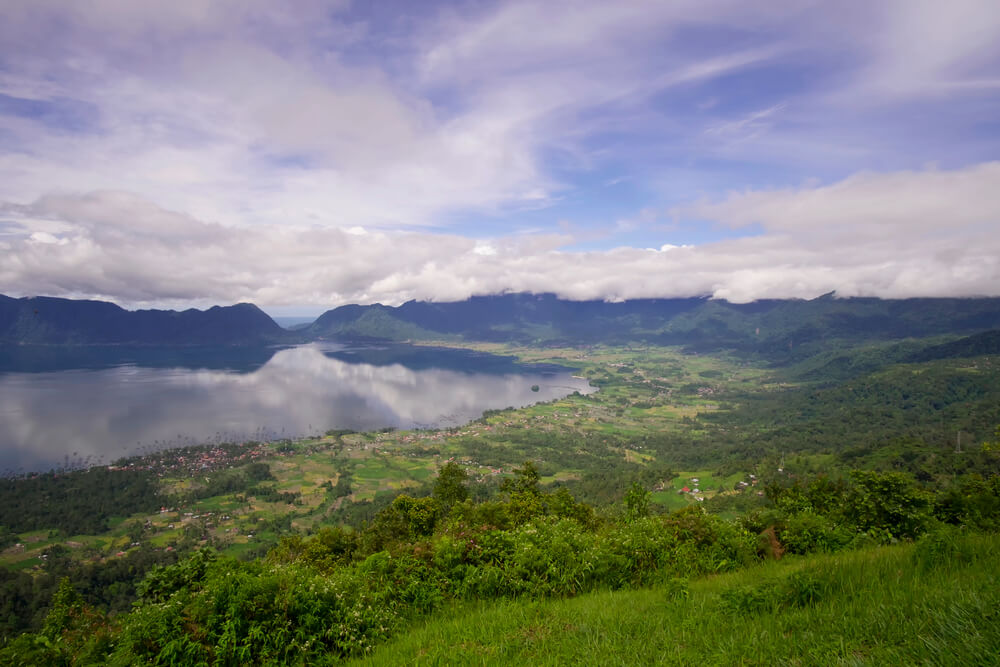
From Bukittinggi, you can also make a scenic trip to Lake Maninjau—a peaceful volcanic lake about 1.5 hours away, surrounded by hills and terraced rice fields. The journey takes you along Kelok 44, a famous winding road with stunning views at every turn. It’s perfect if you’re craving calm nature and a slower pace.
Harau Valley and Payakumbuh
Just 2–3 hours from Padang, Payakumbuh is a small city surrounded by stunning mountain scenery, tucked between Mount Singgalang, Marapi, and Sago.

One of the highlights is Harau Valley, a peaceful village set beneath towering cliffs, with rice fields and waterfalls all around. While the area has become a popular spot for local tourists—with some crowded, built-up attractions—you can still find quiet green rice paddies if you prefer to explore off the beaten path.
Another gem is Padang Mangateh, often called “Indonesia’s New Zealand.” It’s a vast green pasture at the foot of Mount Sago, where hundreds of cows graze freely, surrounded by rolling hills.
Don’t miss the chance to drive along the impressive Kelok 9 road, a scenic yet dramatic stretch of highway with stunning views. And before heading back, stop by Payakumbuh Market to meet the locals and try some tasty traditional snacks.
Padang’s Culinary Scene
You can’t visit Padang without diving into its legendary cuisine. Known across Indonesia for its bold spices, rich coconut flavors, and spicy sambals.

- Nasi Padang, a feast of small dishes like rendang, dendeng balado, gulai ayam, and sambal ijo, all served at once.
- Sate Padang, beef satay served with a thick, spicy yellow sauce. You’ll find some of the best versions at street stalls near Padang Beach.
- Es Durian, a local favorite dessert made with shaved ice, sweet syrup, condensed milk, and of course, fresh durian.
- Keripik Singkong Balado. Crispy cassava chips coated in spicy-sweet balado sauce. A classic Padang snack and a popular souvenir. The most famous, Christine Hakim’s Singkong Balado—a local legend in its own right.
Of course, there’s so much more to taste. From night markets to roadside stalls, Padang street food is bursting with flavor—so take your time and eat like a local.
How to Get to Padang
Flights to Padang
Padang is easy to reach by air, thanks to Minangkabau International Airport (PDG). There are direct domestic flights from Jakarta, Medan, and other major Indonesian cities. Some regional international routes also connect Padang with neighboring countries like Malaysia, making it a convenient entry point to West Sumatra.

From the airport, it takes about 30–40 minutes to reach the city. One of the best ways to get there is by taking the Minangkabau Airport Train. It runs regularly, costs only IDR 10,000, and takes you straight to Pulau Air Station—near Padang Old Town. You can buy your ticket directly at the station. If you’re carrying heavy luggage or prefer more comfort, you can also book a taxi or Grab.
Learn more in How to Get Airport Train to Padang City.
By Train
In addition to the Minangkabau Express, Padang’s rail network connects other parts of West Sumatra worth exploring:
- The Pariaman Express, which runs between Pariaman and Pauh Lima.
- The Lembah Anai Express, which travels from Duku Station toward Pariaman, getting closer to the cool highland town of Padang Panjang (an hour to Bukittinggi).
All routes, including the airport train, pass through Duku Station, making it the key transfer point if you’re planning to explore more of the region by rail.
By Bus or Car
If you’re planning to explore Sumatra from Java, traveling overland is possible—but be prepared for a long journey. From Jakarta to Padang, it takes at least a full day by road, depending on traffic and conditions.
You can go by private vehicle or hop on an ALS Bus (Antar Lintas Sumatera), which passes through several cities before arriving in Padang. It’s a classic option for adventurous travelers who want to see more along the way.
From Medan to Padang, the overland trip takes about 18 hours—whether you choose a bus or drive yourself. That said, Sumatra is a very large island, and land travel between major cities can be time-consuming.
Backindo Tip: If you're short on time or want a more efficient option, it’s much better to fly between cities. Local flights are frequent, affordable, and save you hours—giving you more time to explore.
Getting Around Padang and Nearby Places
Getting around Padang is fairly easy—especially if you’re exploring spots within the city. Most of the main attractions are walkable and not too far from each other, making it perfect for a slow, relaxed day of sightseeing.
For public transport, Padang has options like Bus Rapid Transit (BRT), angkot (shared minivans), and bentor (motorized rickshaws)—a fun and cheap way to get around like a local.
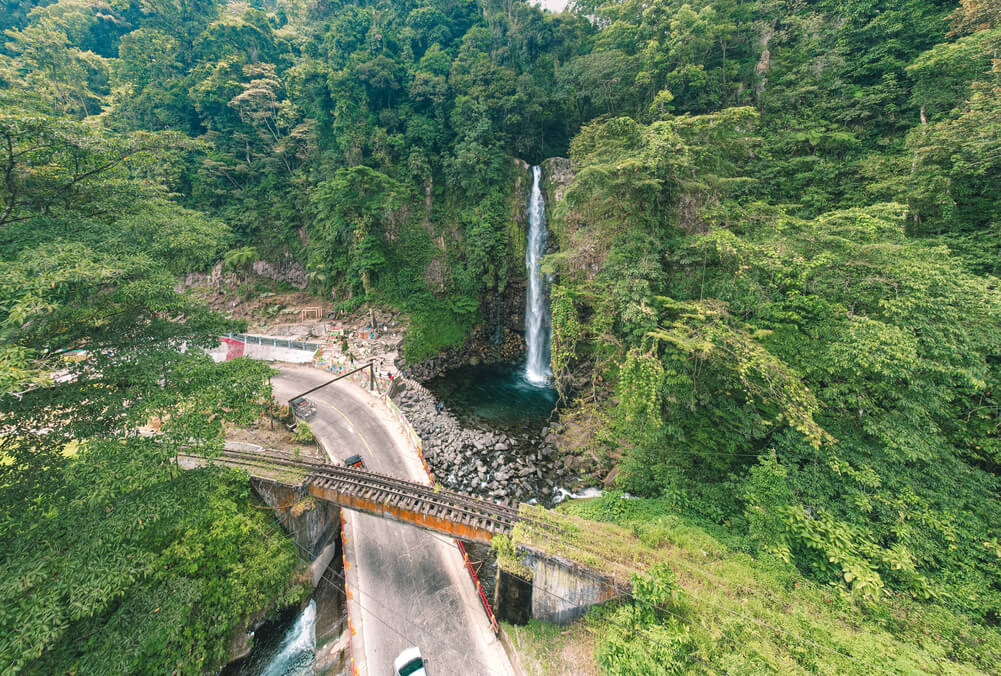
For more comfort and flexibility, ride-hailing apps like Grab and Gojek are your best bet. They’re reliable, easy to use, and also offer food delivery and other services. You can also rent a motorbike or car, with platforms like Traveloka or local rental services offering daily options.
If you’re traveling overland, Padang is accessible by intercity bus. The closest terminal to the city is Anak Air Bus Terminal, which handles most arrivals. In the north, Simpang Aur Terminal in Bukittinggi can also serve as a transit hub—especially if you’re planning to continue your journey to Payakumbuh or other highland destinations.
Where to Stay in Padang
Most accommodations in Padang are centered around the city center or near Padang Beach. If you want ocean views and easy beach access, check out Mercure Padang or Pangeran Beach Hotel—both located near the coastline with comfortable amenities.
Prefer to stay in the heart of the city? ZHM Premier is a great choice—well-located, stylish, and known for its amazing breakfast spread. It’s ideal if you want to be close to various attractions without spending too much time in transit.

If you’re planning to stroll around the Old Town or explore the Muaro Port area, there are also plenty of budget-friendly options. One cozy pick is Kokos Hostel Padang, perfect for backpackers. Or, if you’re looking for a tropical island vibe, try Evergreen Lodge—a laid-back stay that even serves cold beer.
If you’re heading beyond Padang, consider spending a night or two in Bukittinggi or Harau Valley. The cooler climate and scenic surroundings make for a peaceful and memorable stay.
Final Thoughts
Padang isn’t just a stopover—it’s a gateway to the best of West Sumatra. The city blends Minangkabau culture, coastal charm, and rich, unforgettable flavors, while the nearby highlands and islands offer dramatic landscapes and authentic local experiences.
Whether you’re off to surf in Mentawai, hike around Bukittinggi, or simply soak in the vibe of the old town, Padang is the perfect base to begin your West Sumatra adventure.
Give it at least a day—start your morning exploring the old quarter, enjoy a plate of nasi Padang for lunch, and end your day watching the sunset by the sea. It’s a simple but perfect way to fall into the rhythm of this underrated coastal city.