
Back to the northern coast of Central Java, Jepara honestly surprised me. I always thought of it as the place for beautiful teakwood furniture, the hometown of R.A. Kartini—the icon of women’s emancipation—and just a port town where people catch the boat to Karimunjawa.

Turns out, Jepara is so much more than that. This small coastal city hides plenty of unexpected gems that many travelers overlook. So in this post, I’ll take you around Jepara and show you some of the best spots you can explore before hopping over to the famous Karimunjawa islands.
Things to Do and See in Jepara
Kartini Beach
If you’re planning a trip to Karimunjawa, your journey will most likely start from Kartini Beach. This is where the ferry port to Karimunjawa is located, as well as boats heading to Panjang Island, the closest island to Jepara.
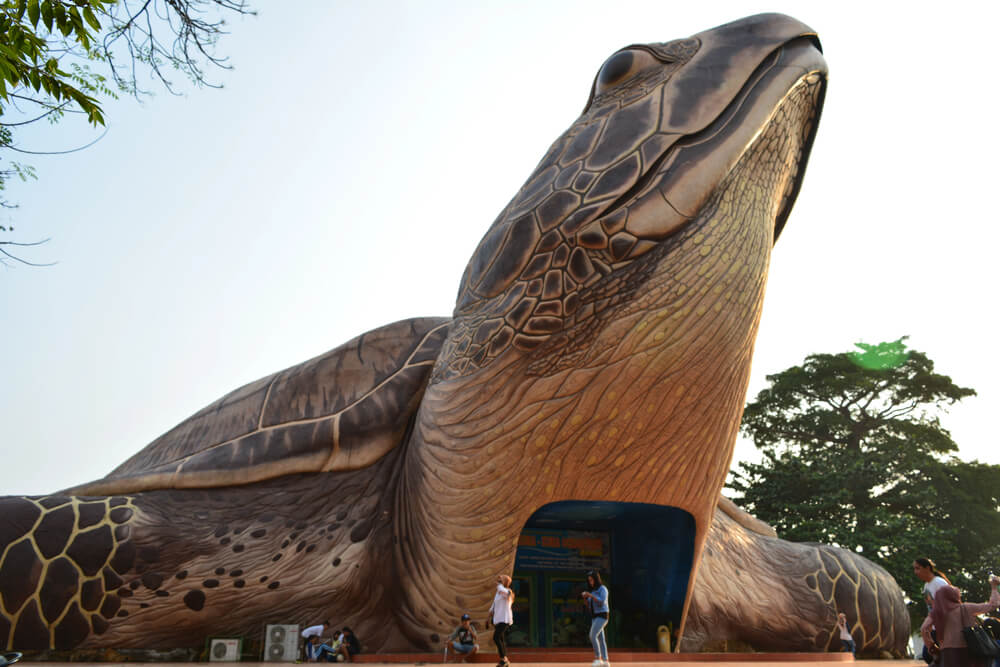
One thing that immediately caught my eye at Kartini Beach was a huge turtle-shaped building stretching out into the sea. It’s actually an aquarium and a small marine museum. If you’re traveling with kids, walking through its aquarium tunnels can be a fun experience.
As for the beach itself, I’d say it’s pretty average.
Traveling to Karimunjawa? Make sure to also read Karimunjawa: Travel Guide to the Paradise of Java before you go.
Panjang Island
The highlight of the Kartini beach is definitely the chance to hop on a boat to Panjang Island. The island is just 2 kilometers away—around a 15-minute boat ride—and costs only about IDR 25,000.
Though Panjang is one of the smaller islands around Jepara, it’s well set up for visitors. You’ll find toilets, shaded seating areas, and little warungs selling fresh coconut water.
To enter Panjang Island, there’s also a small entrance fee: IDR 8,000 on weekdays and IDR 15,000 on weekends. Besides departing from Kartini Beach, you can also catch a boat to Panjang from Bandengan Beach.
Bandengan Beach
About 7 km north of the city center, Bandengan Beach is one of Jepara’s most family-friendly beach spots. With its soft white sand and wide open area, it’s the kind of place where kids can safely splash around in the shallow water while you sit back and wait for the sunset. On the western side, the shoreline is dotted with clusters of white coral, adding a unique touch to the scenery.
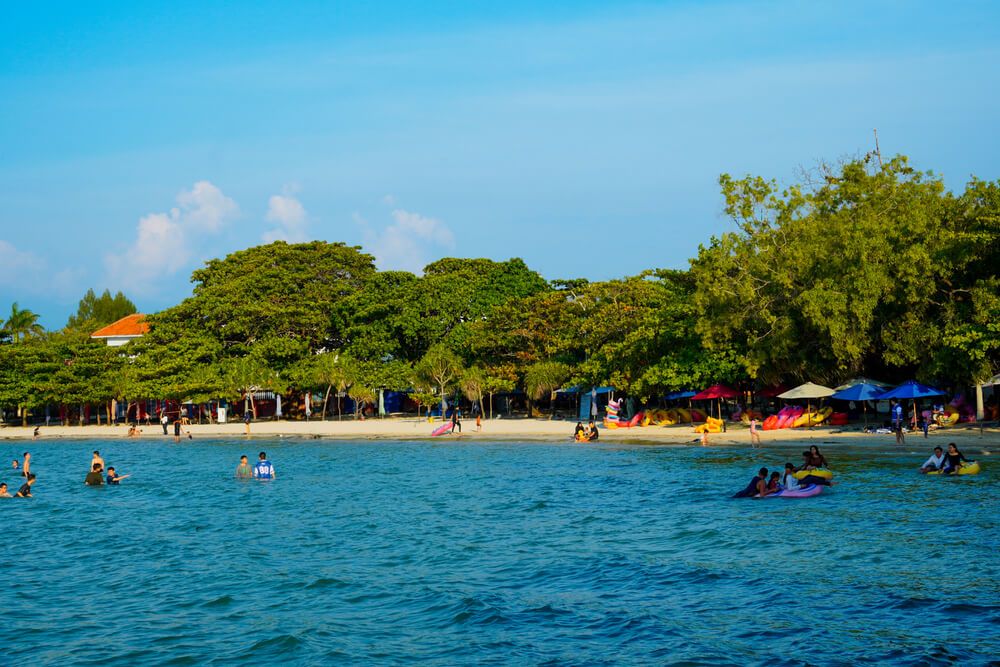
Beyond the beach itself, you’ll find plenty of food stalls selling local snacks and drinks, making it easy to spend a whole afternoon here. And just like from Kartini Beach, you can also hop on a boat from Bandengan to reach Panjang Island.
Portuguese Fort and Mandalika Island
Located about 1 hour from Jepara’s city center, you’ll find the Portuguese Fort—built during the Portuguese colonial era, before the Dutch arrived in Indonesia. Unlike most Dutch forts, this one sits dramatically on top of a hill right by the sea, with a smaller watch post located down below.
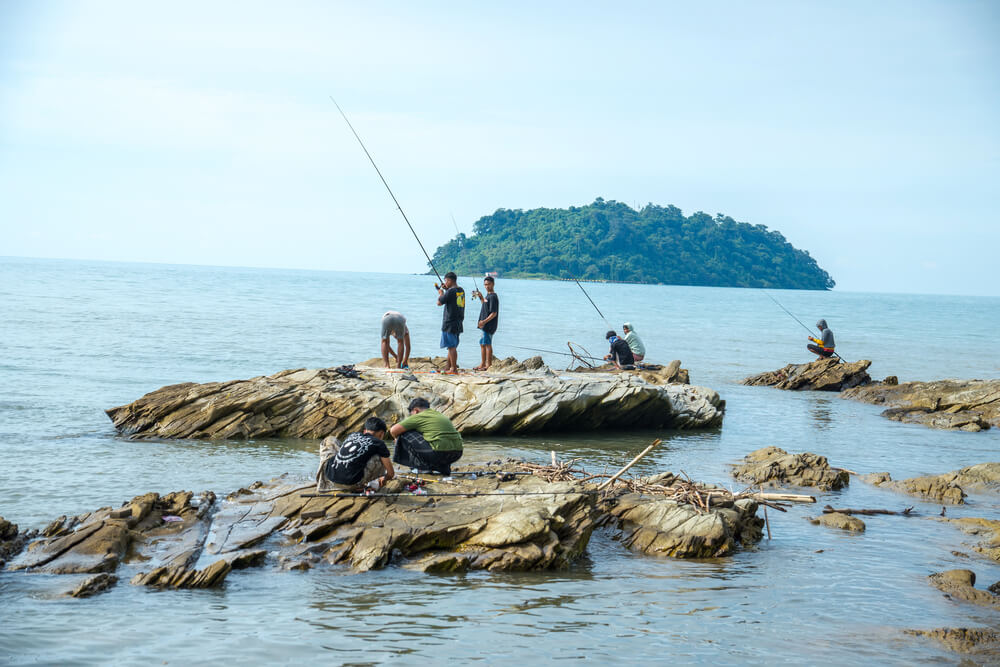
The beach around the fort isn’t sandy but rather rocky, which makes it less ideal for swimming but perfect if you enjoy fishing. In fact, this spot is a favorite among local anglers. If you’re lucky, you might even find local fishermen offering boat rides across to Mandalika Island, a small uninhabited island just north of the fort.
Mandalika is home to an 86-meter-high lighthouse and has a surprisingly well-preserved ecosystem. One of the unique plants you’ll spot here is the nangka celeng (a rare jackfruit species that grows at the base of its tree). The island is also a haven for wildlife, including endemic birds like the white-breasted eagle.
Tempur Tourism Village
At the foot of Mount Muria lies a true hidden gem: The moment you cross its colorful bridge, you’re surrounded by lush greenery, cool rivers, and rice terraces climbing up the hills—it feels like stepping into a postcard.
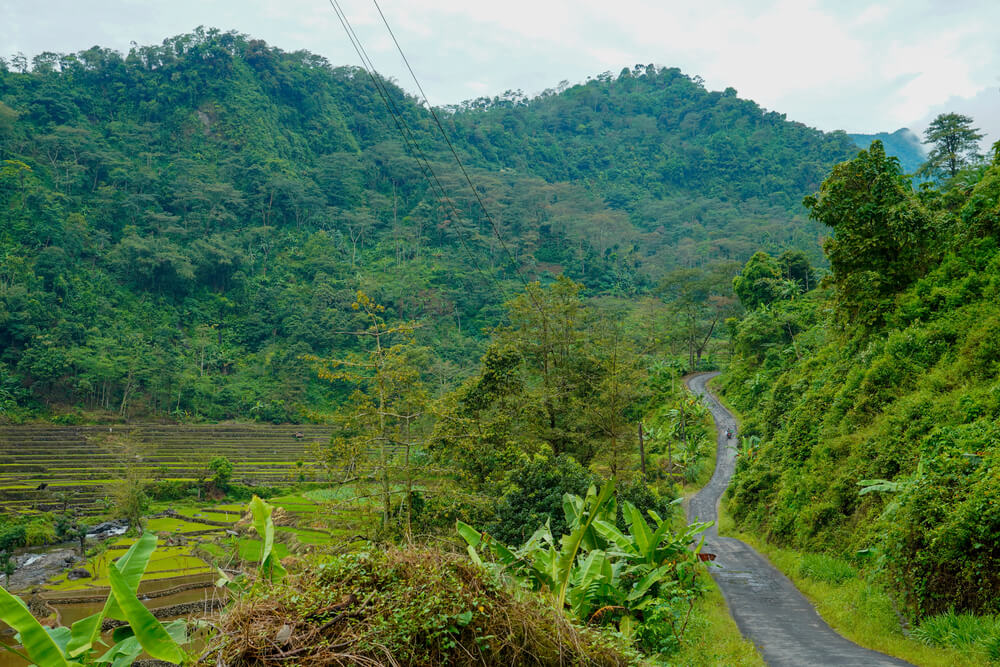
Tempur is known for two things: breathtaking landscapes and excellent coffee. Cozy cafés are tucked right into the rice fields, where you can sip a fresh local brew with a view. Many also offer glamping spots, village tours, or hands-on experiences like learning how traditional coffee is made. Adventure activities include river trekking, walks through the terraces, or side trips to Bejagan Hill and the ancient Angin Temple.

One of the highlights is JCottage, also known as Kampoeng Kopi Tempur—a spot in the heart of the rice fields with cottages, camping areas, and adventure packages that let you dive into village life.
Getting here can be a small adventure on its own. The winding road is full of sharp turns and steep climbs, and there’s no public transport. The easiest way is to rent a motorbike or hire a car with a driver who knows the route.
Songgolangit Waterfall
On the slopes of Mount Muria you’ll find Songgolangit Waterfall, one of Jepara’s most refreshing nature escapes. Fed by a clean mountain spring, the water plunges powerfully into a pool surrounded by dense forest. Look closely and you might even spot colorful butterflies fluttering in the mist.
The waterfall sits in Dukuh Nglancer, Bucu Village, Kembang District. With an entrance fee of only IDR 10,000, it’s an easy and affordable way to enjoy pure nature.
Looking for more waterfalls to explore? Read also about 12 Best Waterfalls to Visit in Java.
Kali Ndayung
Kali Ndayung is another fun spot in Jepara if you love playing in the water. Here, you can wade through a clear mountain stream filled with smooth rocks, all surrounded by rice fields and forest. It almost feels like Tempur Village, except that getting here usually involves a bit of trekking—especially if you come by car.

On weekends, Kali Ndayung gets quite lively. Many visitors set up camp along the riverbank, while others simply enjoy splashing around in the water. It’s also a nice spot for a picnic, with decent facilities and even staff who regularly clean the area to keep it tidy.
Note: Swimming is possible, but keep in mind this is still a conservative area mostly visited by local Muslim families. It’s best to dress modestly (avoid bikinis) to show respect for the community.
Ujung Watu Fishing Village (Bandeng Ponds)
As a little bonus trip, you might want to visit the bandeng (milkfish) ponds in Ujung Watu Village, located north of Jepara. The ponds here are huge, and interestingly, they’re home to a special local species called Bandeng Kartini (Kartini Milkfish).
What makes Bandeng Kartini unique is that it doesn’t have the muddy smell or taste that milkfish usually have. Even more impressive, these ponds produce up to 900 tons of fish per year! A visit here gives you a glimpse into the daily life of coastal communities and their traditional fish farming culture.
How to Get to Jepara
There’s no train service to Jepara. The easiest way to reach the town is by bus or shuttle, then get around by renting a car or motorbike. Here are the most practical routes from nearby cities.
Backindo Tip: If you’re heading to Jepara only as a gateway to Karimunjawa and you’re short on time, there’s now a faster option. Since July 2025, flights from both Semarang and Yogyakarta to Karimunjawa have started operating, so you can skip Jepara altogether. But honestly—if you do, you’ll miss a few beautiful spots along the way.
From Semarang to Jepara
Semarang is the easiest starting point, with both an airport and a main train station, so you can get there from almost anywhere on Java. From Semarang it’s about 80 km to Jepara, and the trip usually takes around 3 hours.
There are plenty of buses and shuttles, but the shuttle is by far the most comfortable option—fewer passengers and a smoother ride. Some companies, like DayTrans and Putra Remaja Shuttle, will even pick you up directly from Tawang Station. Fares start at around IDR 60,000.
Backindo Tip: If you’re a group or a family, hiring a driver directly to Jepara from places like Yogyakarta or Surabaya can be the easiest option. But if you’re a solo traveler, taking the train to Semarang and continuing by shuttle will almost always make more sense.
Getting around Jepara
If you want to move around Jepara, the easiest way is with Gojek or Grab, or by arranging a private driver. Public transport in the center exists – mainly angkot (minibuses) and becak (rickshaws) – but they won’t take you to many of the sights that are outside town.
If you’re planning a day trip further out (beaches, waterfalls, villages), it’s best to either have your own driver or at least arrange a ride back in advance. Once you’re outside the center, it can be difficult to find a Gojek or Grab driver willing to pick you up.
If you’re looking for a reliable driver in Java, just drop us a message at hello@backindo.com and we’ll be happy to share a list of drivers we trust.
Where to Stay in Jepara
Jepara gets plenty of visitors, so you’ll find all kinds of places to stay—from simple homestays to surprisingly luxe resorts that won’t break the bank. That means you can easily treat yourself: check out Ocean View Residence or Coconut Lodge Resort if you’re in the mood for comfort, or go for a solid mid-range option like Blue Garden Boutique Hotel.
There are also plenty of homestays, just make sure to do a bit of research so you know what you’re getting. And wherever you book, always double-check the location—some places are farther from town and the beaches than they first appear.
Summary
Jepara is far more than just the gateway to Karimunjawa. This small coastal town offers plenty to see—beaches, islands, waterfalls, coffee villages, and historic forts. If you have more time, it’s worth slowing down and enjoying Jepara itself. Even though more and more travelers pass through on their way to Karimunjawa, few actually stop to explore the town. That’s exactly why Jepara has managed to keep its authentic charm and a vibe that still feels untouched.
At Backindo we love highlighting hidden gems like this—so if you scroll down to the map, you’ll find even more places around Jepara and beyond that lie off the main tourist trail.