
If you’ve got some extra time while in Jakarta, consider making a trip to Bandung. It’s Indonesia’s third-largest city and just a few hours away — a favorite weekend escape for Jakarta locals looking to get away from the urban chaos.
Sure, Bandung can be busy too (and yes, the traffic gets real), but the city has a cooler climate, many historical buildings and plenty of nature spots not far from the center. It’s also known as a young and creative city — full of students, local designers, and fashion-forward crowds. For me, Bandung is a food lover’s paradise — almost every trending snack or viral dish in Indonesia seems to start here!
In this guide, I’ll walk you through how to explore the “Paris of Java.” From how to get there and what to do, to public transport, must-try local eats, insider tips, and where to stay — it’s all here.
Why should Visit Bandung
Bandung is the capital city of West Java Province, located about 150 km south of Jakarta, nestled among mountains. Due to its highland valley location, Bandung has a cooler climate compared to Jakarta. People from Jakarta often visit Bandung with their families to enjoy a relaxing weekend, either exploring the city itself or visiting nearby Lembang. There’s always something fun to do, making it a favorite destination for those looking to unwind from the city’s busy life.
Known as the “Paris van Java,” Bandung is also a fashion hub, as evidenced by the many factory outlets throughout the city. Bandung’s young people are also known for their trendy fashion sense.
Bandung is rich in culture and art, deeply rooted in the traditions of the Sundanese people, the indigenous ethnic group of West Java. The Sundanese take pride in preserving their customs and heritage. One of their cultural treasures is the ‘Angklung’, a bamboo musical instrument that produces a beautiful harmony when played.
Historically, Bandung holds an important place in Indonesia’s past. In 1946, during the early years of independence, the people of Bandung bravely set their homes on fire and moved to the southern mountains (around Ciwidey) to prevent Dutch soldiers from using the city as a military base. This event is known as “Bandung Lautan Api” or the “Bandung Sea of Fire.”
Bandung is also home to many historical buildings, especially along Jalan Asia-Afrika and Jalan Braga. For those who want to learn more about Indonesia’s history and culture, Bandung is a must-visit destination.
Want to try a different kind of travel experience in Indonesia? Visit Bogor, a city known for its botanical gardens with hundreds of plant species located right in the city center.
What to Do and See in Bandung
Bandung offers plenty of things to do for every kind of traveler. Whether you’re into history, food, shopping, or nature — this city has it all. When planning what to do in Bandung, it’s helpful to split your trip into two parts: City Tours, where you can see the historical site, dive into local culture and culinary delights, and day trips to areas outside the city, perfect for exploring the cool mountain air, tea plantations, and waterfalls that surround Bandung. Doing both will give you the full experience of what makes this city so special.
Looking for more waterfalls to explore? Read also about 12 Best Waterfalls to Visit in Java.
Gedung Sate
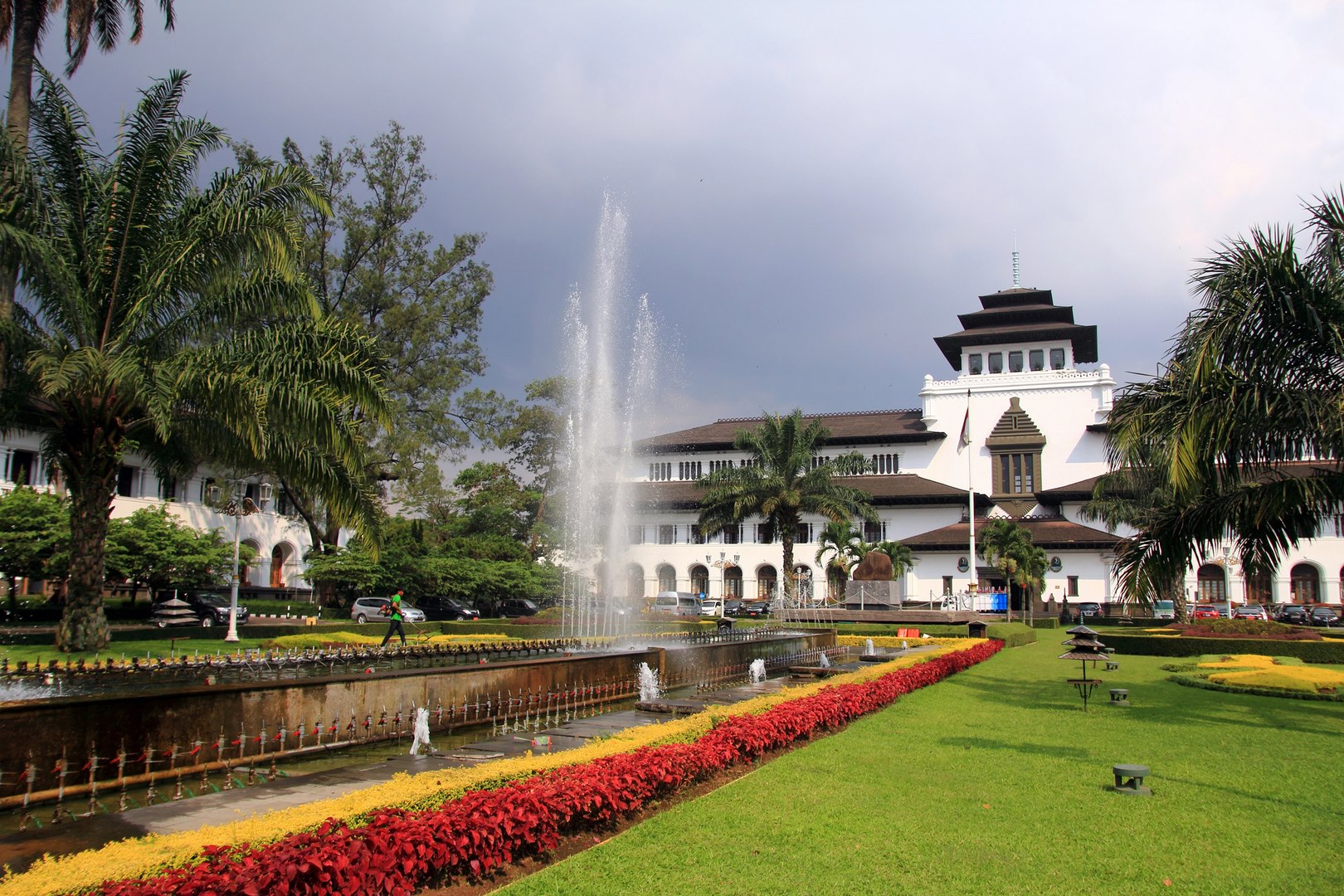
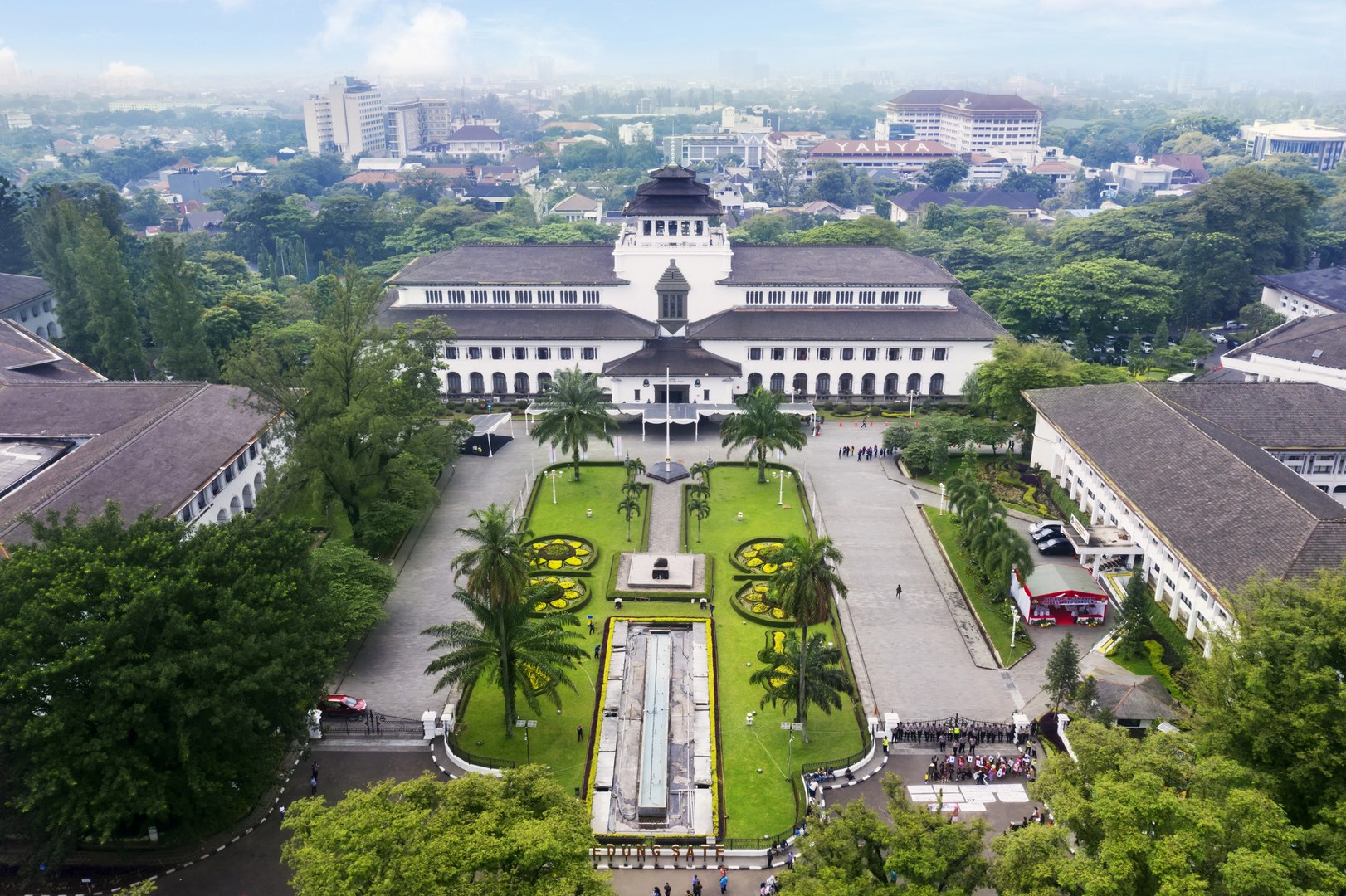
Gedung Sate, located in the city center, is a symbol of Bandung. This building was constructed during the Dutch colonial era in 1920 and was initially used as the headquarters of the Dutch-owned Department of Government Companies. Today, it serves as the Governor’s Office of West Java. The name “Gedung Sate” refers to its distinctive rooftop ornament resembling a satay (sate), a popular Indonesian dish of meat skewered and grilled.
You can enter the building to tour its museum, explore the architecture, and enjoy the gardens for just IDR 10,000 (USD 0.64). Visitors are required to dress modestly, covering their arms (no tank tops) and wearing long pants or clothing that covers the knees. Gedung Sate is open daily from 8 AM to 4 PM, with the museum open from Tuesday to Sunday, starting at 9:30 AM.
In front of Gedung Sate, you’ll find Gasibu Field, a popular spot for locals to engage in various activities, especially in the evenings and on weekends. The field features jogging tracks, sports areas, and a weekend market.
Close to Gedung Sate, you can also visit the Geology Museum, which houses a collection of fossils and historical artifacts.
Jalan Asia Afrika (Asia-Afrika Street)
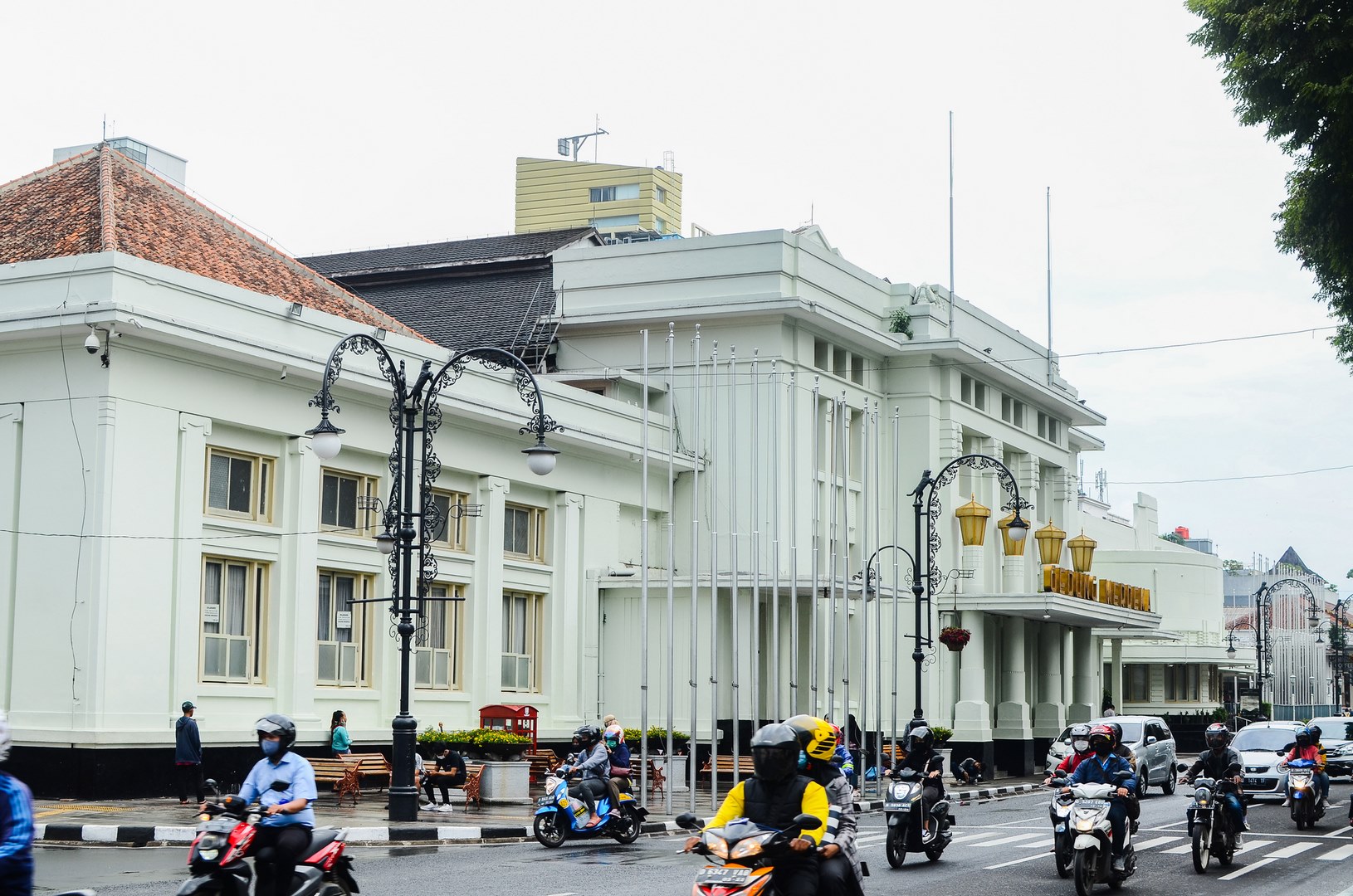
After exploring the city center, head to more historic sites. Bandung once hosted the 1955 Asia-Africa Conference, attended by 29 delegates from Asian and African countries. This legacy lives on in Jalan Asia Afrika, a historical street with wide, comfortable pedestrian pathways, benches, and well-preserved Dutch colonial buildings. Activities here include visiting the Asia-Africa Conference Museum, seeing the Tugu Titik Nol (Zero Kilometer Monument), playing at Bandung Square, and checking out Ruhiyat Wooden Puppet & Mask Gallery to learn about making traditional ‘wayang golek’ puppets.
Jalan Braga (Braga Street)

Not far from Jalan Asia Afrika is Jalan Braga (Braga Street), known for its culinary scene and popular accommodations. The street features numerous restaurants, cafes, and eateries with unique and aesthetic concepts. Some legendary culinary spots here include Braga Permai Restaurant, serving local and international cuisine since 1918, Sumber Hidangan, offering traditional Dutch-inspired dishes since 1929, and Canary Bakery and Café, known for its bread, coffee, and ice cream since 1930. Jalan Braga has something for everyone, from Sundanese specialties and oriental dishes to Western food, as well as many street food vendors.
Unfortunately, Braga Street can get quite crowded and isn’t the most pedestrian-friendly spot. Public vehicles still pass through, and some sections of the sidewalk are often used as parking spaces — which can make walking around a bit tricky.
Shopping Paradise in Bandung
Like Paris, Bandung is known for its fashion scene. Shopping enthusiasts will find plenty of places to buy local fashion products. The Cihampelas area is famous for affordable jeans and t-shirts. For leather goods, Cibaduyut Market offers high-quality, handmade leather wallets, shoes, and jackets at reasonable prices.
Bandung is also home to numerous factory outlets selling up-to-date fashion items like bags, clothes, and accessories. A popular destination is Rumah Mode Factory Outlet in the Pasteur area. It not only offers shopping but also has cafes, a bakery, and a pleasant outdoor garden.
Saung Angklung Udjo
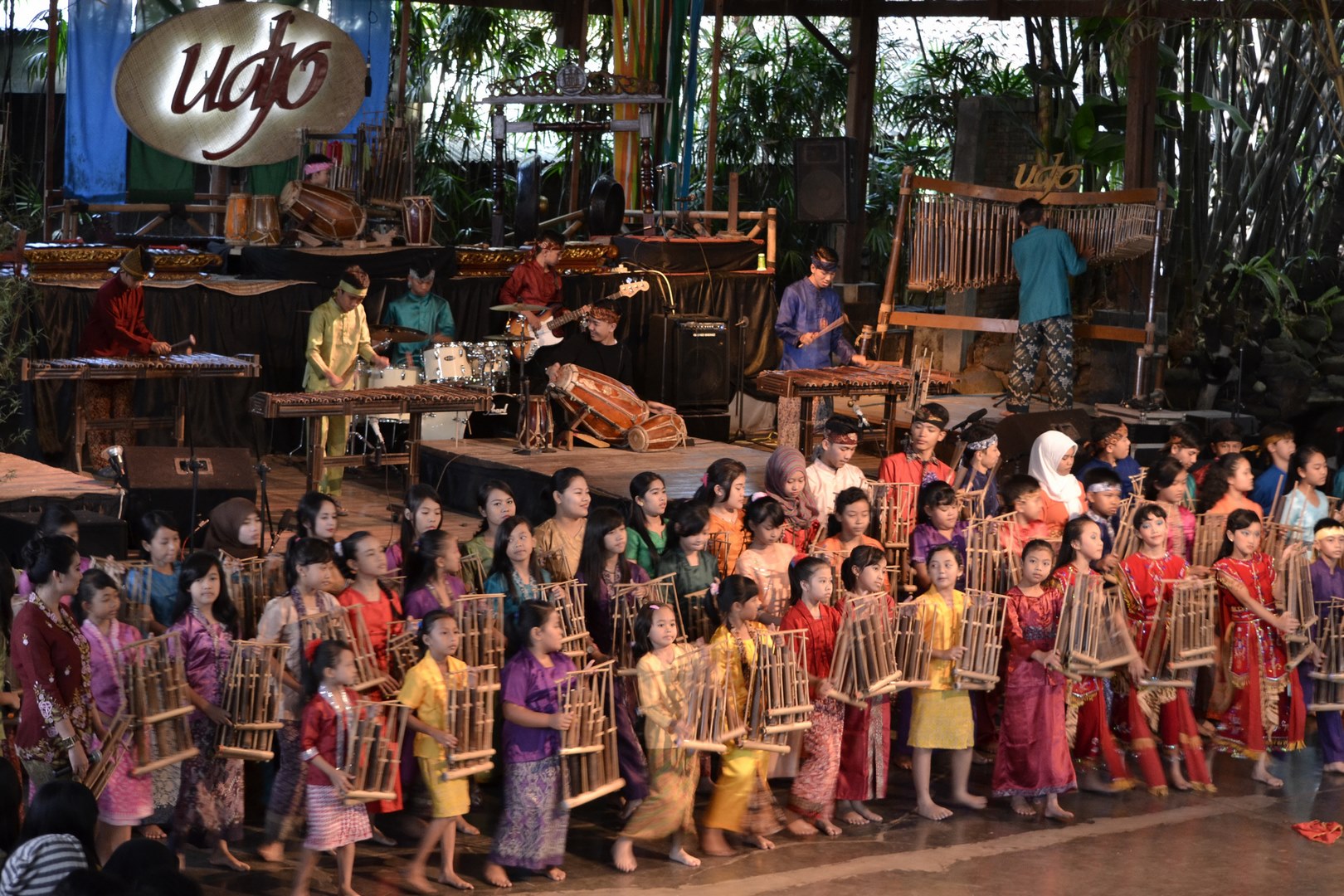
For a taste of Sundanese art and culture, visit Saung Angklung Udjo. Here, you can watch captivating performances featuring angklung, a traditional bamboo musical instrument, as well as dance and other cultural arts. Visitors can also enjoy delicious local food and join bamboo craft workshops. Shows involve plenty of interaction between performers and the audience, making it an unforgettable experience. The location is only about 5.5 km or a 10-minute drive from Gedung Sate.
Basic Information:
- Operating Hours: Daily, 8 AM – 5 PM
- Showtimes:
- Weekdays: 3:30 PM
- Weekends: 10:00 AM, 1:00 PM, and 3:30 PM
- Ticket Prices: Ticket can be book online via Traveloka
- Weekdays: IDR 106,700 (USD 6,76)
- Weekends: IDR 116,400 (USD 7,40)
Official Account: For more details on events and activities at Saung Angklung Udjo, you can follow their official Instagram account.
For those interested in Sundanese culture, there is a group of Sundanese people known as the Baduy tribe who isolate themselves from modern life. To experience a different atmosphere while exploring Indonesia, visit Baduy Tribe: Discover Indonesia’s Isolated Community near Jakarta
Night Food Scene on Jalan Sudirman
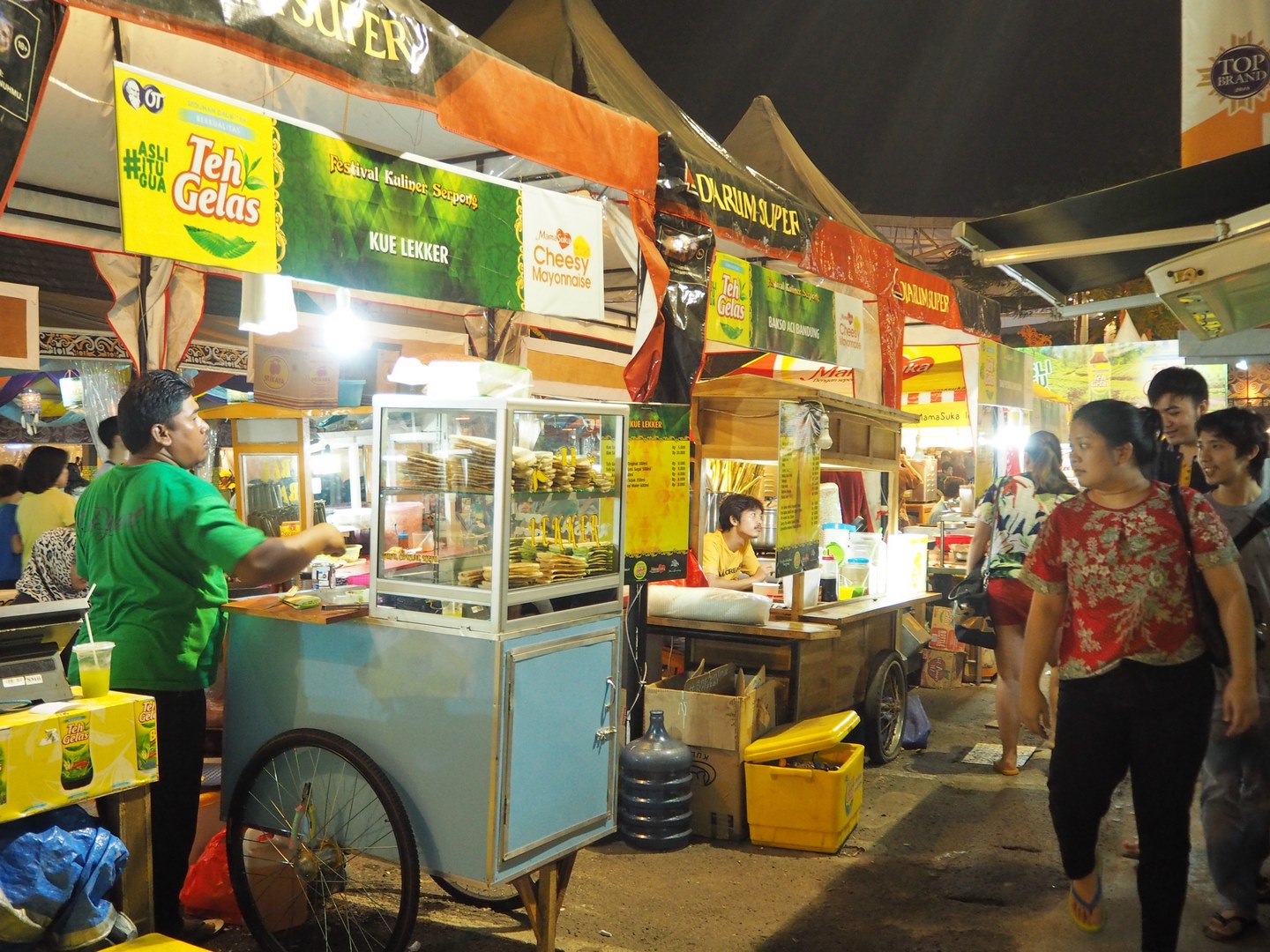
After a long day exploring the city, it’s time to enjoy dinner on Jalan Sudirman, known for its wide variety of delicious and affordable night food. Alongside traditional Indonesian dishes, you’ll also find numerous eateries serving non-halal options, including pork-based dishes, oriental delicacies, and even pork kebabs.
While there are plenty of non-halal eateries, Muslim visitors can still enjoy halal food options like fried meatballs, king crab, and many other local delicacies. The Jalan Sudirman food market is open until 10 PM, and payments here are usually made in cash.
Day Trip Around Bandung
Trip to Bandung is not complete without visiting some of the scenic spots outside the city, like those in West Bandung Regency, Subang, and Bandung Regency. These destinations often feature outdoor attractions in cool mountain settings.
Lembang
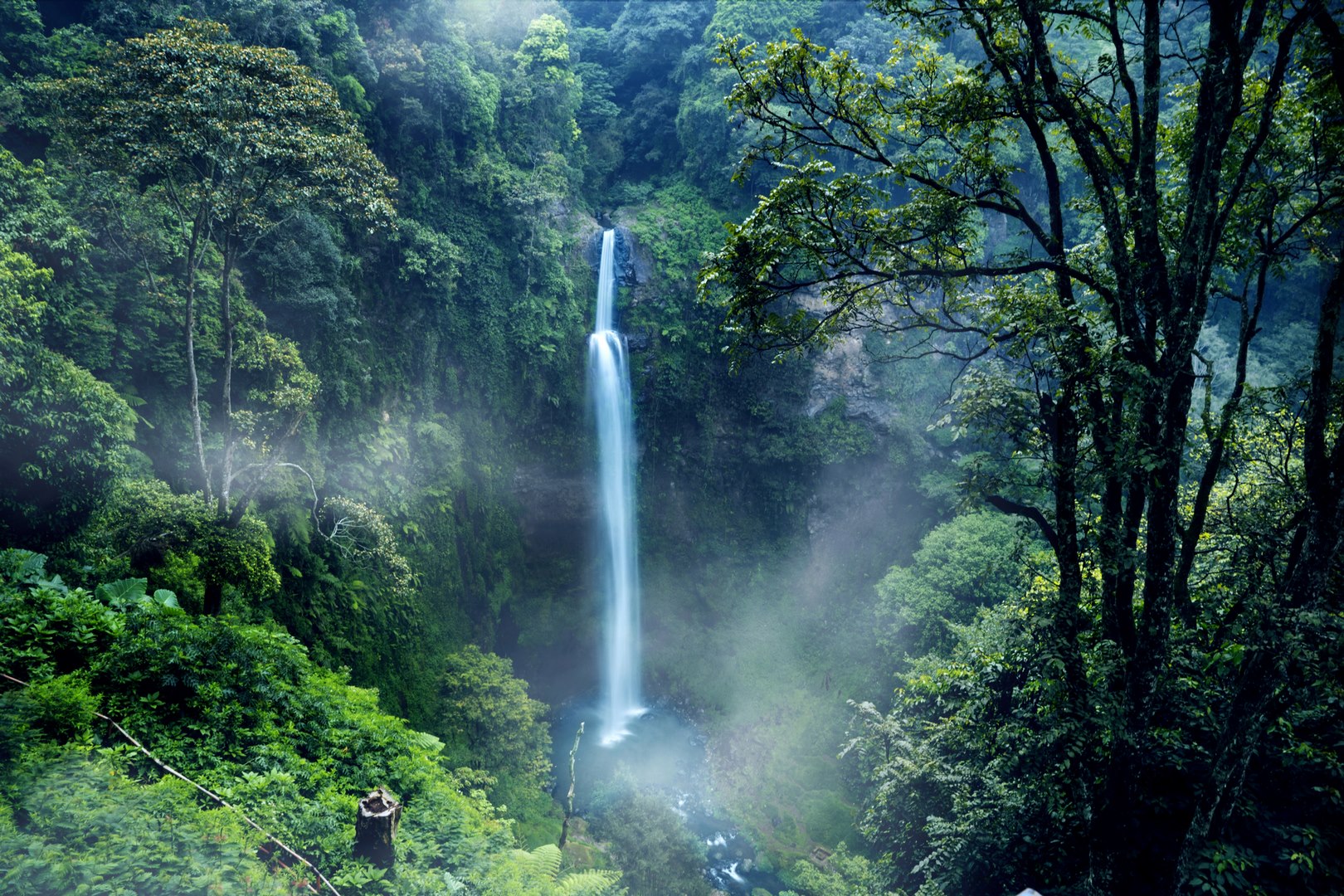
Located in West Bandung Regency, Lembang is a popular tourist and “healing” destination. Similar to Puncak in Bogor, Lembang offers a range of captivating attractions. One must-visit spot is the Floating Market, where vendors sell food from boats—a unique and memorable dining experience.
For a relaxing and picturesque setting, visit Dusun Bambu Lembang, known for its cool climate and bamboo-themed structures offering stunning views. Lembang is also great for family trips. If you’re visiting with kids, Farmhouse Susu Lembang is a European-style farm-themed attraction where you can even dress in traditional Dutch costumes. Other notable spots include the Lembang Zoo, Orchid Forest with its cool pine forest, Maribaya Hot Springs, and the Bosscha Observatory, surrounded by tea plantations. Lembang’s natural beauty, cool air, and scenic views make it an unforgettable destination.
Mount Tangkuban Perahu
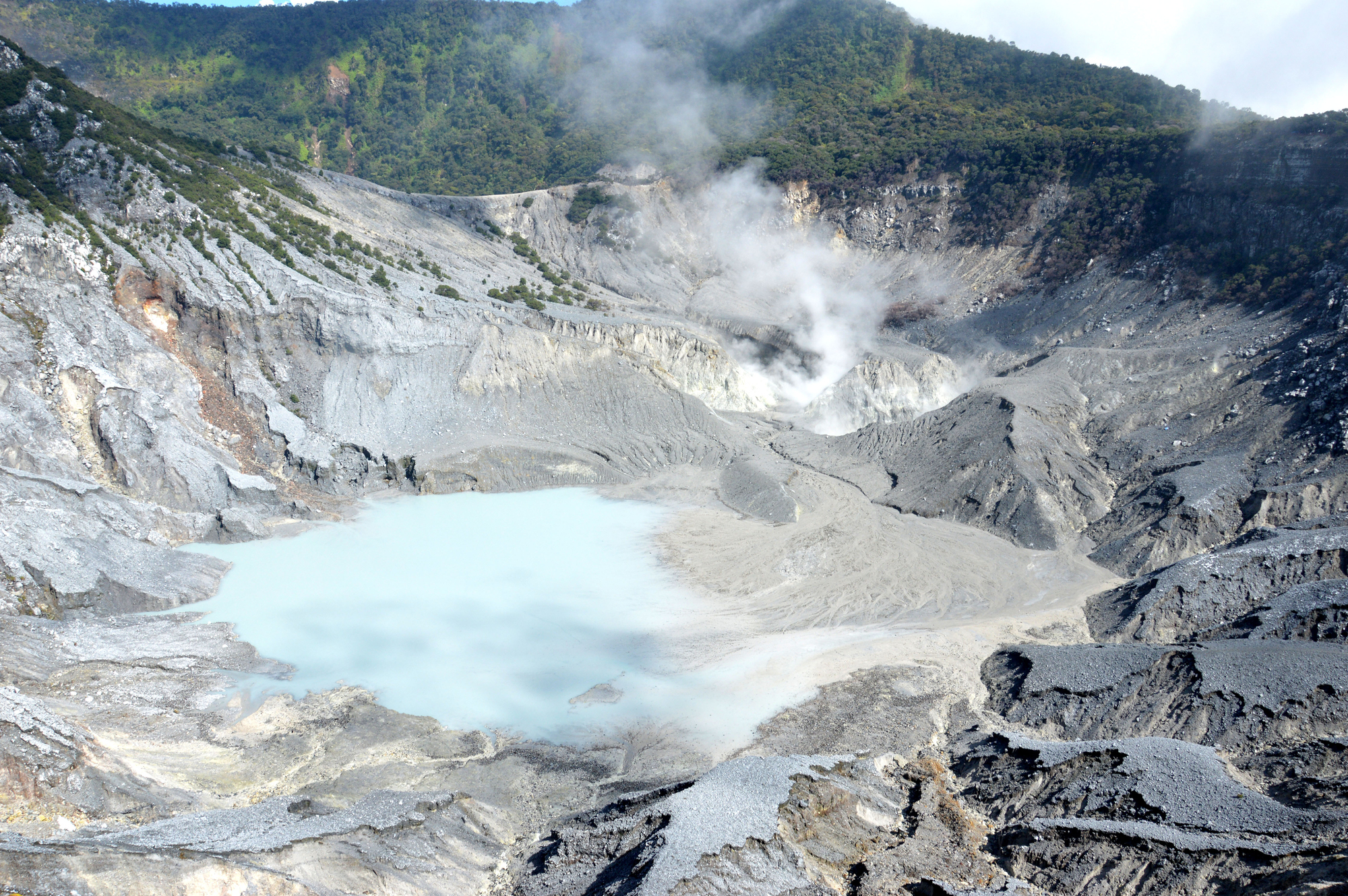
Just 16 km (around a 30-minute drive) from Farmhouse Susu Lembang, you’ll find Mount Tangkuban Perahu. This volcano straddles the border between Subang and Lembang and offers visitors the chance to explore several craters and even go horseback riding.
The mountain has around 10 craters, but only three are accessible and safe: Kawah Ratu (Queen’s Crater), Kawah Upas, and Kawah Domas. Kawah Ratu is the largest, while Kawah Domas has hot springs where visitors can soak and enjoy mud baths. Kawah Upas emits a strong sulfuric aroma, resembling the smell of boiled eggs.
Mount Tangkuban Perahu is home to exotic flora and fauna, such as the Edelweiss flower and forest orchids. If you venture into its forests, you may encounter wildlife like eagles, Javanese monkeys, and leopards.
Basic Information:
- Operating Hours: Morning to 5 PM
- Ticket Prices (International Visitors):
- Weekday: IDR 200,000 (UDS 12,75)
- Weekend: IDR 300,000 (USD 19,13)
(Ticket prices do not include vehicle entry and parking fees)
Note: Trekking at Mount Tangkuban Perahu can be long and tiring. Make sure you are in good health and bring a mask to minimize the strong sulfuric odor.
Kawah Putih (Ciwidey)
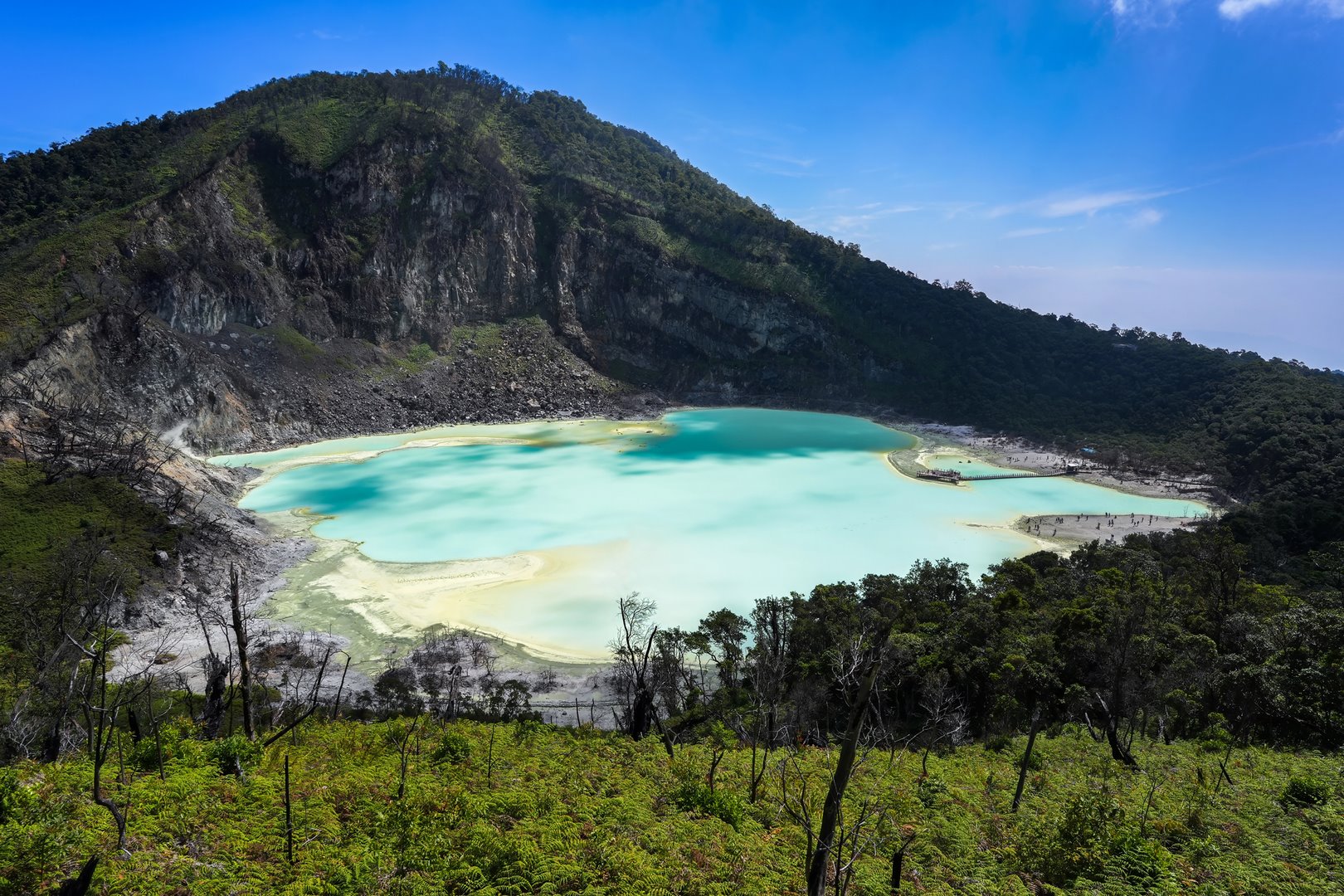
Another popular destination is Kawah Putih in Ciwidey, around 57 km from Bandung to the south. The area is famous for its white limestone landscape and a vast sulfur lake, surrounded by a “dead forest” of blackened tree trunks without leaves. Arriving early in the morning offers a breathtaking sunrise view, while nighttime offers a spectacular glimpse of the Milky Way, making it a favorite spot for landscape photographers.
Kawah Putih now offers various activities, including rides on the ontang-anting (local shuttle transport), horseback riding, a floating bridge crossing, archery, and more. All visitors must use the ontang-anting to reach the crater from the parking area. Previously, visitors could park closer to the crater, but this has since changed.
Note: Each attraction at Kawah Putih requires an additional fee, so plan for extra money. Combination tickets for multiple attractions, including the ontang-anting, are also available.
Basic Information:
- Operating Hours: 7 AM – 5 PM
- Ticket Prices:
- Kawah Putih Entry: IDR 81,000 (around USD 5,16)
- Ontang-anting Shuttle: IDR 29,000 ( around IDR 1,85)
- Combination Ticket (Ontang-anting, Sky Walk, Floating Bridge): IDR 74,000 (around USD 4,72)
- Other activities: Starting from IDR 11,000 – IDR 50,000 (USD 0,70 – USD 3,19)
Heading to White Crater? Make sure to check our guide: Kawah Putih (Bandung): Everything You Need to Know.
Bandung Tea Plantations
Bandung’s tea plantations are among its top natural attractions. Surrounded by mountains, the city is home to vast, scenic tea estates. If you’re visiting Bandung, make sure to explore these must-visit plantations:

- Rancabali Tea Plantation – This tea plantation offers more than just scenic views. You can enjoy adventure activities like flying fox and visit Rancabali Lake, which provides a refreshing and calming view.
- Malabar Tea Plantation – Known as the largest tea plantation in Bandung, this place allows you to take a stroll through the tea fields, explore the nearby pine forest, and visit the house and grave of Karel Albert Robert Bosscha, a key figure in Bandung’s tea industry.
- Pangalengan Tea Plantation – This plantation offers a variety of fun activities and stunning views. You can go white-water rafting in the nearby river, walk through a pine forest, and visit coffee plantations.
- Riung Gunung Tea Plantation – Located near Pangalengan, this plantation features a 400-meter-long bridge where you can explore the tea fields from above. It also offers a thrilling 10 km ATV ride through the plantation.
- Gambung Tea Plantation – Situated in Ciwidey, this tea estate offers mesmerizing scenery and a unique experience called ngabekong, where you can witness the process of storing young tea plants before they are planted. You can also observe the tea-making process firsthand.
If you’re a nature lover, Bandung’s tea plantations offer not only breathtaking landscapes but also exciting activities and cultural experiences!
Here’s some recommendations for Bandung tour and tea plantations Guide:
Experience the Flavors of Malabar Coffee
While Mount Malabar (also known as Pangalengan) is best known for its lush tea plantations, the area also grows some of Indonesia’s finest Arabica coffee. In fact, Malabar coffee has been part of the international coffee scene since colonial times — thanks to its rich flavor and high quality.

Around the slopes of Mount Malabar, you’ll find plenty of cozy coffee shops, but one place stands out: Malabar Mountain Coffee. It’s more than just a café — it’s a full coffee experience. Here, you can join an educational coffee tour that takes you from the plantation to the cup. You’ll walk through the coffee fields, learn about the harvesting and processing methods, explore different types of beans, taste a variety of brews, and even chat with the owner about everything coffee. This place is perfect for coffee lovers.
If you need a recommended driver to explore Bandung, feel free to email us at hello@backindo.com — or check out our guide on How to Hire a Reliable Guide or Driver in Java, Indonesia
Where to Stay in Bandung
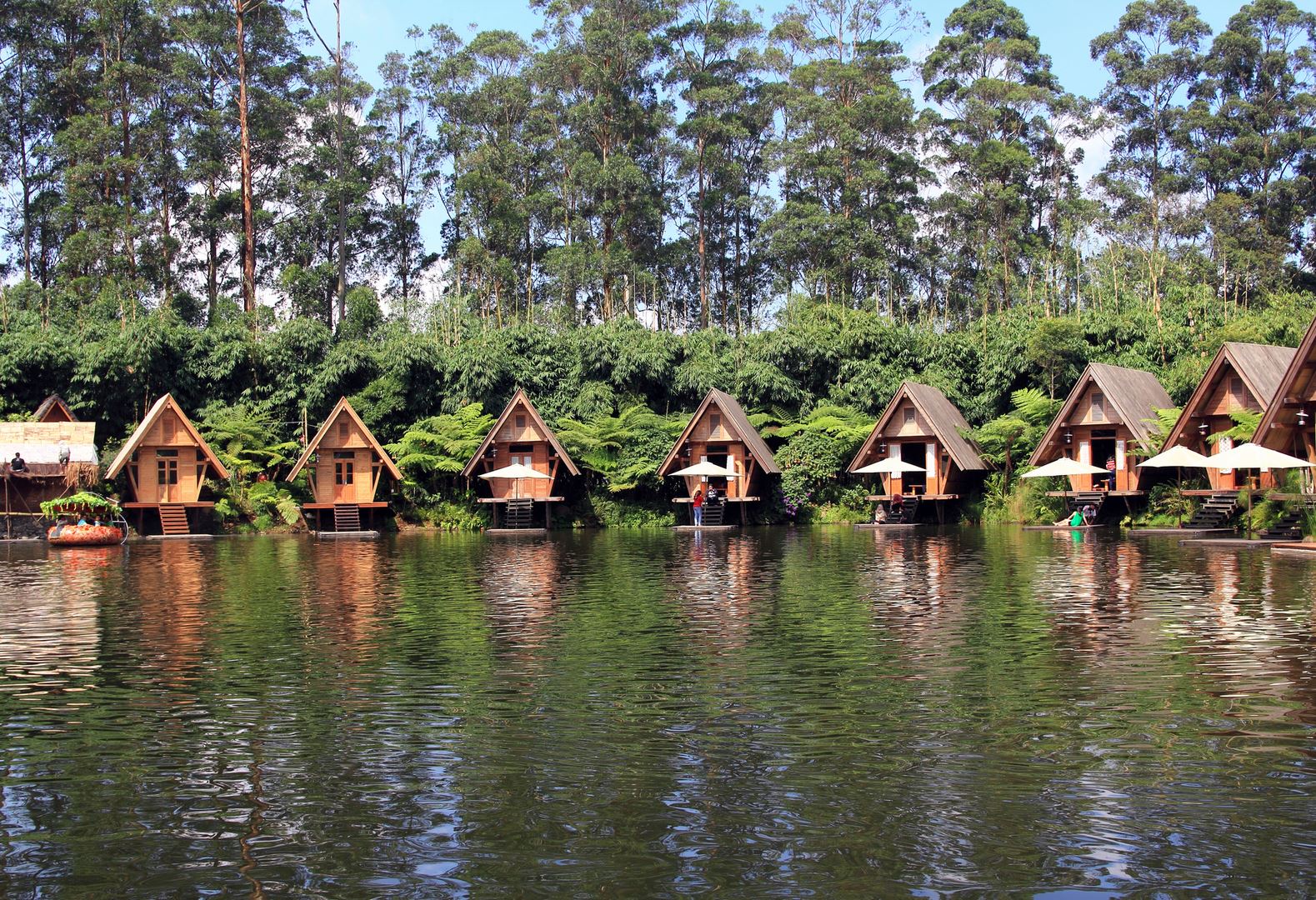
As a popular tourist destination, Bandung offers a wide range of accommodation options, including hostels, hotels, homestays, and villas at various price points. With so many choices, there are a few things to keep in mind before booking a place to stay in Bandung.
Based on my experience attending a friend’s wedding in Bandung last May, I stayed at a hotel with a mini-market on the ground floor in the Cihampelas area (close to the wedding venue). I opted for a room without breakfast, thinking that finding food would be easy since Bandung is a culinary hub. However, I found it challenging to find breakfast and lunch nearby, requiring me to walk quite a distance with my 4-year-old daughter. Additionally, getting to Cihampelas Walk in the afternoon (about 1 km away) was manageable by angkot (public minibus), but due to heavy traffic, we had to walk back as taking the angkot meant a long detour. Walking uphill with a toddler was exhausting.
I recommend choosing accommodation close to busy areas with easy access to food and avoiding one-way streets. Below are some strategic locations and recommended accommodations based on ratings and trusted sources.
Sumurbandung
Sumurbandung is a strategic area for finding accommodation. It offers many hotels close to Trans Studio Mall, Gedung Sate, Jalan Braga, and Jalan Asia-Afrika. Here are a few recommendations:
Buminakura Hotel offers a classic ambiance and is located on Jalan Pudak, around 2 km from Gedung Sate. The hotel features spacious and clean rooms with complete amenities, and it’s near cafes, parks, and Trans Studio Bandung. Rates start from IDR 500,000 (USD 31,87) per night.
Hotel Dafam Rio is a kid-friendly hotel featuring a lobby playground and rooms with mini tents for children. Staff are welcoming and give free storybooks to children as a welcome gift. Facilities include meeting rooms, a spa, and a cafe. The hotel is also conveniently located near parks, stadiums, and cafes.
Jalan Braga
As a bustling area, Jalan Braga offers a wide range of accommodations, including studios and luxury hotels.
De Braga, ARTOTEL Curated is located at a prime intersection near Jalan Asia-Afrika. It’s close to legendary food spots and Bandung Square. The hotel features Studio Rooms, a spacious swimming pool, and a cozy restaurant and bar. Rates start from IDR 800,000 (USD 51)per night for a cozy room.
Favehotel Braga offers a modern and budget-friendly stay with strategic access to eateries within walking distance. Rooms with single beds for two start at IDR 500,000 (USD 31,87).
Lembang
Lembang offers a cool and refreshing atmosphere, making it an ideal place to stay. Options range from homestays to hotels and villas.
Jayagiri Guesthouse offers a semi-hotel concept with clean rooms and helpful staff, including motorbike rentals. Rates start from IDR 240,000 (USD 15,3) without breakfast or IDR 300,000 (IDR 19,12) with breakfast. This guesthouse is perfect for solo travelers.
Osmond Villa Resort features breathtaking mountain views, a swimming pool, villa-style rooms, and a playground for children. Surrounded by local vegetable gardens, this resort offers a peaceful escape.
Sari Ater Hotel and Resort in Subang, near Mount Tangkuban Perahu, offers hot spring pools and various attractions. My stay here with family and friends was unforgettable. We enjoyed local drinks like Bandrek and Bajigur, outdoor activities, ATV rentals, paintball, and relaxing in the hot springs. Our villa had three bedrooms, a living room, and a private kitchen. The food options, both local and international, were excellent. For families, Sari Ater Hotel and Resort is a delightful choice.
How to Get to Bandung
Getting to Bandung is quite easy, with many transportation options from various regions. Since Bandung is close to Jakarta, this guide focuses on traveling from Jakarta to Bandung, with a few extra tips for getting there from other major cities like Yogyakarta.
Jakarta to Bandung by Whoosh (High-speed Train)
If you don’t feel like spending hours on the road, the Whoosh high-speed train is your best bet for getting from Jakarta to Bandung quickly. The ride takes less than an hour, and the train runs every day. It departs from Halim Station in East Jakarta, and you can get off at either Padalarang or Tegalluar Station in Bandung.
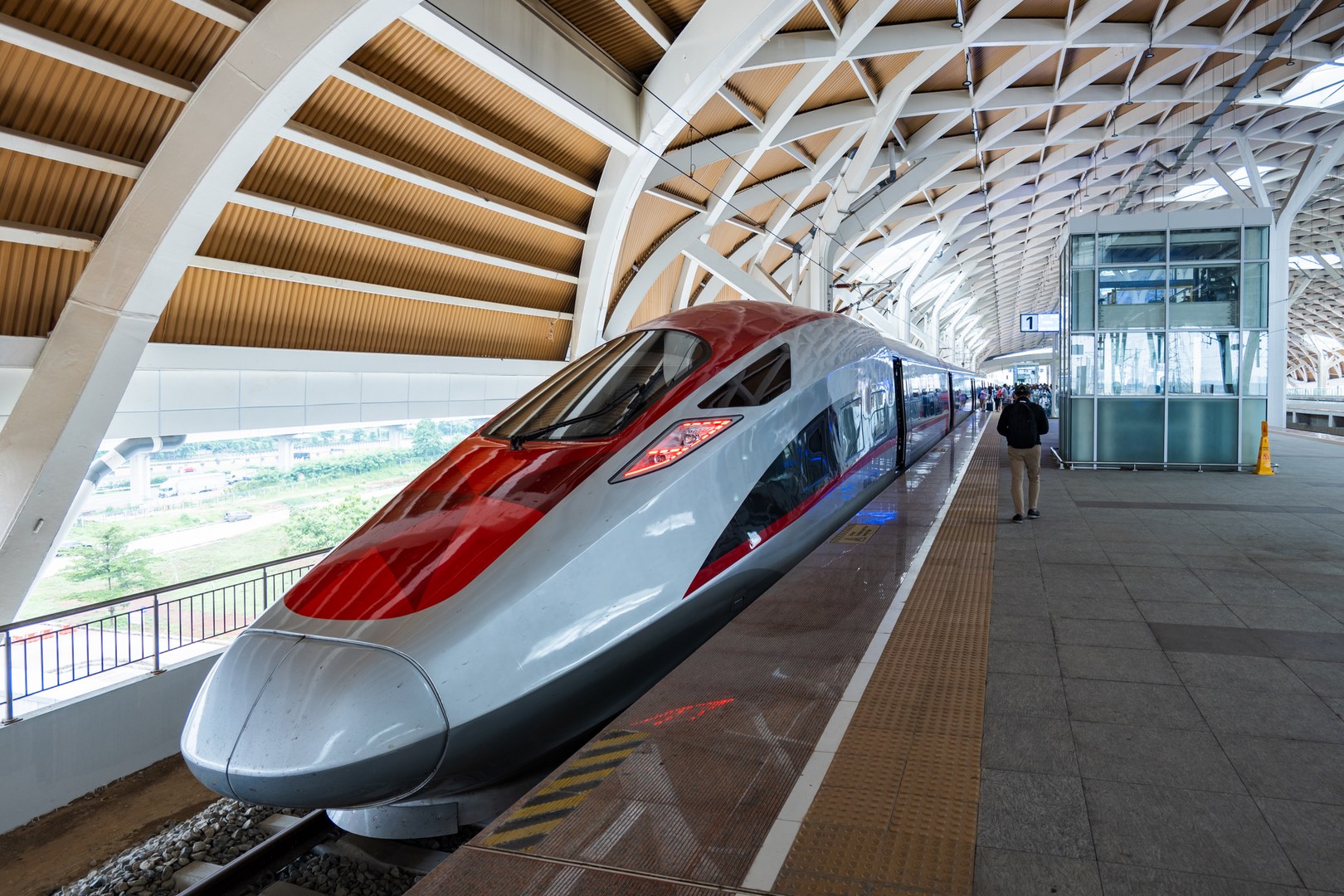
Just a heads-up — neither of these stations is right in the city center, so you’ll still need a short ride to get downtown. The good news is, there’s a feeder train that connects directly to Bandung Station in the city, and it’s included in your ticket — no extra charge.
Whoosh is still fairly new — and fun fact, it’s the first high-speed train in Southeast Asia, operating only in Indonesia. There are over 20 trips a day, and ticket prices start at around IDR 250,000 (USD 15,19) for economy class.
Curious about what it’s like to ride Whoosh? We’ve got a full breakdown in our Whoosh: Complete Guide to Indonesia's High-Speed Train.
Jakarta to Bandung with Regular Train
Traveling by regular train from Jakarta to Bandung takes around 3 hours, about the same as by car or bus. However, trains offer a more comfortable experience and beautiful scenery through the train windows. You’ll pass through the longest railway tunnel and see stunning mountain views after Purwakarta Station.
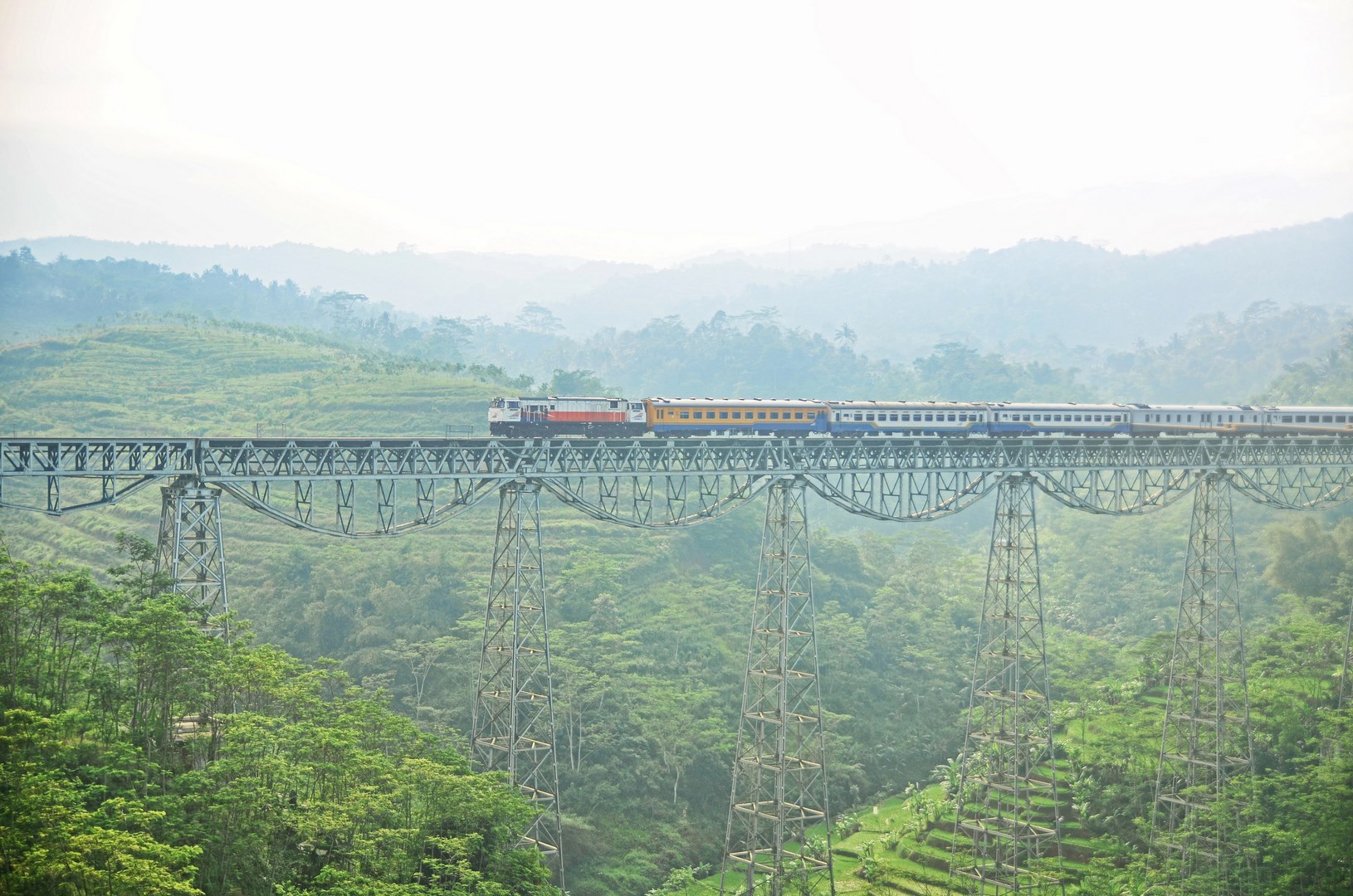
From Jakarta, you can catch an economy train from Pasar Senen Station (PSE) and arrive at Bandung Station or Kiaracondong Station. For a more premium experience, executive class trains depart from Gambir Station in Jakarta and go straight to Bandung Station — right in the city center. These trains are spacious, comfortable, and perfect if you prefer a more relaxed ride.
If you’re up for something a bit special, check out the Panoramic Train. It’s a unique service with extra-large windows designed to showcase the scenic views along the way — a real treat if you love train rides and beautiful landscapes.
Curious about how trains work in Indonesia? Check out our guide on How to Travel by Train in Indonesia or learn the differences between Jakarta’s Train Stations: Gambir vs Pasar Senen
From Yogyakarta to Bandung
Traveling by train from Yogyakarta to Bandung takes about 8 hours. There are various classes to choose from, including economy, executive, and even luxury options like the Panoramic Argo Parahyangan train and Argo Wilis Panoramic. The southern route features stunning views of rice fields and hills. Train tickets can also be booked via Traveloka.
From Jakarta to Bandung by Bus
Another popular option is traveling by bus. There are many buses from Jakarta to Bandung at different times, even late at night, and ticket prices are very affordable. The bus ride takes about 2.5 to 3 hours, depending on traffic. However, traveling on weekends may take longer due to heavy traffic.
From Jakarta, buses depart from Kampung Rambutan Terminal and arrive at Leuwi Panjang Terminal in Bandung, which is about 16 minutes from Gedung Sate (the city center). From there, you can continue your journey with an online ride-hailing service or other public transportation like the Bus Rapid Transit (BRT).
I do not recommend taking a bus from Yogyakarta to Bandung, as it takes much longer. If you’re planning to explore West Java, consider starting in Jakarta, visiting Bogor, and then heading to Bandung for a memorable journey.
Fly to Bandung (Direct Flight From Singapore)
Kertajati International Airport (serving Bandung) used to handle both domestic and international flights. However, as of June 2, 2025, it has stopped all domestic services, and now only operates international flights to Singapore, available on Tuesdays and Saturdays .
That means if you’d like to skip a layover in Jakarta, you can now fly directly from Singapore to Kertajati. From Kertajati Airport, you’ll still need to take a 1.5-hour road trip to reach Bandung city. You can get there by DAMRI buses or airport shuttles, but honestly, this isn’t the most convenient way to get into town — especially if you’re looking for a quick and easy trip. There are better options if you’re already in Jakarta or nearby.
Bandung Public Transportations
Similar to Jakarta, Bandung offers a variety of public transportation options such as buses, local trains, and angkot (shared minibuses). Nearly all tourist attractions in Bandung can be reached by public transportation, making it easy to explore the city on a budget.
An interesting aspect of Bandung’s transportation system is its diverse types of buses with different routes. Here’s a quick overview of public transportation in Bandung:
Trans Metro Bandung (TMB)
Trans Metro Bandung (TMB) is a public transportation service operating within the city. Many routes pass by popular attractions like Gedung Sate, Jalan Asia-Afrika, and Jalan Braga. There are at least six bus corridors operating daily from 5 AM to 5 PM. To visit Gedung Sate, you can take Corridor 3 (K3). For Jalan Braga and Jalan Asia-Afrika, hop on Corridor 2 (K2).
Basic Information:
- Operating Hours: 5 AM – 5 PM
- TMB Fare: IDR 4,000 (USD 0,25)
- Payment Methods: Cash, e-money cards, and QRIS
Trans Metro Pasundan (TMP)
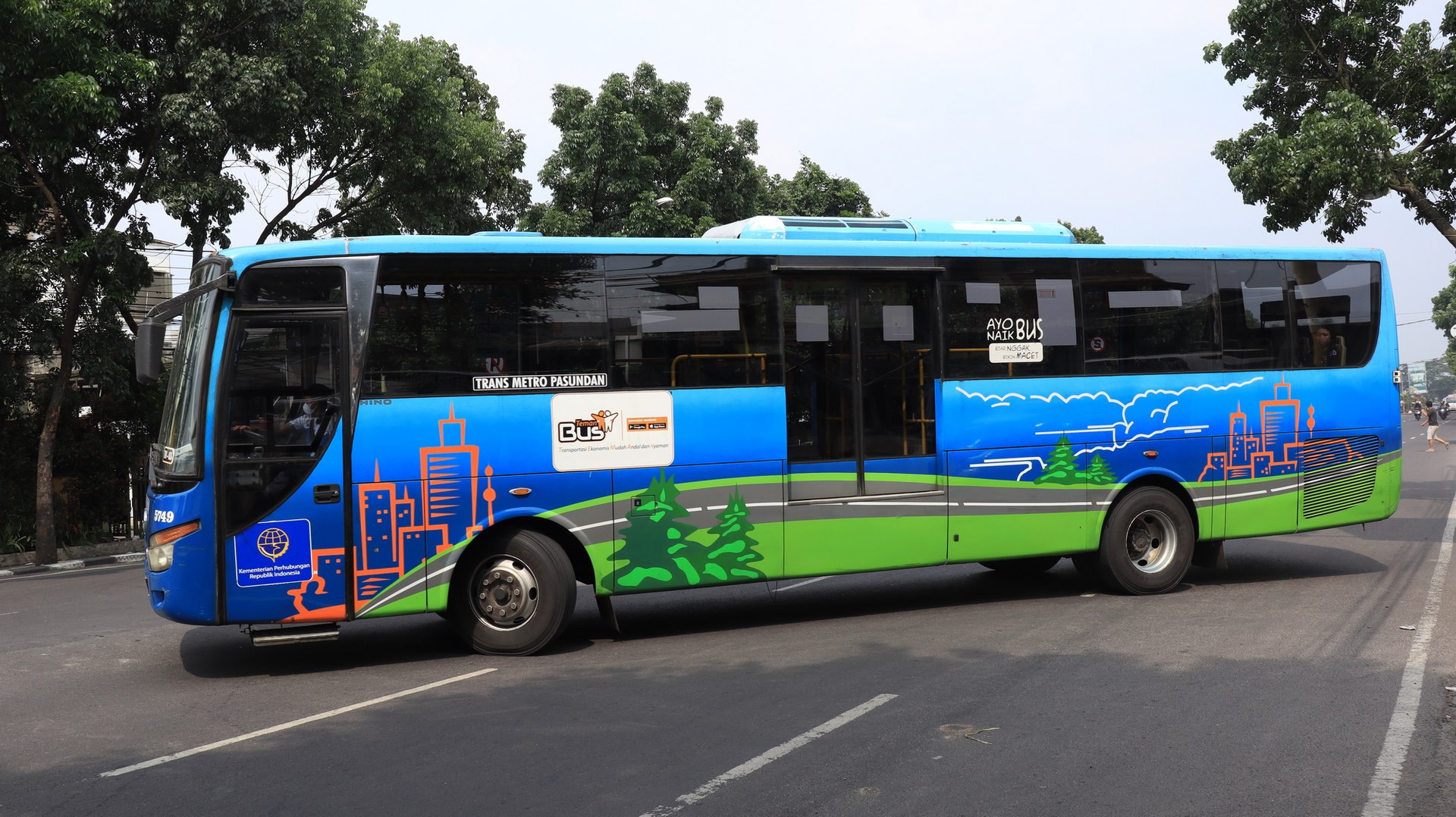
Trans Metro Pasundan (TMP) buses offer wider coverage than Trans Metro Bandung (TMB). They serve areas beyond Bandung city, such as Sumedang and nearby regions, with at least five corridors connecting destinations both within and outside of Bandung. For example, if you’re heading to Ciwidey, take Corridor 4 (Terminal Leuwipanjang – Dago), then transfer at Terminal Leuwipanjang to a local public vehicle bound for Ciwidey. The fare for TMP is just IDR 4,900 (USD 0,31), and payments are cashless, so you’ll need an e-money card or QRIS.
Bandros
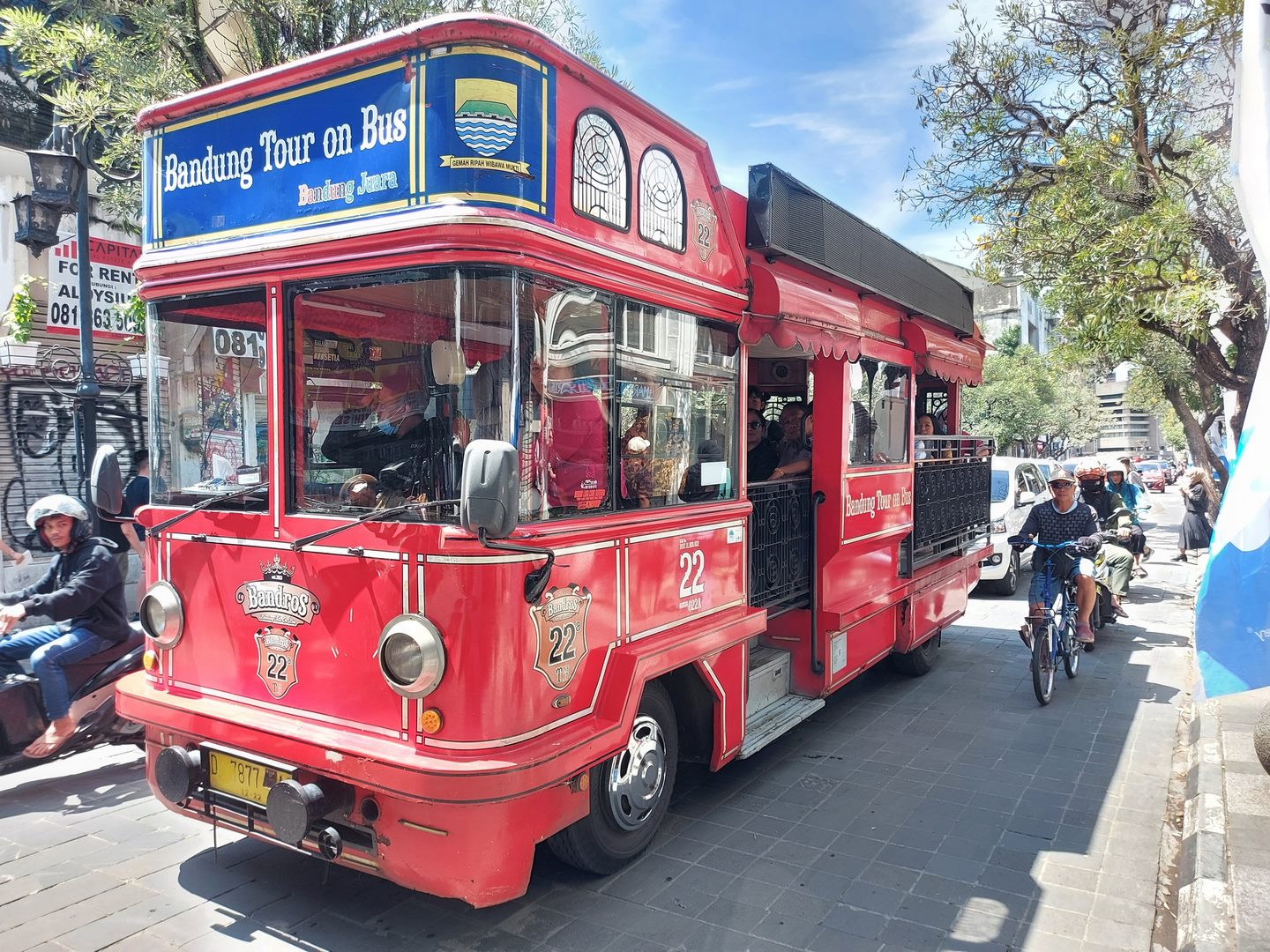
Bandros is a unique tourist bus with a semi-open design reminiscent of a classic tram. These colorful buses take you on sightseeing tours around Bandung’s attractions. You can start your journey from Bandung Square (Alun-alun) or Jalan Braga.
Each Bandros bus has a tour guide on board, and there is no additional cost for their service. This makes Bandros a great option for tourists who want a guided tour around the city without any hassle.
Basic Information:
- Operating Hours:
- Weekdays: 8 AM – 4 PM
- Weekends: 10 AM – 8 PM
- Ticket Price: IDR 20,000 (around USD 1,24) (payable on the bus)
- Official Account: For more information, visit their official Instagram account.
Angkots (Minivan)
Bandung also offers angkots (minivan) as part of its public transportation system. These angkots come in different colors representing various routes, typically green, blue, or yellow, with distinctive stripes to indicate specific routes. Angkots are best for short distances. For example, if you’re staying on Jalan Braga and want to visit Bandung Square, an angkot is a convenient option without needing to stop at a bus terminal.
Basic Information:
- Angkot Fare: Starting from IDR 5,000 (around USD 0,3) for short distances
Note: Most angkot drivers do not speak English well, so it’s a good idea to learn some simple Indonesian phrases, such as: “Mang, ke Alun-alun Bandung?” (meaning “Sir, does this go to Bandung Square?”) or, when you want to get off, “Kiri, Mang!” (meaning “Stop on the left, Sir!”).
Ojek Online (Online Motorbike and Car Taxi)
Ojek online (motorbike taxis) or online taxis are the most convenient form of public transportation in Bandung. Download the Grab or Gojek apps for easy access to rides with fares starting from IDR 10,000 (USD 1,64). Like Uber, these apps also offer various services, including food delivery.
Culinary Delights in Bandung

Bandung is known for its creative residents, not only in arts and history but also in crafting diverse and innovative culinary dishes. In fact, Bandung’s street food is a major trendsetter for food entrepreneurs across Indonesia. So what should you eat in Bandung?
I’ll focus on Bandung’s street food scene, as staple dishes like fried chicken, meatballs, soto, and noodles are widely available elsewhere too.
For savory snacks, try foods that start with “Ci,” like Cilok, Cireng, Cilor, Cilung, and Cimol. All these dishes share a common base ingredient: tapioca flour, known locally as “aci,” which is why their names begin with “Ci.”

Another must-try spicy street food is Seblak, a popular soup made from crackers soaked in spicy broth, often topped with eggs, greens, fish balls, sausages, and more.
If Seblak’s spiciness is too much, cool off with refreshing drinks like Es Goyobod and Es Oyen. Es Goyobod contains a mix of fruits and jelly served with coconut milk, condensed milk, syrup, and ice—perfectly refreshing. Meanwhile, Es Oyen is a shaved ice dessert topped with coconut milk, frambozen syrup, avocado, and sago pearls—simple but delicious!
Last but not least, don’t miss Surabi Bandung, a pancake-like treat made from rice flour and coconut milk, cooked on clay pans and topped with various toppings like jackfruit, chocolate, cheese, or even eggs. It’s incredibly tasty!
Interested in Indonesian street food? Read our top picks in Best 15 Indonesian Street Foods: A Flavorful Journey Through Local Delights.
Bandung is also a hub for cakes and souvenirs, especially those made with chocolate and milk. Don’t forget to try Bolen Kartikasari, Bolu Susu Lembang, Kue Balok Lumer, Ciwidey Chocolate, and many more treats.
How Long Should You Stay in Bandung
If you’re planning to explore the beauty of Bandung, a 3-day, 2-night trip is ideal. On the first day, you can explore the city by visiting Gedung Sate, its museum, and strolling along Jalan Asia-Afrika and Jalan Braga. On the second day, head to Lembang and Mount Tangkuban Perahu, then return to Bandung for a night of culinary delights on Jalan Sudirman.
On the third day, start early and visit Kawah Putih, then continue with your travels. If you only have two days, it’s best to focus on a few spots in Bandung and Lembang. Traveling outside of weekends and renting a car with a driver for attractions outside the city may be more efficient than using public transportation.
Summary
There is so much to discover in Bandung, from tourist spots, culinary delights, and fashion to the rich Sundanese culture. While Bandung may not yet be a major destination for international tourists, once you visit, you’ll want to come back again and again. Be sure to recommend Bandung to your friends.
Bandung continues to evolve, offering new places and attractions that entice visitors. It’s no wonder that people from Jakarta often spend their weekends in this vibrant city.