
If you’re traveling to Dieng Plateau, you’ll quickly notice something unusual in the local shops and roadside stalls — jars and cups filled with yellow fruit pieces floating in syrup. That fruit is called carica.
And Dieng is one of the very few places in Indonesia — and in the world — where it grows naturally.
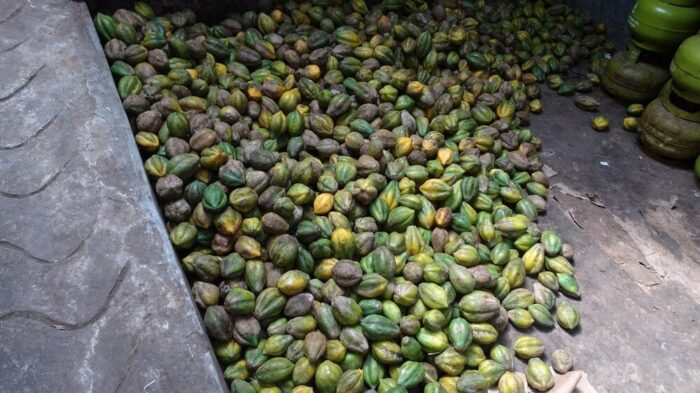
If you’ve never heard of it before, you’re not alone. Carica (often called mountain papaya) looks similar to papaya but tastes completely different. Slightly tangy, mildly sweet, and very refreshing — especially in the cool mountain air of Dieng.
Here’s what you should know before trying it.
Why Carica Grows in Dieng
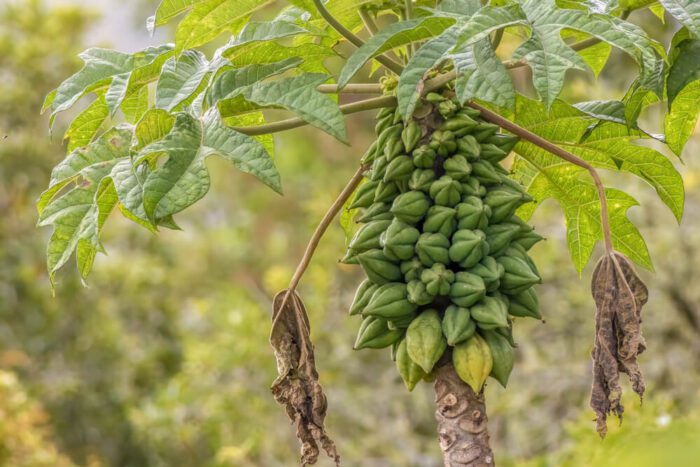
Carica (scientifically known as Vasconcellea pubescens) is often called mountain papaya. At first glance, it looks similar to regular tropical papaya, but it grows in completely different conditions.
Unlike common papaya, which thrives in hot lowland climates, carica needs cooler temperatures and higher elevation to grow properly. And that’s exactly why it grows in Dieng.
Dieng Plateau sits at around 2,000 meters (6,500 feet) above sea level, making it one of the highest and coldest inhabited areas in Java. Morning temperatures can drop significantly, especially during the dry season. This cool mountain climate, combined with fertile volcanic soil, creates ideal conditions for cultivating carica — something you won’t find in lowland areas.
Carica is not originally from Indonesia. It comes from the Andean highlands of South America, particularly Peru and Ecuador, where it also grows at high elevations in cooler climates.
Outside of the Andes, cultivation is limited. In Southeast Asia, Dieng is one of the very few places where it grows successfully on a larger scale. Because of this, carica has become one of Dieng’s signature agricultural products.
Dieng has many temples, how do they differ? Read Best Temples to Visit in Dieng Plateau.
What Carica Tastes Like
If you try carica straight from the tree, you might be surprised. On its own, the fruit is quite sour and slightly bitter. It’s not something most people would happily eat raw.
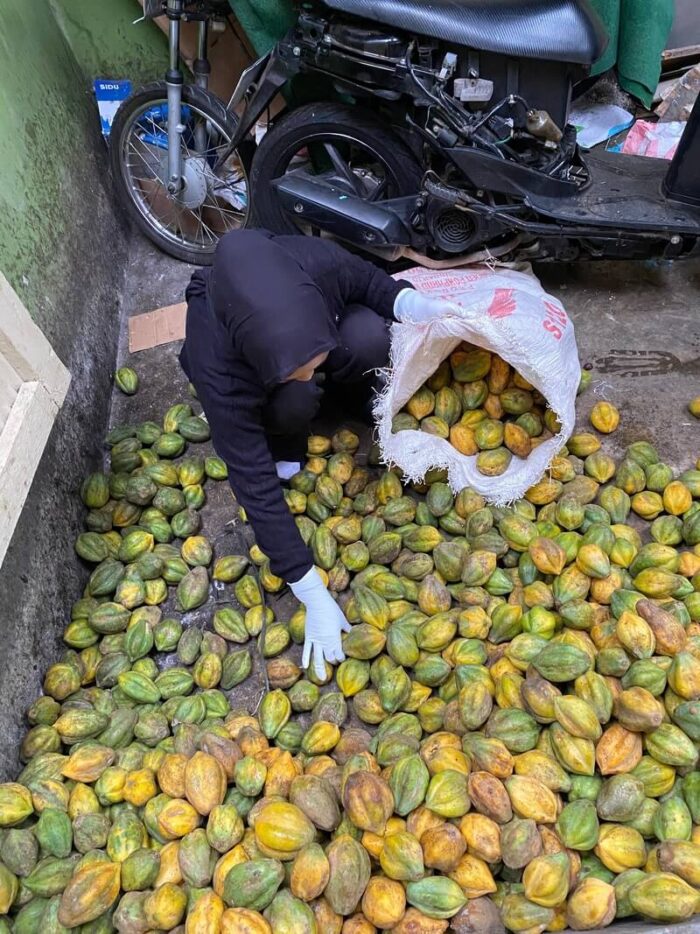
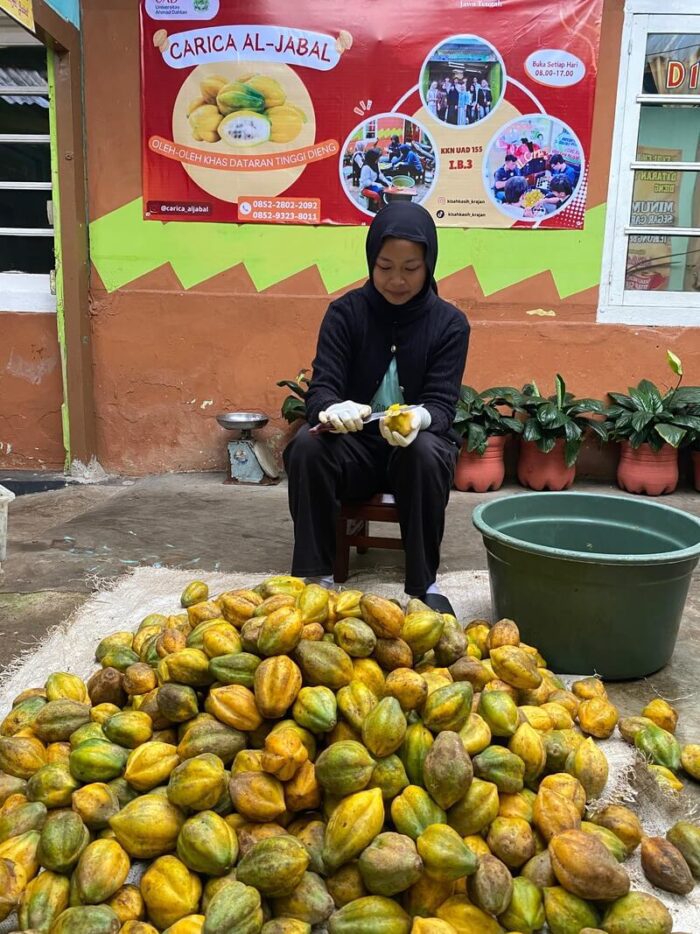
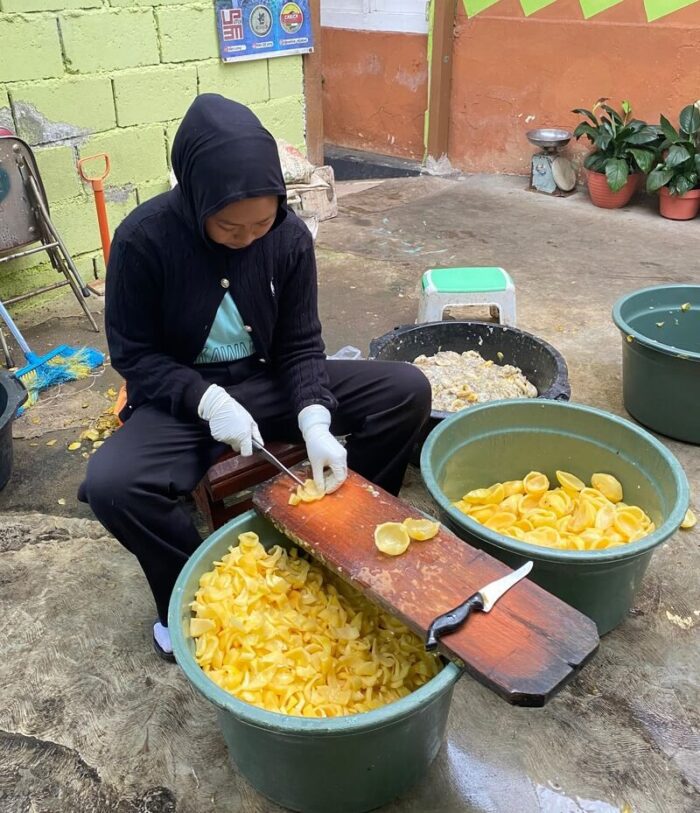
That’s why carica in Dieng is almost always processed into a sweet preserved version. It might remind you of compote — soft fruit pieces soaked in clear syrup. The texture is tender but still slightly firm, and the sweet syrup balances out the natural acidity of the fruit.
The process is relatively simple. The fruit is peeled, the seeds are removed, and the flesh is cut into small pieces. It’s then briefly boiled and preserved in a sugar syrup. The result is a refreshing, slightly tangy dessert that’s best served chilled.
Backindo Tip: A similar method is also used for terong belanda (tamarillo), another highland fruit that grows in Dieng. It’s also quite sour when fresh, so it’s often processed into sweet preserves or syrup-based desserts.
Over the years, local producers have started experimenting with new variations — including spicy carica, mixed fruit blends, or less sweet¨sugar versions.
They’re interesting to try once, especially if you’re curious about local food experiments. But honestly? Most travelers we’ve spoken to — and us included — tend to agree that the classic sweet version in syrup is still the best. And if you prefer fruit that’s more tangy and less sweet, you might actually enjoy terong belanda even more.
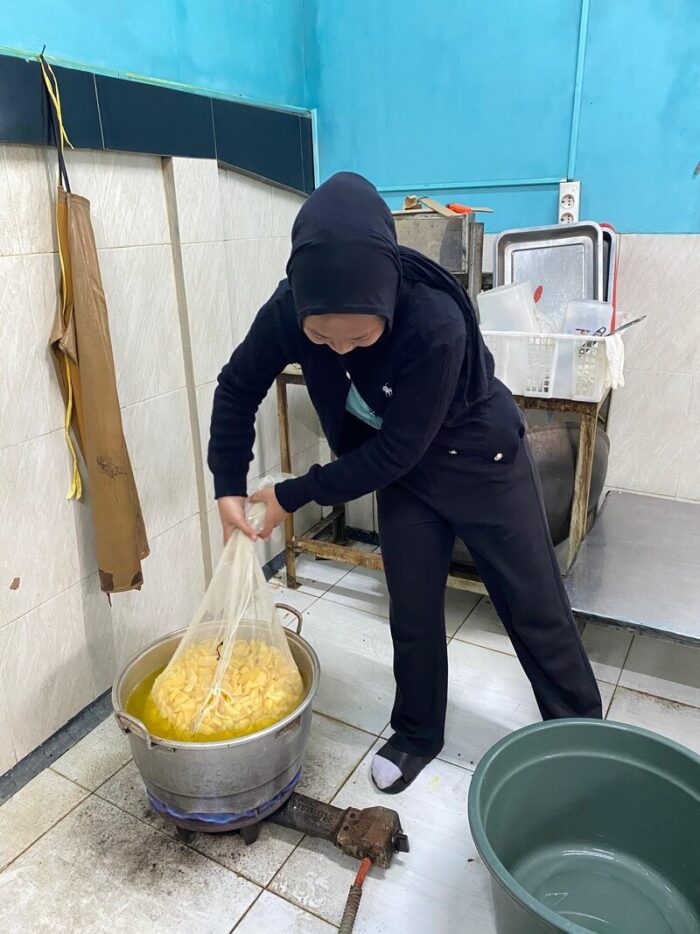
One thing you’ll quickly notice is that quality varies depending on the producer. Some versions are overly sweet, others too soft, and occasionally the syrup can taste artificial. If you find a good brand, it makes a big difference.
We personally liked Carica Al Jabal — the fruit pieces were firm, the syrup wasn’t overly sugary, and it tasted fresh rather than processed. Of course, everyone has their own preference, but it’s a good starting point if you’re not sure which one to try.
Dieng offers some of the best sunrises in Java. Mount Sikunir is one of the easiest and most accessible viewpoints, Mount Bismo is quieter and far less crowded, and Mount Prau is the best choice if you’re looking for a proper hiking or camping experience.
Where to Try Carica in Dieng
You don’t need to search hard to find carica in Dieng. It’s sold in small roadside shops, souvenir stores, local markets, and even in some cafés and restaurants around the plateau.
Many places offer small ready-to-eat cups, while others sell sealed jars that you can take home as souvenirs. If you want to try it at its best, look for refrigerated versions — carica tastes much better when served chilled.
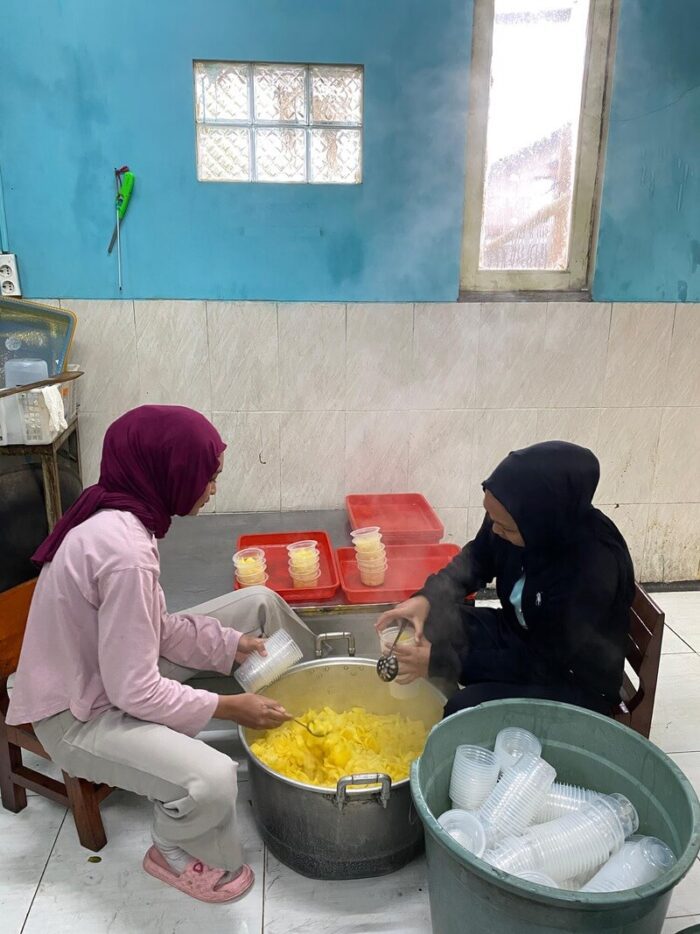
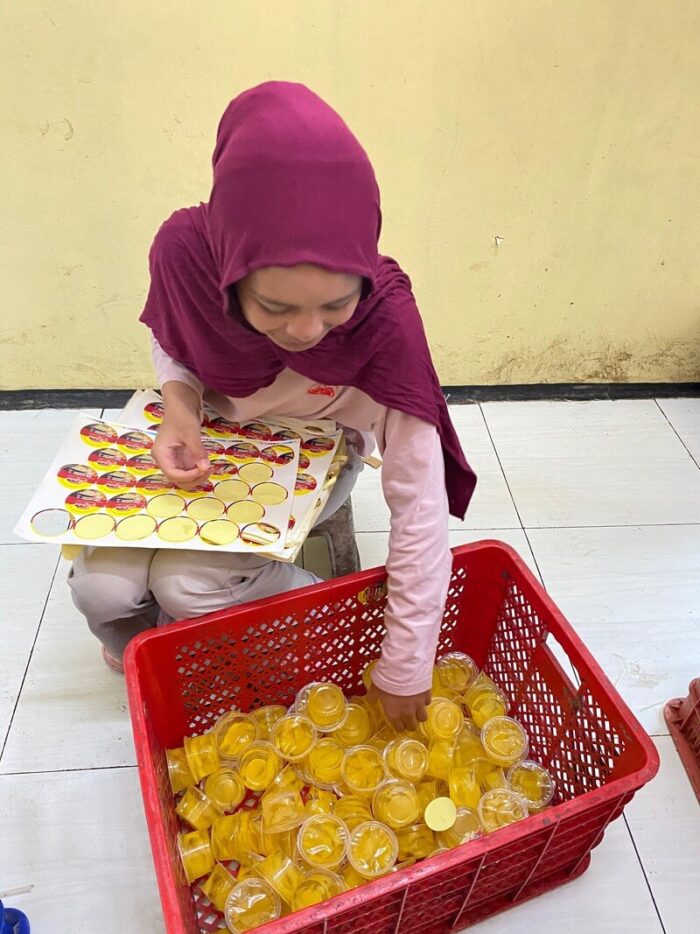
That said, from experience, many travelers leave Dieng without ever trying it. Often simply because they don’t know what it is. It just looks like another jar of preserved fruit on a souvenir shelf. And sometimes there’s uncertainty about pricing or bargaining, which makes people hesitate.
If you’re driving through Batur — a village about 20 minutes from Dieng — you can also stop at the small Carica Al Jabal production house. It’s a family-run business owned by the family of Dini’s sister-in-law (Dini is the co-author of this blog). This is not a tourist attraction, but a small local production facility, so visits are only possible when the family is available.
Backindo Tip: If you’re interested, feel free to contact us at hello@backindo.com, and we can check whether a short visit might be possible during your trip.
Another option is visiting Dini in her home village of Gumiwang, located between Purwokerto and Wonosobo on the way toward Dieng. Her mother-in-law runs a small traditional tempeh production there, and the family also sells Carica Al Jabal directly from their network.
Dini occasionally hosts travelers for a simple home-cooked lunch and a village experience, which can include a proper carica tasting if you happen to be traveling through the area.
Is Carica Worth Trying?
Since Dieng is one of the very few places in Indonesia where it grows naturally, this is your chance to taste something truly local.
And if you enjoy discovering regional specialties that most visitors walk past without noticing, carica is exactly that kind of experience.
Continue reading: