
As a tropical country, Indonesia offers lush landscapes, warm weather, and rich biodiversity—but it also provides the perfect environment for mosquitoes to thrive. During the rainy season (typically from November to April), mosquito-borne illnesses such as dengue fever and malaria become more common, especially in certain regions.
In this guide, we’ll walk you through everything you need to know about malaria in Indonesia: islands where risk is higher, the symptoms to watch for, how to prevent it, and what to do if you get sick. It’s not meant to scare you, but to help you travel smarter and safer.
What Is Malaria?
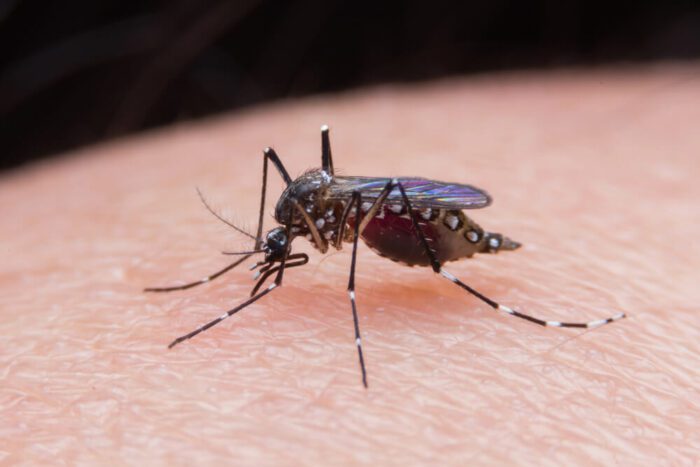
Malaria is a mosquito-borne disease caused by a parasite called Plasmodium. You can only get it through the bite of an infected Anopheles mosquito (the type that usually comes out at night).
It’s different from dengue, even though the symptoms can feel similar at first—fever, chills, headaches, and body aches. But malaria can be more serious if left untreated, because it affects your red blood cells and can lead to complications like anemia, organ issues, or worse.
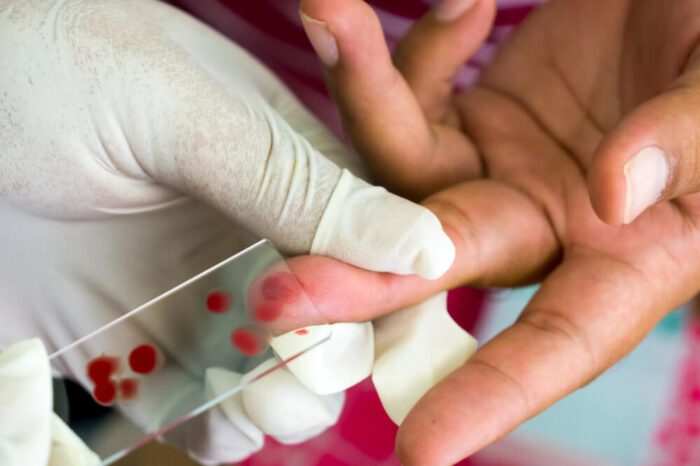
In Indonesia, the most common types are Plasmodium vivax and falciparum, especially in more remote or forested areas. Symptoms usually show up 10–15 days after a bite—so if you’ve been in a malaria-prone area and start feeling really unwell, don’t wait to see a doctor.
Areas in Indonesia Prone to Malaria
Not all of Indonesia is affected by malaria — but in some regions, the risk is real and worth taking seriously. The highest number of cases are reported in the eastern part of the country, particularly in Papua, Maluku, and East Nusa Tenggara (NTT), especially on the island of Sumba. These areas have ongoing malaria transmission, so if you’re traveling there, it’s a good idea to take extra precautions like using insect repellent or wearing protective clothing.

That said, other parts of Indonesia aren’t completely malaria-free. The Anopheles mosquito — the one that spreads malaria — prefers coastal regions, mangroves, and tropical rainforests. That means areas like the Mentawai Islands, Karimunjawa, and parts of Kalimantan (Borneo) also carry some level of risk, though it’s generally lower than in the east.
In short, if you’re sticking to big cities or well-traveled parts of Java or Bali, you don’t need to worry too much. But if you’re venturing into wilder, remote regions, it’s smart to be prepared.
How to Avoid Getting Malaria
Malaria is rare in most tourist areas of Indonesia, but if you’re heading to remote regions, especially in Papua, Kalimantan, or Sumatra, it’s smart to take precautions. Here’s how to protect yourself:
- Wear long sleeves and pants, especially around sunset and sunrise when mosquitoes are most active. This is crucial in forested or coastal areas.
- Use repellent with at least 50% DEET and reapply regularly—especially after sweating or swimming.
- Choose mosquito-safe accommodation with nets, fans, or insect screens. In some eco-lodges, treated bed nets are a standard part of the setup.
- Limit outdoor activity at dusk, or take extra protection if you need to be out.
Backindo Tip: Another option is to take antimalarial medication, especially if you're traveling to high-risk areas for an extended period. But this should be discussed with a doctor—some meds must be started weeks before the trip and can have side effects.
What to Do If You Get Malaria
If you’ve recently been to a malaria-prone area and start feeling unwell — fever, chills, body aches, or unusual fatigue — don’t wait it out. Head to the nearest clinic (Puskesmas) or hospital as soon as possible. Doctors in Indonesia are used to spotting and treating malaria, and early diagnosis makes a big difference.
Treatment is straightforward when caught in time. Most cases can be cured within two weeks using Artemisinin-based Combination Therapy (ACT) — the standard treatment here.
Still, it’s way better to avoid getting sick in the first place.

Malaria Vaccines: Are They Available for Travelers?
There are malaria vaccines — like RTS,S (Mosquirix) and the newer R21/Matrix‑M — but right now, they’re mainly used in Africa for young children living in high-risk areas. These vaccines are designed to protect against Plasmodium falciparum, the most dangerous malaria parasite, but they’re not widely available for travelers and not currently recommended for trips to Indonesia. For now, your best protection is still mosquito prevention and, if needed, antimalarial medication.
Should You Be Worried About Malaria in Indonesia?
For most travelers, there’s no need to stress. The majority of tourist destinations in Indonesia are malaria-free or low-risk. But if you’re heading somewhere remote — like Papua, Maluku, or Nusa Tenggara Timur — it’s smart to be prepared.