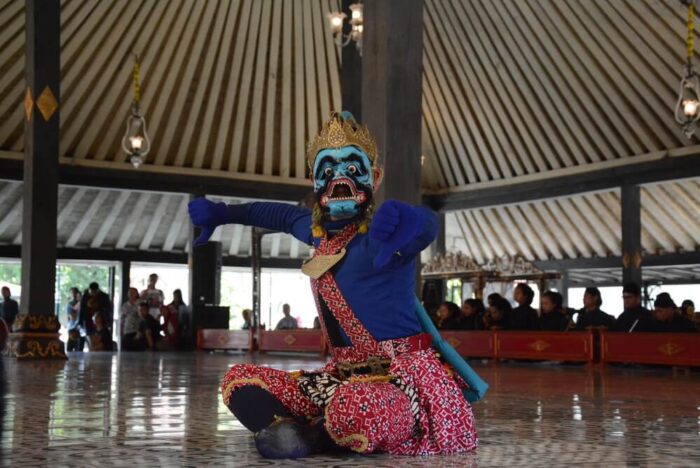
When you’re in Yogyakarta, the Keraton (Sultan’s Palace) is one place you really shouldn’t skip. It’s the heart of the city — not just geographically, but culturally. Yogyakarta is a special region in Indonesia with its own Sultan, and this is where he actually lives and works. That alone makes it a one-of-a-kind place in the country.
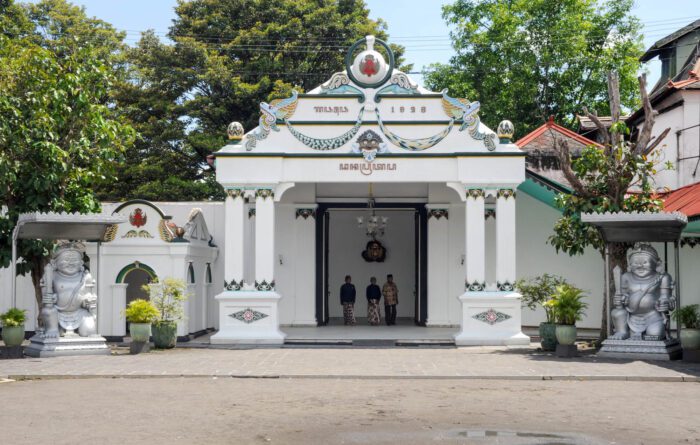
If you want to understand why Yogyakarta is known for culture, tradition, and art — this is the place to start.
Why Visit Sultan’s Palace?
Unlike many royal palaces across Indonesia that are no longer in use, the Keraton is still a living palace — home to the Sultan and his family. When you step inside, you’re not just looking at history, but walking through spaces that are still part of daily life.
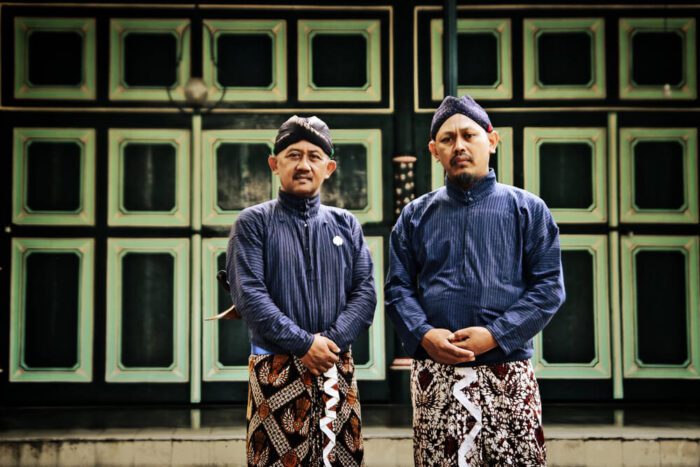
Expect a mix of quiet courtyards, open pavilions, and simple museum rooms with batik, photographs, and royal heirlooms. You’ll see palace staff (abdi dalem) in traditional Javanese attire.
If you visit in the morning, especially Tuesday to Sunday between 9 and 11 AM, you might also catch a gamelan performance or a traditional dance, included with the entry ticket.
Looking for traditional performances in Yogyakarta but mornings don’t work for you? Check out the evening wayang shows at Sonobudoyo Museum.
A Brief History
The Yogyakarta Palace, officially called Kraton Ngayogyakarta Hadiningrat, was founded in 1755 by Sultan Hamengkubuwono I — right after the Mataram Kingdom was split into two parts: Surakarta and Yogyakarta.
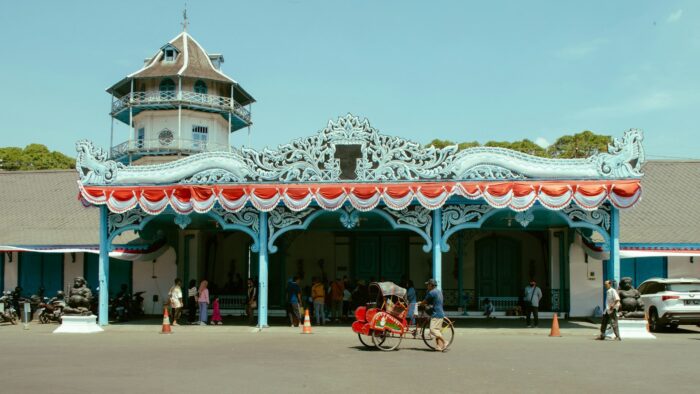
The Keraton was built on land that used to be forest, and its location isn’t random. It was designed following a Javanese cosmological concept, with an imaginary line connecting Mount Merapi, the palace, and the Southern Sea. This layout reflects the Javanese belief in harmony between nature, people, and the spiritual world.
Keraton is on the top of our list of 23+ Local Tips What to Do and See in Yogyakarta.
What to See & Do
Museum Kedhaton
The Yogyakarta Palace (Keraton) isn’t just one building — it’s a royal complex made up of several separate sites. When people say they’re “visiting the Keraton,” they usually mean the Museum Kedhaton — the main palace area open to the public, and the cultural heart of the complex.
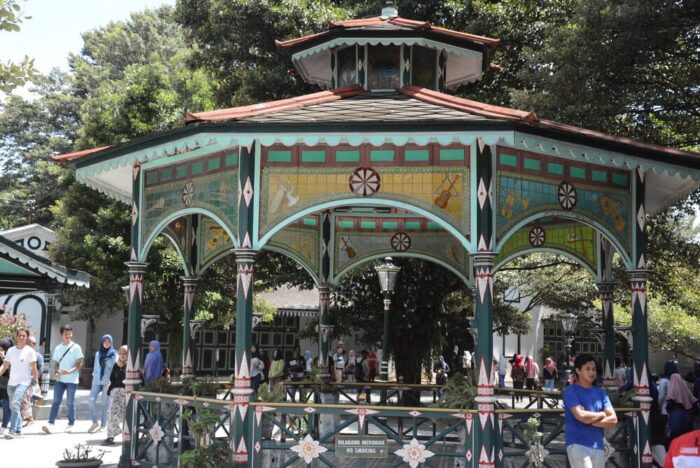
This is where you’ll walk through open-air pavilions, tiled courtyards, and small museums showcasing royal items, paintings, and batik. The rooms are themed — you’ll find a Life Cycle Room, Painting Room, and Patehan Room (the traditional tea room). There’s also a Temporary Exhibition Room that changes throughout the year.
One of the highlights is the Srimanganti Pavilion, where daily traditional performances take place between 9:00 AM and 11:00 AM:
- Tuesday: Gamelan (Uyon-Uyon) and Classical Dance
- Wednesday: Wayang Golek (wooden puppets)
- Thursday: Wayang Kulit (shadow puppets)
- Friday: Macapat (Javanese poetry)
- Saturday: Wayang Wong (dance drama)
- Sunday: Gladhen Beksan Kawedanan Kridhamardawa (traditional court dance)
You can check the schedule for the upcoming week on Instagram.
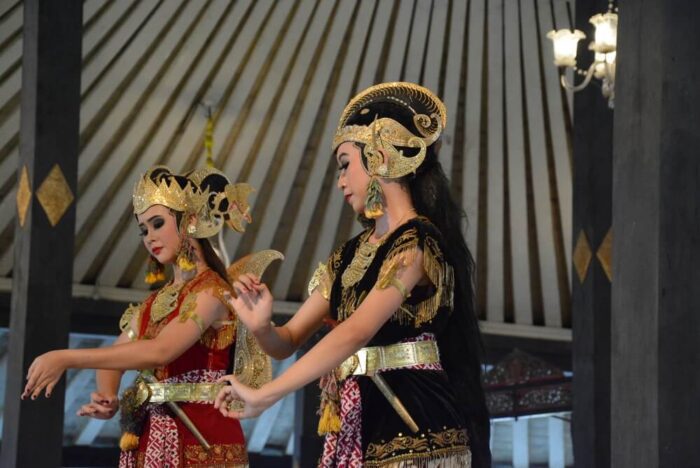
These shows are included in your entrance ticket — no extra fee. Just come during the given time.
Backindo Tip: Some areas of the Keraton are private and not accessible. What’s open to the public is a small but meaningful slice of the royal grounds.
Other Museums
Apart from the main palace, the Keraton complex includes two other sites:
Taman Sari (Water Castle)
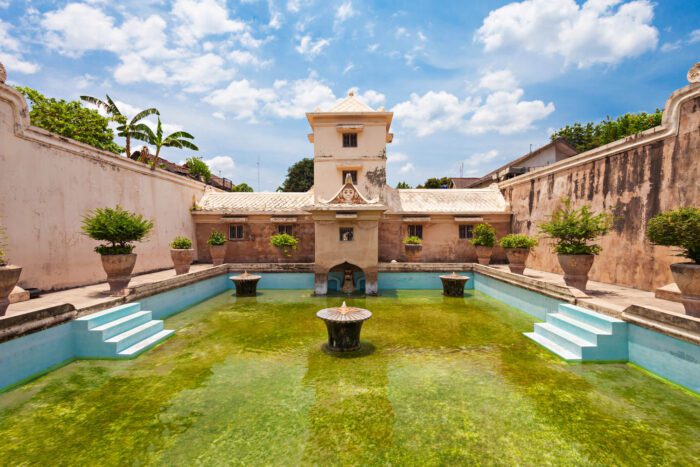
Once a royal garden and bathing area for the Sultan’s family, this site is now a photogenic maze of pools, underground passages, and old architecture. It’s located about a 15-minute walk from the main palace and is worth a visit for its history and vibe.
Museum Wahanarata
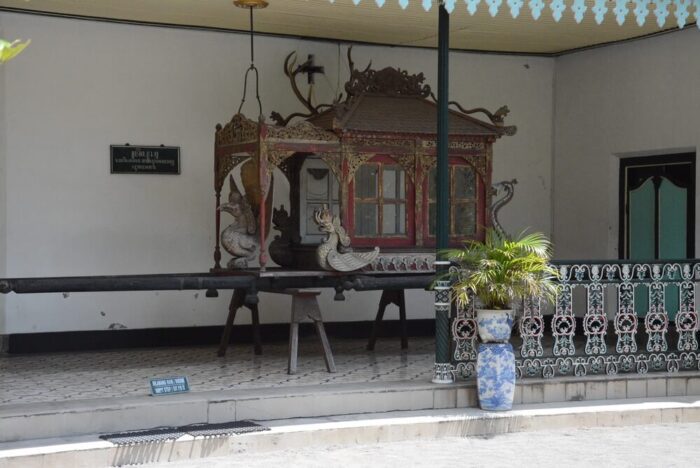
A smaller museum displaying the Sultan’s traditional carriages and ceremonial accessories. It blends classic history with modern tech — including AR photo booths and an immersive 180° video room.
If you’re visiting on a Saturday (09:00–15:00), check out the Turangga Tour: it’s a family-friendly activity where kids can feed horses, learn palace traditions, or enjoy a short horse ride.
Looking for a driver in Yogyakarta who can help you explore the city and nearby attractions? Contact us at hello@backindo.com — we’ll gladly share our recommendations.
Practical Info
Opening hours
- Kedhaton (Main Palace): Tuesday–Sunday, 08.30–14.30
- Wahanarata (Carriage Museum): Tuesday–Sunday, 09.00–15.00
- Taman Sari (Water Palace): Daily, 09.00–15.00
All sites are closed on public holidays and Mondays (except Taman Sari).
Ticket Prices (for foreign visitors)
- Kedhaton: IDR 25,000 (~$1.60 USD)
- Wahanarata (Carriage Museum): IDR 30,000 (~$1.95 USD)
- Taman Sari: IDR 25,000 (~$1.60 USD)
For children (age 2–12) discounted tickets are available. Also bring cash — cards are not accepted. There’s a small additional fee if you bring a camera.
Backindo Tip: Tickets are also available online at Traveloka. Or you can visit the Kraton as part of a guided day tour, available on platforms like Klook or GetYourGuide.
Plan to spend about 1 to 1.5 hours at each site for a relaxed visit. The morning hours are ideal — it’s cooler, performances usually take place then, and crowds are smaller. As for clothing, wear light, breathable outfits and comfortable shoes, and remember to cover your shoulders and knees, especially in royal or sacred areas. Shade is limited, so a hat or umbrella can be very useful.
Backindo Tip: Drones are not allowed in any part of the Kraton complex. Some rooms may have no-photo signs, so keep an eye out or ask the staff if unsure.
How to Get There
If you’re staying around Malioboro or central Yogyakarta, getting to the Keraton is super easy. You can just walk—it takes about 15–20 minutes, and it’s a nice stroll with plenty to see along the way. If you don’t feel like walking, hop on a becak (pedicab) from the roadside. Just negotiate the price—usually around IDR 20,000 ($1.20 USD) – IDR 40,000 ($2.40) depending on how far you are.

For something quicker, you can use Gojek or Grab. Just type in “Keraton Yogyakarta” and book a motorbike—it’ll cost you around IDR 10,000 ($0.60 USD) – IDR 20,000 ($1.20 USD) from nearby areas. On a budget? Take Trans Jogja and get off near Jl. Malioboro or Jl. Panembahan Senopati, then walk the rest of the way.
Backindo Tip: After visiting the Keraton, head over to Taman Sari (Water Castle). It’s only about a 15-minute walk or a short motorbike ride away.
Where to Stay?
For the easiest access to the Kraton, stay near Malioboro — it’s central, walkable, and full of energy. If you want something modern yet comfortable, check out GAIA Cosmo Hotel. If you’re on a tighter budget, Puri Pangeran Hotel is a solid choice. For a touch of colonial heritage, The Phoenix Hotel delivers old-world charm (but at a premium price). If you prefer somewhere more peaceful and homey but still close by, The Patio Yogya is a lovely locally-run guesthouse with a warm atmosphere.
Learn more in Complete Guide to Accommodation in Yogyakarta & Tips Where to Stay.
Is Kraton Worth a Visit?
Absolutely — especially if you want to understand what makes Yogyakarta so unique. This isn’t just a museum; it’s a living part of the city, where tradition, art, and royal heritage are still part of everyday life. You won’t find another place in Indonesia where the Sultan still lives in the palace and where old customs are so visibly preserved.
Even if you’re not a history buff, a walk through the Kraton gives you a sense of Yogyakarta’s identity.