
For most travelers, Manado is the gateway to North Sulawesi. This is where you land, organize your first hotel, and decide whether to continue to Bunaken, Tomohon, Tangkoko, Bangka or Lembeh.
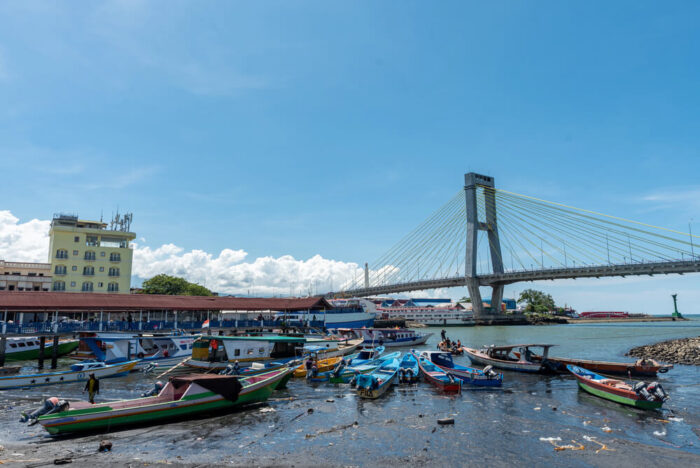
Many people spend almost no time in the city itself, and that is understandable. But Manado is more than just an airport stop. It has a busy waterfront, strong local food culture, and enough character to deserve at least one proper look before you move on.
This guide focuses on what to do in Manado, where to stay, how to get around, and how to fit the city into a wider North Sulawesi route.
Why Visit Manado?
Manado is not a city you visit for a long list of famous sights. It is more useful as a comfortable base with local character.
If you give it at least one full day, you can walk around Chinatown, visit Ban Hin Kiong Temple, spend late afternoon by the waterfront, and try Minahasan food before continuing deeper into North Sulawesi.
The city also feels different from many other parts of Indonesia. You’ll notice more churches, a stronger Christian identity, visible Chinese influence, and food that is often much spicier than what travelers first try in Java or Bali.
Where Is Manado?
Manado sits on the north coast of Sulawesi and is the capital of North Sulawesi. The city faces Manado Bay and is backed by hills, which makes parts of it more scenic than many travelers expect from a provincial capital.
For trip planning, the main point is simple: Manado is the main transport hub for North Sulawesi. This is where most travelers fly in, arrange drivers, reach the Bunaken departure area, and continue overland toward Tomohon, Bitung or Tangkoko.
If you are still mapping out the region, start with our North Sulawesi Travel Guide. It gives the bigger route picture, while this article focuses on the city itself.
Best Things to Do in Manado
Manado is not packed with headline attractions, but it has several places that are worth your time if you stay a day or two.
Malalayang Beach
Malalayang is one of the easiest places to understand local seaside life in Manado. This is not the city beach you choose for a classic swim day, but it is a very good place for a walk, a snack, and late afternoon views across the water.
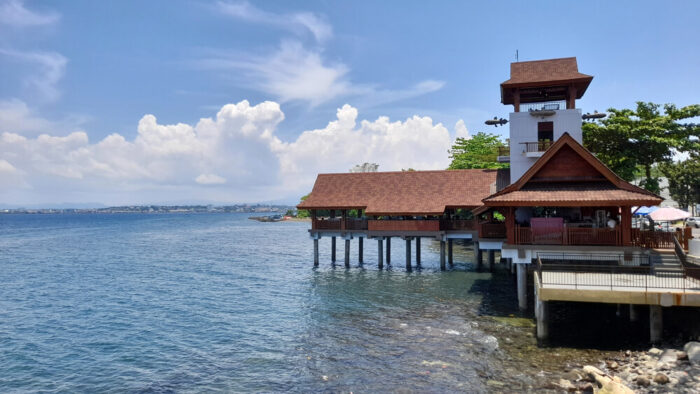
The area gets livelier toward sunset, when locals come here to sit, eat, and spend time by the sea. If you want to try casual street food and see a more social side of the city, this is one of the best easy stops.
Boulevard Area on Jalan Piere Tendean
The Boulevard area along Jalan Piere Tendean is the most practical part of modern Manado. This is where you find many of the city’s hotels, restaurants, malls, cafes, and waterfront traffic.
It is not a sightseeing highlight in the usual sense, but it matters because this is where many travelers will stay and where a big part of daily urban life happens. If you want the easiest base in the city, this area usually makes the most sense.
Makatete Hills
If you want a quick viewpoint above the city, Makatete Hills is one of the easiest options. You can reach it by car or scooter, and from the top you get broad views over Manado Bay and the surrounding hills.
The large white cross here also says something important about the region. Christianity is highly visible in North Sulawesi, and places like this help explain why Manado feels culturally different from many other cities in Indonesia.
God Bless Park
God Bless Park is a popular local park where people come in the late afternoon to walk, exercise, meet friends, or simply spend time outside. If you want a more everyday city stop, this works better than trying to force another sightseeing detour.
Its best-known landmark is the monumental sculpture of raised hands, which reflects the same public religious identity you see elsewhere in Manado. Even a short stop here gives you a better sense of the city’s atmosphere.
Chinatown and Ban Hin Kiong
One of the more interesting short walks in Manado is through Chinatown, where the city feels older, denser, and more layered than around the newer waterfront. You will find traditional shopfronts, narrower streets, local restaurants, and a visible Chinese influence that is still part of Manado’s identity.
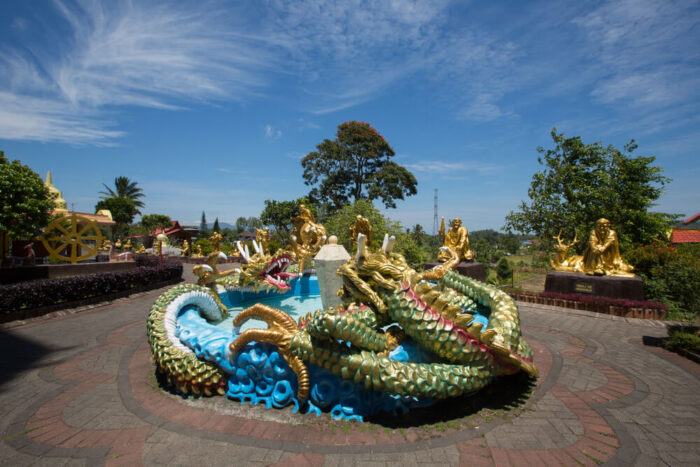
The main landmark here is Ban Hin Kiong in the Calaca area, the oldest Chinese temple in Manado, with roots going back to the 19th century. It is worth a short stop if you want to see a different side of the city beyond the malls and hotels.
Ir. Soekarno Bridge
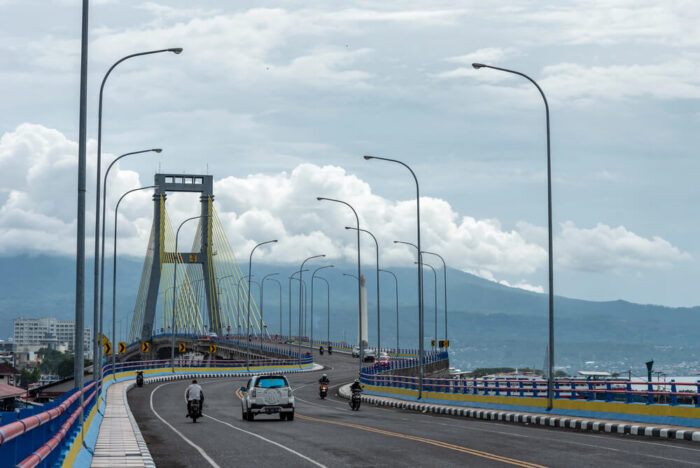
Ir. Soekarno Bridge is one of the better-known symbols of modern Manado. During the day it is mostly a visual landmark, but in the evening the area becomes more appealing, especially when the bridge is lit up and reflected on the water.
This is another good place for a short evening stop if you want views, a walk, and nearby food stalls without planning anything complicated.
Christ Blessing Statue
If you do not mind going a little beyond the most central parts of the city, the Christ Blessing Statue is one of Manado’s best-known landmarks. The statue stands in the Citraland area above the city and is usually treated as an optional stop rather than a must-do city sight.
It is worth considering if you want a broader look at Christian Manado and do not mind combining it with a viewpoint-style detour. If your time is short, Malalayang, Chinatown, and the waterfront usually give you a better feel for the city itself.
Best Day Trips from Manado
One of the biggest reasons to stay in Manado is what you can reach from it.
Bunaken National Park
For many travelers, Bunaken is the main reason to spend time in Manado at all. The city works as the easiest mainland base if you want a Bunaken day trip for snorkeling or diving.
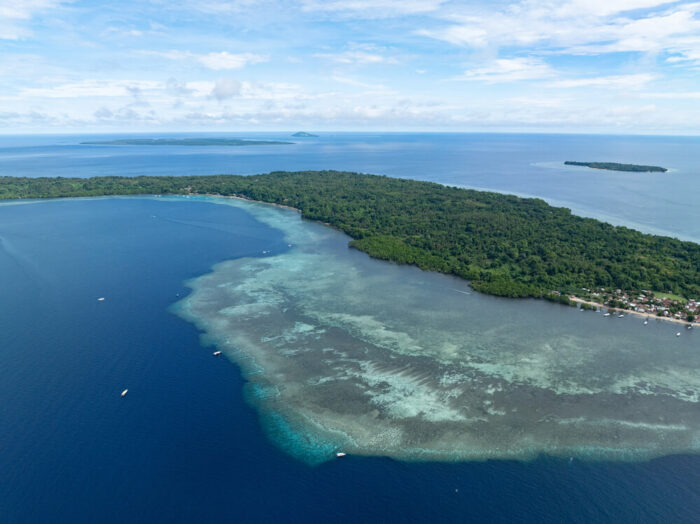
If you are planning Bunaken independently, one practical detail to know is that public and local boat logistics are commonly associated with the Pasar Bersehati / Calaca side of Manado. But in practice, many foreign travelers now use arranged transfers, dive shops, or private day trips instead, because it is simpler than figuring out local departures on the spot.
If marine life is your priority, read our full Bunaken National Park guide separately, because Bunaken planning is quite different from city planning.
Tomohon
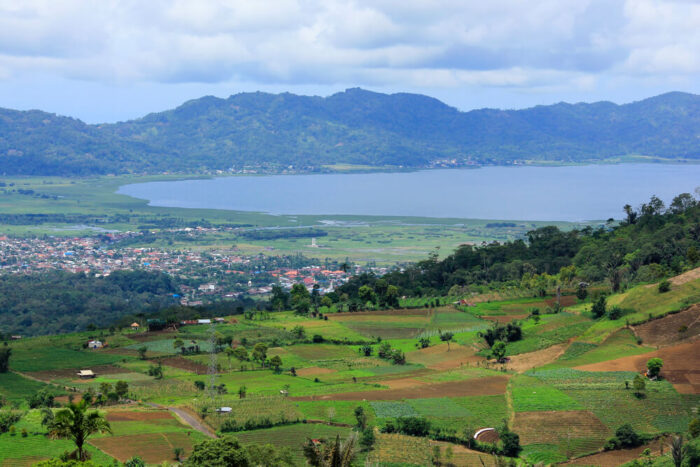
Tomohon is the easiest inland contrast to Manado. It adds cooler air, volcano scenery, crater lakes, and highland roads to a route that might otherwise stay focused on the coast.
This is one of the best choices if you want a day trip that feels clearly different from the city without needing a long transfer.
Thinking about visiting Tomohon? Learn more in our detailed guide Tomohon: Volcanoes, Lake Linow, Market.
Tangkoko
If wildlife matters more than scenery, Tangkoko is one of the strongest add-ons from Manado. It is best known for tarsiers and black macaques, and it works especially well if you want to balance Bunaken’s marine life with a land-based wildlife stop.
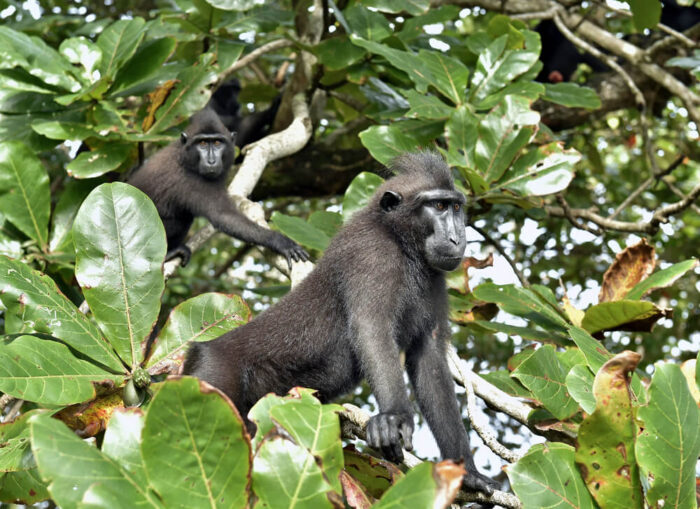
For the best wildlife timing, an overnight stay near the reserve is usually better than trying to do the whole visit as a rushed same-day return from Manado.
Waruga and Lake Tondano
If you want a cultural and scenic day outside the city, Waruga and Lake Tondano can work well together. The Waruga site gives you a look at the old Minahasan stone sarcophagi, while Lake Tondano adds a cooler highland landscape and a different side of the region from the coast.
This is a good option if you have already planned Bunaken or Tomohon and still want one more day trip that adds historical context rather than beaches or wildlife.
Bangka and Lembeh
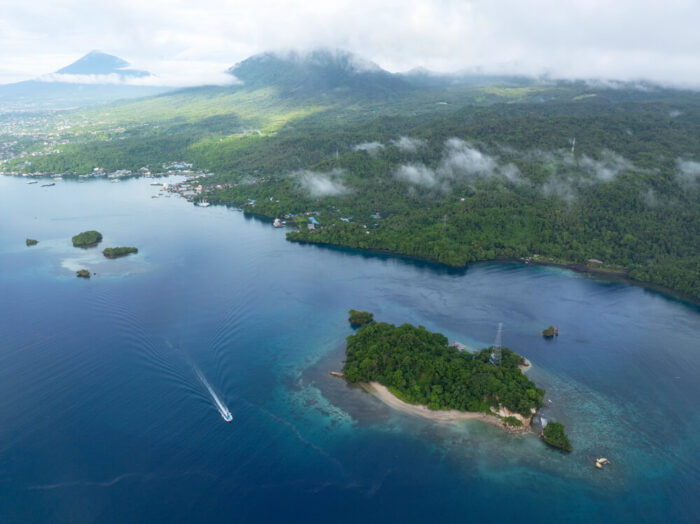
Bangka and Lembeh are strong next steps if you dive or want to add more marine time after the city. Bangka is better for a quieter island atmosphere, while Lembeh is best known for muck diving and macro life.
How to Get to Manado
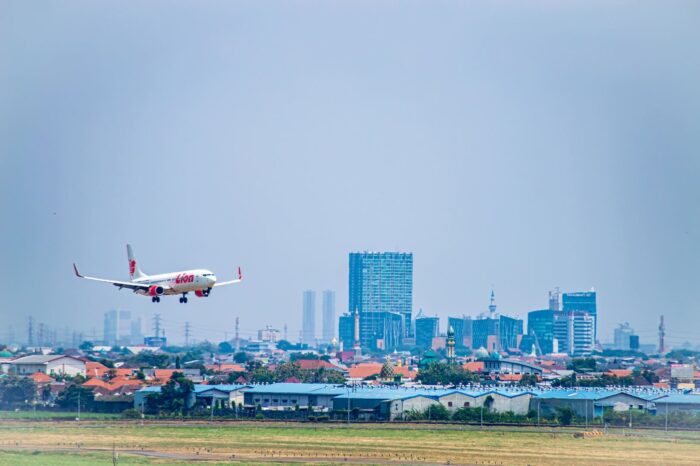
Manado is served by Sam Ratulangi International Airport, the main flight gateway to North Sulawesi. Most travelers arrive here on domestic routes from cities such as Jakarta, Surabaya, Makassar, or Denpasar.
There are also some international connections, but these change more often. Depending on the current airline schedule, you may find flights from Singapore and selected cities in China, such as Guangzhou. If you are planning to fly directly from abroad, always check the latest routes before building your itinerary around it.
Planning to flight domestically? Read Guide to Domestic Flights in Indonesia.
How to Get from Manado Airport to the City
The airport is around 13 kilometers from the city, and the easiest transfer is usually Grab, Gojek, or an airport taxi. The drive normally takes around 30 to 60 minutes, depending on traffic and where you stay.
Public transport is possible, but it is less convenient if you have luggage, arrive late, or are visiting Manado for the first time. The main option to know about is the DAMRI airport bus, which has routes from Sam Ratulangi Airport toward the Boulevard / city area and sometimes onward to places such as Bitung, Tomohon, Amurang or Kotamobagu.
There are also local minibuses, often called mikrolet, in Manado. They are useful for locals and cheap for short city rides, but routes are not very intuitive for foreign travelers, especially when you are just arriving from the airport. For most visitors, it is easier to use Grab or Gojek first and leave mikrolet for short local trips once you already understand the city a bit.
How Many Days Do You Need in Manado?
If Manado is mainly your arrival point, one full day is enough to see the city highlights, eat well, and get your bearings before moving on.
Two days works better if you want one day in the city and one day trip, usually Bunaken or Tomohon. More than that only makes sense if you prefer using Manado as your main base instead of changing hotels across North Sulawesi.
Best Time to Visit Manado
Manado stays hot and humid year-round. In practice, the best period is usually May to October, especially if your plan includes Bunaken, boat trips, or longer travel around North Sulawesi.
For the city itself, weather is less critical than for islands or wildlife stops. Rain matters more once you start planning sea conditions, visibility, or transfer days.
How to Get Around Manado
For most travelers, Grab and Gojek are the easiest way to move around the city. They are practical for short urban rides and much easier than trying to understand local routes right away.
There are local minibuses and buses, but they are far less intuitive for first-time foreign travelers. If you want to combine several city stops in one day, or head beyond the city to Tomohon or Tangkoko, a private driver often makes more sense.
Where to Stay in Manado
For most travelers, the easiest area to stay is around Jalan Piere Tendean and the Boulevard. This part of the city is practical for restaurants, hotels, shopping, and getting around without too much effort.
If you want a comfortable city hotel, Four Points by Sheraton Manado is one of the safest all-round choices because of its location, consistent standard, and easy access to the waterfront area. Aryaduta Manado works well if you want a central base with sea views and quick access to restaurants and malls, while Luwansa Hotel & Convention Center Manado can be a good fit if you prefer a newer hotel slightly away from the busiest part of the boulevard.
If Bunaken logistics matter more than city atmosphere, Grand Luley Manado is one of the most practical options because it is better positioned for marine trips than the downtown waterfront hotels. This is a better pick if you care more about boat access and a quieter setting than about being in the middle of the city.
What to Eat in Manado
Food is one of the best reasons not to rush through the city. Manado cuisine is known for bold flavors, spicy sambals, grilled fish, soups, and Minahasan dishes that feel quite different from what many travelers first try elsewhere in Indonesia.
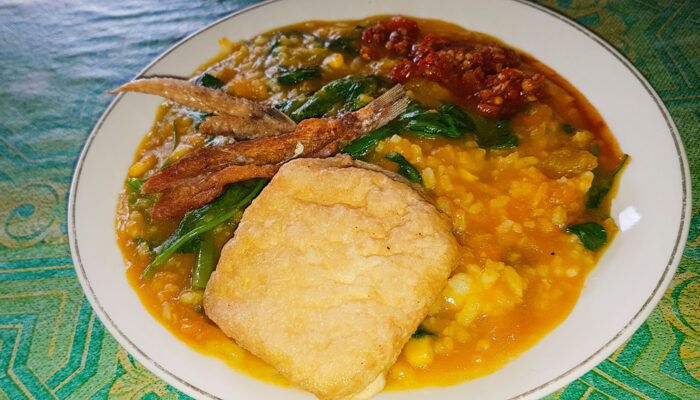
One of the local classics is tinutuan, also known as Bubur Manado, a vegetable porridge often eaten for breakfast. You should also look for ikan woku, fish cooked in a fragrant yellow spice mix, and rica-rica, a spicy chili-heavy preparation that is common with fish, chicken, and seafood. If you see cakalang fufu, that is smoked skipjack and one of the region’s most recognizable flavors.
If you eat seafood, Manado is one of the easiest places in North Sulawesi to enjoy grilled fish, shellfish, and spicy local sauces before moving on to smaller islands. You may also notice stronger Minahasan meat dishes, including pork-based specialties, which reflect the region’s different food culture.
For something casual in the evening, Malalayang and parts of the waterfront are good places for street food, grilled fish, snacks, and a more local dinner atmosphere than hotel restaurants.
Cultural Context: Why Manado Feels Different
One of the most noticeable things about Manado is its religious and cultural mix.
North Sulawesi is one of the parts of Indonesia where Christianity is dominant, and in Manado that becomes visible in monuments, churches, public symbols, and the general rhythm of city life. At the same time, the city also reflects a long Chinese presence, especially around Chinatown and Ban Hin Kiong.
Add Minahasan food culture and the coastal setting, and Manado ends up feeling more distinctive than many travelers expect from a city they originally planned to use only as a transit hub.
Where to Go Next from Manado
If you are staying in North Sulawesi, the most natural next steps are Bunaken for marine life, Tomohon for highland scenery, and Tangkoko for wildlife.
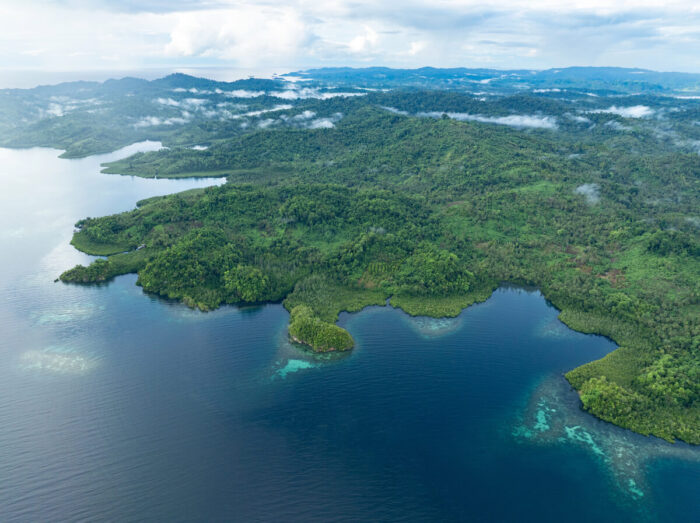
If you continue farther through Sulawesi, one useful route is to head toward Gorontalo and then continue to the Togian Islands. That works especially well if you want a slower island stretch after North Sulawesi.
Is Manado Worth More Than One Night?
Usually yes. One extra day gives you time to understand the city better, eat properly, and avoid reducing Manado to a late arrival and an early departure.
It may never be your favorite city in Indonesia, but that is not really the point. Manado works because it is useful, easy to combine with excellent nearby destinations, and more interesting once you stop treating it as a transport problem.