
Bunaken National Marine Park is one of the easiest places in Indonesia to experience serious marine life without traveling to a remote island chain. It lies just off the coast of Manado and includes five islands: Bunaken, Manado Tua, Nain, Mantehage, and Siladen.
Even though many travelers talk about Bunaken as if it were just one island, the park is much larger. Around 97% of the protected area is marine, so this is first of all a sea-focused destination.
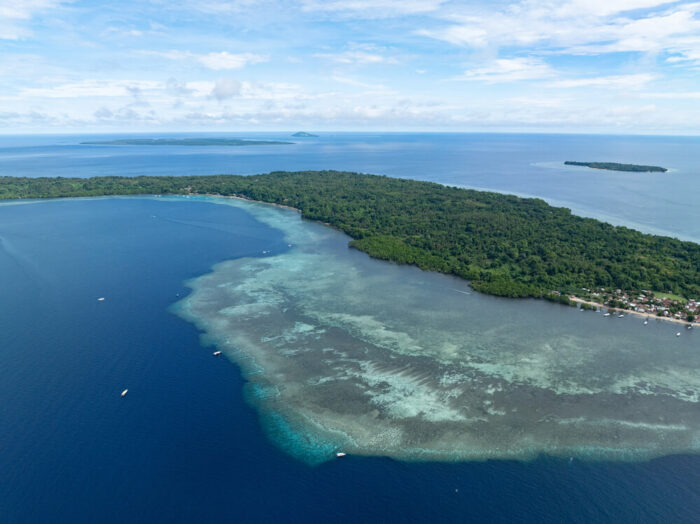
In this guide, we’ll explain what makes Bunaken special, whether it is better for snorkeling or diving, how to visit from Manado, when it makes sense to stay overnight, what the beaches are really like, and what to know before you go.
Why Visit Bunaken National Park?
Bunaken is one of the main reasons travelers include North Sulawesi in their Indonesia route. It is close to Manado, easy to reach by boat, and gives you access to a protected marine park without the long travel time needed for many other Indonesian reef destinations.
This makes it especially useful if you want to combine different sides of North Sulawesi in one trip. You can spend time on the water in Bunaken, visit the cooler highlands around Tomohon, and continue to wildlife areas like Tangkoko without needing complicated domestic transfers between islands.
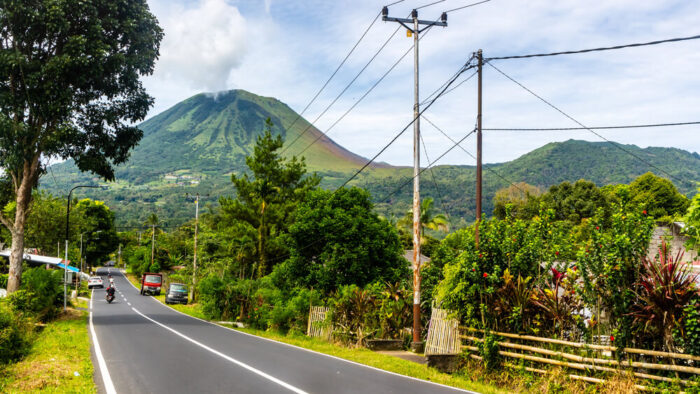
Bunaken is also flexible. If you only have one free day in Manado, you can visit as a snorkeling trip. If diving is one of your main reasons for coming, you can stay longer and treat it as a proper marine stop.
What Makes Bunaken Special?
Bunaken sits inside the Coral Triangle, one of the richest marine regions in the world. The park protects coral reefs, seagrass beds, mangroves and deep marine channels, which is why the underwater life is so varied.
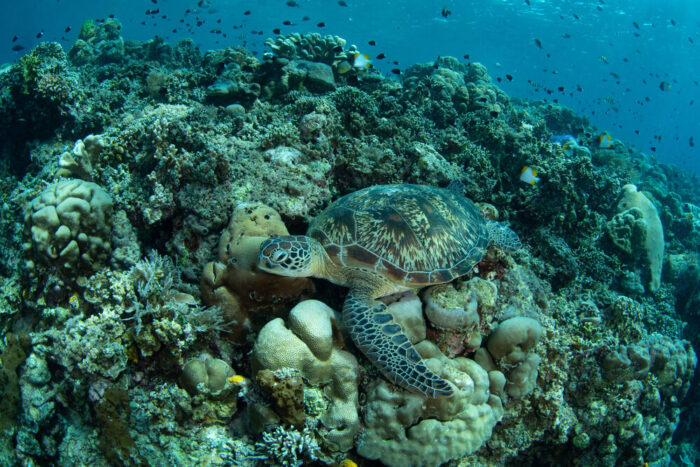
The reefs are home to colourful reef fish, green sea turtles, giant clams, nudibranchs, sea stars, moray eels and many smaller reef species. Divers may also see larger marine life such as barracuda, jacks, reef sharks or Napoleon wrasse, depending on the site and conditions.
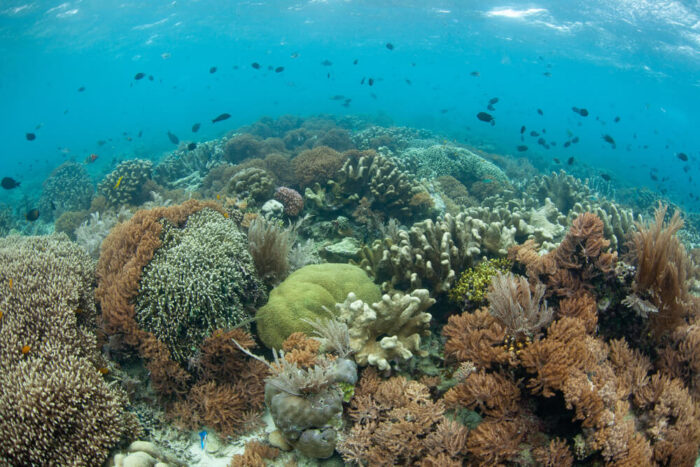
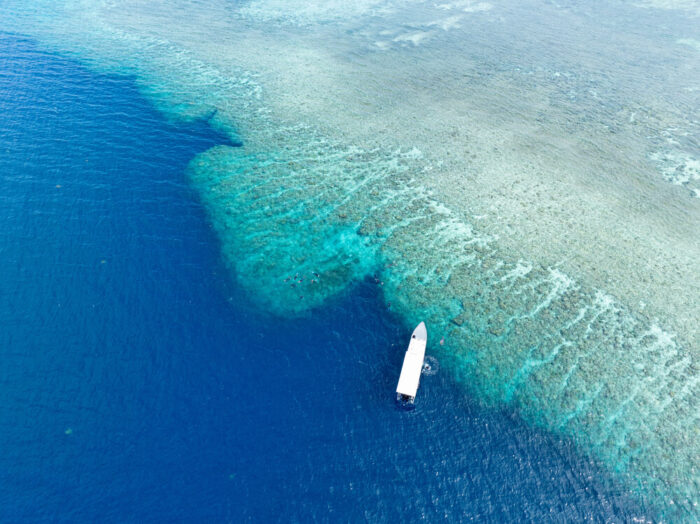
The underwater landscape is one of Bunaken’s strongest features. In many places, the reef does not slowly slope down. Instead, it drops steeply into deep blue water, creating dramatic coral walls. This is the main reason Bunaken became one of Indonesia’s classic diving destinations.
For snorkelers, this also makes the experience more interesting. In the right conditions, you can float above shallow reef areas and look toward the drop-off, where the water suddenly becomes much deeper.
Is Bunaken Better for Snorkeling or Diving?
Bunaken is good for both snorkeling and diving, but not in the same way.
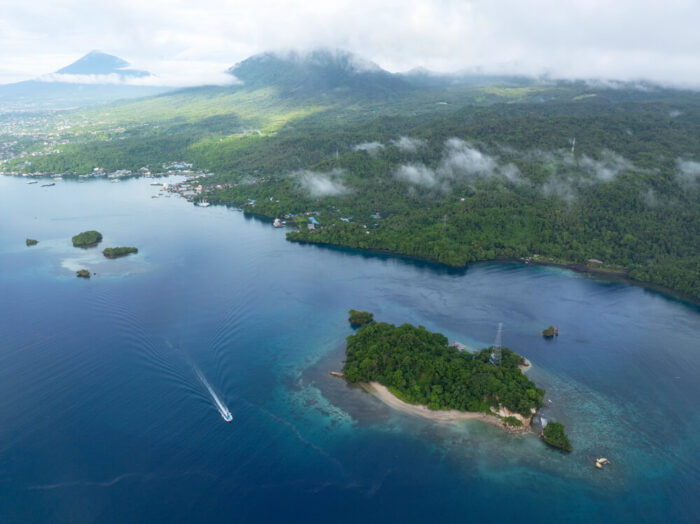
If you dive, Bunaken is more interesting over several days. The main highlight is the wall diving, and local dive centers can choose sites based on your level, currents and visibility. And if diving is one of your main reasons for coming to North Sulawesi, you can also combine Bunaken with other nearby marine areas such as Lembeh Strait or Bangka. Bunaken is better known for coral walls and turtles, while Lembeh is famous for muck diving and small unusual marine life.
Learn more about other nearby places worth visiting in our North Sulawesi Travel Guide: Best Places & Tips.
If you snorkel, Bunaken can still be very rewarding. You can see reef fish, coral, turtles and reef drop-offs without needing to dive. In this case, a well-organized day trip from Manado is usually enough.
Popular Dive and Snorkeling Areas in Bunaken
You do not need to choose the exact site yourself. Local dive centers usually decide based on weather, currents, visibility and your level. Still, it helps to know a few names.
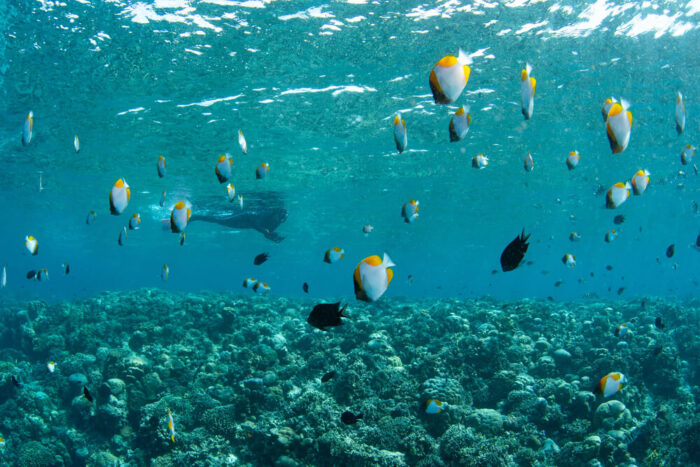
- Lekuan – one of Bunaken’s classic wall areas. Good for coral walls, turtles, reef fish and the kind of dramatic drop-offs Bunaken is known for.
- Fukui Point – more of a sloping reef than a vertical wall. Often mentioned for coral gardens, giant clams, turtles and reef life.
- Sachiko’s Point – a well-known wall dive on the north side of Bunaken Island. Depending on conditions, divers may see sea fans, moray eels, schools of fish and larger passing species.
- Tanjung Kopi – can have stronger currents, so it is usually better for experienced divers or only when conditions are right.
For snorkelers, the exact site name matters less. Focus more on choosing a good operator. Ask where the reef is safest that day, whether the guide goes into the water with you, and whether the trip fits your swimming level.
Backindo Tip: If you plan to dive, make sure your travel insurance covers scuba diving. Some policies only cover diving to certain depths or only with a certified instructor.
Day Trip from Manado or Overnight Stay?
A day trip from Manado is the easiest option if Bunaken is only one part of your North Sulawesi route. It works well when you are short on time, staying in Manado, and want to combine Bunaken with places like Tomohon or Tangkoko.
The main advantage is simple logistics. Bunaken is only about 45–60 minutes by boat from Manado, so you can arrange a boat or join a trip, spend the day snorkeling or diving, and return to Manado in the afternoon. You also keep more flexibility with hotels, restaurants and onward transport.
Staying overnight makes more sense if you want a slower marine-focused stop. It gives you more time on the water, less pressure on one single boat day, and more flexibility if weather or sea conditions are not ideal.
How to Get to Bunaken and Where to Stay
Once you know whether Bunaken is a day trip or a proper overnight stop, the logistics become much easier. Most travelers choose between three bases: Manado, Bunaken Island or Siladen.
Stay in Manado
Manado is the most practical base if you want to visit Bunaken for one day and continue with the rest of your North Sulawesi itinerary. You have more hotels, restaurants, airport access and transport options, so it works well if you also want to visit Tomohon, Tangkoko or continue toward Gorontalo.
From Manado, you can arrange a boat through your hotel, a snorkeling or diving operator, or a local contact.
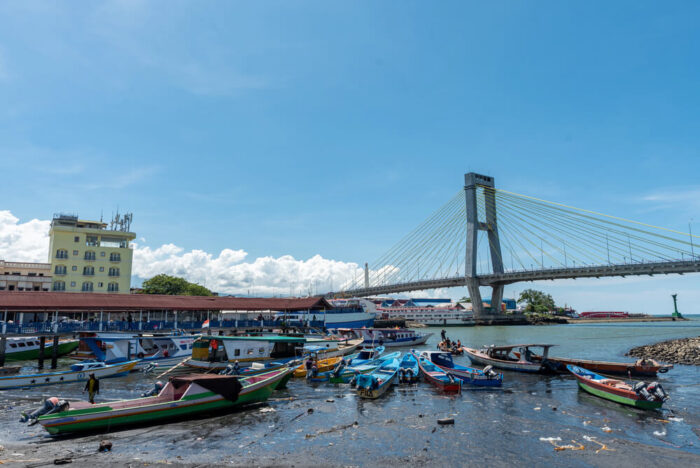
Public boats usually leave from the harbour area around Pasar Bersehati / Pelabuhan Bersehati, but schedules are very limited. They are not very convenient for a simple day trip, as they usually leave Manado in the afternoon and return from Bunaken in the morning. There is also no public boat service on Sundays.
For most foreign travelers, an organized boat trip is easier.
Where to stay in Manado:
- Four Points by Sheraton Manado – a comfortable city hotel in the Boulevard area, useful if you want easy access to restaurants, shopping and city facilities.
- Aryaduta Manado – a practical central option on Manado Boulevard, with sea views and good access to the city.
- Grand Luley Manado – a quieter resort-style option outside the city, closer to the Bunaken side and useful if you want easier access to diving or snorkeling trips without staying directly on the island.
Stay on Bunaken Island
Bunaken Island makes more sense if your main focus is diving, repeated snorkeling trips or spending more time close to the reef. Your accommodation will usually help arrange the boat transfer from Manado, which makes arrival easier than trying to organize everything yourself.
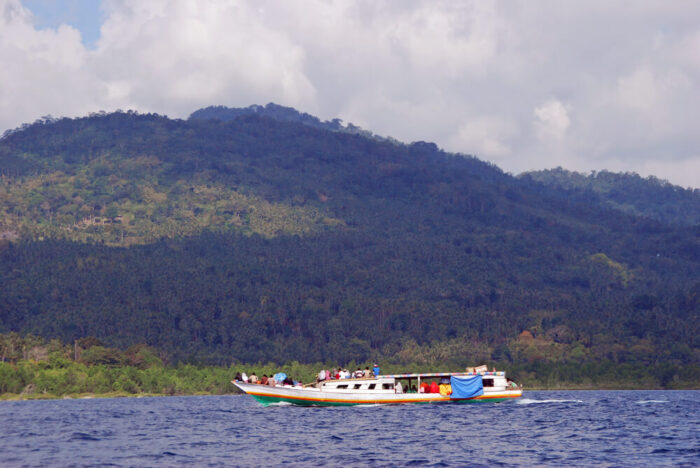
Many places are connected with dive centers, meals are often taken at the accommodation, and the rhythm of the day depends on boat trips, tides and dive schedules.
Where to stay on Bunaken Island:
- Bunaken Oasis Dive Resort & Spa – one of the most comfortable dive-focused resorts on Bunaken, better for travelers who want a higher-end stay.
- Two Fish Divers Bunaken – a popular dive-focused option, often a good fit if diving is the main reason for your stay.
- Bastianos Bunaken Dive Resort – located on Liang Beach, useful if you want a classic Bunaken dive-resort setup.
- Raja Laut Dive Resort – a simpler dive-resort option with an island atmosphere.
- Sea Breeze Dive Resort – a more modest choice for travelers who care more about diving and local atmosphere than luxury.
Stay on Siladen
Siladen is usually the better choice if you want an overnight stay, but prefer more comfort than a simple Bunaken Island base. It is still inside the Bunaken marine area, but the experience feels more resort-based and polished.
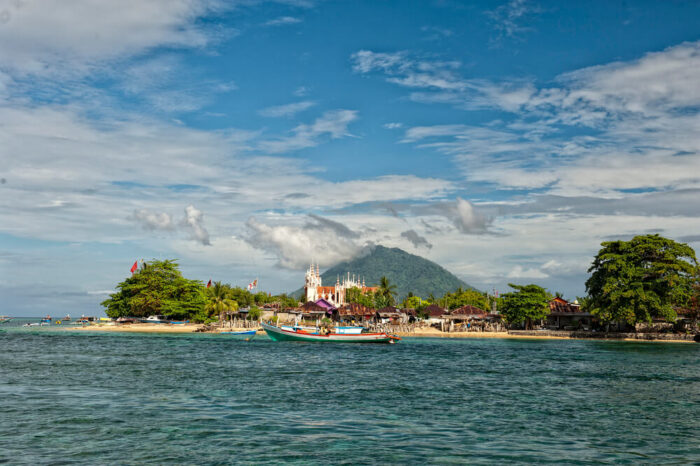
Where to stay on Siladen:
- Siladen Resort & Spa – a high-end boutique dive resort with a beachfront setting, pool, restaurant and easy access to the marine park.
- Kuda Laut Boutique Dive Resort – a smaller boutique option on Siladen, good for travelers who want comfort and diving without staying in a large hotel.
What Are the Beaches Like?
This is one of the places where Bunaken can disappoint people who arrive with the wrong expectation.
The island setting is nice, but Bunaken is not the kind of destination we would recommend mainly for beaches. The real reason to come is the marine park.
Some beaches are narrow, tidal or less comfortable for swimming than people expect. At low tide, shallow reef and seagrass areas can make swimming from shore less simple. Many snorkeling and diving activities are done by boat, not directly from a perfect sandy beach.
Bunaken Entrance Fee
Bunaken National Park charges an entrance fee – IDR 150,000 for foreign visitors, roughly USD 9–10, and IDR 5,000 for Indonesian visitors, less than USD 1, per visit. Some dive resorts and operators may handle the park fee for guests, while others may ask you to arrange or pay it separately.
Before your trip, ask your operator whether the Bunaken National Park ticket is already included in your snorkeling or diving package. This is especially important if you are comparing prices, because a cheaper boat trip may not include the same things as a more expensive one.
There is also an official Bunaken e-ticket system, but in practice many travelers still arrange the fee through their dive center, boat operator or accommodation.
Best Time to Visit Bunaken
Bunaken can be visited year-round, but the drier months from around April to November are usually better for sea conditions. If you want a safer planning window, May to October is a good period to aim for, especially if Bunaken is one of the main reasons for your trip.
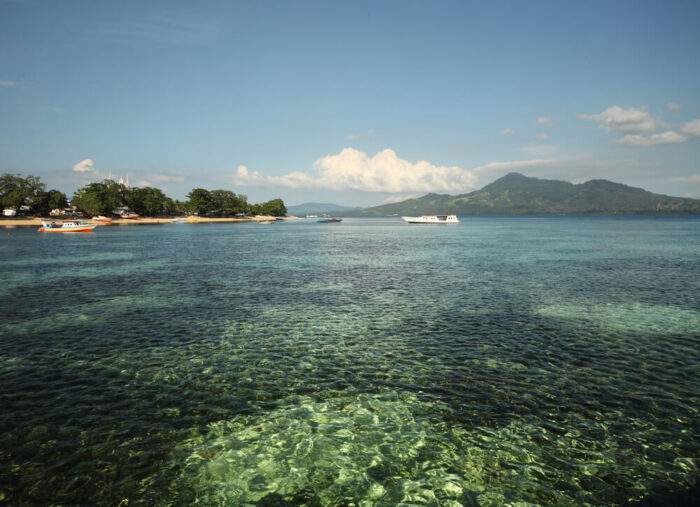
During this period, sea conditions are often more comfortable and visibility is usually better. Visibility around Bunaken is often reported around 15–25 meters, and sometimes better when conditions are good.
The rainy season does not mean Bunaken is impossible, but weather can be less predictable. Rougher seas can affect comfort on the boat, visibility underwater and how enjoyable the whole day feels.
Practical Tips Before You Go
Bring a rash guard or reef-safe sun protection. You may spend a lot of time in the water or on the boat, and the sun can be strong even when it feels cloudy.
Bring cash, especially if you are staying on Bunaken Island or using smaller local operators. Do not assume that every place accepts cards or online payment.
Ask what is included before you book. For snorkeling and diving trips, check whether the price includes equipment, lunch, drinking water, guide, boat, national park fee and hotel pickup.
If you are snorkeling, ask whether the guide goes into the water with you. This matters because currents, boat traffic and reef edges can be confusing if you are not used to marine parks.
Do not touch turtles, coral or marine life. Do not stand on coral, even in shallow water. Bunaken is a protected marine park, and small contact can still damage the reef.
Bring a dry bag if you carry a phone, camera, wallet or passport copy. Boat trips can get wet, especially if the sea is choppy.
If you get seasick easily, take this seriously. The boat ride is not extremely long, but sea conditions can still make the crossing uncomfortable.
How to Fit Bunaken into a North Sulawesi Itinerary
Bunaken works best as part of a wider route through North Sulawesi.
A short version could look like this: start in Manado, take a day trip to Bunaken, then continue to Tomohon for volcano views, markets and cooler highland air.
If you have more time, you can add Tangkoko Nature Reserve, which is one of the best places in Sulawesi to look for wildlife such as tarsiers and black macaques.

If you are a diver, you may want to spend a few nights around Bunaken and then continue to Lembeh Strait for a very different diving experience. Bunaken is more about coral walls and turtles, while Lembeh is known for small unusual marine life and muck diving.
If you continue through Sulawesi after Bunaken, one useful next stop is Gorontalo, especially if you want to continue onward to the Togian Islands. If you are planning a longer route through the island, you can also look at Makassar.
Is Bunaken Worth Visiting?
Yes, Bunaken is worth visiting if you are coming to North Sulawesi for the sea.
It is close to Manado, rich in marine life, and rewarding for both snorkelers and divers. Snorkelers can enjoy reef fish, turtles and coral on a day trip, while divers usually get more out of staying several nights and exploring different wall dive sites.
It is not the best fit if you want a beach holiday with lots of land-based activities, but it is a strong choice if your main goal is reef life, turtles, wall diving and an easy marine escape from Manado.
FAQ About Visiting Bunaken
Can you visit Bunaken as a day trip from Manado?
Yes, Bunaken is close enough to visit as a day trip from Manado. This works especially well if you mainly want to snorkel and have limited time. For diving, staying overnight usually gives you a better experience.
Is Bunaken good for snorkeling?
Yes, Bunaken is good for snorkeling. You can see reef fish, coral, turtles and reef drop-offs without diving. Choose your operator carefully and ask whether the guide enters the water with you.
Is Bunaken good for beginner divers?
Yes, Bunaken can work for beginner divers, but site choice matters. Some sites are easier, while others can have stronger currents. A good dive center will choose sites based on your certification level and conditions.
How many days do you need in Bunaken?
For snorkeling, one day can be enough. For diving, plan at least 2–4 nights if you want to enjoy several dive sites without rushing.
Is Bunaken good for beaches?
Not really. Bunaken has an island setting, but it is not mainly a beach destination. Come for snorkeling, diving and reef life, not for long sandy beaches or beach clubs.
Should you stay in Manado or on Bunaken Island?
Stay in Manado if you want easier logistics, more hotel choice and access to other places in North Sulawesi. Stay on Bunaken Island if diving or repeated snorkeling trips are your main priority.
When is the best time to visit Bunaken?
May to October is usually the better period for sea conditions and visibility. Bunaken can be visited outside these months, but weather and water conditions may be less predictable.